Myomectomy: Hysteroscopic, Laparoscopic, Abdominal
Understanding the different types of myomectomy for fibroid removal and what to expect from each procedure.
What Is a Myomectomy?
A myomectomy is a surgical procedure designed to remove uterine fibroids while preserving the uterus. Fibroids are non-cancerous growths that develop in or on the uterus and can cause symptoms such as heavy menstrual bleeding, pelvic pain, and pressure. Unlike a hysterectomy, which removes the entire uterus, a myomectomy targets only the fibroids, making it a preferred option for women who wish to maintain their fertility or keep their uterus.
Types of Myomectomy
There are several types of myomectomy, each suited to different fibroid sizes, locations, and patient needs. The main types are:
- Hysteroscopic myomectomy
- Laparoscopic myomectomy
- Abdominal myomectomy
- Vaginal myomectomy
- Robotic myomectomy
Hysteroscopic Myomectomy
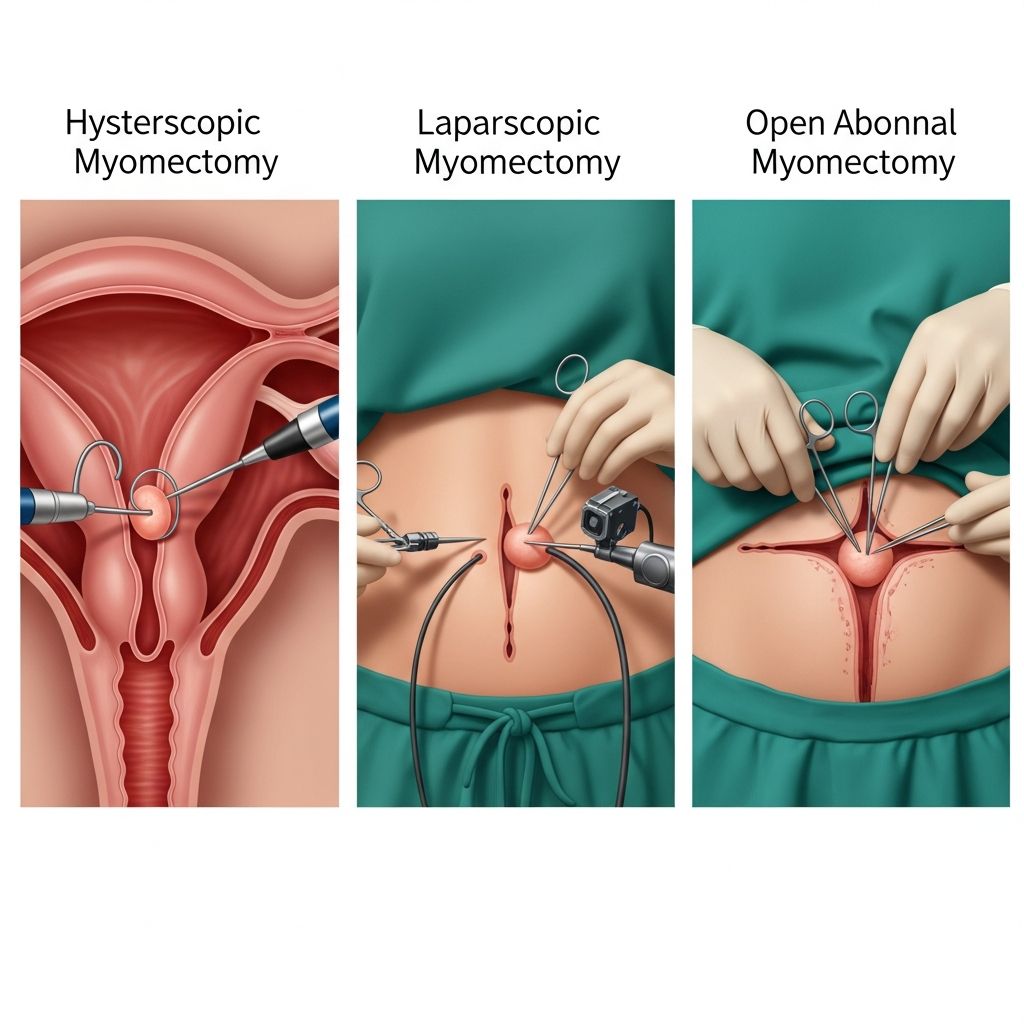
Hysteroscopic myomectomy is ideal for women with submucosal fibroids—those that grow into the uterine cavity. This minimally invasive procedure involves inserting a hysteroscope (a thin, flexible tube with a camera and surgical tools) through the vagina and cervix into the uterus. The surgeon then removes the fibroid tissue using various techniques, such as resection or morcellation.
Benefits
- No external scars
- Shorter recovery time
- Less postoperative pain
- Can be performed as an outpatient procedure
Risks and Complications
- Uterine perforation
- Excessive bleeding
- Fluid overload (from the solution used to expand the uterus)
- Infection
Recovery
Most women recover within a few days and can return to normal activities quickly. Some may experience mild cramping or spotting for a short period.
Laparoscopic Myomectomy
Laparoscopic myomectomy is used for fibroids that are located in the outer wall of the uterus or within the uterine muscle. The surgeon makes several small incisions in the abdomen and inserts a laparoscope and surgical instruments. The fibroids are removed, and the incisions are closed with sutures.
Benefits
- Smaller incisions and scars
- Less blood loss
- Shorter hospital stay
- Faster recovery compared to open surgery
Risks and Complications
- Infection
- Bleeding
- Damage to surrounding organs
- Conversion to open surgery if complications arise
Recovery
Recovery typically takes 2–4 weeks. Most women can return to light activities within a week and resume normal activities within a month.
Abdominal Myomectomy
Abdominal myomectomy, also known as laparotomy, is used for large or numerous fibroids. The surgeon makes a larger incision in the lower abdomen to access the uterus and remove the fibroids. This approach is more invasive but may be necessary for complex cases.
Benefits
- Allows removal of large or multiple fibroids
- Direct visualization of the uterus and surrounding structures
- Can be combined with other procedures if needed
Risks and Complications
- Greater risk of infection and bleeding
- Longer hospital stay
- More postoperative pain
- Larger scar
Recovery
Recovery can take 4–6 weeks. Patients may need more time off work and should avoid strenuous activities during this period.
Vaginal Myomectomy
Vaginal myomectomy is less common and is used for fibroids that are accessible through the vagina. The surgeon makes an incision in the cervix and removes the fibroid through the vaginal canal. This approach avoids abdominal incisions.
Related Stories



Benefits
- No external abdominal scars
- Shorter recovery time
- Less postoperative pain
Risks and Complications
- Uterine perforation
- Bleeding
- Infection
- Conversion to open surgery if needed
Recovery
Recovery is similar to hysteroscopic myomectomy, with most women returning to normal activities within a few days.
Robotic Myomectomy
Robotic myomectomy uses robotic-assisted technology to perform laparoscopic surgery. The surgeon controls robotic arms from a console, allowing for greater precision and flexibility. This approach is similar to laparoscopic myomectomy but may offer additional benefits in complex cases.
Benefits
- Greater precision
- Reduced risk of complications
- Shorter hospital stay
- Faster recovery
Risks and Complications
- Higher cost
- Longer operating time
- Need for specialized equipment and training
Recovery
Recovery is similar to laparoscopic myomectomy, with most women returning to normal activities within 2–4 weeks.
Choosing the Right Myomectomy
The choice of myomectomy depends on several factors, including:
- Fibroid size and location
- Number of fibroids
- Desire for future fertility
- Patient’s overall health
- Surgeon’s expertise
Non-Surgical Options
For women who are not candidates for surgery or prefer non-surgical treatments, options include:
- Uterine artery embolization
- Radiofrequency ablation
- Medications to manage symptoms
What to Expect Before, During, and After Surgery
Before surgery, your healthcare provider will discuss the risks, benefits, and expected outcomes of each type of myomectomy. You may need to undergo preoperative tests and follow specific instructions regarding medications and fasting.
During surgery, you will be under general anesthesia. The procedure itself can take anywhere from 30 minutes to several hours, depending on the type and complexity of the myomectomy.
After surgery, you will be monitored in the recovery room. Pain management, wound care, and activity restrictions will be discussed. Follow-up appointments are important to monitor healing and address any concerns.
FAQs
What is the difference between a myomectomy and a hysterectomy?
A myomectomy removes only the fibroids, while a hysterectomy removes the entire uterus. Myomectomy is preferred for women who wish to maintain their fertility or keep their uterus.
Can I get pregnant after a myomectomy?
Yes, many women are able to conceive after a myomectomy. However, the type of myomectomy and the extent of uterine damage can affect fertility outcomes.
How long does it take to recover from a myomectomy?
Recovery time varies depending on the type of myomectomy. Hysteroscopic and vaginal myomectomies typically have the shortest recovery, while abdominal myomectomy requires the longest recovery period.
Are there any long-term risks associated with myomectomy?
Long-term risks include the possibility of fibroid recurrence, uterine scarring, and complications related to future pregnancies. Regular follow-up with your healthcare provider is important.
References
References
- Types of Myomectomy: Hysteroscopic, Laparoscopic, Abdominal — Fibroid Specialists. 2023. https://www.fibroidspecialists.org/post/types-of-myomectomy-hysteroscopic-laparoscopic-abdominal
- Myomectomy – Mayo Clinic — Mayo Clinic. 2023. https://www.mayoclinic.org/tests-procedures/myomectomy/about/pac-20384710
- Myomectomy: Choosing the Surgical Approach – A Systematic Review — PMC. 2023. https://pmc.ncbi.nlm.nih.gov/articles/PMC11343351/
Similar Articles








Read full bio of Sneha Tete