Myopathy: Causes, Symptoms, Diagnosis & Treatment
Understanding myopathy: Learn about causes, symptoms, diagnosis methods, and effective treatment options.
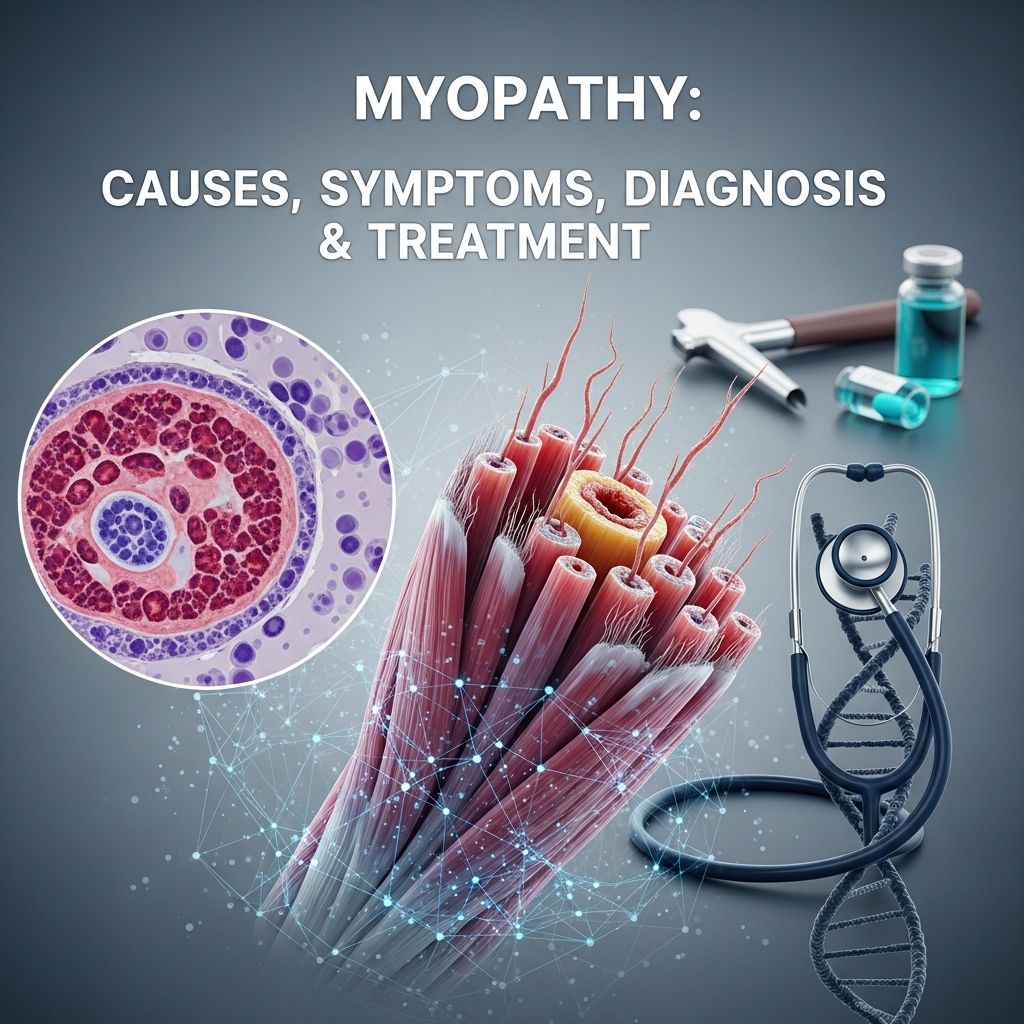
Understanding Myopathy: A Complete Guide
Myopathy refers to diseases that directly affect skeletal muscles—the muscles that connect to your bones and enable movement. These progressive conditions attack muscle fibers at the cellular level, leading to weakness, reduced function, and difficulty performing everyday activities. Myopathies represent a diverse group of disorders that can vary significantly in their origin, severity, progression, and long-term outlook. Understanding the nature of myopathy is essential for early diagnosis and effective management of symptoms.
What Is Myopathy?
Myopathy is fundamentally a condition where the muscles themselves are affected, distinguishing it from other neuromuscular disorders. Unlike conditions affecting the nerves that control muscles or the connection between nerves and muscles, myopathies involve direct damage or dysfunction of muscle tissue. The disease attacks muscle fibers, progressively weakening them and impairing their ability to contract and function properly. This can result in difficulty lifting objects, climbing stairs, or performing other physical activities that most people take for granted.
The impact of myopathy extends beyond physical limitations. Depending on which muscles are affected, individuals may experience breathing difficulties, swallowing problems, or facial weakness. The severity and progression of symptoms depend largely on the specific type of myopathy, how early it was diagnosed, and how well the underlying cause can be managed.
Types of Myopathy: Inherited vs. Acquired
Myopathies are categorized based on their cause into two primary classifications: inherited myopathies and acquired myopathies. Understanding this distinction is crucial for diagnosis, treatment planning, and understanding disease progression.
Inherited Myopathies
Inherited myopathies are present from birth or develop early in life due to genetic mutations passed down from parents. These conditions result from abnormal genes that affect how muscles develop, function, or are maintained throughout life. Common inherited myopathies include various forms of muscular dystrophy, which involve progressive muscle weakness and degeneration. Other inherited forms include central core disease, nemaline myopathy, and other congenital myopathies. Individuals with inherited myopathies often have a family history of the condition, though in some cases, the genetic mutation may be new and not inherited from either parent.
Acquired Myopathies
Acquired myopathies develop later in life and result from external factors such as medications, autoimmune conditions, infections, or other medical circumstances. These include myositis (inflammatory myopathy), statin-induced myopathy from cholesterol-lowering medications, and myopathies associated with underlying systemic diseases like lupus or rheumatoid arthritis. Acquired myopathies can develop at any age and are not inherited genetically.
Recognizing Symptoms of Myopathy
The symptoms of myopathy vary depending on which muscles are affected and the underlying cause of the condition. Common symptoms include:
- Progressive muscle weakness, typically beginning in the hips and thighs before affecting other areas
- Difficulty climbing stairs, rising from a seated position, or lifting objects
- Muscle pain or stiffness, particularly after activity
- Fatigue that worsens with physical exertion
- Trouble walking or an unusual gait pattern
- Facial weakness or drooping
- Difficulty with swallowing or speaking
- Breathing difficulties in severe cases
- Muscle cramps or spasms
- Contractures (permanent muscle shortening and tightness)
Symptoms may develop gradually over months or years in some myopathies, while others progress more rapidly. In inflammatory myopathies, symptoms may fluctuate or respond to treatment. It is essential to report any unexplained muscle weakness or progressive symptoms to a healthcare provider, as early diagnosis can lead to better management outcomes.
Related Stories



Diagnostic Approach to Myopathy
Accurate diagnosis of myopathy requires a comprehensive evaluation combining clinical assessment, detailed history, and specialized testing. Healthcare providers use multiple diagnostic tools to identify the specific type of myopathy and determine the underlying cause.
Initial Evaluation
Your primary care doctor serves as the first point of contact when you notice concerning symptoms. Based on your symptoms’ nature, you may be referred to a specialist such as a neurologist or rheumatologist who has expertise in neuromuscular disorders. During your initial evaluation, your healthcare provider will gather detailed information about your medical history, family history, prescription medications, and the timeline of your symptoms. A thorough physical examination follows, which includes assessment of your skin condition, reflexes, muscle strength testing, balance, and sensory function. The provider will also observe your ability to rise from a chair, climb stairs, and walk to assess functional muscle strength.
Diagnostic Tests and Procedures
Several specialized tests may be ordered to confirm the diagnosis and identify the specific type of myopathy:
- Blood Tests: These measure levels of muscle enzymes such as creatine kinase (CK), which are elevated when muscle tissue is damaged. Blood tests can also detect specific antibodies that help identify inflammatory myopathies or autoimmune-related muscle disease.
- Electromyography (EMG): This test measures the electrical activity within muscles, helping to identify patterns of muscle weakness, damage, or abnormal muscle function. EMG can distinguish between primary muscle disorders and nerve-related conditions.
- Nerve Conduction Studies (NCS): These tests measure how effectively nerves transmit electrical signals, helping differentiate between nerve disorders and muscle-specific problems.
- Magnetic Resonance Imaging (MRI): MRI provides detailed images of muscle tissue, revealing areas of inflammation, fatty infiltration, or other abnormalities. This non-invasive imaging helps identify which muscles are affected.
- Muscle or Skin Biopsy: A small tissue sample is examined under a microscope to identify inflammation, protein abnormalities, or genetic markers specific to certain myopathies. This invasive test can provide definitive diagnosis in many cases.
- Genetic Testing: DNA testing identifies specific gene mutations responsible for inherited myopathies, which is increasingly important for diagnosis and counseling.
- Pulmonary Function Tests: For certain myopathies affecting respiratory muscles, these tests assess breathing capacity and lung function.
Treatment and Management Strategies
Treatment for myopathy is highly individualized and depends on the specific diagnosis, the severity of symptoms, and which muscles are affected. The primary goals of treatment are to slow disease progression, maintain muscle function, improve quality of life, and prevent complications.
Physical and Occupational Therapy
Physical therapy is a cornerstone of myopathy management for nearly all types. Physical therapists design exercise programs that maintain muscle strength and flexibility while avoiding overexertion, which can be counterproductive. These programs may include gentle stretching, low-impact aerobic activities, and strengthening exercises tailored to individual capabilities. Occupational therapy helps patients adapt to limitations and maintain independence in daily activities such as dressing, eating, and personal hygiene.
Specific Medical Treatments
Treatment varies based on myopathy type. Most acquired myopathies, particularly inflammatory myopathies, respond well to medical management and can be controlled to minimize weakness and symptoms. Corticosteroids and immunosuppressant medications reduce inflammation and halt disease progression in autoimmune myopathies. Newer biologic therapies offer additional options for patients who don’t respond adequately to conventional treatments.
Many inherited myopathies currently lack specific disease-modifying treatments, though this landscape is rapidly changing with advances in genetic medicine. Patients benefit from comprehensive supportive care including physical therapy, appropriate exercise, and management of complications.
Lifestyle and Self-Management
Living well with myopathy requires close partnership with your healthcare team and attention to your body’s signals. Maintaining a consistent exercise routine, following therapy recommendations, and communicating any changes in symptoms or disease progression are essential. Regular follow-up appointments allow your healthcare provider to adjust your treatment plan as needed. Awareness of medication side effects, proper nutrition, and adequate rest support overall health and may help slow disease progression.
Prognosis and Long-Term Outlook
The prognosis for myopathy varies significantly depending on the specific type, age of onset, and individual factors. Most acquired myopathies have a favorable prognosis when appropriately treated. Many patients with acquired inflammatory myopathies achieve good symptom control and functional improvement with proper medical management. In contrast, progression rates for inherited myopathies vary widely. Some progress slowly over decades with minimal functional impact, while others advance more rapidly. Recent advances in genetic therapies offer hope for improved outcomes in certain inherited forms, and ongoing research continues to develop new treatment options.
When to Seek Medical Attention
You should contact your primary care doctor if you experience unexplained muscle weakness, progressive difficulty with physical activities, muscle pain that interferes with function, or any symptoms suggesting neuromuscular disease. Early evaluation is important because timely diagnosis allows for earlier intervention and better management of symptoms. If you have a family history of myopathy or neuromuscular disease, discuss this with your healthcare provider and report any concerning symptoms promptly.
Frequently Asked Questions About Myopathy
Q: Is myopathy the same as muscular dystrophy?
A: Muscular dystrophy is a type of inherited myopathy, but not all myopathies are muscular dystrophies. Myopathy is a broader category that includes both inherited conditions like muscular dystrophy and acquired conditions like inflammatory myopathy.
Q: Can myopathy be cured?
A: Cure options depend on the type. Most acquired myopathies can be well controlled with appropriate treatment. Many inherited myopathies cannot currently be cured, but symptoms can be managed effectively. Emerging genetic therapies show promise for treating certain inherited forms.
Q: Is myopathy inherited in all cases?
A: No. Myopathies are classified as either inherited (genetic) or acquired. Acquired myopathies develop due to external factors like medications, autoimmune conditions, or infections, not genetic inheritance.
Q: What medications can cause myopathy?
A: Several medications can cause myopathy, most commonly statins (cholesterol-lowering drugs). Other culprits include corticosteroids, certain antibiotics, and some cancer treatments. Discuss medication concerns with your healthcare provider.
Q: How often should I see a myopathy specialist?
A: Regular follow-up intervals depend on your specific condition and disease stability. Your healthcare provider will recommend appropriate visit schedules, typically ranging from every few months to annually, with more frequent visits if symptoms change.
Q: Can exercise worsen myopathy?
A: Appropriate exercise, guided by a physical therapist, is beneficial for most myopathies. However, excessive or intense exercise can be counterproductive. Your physical therapist will design a program tailored to your specific condition and capabilities.
Q: Are there support groups for people with myopathy?
A: Yes. Many organizations dedicated to neuromuscular diseases offer support groups, educational resources, and community connections. Your healthcare provider can provide referrals to appropriate support organizations.
References
- Myopathy: Causes, Symptoms, Diagnosis & Treatment — Cleveland Clinic. 2024. https://my.clevelandclinic.org/health/diseases/17256-myopathy
- Neuromuscular Center — Cleveland Clinic. 2024. https://my.clevelandclinic.org/departments/neurological/depts/neuromuscular
- Congenital Myopathies: Symptoms, Causes & Outlook — Cleveland Clinic. 2024. https://my.clevelandclinic.org/health/diseases/22392-congenital-myopathy
- Neuromuscular Disorders: What They Are, Symptoms & Types — Cleveland Clinic. 2024. https://my.clevelandclinic.org/health/diseases/neuromuscular-disorders
- Myopathy for the general internist: Statins and much more — Cleveland Clinic Journal of Medicine, 2019. https://www.ccjm.org/content/86/10/656
- Expertise for the Management of Myositis — UH Hospitals Rheumatology Services. 2024. https://www.uhhospitals.org/services/rheumatology-services/conditions-and-treatments/myositis
- Muscular Dystrophy Treatment — Cleveland Clinic. 2024. https://my.clevelandclinic.org/services/muscular-dystrophy-treatment
Similar Articles








Read full bio of Sneha Tete