Myopia: 3 Degrees, Causes, And Treatment Options
Explore the causes, symptoms, and latest treatments for myopia, the leading cause of vision impairment worldwide.
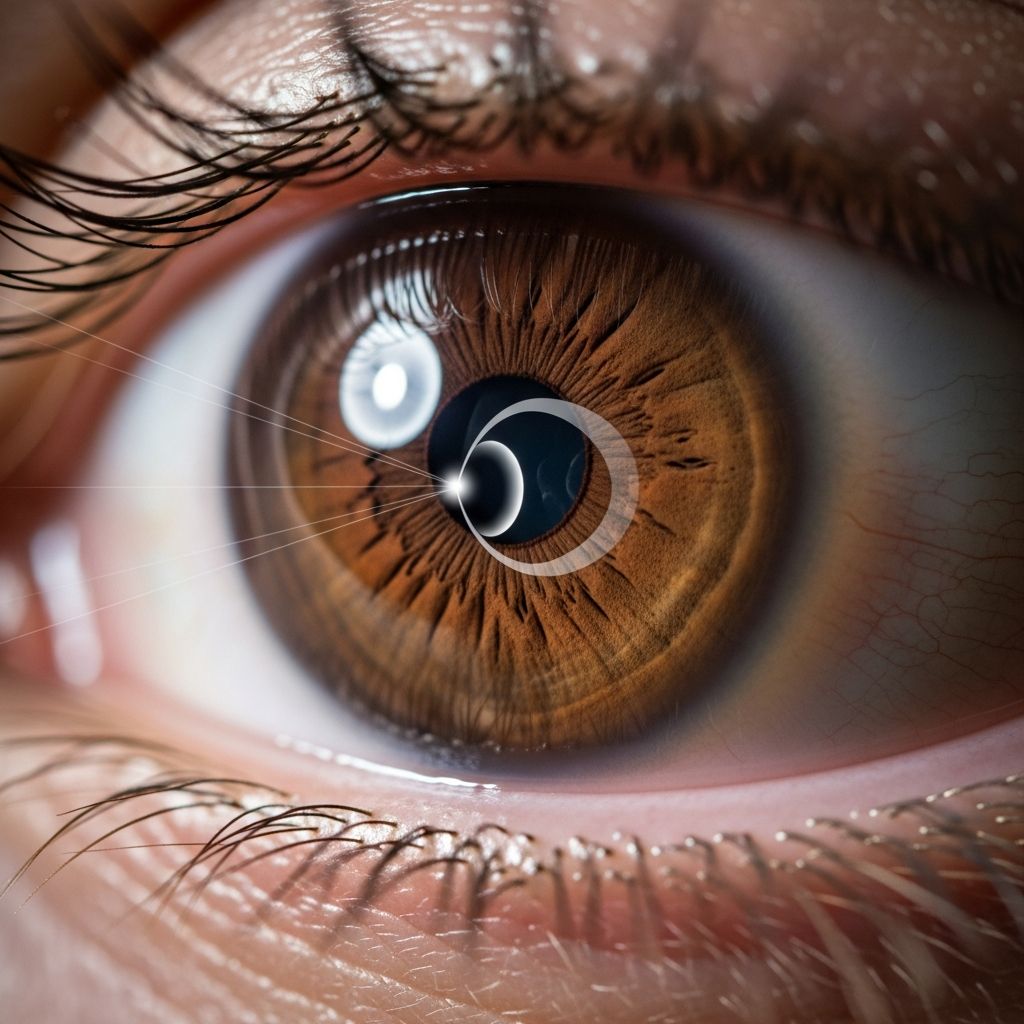
Myopia, commonly called nearsightedness, affects how clearly individuals see distant objects due to light focusing in front of the retina rather than on it. This condition impacts millions globally and is projected to affect nearly half the world’s population by mid-century.
What Causes Myopia?
The primary structural issues leading to myopia involve an eyeball that is elongated from front to back or a cornea curved too steeply. These changes cause incoming light rays to converge prematurely before reaching the retina, resulting in blurred far-away vision while near objects remain sharp.
Genetic factors play a significant role, as children with myopic parents face higher risks. Environmental influences, including extended near-work activities like prolonged screen use or reading, and reduced time outdoors, also contribute substantially to its onset and progression, particularly during childhood and adolescence.
Recognizing the Signs of Myopia
Early detection hinges on noticing specific vision challenges and behavioral cues. Common indicators include:
- Difficulty discerning distant objects, such as road signs or classroom boards.
- Squinting to sharpen focus on far items.
- Experiencing headaches or eye fatigue after tasks requiring distance vision.
- In children, sitting unusually close to screens or books, or complaining about unclear views during sports or school activities.
High myopia, defined as a prescription stronger than -6.00 diopters, heightens risks for complications like retinal detachment, glaucoma, or macular degeneration, making routine eye exams essential.
Degrees of Myopia Explained
Myopia varies in severity, influencing treatment choices and potential risks. The following table outlines key classifications:
| Degree | Prescription Range (Diopters) | Characteristics | Risks |
|---|---|---|---|
| Mild | -0.25 to -3.00 | Occasional correction needed for driving or movies | Low |
| Moderate | -3.00 to -6.00 | Daily lenses required for most activities | Moderate |
| High | -6.00 or more | Constant correction; elevated disease risk | High (retinal issues, cataracts) |
Standard Correction Methods
Most cases respond well to non-invasive options that adjust light focus onto the retina.
Eyeglasses
These provide a straightforward solution with concave lenses that diverge light rays. Low-degree users may wear them selectively, while higher prescriptions demand all-day use.
Contact Lenses
Offering a discreet alternative, contacts sit directly on the eye. Soft daily disposables enhance hygiene, and specialized designs aid myopia management in youth.
Surgical Solutions for Lasting Clarity
For adults with stable prescriptions, refractive procedures reshape the cornea permanently.
- LASIK and PRK: Lasers sculpt the corneal surface for improved light refraction. Outcomes often reduce or eliminate lens dependency, though night vision halos may occur.
- SMILE: A minimally invasive laser technique suitable for moderate myopia.
- Implantable Lenses: Ideal for high myopia ineligible for laser reshaping.
Candidates should have stable vision for at least a year and no contraindicating conditions.
Innovative Myopia Control Strategies
Beyond correction, slowing progression is critical, especially in children, to mitigate long-term risks. Recent advancements target this goal effectively.
Orthokeratology (Ortho-K)
Related Stories



Rigid gas-permeable lenses worn overnight gently flatten the cornea temporarily, granting daytime vision without aids. Studies confirm its efficacy in curbing progression, particularly when paired with other therapies.
Low-Dose Atropine Drops
A 0.01% concentration, applied nightly, relaxes eye focusing muscles, slowing axial elongation. Research demonstrates sustained benefits, even post-treatment, with minimal side effects like light sensitivity.
Specialized Lenses
Multifocal contacts and spectacle lenses with peripheral defocus zones, such as DIMS or aspherical designs, reduce progression rates by altering peripheral light focus. Benefits persist after discontinuation in many cases.
Combination Approaches for Optimal Results
Integrating therapies yields synergistic effects. For instance, combining low-dose atropine with Ortho-K significantly outperforms solo use in children aged 6-11, as evidenced by clinical trials measuring axial length changes.
Prevention and Lifestyle Adjustments
While genetics cannot be altered, habits can influence development:
- Encourage at least 2 hours of daily outdoor time, which naturally inhibits progression.
- Implement the 20-20-20 rule: every 20 minutes, view 20 feet away for 20 seconds.
- Limit screen exposure and ensure proper lighting for near tasks.
- Schedule annual comprehensive eye exams starting at age 6.
When to Consult an Eye Specialist
Seek immediate care for sudden vision shifts, flashes, floaters, or pain, which may signal retinal issues. Routine checks are vital for monitoring progression and customizing interventions.
Frequently Asked Questions (FAQs)
Can myopia be reversed?
No, but control methods can slow progression, and surgery corrects vision in adults.
Is myopia hereditary?
Yes, family history increases risk, combined with environmental factors.
Does screen time cause myopia?
It contributes by promoting near focus, but outdoor activity offers protection.
Are contact lenses safe for children with myopia?
Yes, under supervision, especially myopia-control variants.
What age is best for myopia control?
Start between 6-12 years when progression peaks.
This detailed overview empowers informed decisions on managing myopia effectively, prioritizing early intervention for healthier vision lifelong.
References
- Myopia (Nearsightedness) Symptoms, Causes & Treatment — CareCredit. 2023. https://www.carecredit.com/well-u/health-wellness/myopia-causes-and-treatments-for-nearsightedness/
- Myopia (Nearsightedness): Causes, Symptoms & Treatment — Cleveland Clinic. 2023-10-12. https://my.clevelandclinic.org/health/diseases/8579-myopia-nearsightedness
- Myopia (Nearsightedness): Symptoms, Causes & Treatment — Seattle Eye Care Doctor. 2024. https://seattleeyecaredoctor.com/myopia/
- Understanding Myopia: Causes & Treatment — Switalski Eye Care. 2023. https://www.switalskieyecare.com/understanding-myopia-causes-symptoms-and-treatment-options/
- Myopia (Nearsightedness) – Causes & Treatment — Milan Eye Center. 2023. https://www.milaneyecenter.com/eye-conditions/myopia/
Similar Articles








Read full bio of Sneha Tete