Myringotomy: Procedure, Recovery & What to Expect
Complete guide to myringotomy: Understanding the ear drainage procedure, recovery timeline, and expected outcomes.
Understanding Myringotomy: A Comprehensive Guide to Ear Drainage Surgery
Myringotomy is a surgical procedure designed to help excess fluid drain from your middle ear. This minimally invasive operation involves making a tiny incision in your eardrum, allowing trapped fluid to escape and relieving pressure, pain, and hearing difficulties. An otolaryngologist, commonly known as an ENT specialist, typically performs this procedure. While myringotomy is often performed on just one ear, bilateral myringotomy can be done when both ears require treatment.
The procedure is frequently combined with tympanostomy, which involves placing small hollow tubes (ear tubes) into the incision to promote continued drainage and maintain equalized pressure in the middle ear. Understanding the details of this procedure, its indications, recovery process, and potential outcomes can help patients and families make informed decisions about their ear health.
What Is Myringotomy and How Does It Work?
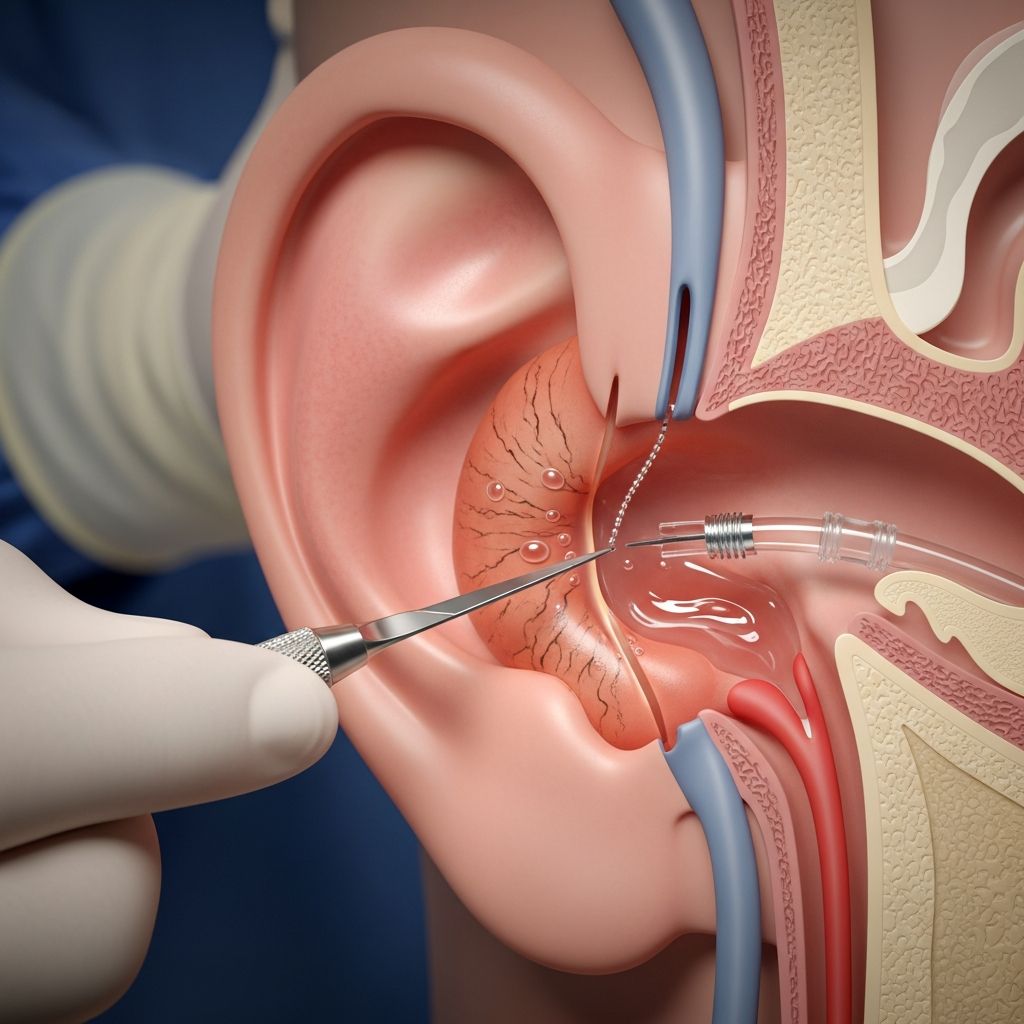
Myringotomy involves making a controlled incision in your tympanic membrane, commonly called the eardrum, to facilitate the drainage of excess fluid accumulated in the middle ear. The eardrum is a thin, delicate membrane located between your outer ear and middle ear that vibrates in response to sound waves, enabling hearing function.
When fluid becomes trapped in the middle ear due to infections, allergies, or Eustachian tube dysfunction, it can cause significant discomfort and temporary hearing loss. The Eustachian tube is a narrow canal that connects the middle ear to the back of the nasal cavity and is responsible for regulating air pressure, enabling proper hearing function, and maintaining balance. When this tube becomes blocked, fluid accumulates, creating pressure and discomfort.
The myringotomy procedure creates a pathway for this fluid to drain, relieving pressure and restoring normal ear function. The incision is typically small and often heals on its own without requiring stitches. In many cases, your surgeon will pack your ear with gauze to protect the incision during the initial healing period.
When Is Myringotomy Recommended?
Your healthcare provider may recommend myringotomy in various situations where fluid accumulation in the middle ear causes persistent or recurring problems. Common indications include:
- Persistent ear infections that don’t respond to antibiotic treatment
- Chronic ear infections that return frequently
- Significant fluid accumulation in the middle ear (also known as glue ear or serous otitis media)
- Ruptured eardrum requiring drainage and healing support
- Eustachian tube dysfunction causing fluid buildup
- Barotrauma (pressure-related ear injuries common in adults)
- Hearing loss resulting from middle ear fluid
- Recurrent middle ear infections affecting quality of life
While myringotomy is more commonly performed on children, who are statistically more prone to ear infections due to their developing immune systems, many adults also require this procedure, particularly those experiencing barotrauma from pressure changes or chronic Eustachian tube problems.
Preparation for Your Myringotomy Procedure
Proper preparation is essential for a successful myringotomy procedure and smooth recovery. Your healthcare provider will provide detailed preoperative instructions specific to your situation, but general guidelines typically include the important considerations below:
- Fasting: Avoid eating or drinking anything after midnight the night before your procedure to prepare for anesthesia
- Transportation: Arrange for a trusted friend or family member to drive you to and from your appointment, as you may not be alert enough to drive safely after surgery
- Medications: Inform your surgeon about all current medications and supplements you’re taking
- Medical history: Disclose any allergies, previous surgical complications, or medical conditions
- Clothing: Wear comfortable, loose-fitting clothing on the day of your procedure
- Documentation: Bring all required identification and insurance information
Related Stories



Your surgeon will review these instructions with you during your preoperative consultation and may request additional tests or imaging to assess your specific condition.
The Myringotomy Procedure: What to Expect
During myringotomy, your surgeon follows a carefully planned sequence of steps to safely create an incision and facilitate fluid drainage from your middle ear.
Step-by-Step Procedure:
- Your surgeon will position you on the operating table and ensure you’re comfortable
- Local or general anesthesia is administered to prevent pain and discomfort during the procedure
- Your surgeon uses an operating microscope to visualize the eardrum clearly
- A tiny incision is made in your eardrum using specialized surgical instruments
- Excess fluid is allowed to drain from the middle ear through the incision
- If recommended, small ear tubes (tympanostomy tubes) are gently inserted into the incision to maintain drainage and equalize pressure
- Your ear may be packed with sterile gauze to protect the incision site during initial healing
The entire myringotomy procedure typically takes between 15 to 20 minutes from start to finish, making it one of the quickest surgical interventions available. Most patients do not require stitches because the incision is designed to heal naturally on its own.
In most cases, myringotomy is performed under general anesthesia in a hospital setting, though some patients may be candidates for local anesthesia in an office-based environment. Your healthcare provider will determine which anesthesia option is most appropriate for your specific situation.
Recovery and Postoperative Care
Recovery from myringotomy is typically quick and relatively straightforward compared to more invasive surgical procedures. Most patients experience noticeable improvement within a day or two following the procedure.
Immediate Recovery:
If you received general anesthesia, you’ll be taken to a recovery area where medical staff will monitor you while you regain consciousness. In most cases, you can go home the same day as your procedure. Your surgeon will provide detailed postoperative instructions and may prescribe medications, including antibiotics and pain relievers, to support your recovery.
General Aftercare Guidelines:
- Keep your ear dry by avoiding water entry during bathing and swimming for at least one to two weeks
- Use earplugs or cotton balls coated with petroleum jelly during showering if recommended by your surgeon
- Avoid strenuous physical activity and heavy lifting for one to two weeks
- Take prescribed antibiotics as directed to prevent infection
- Use pain relievers as needed, following your surgeon’s recommendations
- Attend all follow-up appointments to monitor healing progress
- Avoid inserting anything into your ear during recovery
- Sleep with your head elevated to reduce ear pressure and discomfort
Most people can return to work or school within a couple of days, though you should consult with your healthcare provider about when it’s safe to resume your specific normal activities and routines.
Potential Benefits of Myringotomy
Myringotomy offers numerous advantages for patients suffering from middle ear fluid accumulation and related complications:
- Immediate relief from ear pressure and associated pain
- Restoration of normal hearing function by eliminating fluid obstruction
- Prevention of permanent hearing loss caused by prolonged fluid buildup
- Reduction in frequency and severity of recurrent ear infections
- Improved balance and reduced vertigo symptoms
- Prevention of serious complications like mastoiditis (infection of the bone behind the ear)
- Enhanced quality of life through reduced ear discomfort
- Quick recovery time with minimal downtime from work or school
- Minimal scarring or permanent damage to the eardrum
Understanding Potential Side Effects and Complications
While myringotomy is generally a safe and well-tolerated procedure, like any surgical intervention, it carries certain risks and potential side effects that patients should understand.
Common Side Effects:
It’s normal to experience some side effects following myringotomy. These typically include minor ear drainage, slight hearing changes, and temporary sounds in the ear. Most of these effects are temporary and resolve during the normal healing process. Some patients may experience mild dizziness or temporary balance disturbances as their inner ear adjusts after surgery.
Serious Complications Requiring Medical Attention:
You should contact your healthcare provider immediately if you develop any of the following:
- Severe or worsening ear pain despite pain medication
- Persistent drainage from your ear lasting more than a few days
- Signs of infection, including fever or foul-smelling discharge
- Sudden hearing loss or significant worsening of hearing
- Severe dizziness or vertigo affecting balance
- Allergic reactions or signs of anesthesia complications
- Persistent bleeding from the ear
General surgical risks such as infection, excess bleeding, or negative reactions to anesthesia, though uncommon, should be discussed with your surgeon before the procedure.
Life After Myringotomy: Long-Term Outcomes
Most patients experience significant improvement in their symptoms following myringotomy. The procedure addresses the underlying problem of fluid accumulation, providing both immediate and long-term relief.
If ear tubes were placed during your procedure, they typically remain in place for six to twelve months before falling out naturally as your eardrum continues to heal. Your surgeon may schedule follow-up visits to monitor the tubes’ position and ensure proper drainage continues throughout the healing process.
It’s important to follow your healthcare provider’s recommendations closely during recovery and attend all scheduled follow-up appointments. Contact your provider if you notice any concerning symptoms or if your pain increases rather than improves, as this may indicate complications requiring further evaluation.
Myringotomy Frequently Asked Questions
Q: How long does the myringotomy procedure take?
A: The entire myringotomy procedure typically takes between 15 to 20 minutes from start to finish, making it a quick outpatient surgery.
Q: Will I need stitches after myringotomy?
A: In most cases, stitches are not necessary because the eardrum incision is designed to heal naturally on its own. Your surgeon may pack your ear with gauze for protection during initial healing.
Q: When can I return to normal activities after myringotomy?
A: Most people can return to work or school within a couple of days. However, you should avoid strenuous activity and water exposure for one to two weeks. Ask your healthcare provider about specific activity restrictions based on your individual situation.
Q: Can myringotomy be performed on both ears?
A: Yes, bilateral myringotomy can be performed when fluid accumulation affects both ears. Your surgeon will determine whether one or both ears require treatment based on your specific condition.
Q: How long do ear tubes stay in place?
A: Ear tubes typically remain in place for six to twelve months before falling out naturally as your eardrum heals. Your surgeon will monitor their position during follow-up visits.
Q: Is myringotomy safe for children?
A: Yes, myringotomy is commonly performed on children and is considered a safe procedure. Children are statistically more prone to ear infections, making them frequent candidates for this surgery.
Q: What type of anesthesia is used for myringotomy?
A: Myringotomy can be performed under general anesthesia in a hospital setting or local anesthesia in an office-based environment. Your surgeon will determine the most appropriate option for your situation.
Q: Can fluid return to my ear after myringotomy?
A: While myringotomy effectively drains fluid, fluid can potentially return if the underlying cause, such as Eustachian tube dysfunction, persists. This is why ear tubes are often placed to maintain drainage during healing.
References
- Myringotomy: Procedure, Recovery & What To Expect — Cleveland Clinic. 2024. https://my.clevelandclinic.org/health/procedures/myringotomy
- Ear Tubes (Tympanostomy): Definition & Procedure — Cleveland Clinic. 2024. https://my.clevelandclinic.org/health/treatments/15609-ear-tubes-tympanostomy
- Clinical Practice Guideline: Tympanostomy Tubes in Children — National Center for Biotechnology Information, U.S. National Library of Medicine. 2022. https://pubmed.ncbi.nlm.nih.gov/35138954/
- Eustachian Tube Dysfunction: Symptoms, Causes & Treatment — Cleveland Clinic. 2024. https://my.clevelandclinic.org/health/diseases/22527-eustachian-tube-dysfunction
- Mastoiditis: Symptoms, Causes & Treatment — Cleveland Clinic. 2024. https://my.clevelandclinic.org/health/diseases/24469-mastoiditis
Similar Articles








Read full bio of Sneha Tete