Myrrh Benefits: 5 Evidence-Based Uses And Risks
Discover the ancient healing power of myrrh, from antimicrobial properties to pain relief and skin health benefits backed by science.
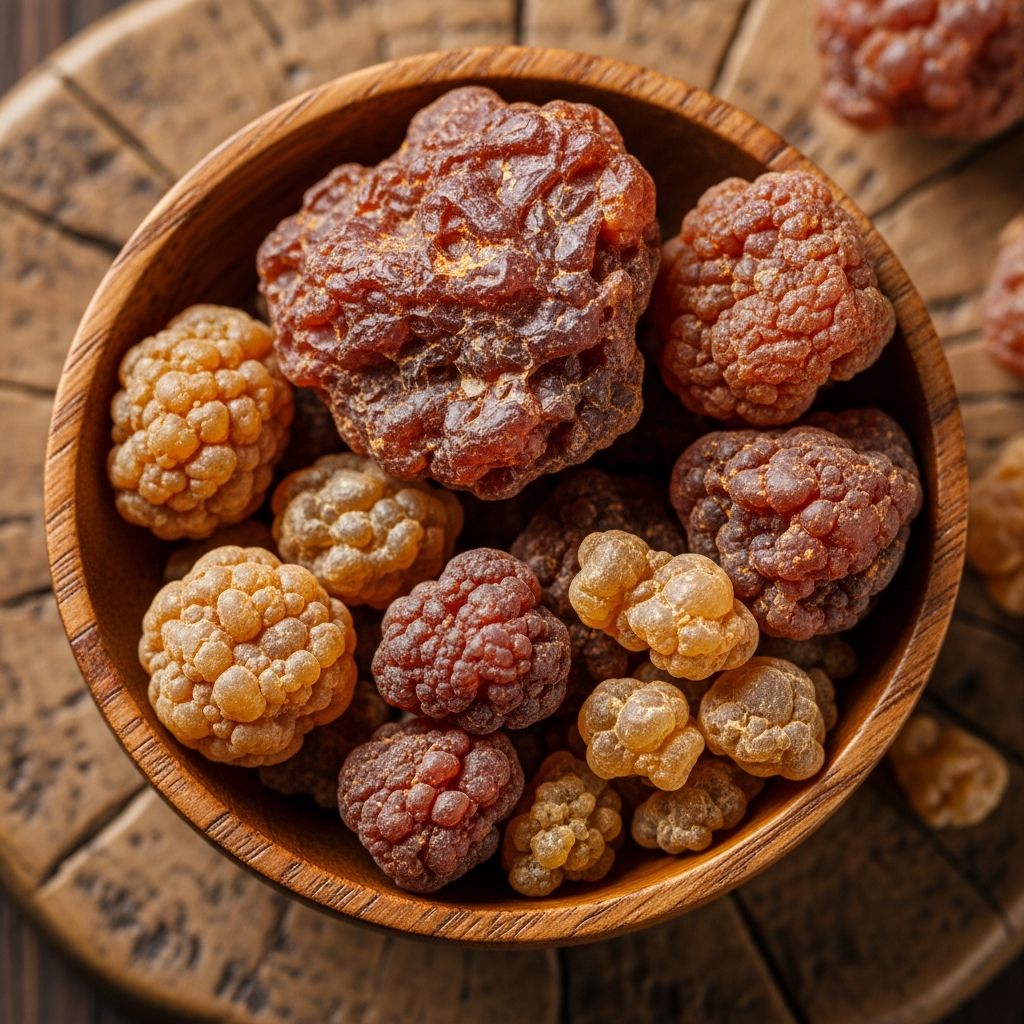
Myrrh, a fragrant resin derived from trees in the Commiphora genus native to parts of Africa and the Arabian Peninsula, has been treasured for millennia in traditional medicine, religious rituals, and perfumery. Known scientifically as Commiphora myrrha or Commiphora molmol, myrrh exudes a golden-brown gum when the tree’s bark is cut, which hardens into brittle tears. Historically, it was one of the gifts presented to Jesus by the Magi and used by ancient Egyptians for embalming due to its preservative qualities. Today, myrrh is available as resin, powder, tincture, oil, or in supplements, capsules, and topical products. While promising research highlights its antimicrobial, anti-inflammatory, and antioxidant properties, most evidence comes from test-tube, animal, or small human studies, warranting caution and consultation with healthcare providers before use.
What Is Myrrh?
Myrrh originates from thorny trees in the Burseraceae family, primarily Commiphora myrrha, thriving in arid regions of Somalia, Ethiopia, Yemen, and Saudi Arabia. Harvesting involves slashing the bark, allowing sap to ooze and solidify into resin beads over weeks. This resin contains bioactive compounds like sesquiterpenes (e.g., furanoeudesma-1,3-diene), sterols, and polysaccharides responsible for its therapeutic potential. Traditionally, myrrh featured in Ayurvedic, Traditional Chinese, and Middle Eastern medicine for treating wounds, digestive issues, and infections. In modern contexts, it’s incorporated into mouthwashes, ointments, and incense. The essential oil, steam-distilled from the resin, is more concentrated and potent but requires dilution for safe topical or aromatic use. Quality varies; opt for pure, therapeutic-grade products from reputable sources to avoid adulteration.
5 Potential Health Benefits of Myrrh
Emerging research suggests myrrh may offer several health benefits, primarily due to its antimicrobial, anti-inflammatory, and antioxidant compounds. However, human clinical trials are limited, and results are not conclusive.
1. May Fight Infections
Myrrh exhibits strong antimicrobial activity against bacteria, fungi, and parasites. Test-tube studies show myrrh oil effectively combats drug-resistant bacteria like Staphylococcus aureus and E. coli, as well as molds such as Aspergillus niger and A. flavus. Burning myrrh incense reduced airborne bacteria by 68% in one study. Animal research indicates it stimulates white blood cell production to fight infections. In Egypt, myrrh treated schistosomiasis with over 90% recovery rates. Traditionally used for coughs, sore throats, and congestion, myrrh’s sesquiterpenes disrupt microbial cell membranes, making it a natural preservative.
2. Supports Oral Health
Myrrh has been used for centuries to treat mouth sores, gingivitis, and halitosis. FDA-approved as a flavoring in oral products, myrrh mouthwashes reduced pain in 50% and healed sores in 19% of Behcet’s disease patients after one week. Its astringent and anti-inflammatory properties soothe inflamed gums and fight oral bacteria. A study in Food and Chemical Toxicology confirmed its efficacy against lead-induced oral toxicity. Incorporate via natural toothpastes or rinses for fresher breath and healthier gums, though more RCTs are needed.
3. Pain Relief
Myrrh interacts with opioid receptors in the brain to alleviate pain without sedation, blocking inflammatory chemicals like cytokines. Italian RCTs showed significant relief from headaches, joint pain, backaches, muscle aches, and dysmenorrhea. A 2017 study reported two-thirds pain reduction in tension headaches. Animal models confirm reduced swelling in arthritis. Sesquiterpenes inhibit pain pathways, positioning myrrh as a natural analgesic comparable to NSAIDs in preliminary trials.
4. Powerful Antioxidant
Antioxidants in myrrh neutralize free radicals, combating oxidative stress linked to aging, cancer, and heart disease. Test-tube studies found myrrh oil more potent than vitamin E against free radicals. In rats, it protected the liver from lead-induced damage dose-dependently. A Beni-Suef University study showed myrrh boosts liver detox proteins, reducing ammonia toxicity and free radical damage in kidneys and brain. Regular use may support cellular health, though human data is sparse.
5. May Have Anticancer Properties
Preliminary lab studies indicate myrrh inhibits growth of eight cancer cell types, particularly gynecological cancers, by disrupting cell proliferation. Combined with frankincense, it showed promise against breast cancer cells. Mechanisms include apoptosis induction and anti-angiogenesis. However, these are in vitro results; no human trials confirm efficacy, and it’s not a substitute for conventional treatments.
Related Stories



Other Possible Uses of Myrrh
- Skin Health: Accelerates wound healing, treats eczema, and soothes sores due to antimicrobial and anti-inflammatory effects.
- Digestive Aid: Eases indigestion, ulcers, spasms in IBS, and diarrhea when combined with chamomile; a trial with 1,062 patients showed results comparable to standard therapies.
- Respiratory Support: Relieves cough, asthma, and congestion via diffusion or inhalation.
- Liver Detox: Enhances detoxification enzymes, protecting against toxin buildup.
- Joints and Inflammation: Reduces rheumatoid arthritis symptoms and swelling.
How to Use Myrrh
Topical: Dilute essential oil (1-2% in carrier oil like jojoba) for skin application; test for irritation.
Oral: Use in mouthwash (few drops in water) or capsules (follow label).
Aromatic: Diffuse or burn resin for air purification and mood uplift.Ingestion: Tinctures or teas; start low (100-200mg/day).
| Method | Dosage | Uses |
|---|---|---|
| Essential Oil Topical | 1-2 drops diluted | Skin, pain |
| Mouthwash | 2-4 drops in water | Oral health |
| Capsule | 100-500mg/day | Internal support |
| Diffusion | 3-5 drops | Respiratory, mood |
Risks and Side Effects
Myrrh is generally safe topically or aromatically but risky orally in high doses: kidney irritation, heart rate changes, diarrhea. Avoid in pregnancy (stimulates uterus), breastfeeding, or with kidney disease. May interact with blood thinners or diabetes meds. Allergic rashes possible; patch test first. Not for children under 6.
Special Precautions
- Pregnant/nursing: Avoid.
- Kidney issues: Contraindicated.
- Surgery: Stop 2 weeks prior.
FAQ
Is myrrh safe to ingest?
In moderation (under supervision), yes, but high doses risk toxicity. Consult a doctor.
Can myrrh oil be applied directly to skin?
No, always dilute to prevent irritation.
Does myrrh help with digestion?
Animal and small human studies suggest yes for ulcers and IBS, but evidence is preliminary.
Is myrrh antifungal?
Yes, test-tube studies show activity against common molds.
How does myrrh relieve pain?
Via opioid receptor interaction and inflammation reduction.
References
- Myrrh: Health benefits, uses, and risks — Medical News Today. 2023-10-12. https://www.medicalnewstoday.com/articles/267107
- 11 Surprising Benefits and Uses of Myrrh Oil — Healthline. 2023-05-15. https://www.healthline.com/nutrition/myrrh-oil
- Commiphora myrrh: a phytochemical and pharmacological update — PMC (PubMed Central). 2022-11-01. https://pmc.ncbi.nlm.nih.gov/articles/PMC9672555/
- Myrrh – uses, side effects, and more — WebMD. 2024-01-10. https://www.webmd.com/vitamins/ai/ingredientmono-570/myrrh
- Myrrh’s therapeutic uses — EBSCO Research Starters. 2023-08-20. https://www.ebsco.com/research-starters/complementary-and-alternative-medicine/myrrhs-therapeutic-uses
Similar Articles








Read full bio of medha deb