NAC Supplement: Benefits, Dosage, and Side Effects
Discover the science-backed benefits of NAC supplements, from boosting antioxidants to supporting detoxification and respiratory health.
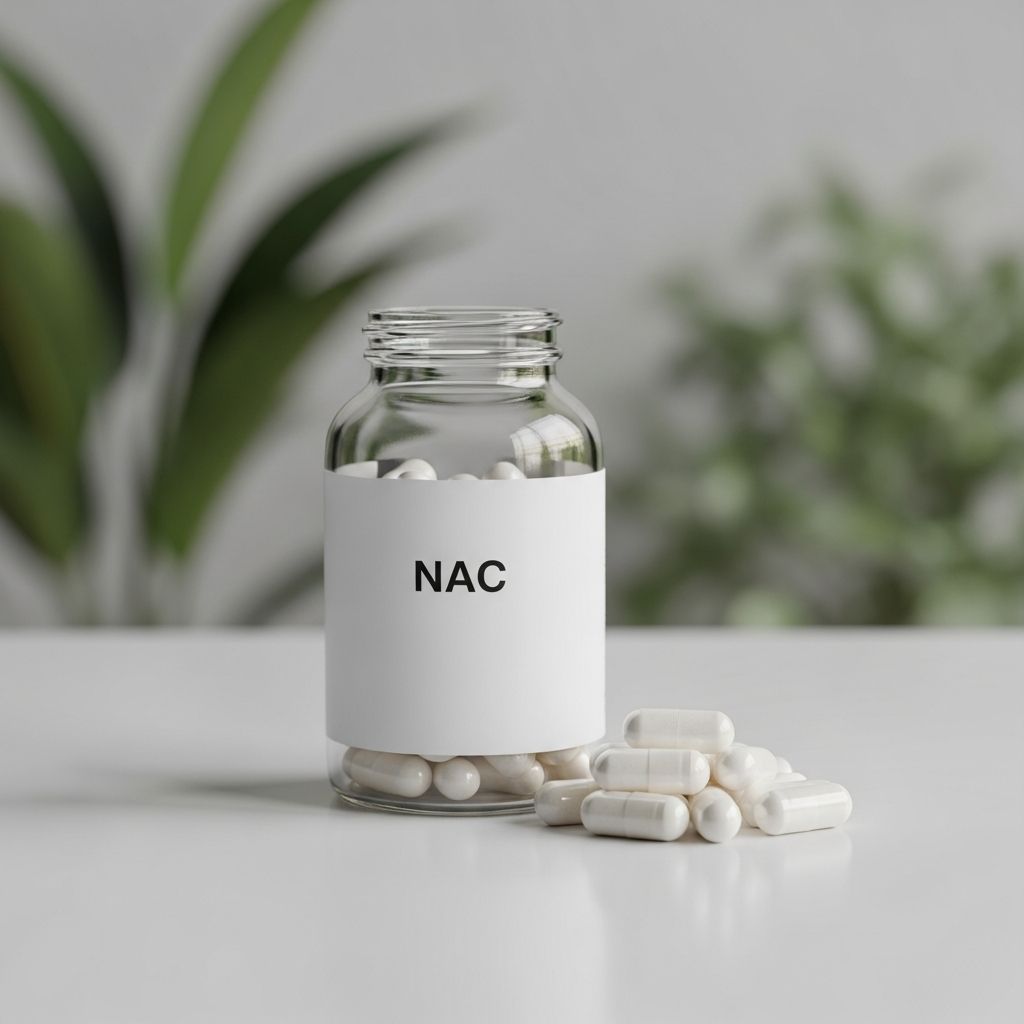
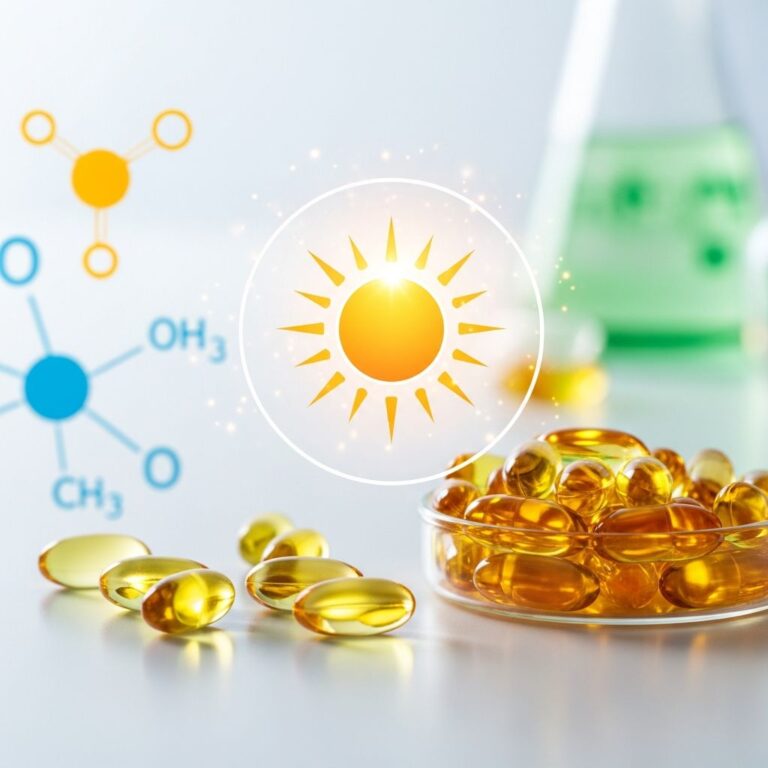
N-Acetyl Cysteine (NAC) is a supplement derived from the amino acid cysteine, widely recognized for its role in replenishing glutathione, one of the body’s most potent antioxidants. This compound supports detoxification, reduces inflammation, and may aid various health conditions, from liver protection to mental health.
What Is NAC?
NAC, or N-acetylcysteine, is the acetylated form of cysteine, a conditionally essential amino acid. It is more stable and bioavailable than cysteine alone, making it effective as a supplement. NAC primarily functions as a precursor to glutathione, helping neutralize free radicals and support cellular health. It is available over-the-counter in capsules, powders, or tablets and has been used medically since the 1960s, initially as a mucolytic agent and antidote for acetaminophen overdose.
Glutathione synthesis requires NAC along with glutamine and glycine. Low glutathione levels are linked to oxidative stress, aging, and chronic diseases. NAC boosts intracellular glutathione concentrations, aiding redox balance and reducing inflammation by modulating pathways like NF-κB.
9 Potential Health Benefits of NAC
Research highlights NAC’s multifaceted benefits, primarily through its antioxidant, anti-inflammatory, and mucolytic properties. Here are the key evidence-based advantages:
- Essential for Glutathione Production: NAC is crucial for synthesizing glutathione, which combats free radicals and supports immune function. Studies show it replenishes glutathione in conditions like oxidative stress.
- Detoxification and Liver Protection: NAC prevents kidney and liver damage from toxins, notably in acetaminophen overdose, where intravenous NAC is standard treatment. It also benefits other liver conditions via anti-inflammatory effects.
- Respiratory Health Support: As a mucolytic, NAC thins mucus, easing symptoms in chronic bronchitis, COPD, and cystic fibrosis. High doses reduce inflammation and oxidative damage in airways.
- Immune Function Enhancement: By elevating glutathione, NAC may restore immune responses in deficiency-related diseases, potentially reducing flu symptoms.
- Mental Health and Neurological Benefits: NAC regulates glutamate, aiding mood disorders, addiction withdrawal, and conditions like schizophrenia or skin-picking disorder.
- Reduces Inflammation: NAC suppresses pro-inflammatory cytokines like TNF-α, IL-6, and IL-1β, benefiting liver disease, neurodegeneration, and heart conditions.
- Blood Sugar Regulation: It improves insulin sensitivity, helping manage insulin resistance and related metabolic issues.
- Heart Health Protection: Combined with antioxidants like green tea, NAC mitigates LDL cholesterol damage, lowering cardiovascular risk.
- Fertility Improvement: NAC enhances semen quality in men and ovulation in PCOS, supporting reproductive health.
How Does NAC Work?
NAC’s efficacy stems from multiple mechanisms. It directly acts as an antioxidant but excels at increasing glutathione levels, the master antioxidant that detoxifies and protects cells. NAC also breaks disulfide bonds in mucus, improving respiratory clearance, and modulates glutamate to stabilize brain signaling. Anti-inflammatory actions involve inhibiting NF-κB, reducing cytokine production. These effects make NAC versatile for acute (e.g., overdose) and chronic (e.g., NAFLD) uses.
NAC Dosage: How Much Should You Take?
Dosage varies by purpose. For general antioxidant support, 600-1,200 mg daily is common, split into doses. Acetaminophen overdose requires IV administration under medical supervision. Respiratory conditions may use 600 mg twice daily, while mental health trials employ 1,200-2,400 mg. Start low to assess tolerance; consult a healthcare provider, especially with medications, as NAC may interact with nitroglycerin or activated charcoal.
| Condition | Typical Dosage | Frequency |
|---|---|---|
| Antioxidant Support | 600 mg | 1-2 times daily |
| Respiratory Health | 600-1,200 mg | Twice daily |
| Liver Detox | 1,200 mg | Daily, divided |
| Mental Health | 1,200-2,400 mg | Daily |
Side Effects of NAC
NAC is generally safe with a well-established profile. Common side effects include nausea, vomiting, diarrhea, and rash, often dose-dependent and mild. High doses may cause heartburn or flatulence. Rare anaphylactoid reactions occur with IV use. Oral supplements are well-tolerated; avoid if allergic to cysteine. Pregnant or breastfeeding individuals should consult doctors.
Who Should Not Take NAC?
- Those on blood thinners or seizure medications due to interactions.
- Individuals with active peptic ulcers, as NAC may exacerbate them.
- People scheduled for surgery, as it affects clotting.
Related Stories



Frequently Asked Questions (FAQs)
What is the main benefit of taking NAC?
NAC primarily replenishes glutathione, aiding detoxification, antioxidant defense, and mucus breakdown.
Does NAC reduce inflammation?
Yes, NAC lowers inflammatory markers like TNF-α and interleukins, supporting conditions like liver disease and neurodegeneration.
Should you take NAC in the morning or at night?
Timing depends on goals; morning for energy, evening for sleep support. Split doses for steady levels; follow professional advice.
Can NAC help with mental health?
Emerging evidence suggests benefits for depression, addiction, and OCD via glutamate regulation.
Is NAC safe for long-term use?
Yes, at recommended doses, with monitoring; long-term studies show good tolerability.
Precautions When Using NAC Supplements
Quality matters—choose third-party tested products. NAC’s sulfur content may cause odor. Monitor for interactions and start with 600 mg daily. Those with asthma should watch for bronchospasm with inhaled forms.
Interactions to Watch For
- Medications: May enhance nitroglycerin effects, causing hypotension.
- Charcoal: Reduces NAC absorption.
- Antibiotics: Potential chelation; space doses.
Always disclose supplements to healthcare providers.
Current Research and Future Directions
Ongoing trials explore NAC for COVID-19 recovery, neurodegeneration, and longevity via GlyNAC combinations. Homocysteine-lowering effects suggest cardiovascular benefits. While promising, more RCTs are needed for mental health and fertility claims.
References
- Top 9 Benefits of NAC (N-Acetyl Cysteine) — Healthline. 2023-05-15. https://www.healthline.com/nutrition/nac-benefits
- N-acetylcysteine (NAC): Health Benefits, Side Effects — WebMD. 2024-02-20. https://www.webmd.com/diet/health-benefits-nac
- N-Acetylcysteine (NAC): Impacts on Human Health — PubMed Central (PMC). 2021-06-15. https://pmc.ncbi.nlm.nih.gov/articles/PMC8234027/
- N-acetylcysteine: A Review of Clinical Use and Efficacy — NMI Health. 2023-08-10. https://www.nmi.health/n-acetylcysteine-a-review-of-clinical-use-and-efficacy/
- What is NAC’s Role in The Body? — Rupa Health. 2024-01-05. https://www.rupahealth.com/post/what-is-nacs-role-in-the-body
Similar Articles








Read full bio of medha deb