Naevus Anaemicus: Causes, Diagnosis, and Management
Understanding naevus anaemicus: A benign vascular condition causing pale skin patches.
What is Naevus Anaemicus?
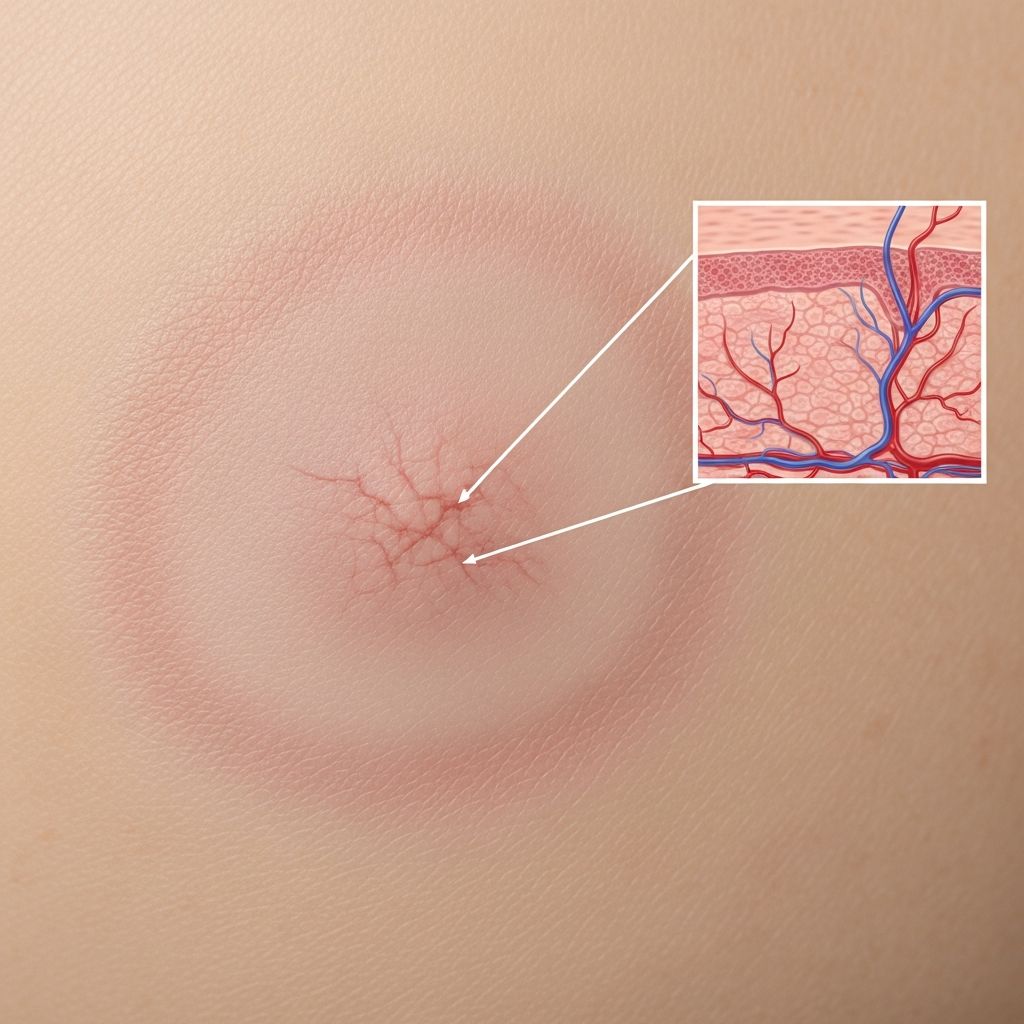
Naevus anaemicus is a congenital skin condition characterized by the appearance of pale patches or macules on the skin that are lighter than the surrounding area. Unlike other skin conditions that cause pallor through pigmentation loss, naevus anaemicus remains pale due to a functional abnormality in blood vessels rather than a structural defect. The condition typically presents as patches of varying size and shape that cannot be made red through physical trauma, cold exposure, or heat application.
This benign condition is not related to systemic anemia or blood disorders affecting the rest of the body. The paleness observed in naevus anaemicus patches results from permanent blanching caused by constricted blood vessels in the affected area. While the condition is harmless and does not pose any health risks, it may cause cosmetic concerns for some individuals, particularly when located on visible areas of the body.
Pathophysiology and Causes
The underlying mechanism of naevus anaemicus involves abnormal sensitivity of blood vessels to the body’s natural vasoconstricting chemicals. Specifically, the pale patches result from vasoconstriction, a process where blood vessels narrow and restrict blood flow to the affected area.
Catecholamine Sensitivity
The primary cause of naevus anaemicus is a localized increased sensitivity of skin blood vessels to catecholamines, which are natural hormones and neurotransmitters including adrenaline and noradrenaline. In normal skin, these circulating catecholamines trigger blood vessels to constrict through interaction with α-adrenergic receptors. However, in naevus anaemicus, the blood vessels show excessive responsiveness to these signals, resulting in persistent vasoconstriction.
Adrenergic Receptor Abnormalities
Research suggests that deficient function or increased reactivity of α-adrenergic receptors in the muscular walls of blood vessels may lead to permanent blood vessel constriction within a naevus anaemicus. These receptors, which normally respond to catecholamines in a regulated manner, appear to be dysfunctional in affected areas.
Endothelial Abnormalities
Beyond adrenergic dysfunction, some evidence suggests that an abnormality in E selectin induction—an adhesion molecule present on the endothelium (the inner lining of blood vessels)—may contribute to the condition. This molecular-level defect could further explain the vascular dysfunction observed in naevus anaemicus.
Genetic Associations
While naevus anaemicus often appears as an isolated finding, it has been linked to certain genetic syndromes. These associations include neurofibromatosis type 1 (NF1), tuberous sclerosis, and phakomatosis pigmentovascularis types II to IV. Additionally, naevus anaemicus has been documented in patients with Legius syndrome and Noonan syndrome with lentigines.
Clinical Features and Presentation
Naevus anaemicus presents with distinctive clinical characteristics that help differentiate it from other skin conditions causing pallor.
Appearance and Location
The condition manifests as pale macules or patches that are lighter than the surrounding normal skin. These lesions typically:
- Vary in size and shape
- Remain pale regardless of physical stimuli such as rubbing, heat, or cold
- Often become more noticeable when surrounding skin flushes or becomes erythematous
- Can appear anywhere on the body, though commonly on covered areas
Response to Physical Stimulation
A key diagnostic feature is that naevus anaemicus patches do not redden when rubbed, unlike the surrounding normal skin. This characteristic response helps distinguish it from other conditions. When a dermatologist performs a diascopy test—gently pressing a clear glass slide or dermatoscope onto the skin—the border between the pale patch and normal skin often becomes less distinct or disappears. This occurs because the applied pressure temporarily compresses blood vessels in normal skin, making it temporarily pale and thus indistinguishable from the naevus anaemicus patch.
Related Stories



Examination Findings
Stroking the patch does not elicit a red flare characteristic of normal skin. Importantly, examination under a Wood lamp does not emphasize the naevus anaemicus patch as a patch of vitiligo would, helping to differentiate between these conditions.
Diagnosis
Diagnosis of naevus anaemicus is primarily based on clinical characteristics and ruling out other possible causes.
Clinical Assessment
A thorough clinical examination by a dermatologist is the foundation of diagnosis. The characteristic presentation of pale patches that do not respond to trauma, heat, or cold provides strong diagnostic clues.
Histopathological Findings
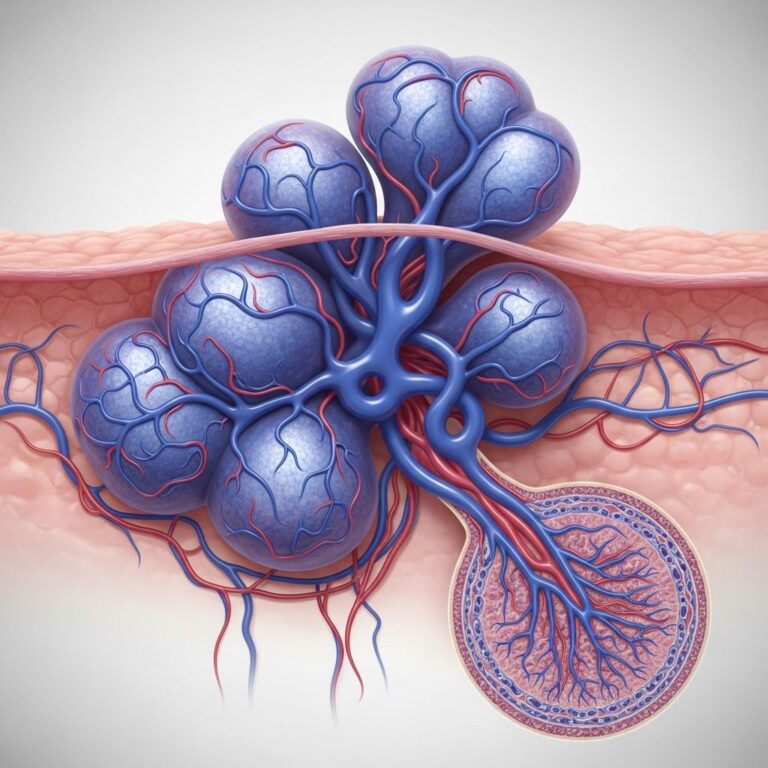
Skin biopsy results in naevus anaemicus are typically normal, as the condition is a pharmacologic nevus rather than an anatomic one. The cutaneous vasculature appears histologically normal, with no structural abnormalities visible under microscopy. This distinguishes naevus anaemicus from other vascular conditions that may show structural vessel abnormalities.
Dermoscopic Features
Dermoscopy, examination with a magnifying tool, reveals characteristic features including a lack of blood vessels at the center of the lesion with an increase in blood flow in the surrounding skin. The lesion merges with surrounding skin when viewed through a dermoscope, which can help doctors diagnose the condition earlier.
Vasodilator Response Testing
Although blood vessels within the nevus appear histologically normal, a distinctive physiological finding is that they do not respond to injection of vasodilators. This functional abnormality can be revealed only through physiological testing and not through routine histopathology.
Differential Diagnosis
Importantly, naevus anaemicus must be distinguished from other conditions causing pale skin patches, particularly vitiligo. Unlike vitiligo, naevus anaemicus has a normal amount of melanin and results from vascular dysfunction rather than pigment loss. Making the correct diagnosis is critical to prevent unnecessary treatment interventions.
Management and Treatment
The management approach for naevus anaemicus emphasizes reassurance and appropriate counseling, as the condition requires no medical intervention in most cases.
No Medical Treatment Required
Naevus anaemicus is typically asymptomatic and benign, requiring no treatment in most cases. Since the condition is a difference in how blood vessels function rather than a problem with skin pigment, it does not respond to treatments effective for other pale spots. For the majority of people, the patch is harmless and does not cause any physical symptoms.
Understanding and Reassurance
The primary approach involves understanding the condition and feeling reassured about its benign nature. A clear diagnosis from a doctor is the best first step, as it rules out other conditions that might require treatment. Educating patients about the condition and providing support for any emotional concerns related to appearance is an important component of effective management.
Cosmetic Camouflage
If the appearance of naevus anaemicus is a concern, particularly on the face or other visible areas, high-quality cosmetic camouflage makeup can be very effective. This safe, non-invasive approach helps blend the patch with surrounding skin tone without addressing the underlying vascular condition.
Ineffective Treatments to Avoid
Certain treatments commonly used for other skin conditions are not effective for naevus anaemicus and should be avoided:
- Laser therapy does not work for naevus anaemicus
- Attempting these treatments is not recommended as they will not help and can lead to unnecessary expense and potential side effects
- Other pigment-targeted treatments are ineffective due to the vascular nature of the condition
Prognosis and Long-term Outlook
The outlook for naevus anaemicus is very good. As a benign condition, it does not cause any internal health problems or develop into anything serious such as skin cancer. The condition is considered chronic, meaning it is long-lasting, but does not worsen over time or pose health risks.
Important Considerations
Not Related to Systemic Anemia
Despite its name, naevus anaemicus is not related to anemia (low blood count) affecting the rest of the body. The pallor results solely from localized vascular dysfunction in the affected skin area.
Not Contagious
Naevus anaemicus is absolutely not contagious and cannot be spread to other people or to different parts of one’s own body.
Minimal Impact on Quality of Life
For most individuals, the impact on quality of life is minimal, usually representing only a cosmetic concern. However, understanding the condition can bring significant peace of mind.
Triggers and Visibility
While there are no specific external triggers that cause naevus anaemicus to develop initially, factors like rubbing the skin, heat, or emotional flushing might make the surrounding skin redder and thus make the pale patch more visible by contrast. These factors do not cause the condition itself but may increase its apparent visibility.
Frequently Asked Questions
Q: Is naevus anaemicus dangerous?
A: No, naevus anaemicus is completely benign and does not cause any health problems or develop into serious conditions like skin cancer.
Q: Can naevus anaemicus be cured?
A: Since naevus anaemicus is a functional vascular abnormality rather than a structural defect, there is no cure. However, it requires no medical treatment as it is harmless.
Q: Why does my naevus anaemicus become more visible when my skin flushes?
A: When surrounding skin becomes flushed and erythematous, the contrast between the normal red skin and the persistently pale naevus anaemicus patch becomes more pronounced, making the patch appear more noticeable.
Q: Is naevus anaemicus congenital?
A: Yes, naevus anaemicus is a congenital disorder present from birth or becomes noticeable in early childhood. It can affect anyone regardless of background.
Q: What should I do if I think I have naevus anaemicus?
A: Consult a dermatologist for proper diagnosis. Getting a clear diagnosis from a doctor is important to rule out other conditions that might require treatment. Once confirmed as naevus anaemicus, reassurance about its benign nature is the primary management.
Q: Will laser therapy work for naevus anaemicus?
A: No, laser therapy is not effective for naevus anaemicus and is not recommended, as it will not help and can lead to unnecessary expense and potential side effects.
References
- Naevus anaemicus – DermNet — DermNet NZ. Accessed January 28, 2026. https://dermnetnz.org/topics/naevus-anaemicus
- Nevus anemicus — Wikipedia. Accessed January 28, 2026. https://en.wikipedia.org/wiki/Nevus_anemicus
- Nevus Anemicus – Symptoms, Causes & Treatment — Rash ID. Accessed January 28, 2026. https://www.rash-id.com/diseases/nevus-anemicus/21a75918-e9c4-470a-83b1-6f0e6ab28736
- Nevus Anemicus – MD Searchlight — MD Searchlight. Accessed January 28, 2026. https://mdsearchlight.com/skin-problems-and-treatments/nevus-anemicus/
- Cutaneous Vascular Anomalies – Nevus Anemicus — Perri Dermatology. April 27, 2013. https://perridermatology.com/dr-perris-blog/cutaneous-vascular-anomalies-nevus-anemicus/
- Nevus anemicus – VisualDx — VisualDx. Accessed January 28, 2026. https://see.visualdx.com/visualdx/diagnosis/?moduleId=103&diagnosisId=52024
- Nevus Anemicus – StatPearls — NCBI Bookshelf, National Institutes of Health. Accessed January 28, 2026. https://www.ncbi.nlm.nih.gov/books/NBK459139/
Similar Articles








Read full bio of medha deb