Naevus Lipomatosus Superficialis: Diagnosis & Treatment Guide
Explore the rare benign skin condition featuring ectopic fat deposits in the dermis, its clinical variants, diagnosis, and management options.
What is naevus lipomatosus superficialis?
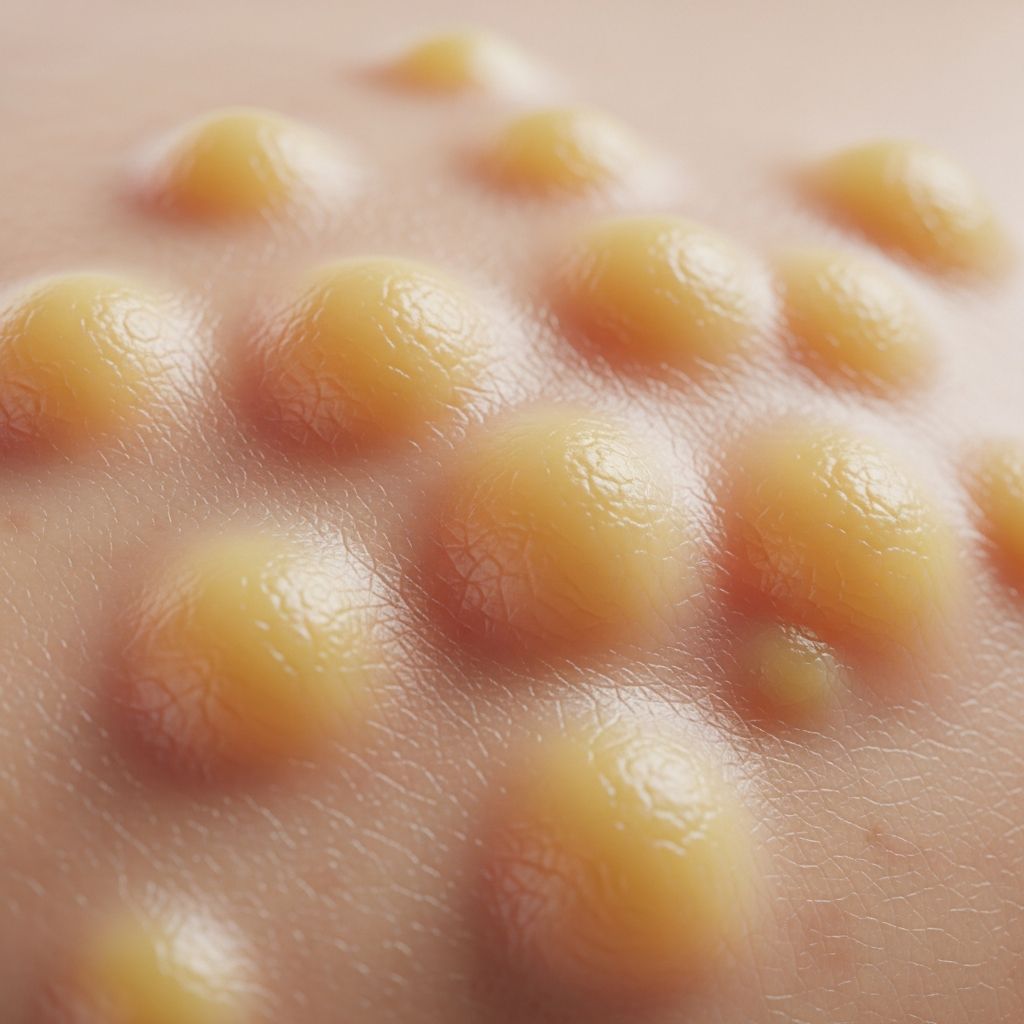
Naevus lipomatosus superficialis (NLS), also known as nevus lipomatosus cutaneous superficialis (NLCS) or nevus lipomatosis of Hoffman and Zurhelle, is a rare benign hamartoma of the skin characterized by the abnormal presence of mature ectopic adipocytes (fat cells) within the dermis, rather than their typical location in the subcutaneous tissue. This idiopathic condition typically manifests as soft, yellowish or skin-coloured papules, nodules, or plaques, most commonly on the buttocks, lower back, thighs, or pelvic girdle. NLS is usually congenital or appears in early childhood, though adult-onset cases occur, particularly in the solitary variant.
The classical form involves multiple clustered lesions arranged in linear, zosteriform (nerve distribution), or segmental patterns, while the solitary form presents as a single lesion anywhere on the body. Lesions are asymptomatic, with the primary concern being cosmetic disfigurement, though rare complications like ulceration or necrosis can arise from trauma or vascular compression. Histopathology is diagnostic, revealing adipocytes interspersed among dermal collagen bundles, often around vessels or adnexa. NLS is not associated with systemic implications or malignant potential, distinguishing it from other adipose tumours.
Prevalence is low, with fewer than 100 cases reported in literature, underscoring its rarity and frequent misdiagnosis as fibromas, hemangiomas, or other nevi. Early recognition aids in appropriate management, primarily surgical excision for cosmesis.
Who gets naevus lipomatosus superficialis?
Naevus lipomatosus superficialis predominantly affects individuals in the first three decades of life, with up to 20% of cases congenital and many appearing by age 20. There is no strong sex predilection, though some reports note a slight male bias. The classical multiple form is more common in children and follows sites of persistent embryonic fat pads, such as the pelvic girdle.
- Age: Congenital (2/3 cases) or childhood-onset; solitary type often in adults.
- Sites: Pelvic girdle (buttocks, lower back, upper thighs, lumbar/sacral) in 90% of classical cases; rarely scalp, face, neck, abdomen, genitalia, or extremities.
- Distribution: Zosteriform or linear along skin folds in classical type.
Risk factors are unknown, but intrauterine pressure on pelvic fat pads may predispose certain sites. No familial patterns or genetic associations are established.
What causes naevus lipomatosus superficialis?
The aetiology of naevus lipomatosus superficialis remains unknown, classified as an idiopathic hamartoma. Theories propose ectopic adipocytes derive from dermal pericytes mimicking embryonic lipogenesis or from precursor cells in dermal vasculature.
- Pericyte origin: Adipocytes form around blood vessels, suggesting vascular-dermal interaction.
- Mechanical factors: Compression in pelvic girdle during fetal development may trap adipocytes superficially.
- No genetic mutations identified; not linked to syndromes.
Unlike lipomas, NLS fat is dermal, not subcutaneous, highlighting its hamartomatous nature.
What are the clinical features of naevus lipomatosus superficialis?
Lesions are soft, dome-shaped or cerebriform (brain-like wrinkled surface), yellow to skin-coloured, and range from 2-15 mm, often coalescing into plaques up to 10-12 cm.
Classical (multiple) type
Clusters of sessile or pedunculated papules/nodules in zosteriform pattern on buttocks/thighs/lower back. Surface smooth, wrinkled, or verrucous; may have comedo plugs, hypertrichosis, or peau d’orange texture. Slow-growing, asymptomatic.
Related Stories



Solitary type
Single subcutaneous nodule, often on trunk/extremities, appearing later in life.
Rare features: Ulceration/necrosis (from ischemia/trauma), foul discharge, café-au-lait macules, leukoderma. No pain, itch, or systemic symptoms.
| Feature | Classical Type | Solitary Type |
|---|---|---|
| Number | Multiple clusters | Single |
| Onset | Congenital/childhood | Adulthood |
| Sites | Buttocks/thighs | Anywhere |
| Size | Papules to plaques | Nodule 1-3 cm |
Pathology of naevus lipomatosus superficialis
Biopsy shows 10-50% dermis replaced by mature adipocytes in clusters between collagen bundles, around vessels/eccrine glands.
- Dermis: Ectopic lipocytes, perivascular spindled cells, fibrosis.
- Epidermis: Acanthosis, hyperkeratosis, rete elongation.
- Adnexa: Perifollicular fibrosis; no subcutaneous extension.
Immunohistochemistry: Adipocytes S100+, pericytes CD34+.
Diagnosis of naevus lipomatosus superficialis
Clinical suspicion confirmed by biopsy; no imaging needed.
Differential diagnosis
| Condition | Key Distinctions |
|---|---|
| Acrochordon/fibroepithelial polyp | Pedunculated, no fat on biopsy |
| Neurofibroma | S100+ spindled cells, no adipocytes |
| Seborrhoeic keratosis | Stuck-on, hyperkeratotic |
| Lymphangioma/hemangioma | Vascular channels |
| Focal dermal hypoplasia | Syndromic, atrophic |
| Lipoma | Subcutaneous, not dermal |
Treatment of naevus lipomatosus superficialis
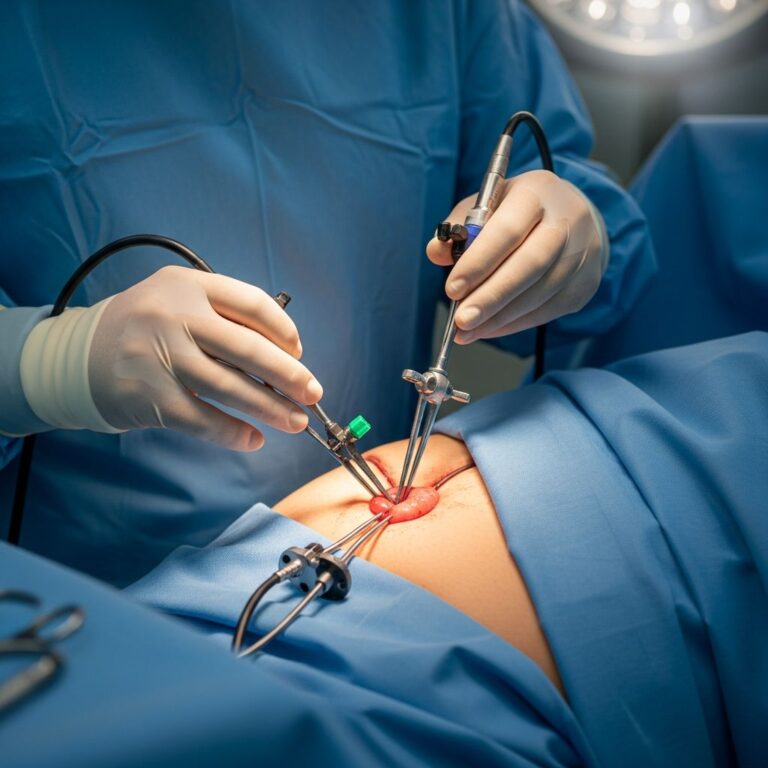
Observation for asymptomatic cases; surgery for cosmesis or complications.
- Excision: Simple/shave for small lesions; wide for plaques.
- Laser: CO2 for superficial; recurrence possible.
- Other: Cryotherapy unproven; no medical therapy.
Recurrence rare post-excision; no malignancy risk.
Frequently asked questions (FAQs) about naevus lipomatosus superficialis
What is naevus lipomatosus superficialis?
A rare benign skin hamartoma with dermal fat deposits, presenting as soft yellow papules/plaques on buttocks/thighs.
Is naevus lipomatosus superficialis cancerous?
No, it is entirely benign with no malignant potential.
Does naevus lipomatosus superficialis hurt?
Usually asymptomatic; rare pain/ulceration from trauma.
How is naevus lipomatosus superficialis diagnosed?
Skin biopsy showing ectopic dermal adipocytes.
Can naevus lipomatosus superficialis be removed?
Yes, surgical excision is curative for cosmesis.
Is naevus lipomatosus superficialis hereditary?
No known genetic link; sporadic.
References
- Nevus lipomatosus superficialis — Wikipedia. 2023. https://en.wikipedia.org/wiki/Nevus_lipomatosus_superficialis
- Naevus lipomatosus superficialis — DermNet NZ. 2023. https://dermnetnz.org/topics/naevus-lipomatosus-superficialis
- Nevus Lipomatosus Superficialis — Dermatology Advisor. 2024. https://www.dermatologyadvisor.com/home/decision-support-in-medicine/dermatology/nevus-lipomatosus-superficialis/
- Nevus Lipomatosus Cutaneous Superficialis: A Rare Case — PMC (NCBI). 2014-04-01. https://pmc.ncbi.nlm.nih.gov/articles/PMC4027012/
- Nevus lipomatosus superficialis — VisualDx. 2024. https://www.visualdx.com/visualdx/diagnosis/nevus+lipomatosus+superficialis?diagnosisId=53380&moduleId=102
- Nevus lipomatosus cutaneous superficialis: case report — Egyptian Journal of Pediatric Dermatology. 2023. https://ejpd.com/index.php/journal/article/view/2649
Similar Articles








Read full bio of medha deb