Nail Biting: Causes, Risks, and How to Stop
Discover why nail biting happens, its surprising health risks, and proven strategies to break the habit for good.
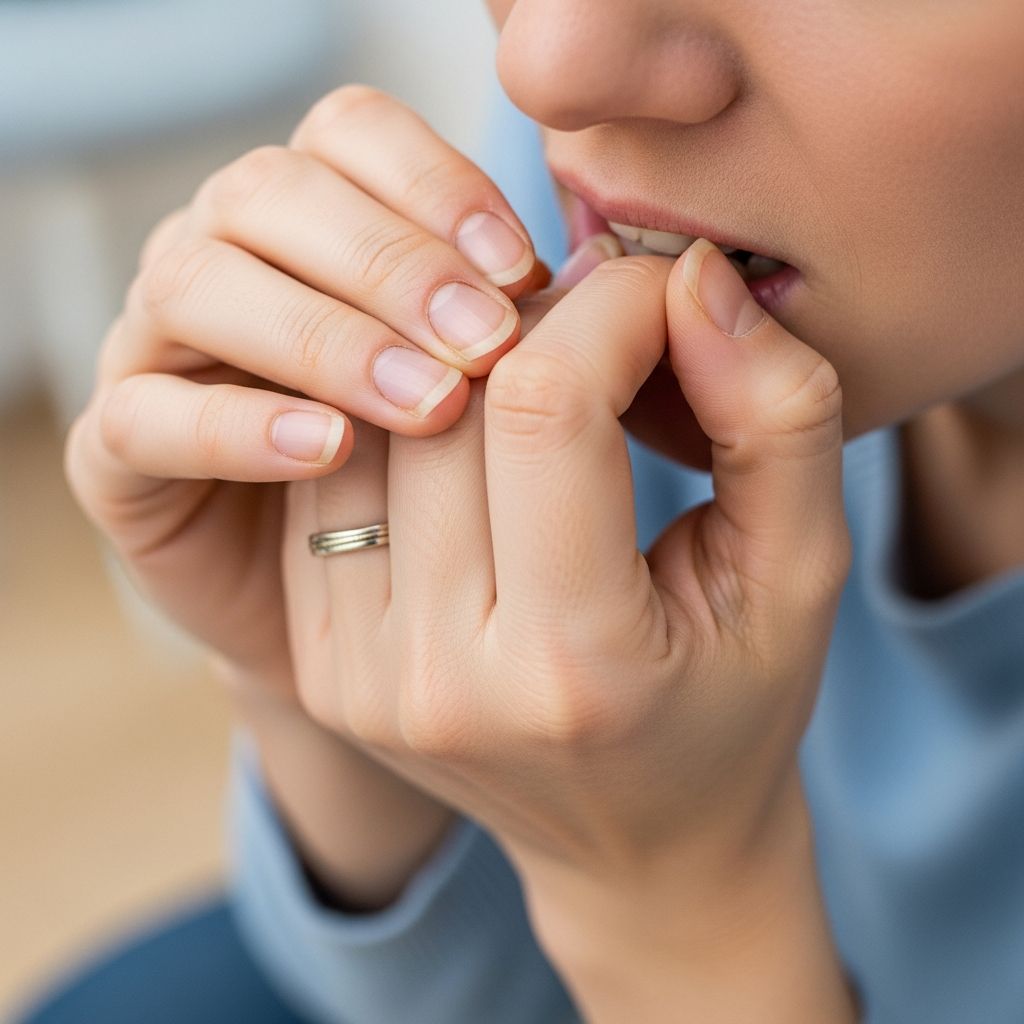
Nail biting, medically known as onychophagia, is a widespread body-focused repetitive behavior affecting up to 30% of the population, particularly children and adolescents, though it persists into adulthood for many. While often dismissed as a harmless quirk, chronic nail biting can lead to significant oral health issues, skin infections, and even psychological distress. This article examines the underlying causes, potential health consequences, and practical, evidence-based strategies to overcome the habit.
What Is Nail Biting?
Nail biting involves compulsively chewing or biting the fingernails, cuticles, or surrounding skin, often unconsciously. It qualifies as a body-focused repetitive behavior disorder (BFRBD), similar to hair pulling or skin picking. Unlike casual nibbling, pathological nail biting is frequent, intense, and difficult to control, interfering with daily life. It typically begins in childhood, with peaks around ages 7-10 and again in adolescence, and affects males and females equally in early stages but persists more in females later.
The behavior serves as a self-soothing mechanism, triggered by specific emotional or environmental cues rather than constant anxiety as once thought. Recent studies indicate it occurs more during boredom, frustration, or concentration on tasks, not high-stress social situations. Without intervention, it can evolve into a lifelong pattern, impacting appearance, health, and self-esteem.
Why Do People Bite Their Nails?
The exact causes of nail biting remain multifaceted, involving genetic, psychological, and environmental factors. Contrary to popular belief, it is not primarily an anxiety outlet; functional analyses show it peaks during low-arousal states like boredom or problem-solving.
- Stress and Emotions: Many report temporary relief from worry or excitement, using it as a coping mechanism.
- Boredom or Inactivity: It surges during idle moments or repetitive tasks, providing sensory stimulation.
- Genetics and Modeling: Family history increases risk, as children mimic parents or siblings.
- Perfectionism: Some bite to manage uneven nails, creating a cycle.
- Neurological Factors: Linked to impulse control issues in conditions like ADHD or OCD.
Triggers vary: some bite during TV watching, others while studying. Identifying personal antecedents through self-monitoring is key to management.
Health Risks of Nail Biting
Beyond aesthetics, nail biting introduces bacteria into the mouth, damages dentition, and risks skin infections. Severity correlates with frequency and force.
Dental and Oral Health Problems
Constant friction erodes enamel, chips teeth, and misaligns bites. It promotes bruxism (teeth grinding), leading to jaw pain, TMJ disorders, and gum recession. Bacteria from nails cause gingivitis, bad breath, and elevated oral Enterobacteriaceae levels. Root resorption, alveolar destruction, and orthodontic issues like gaps or malocclusions are documented in chronic cases. Forceful biting transmits stress to tooth roots, potentially requiring dental interventions.
Skin and Nail Damage
Biting tears cuticles, fostering hangnails, paronychia (bacterial/fungal infections), and ingrown nails. Exposed skin invites pathogens like E. coli and Salmonella, causing redness, pus, swelling, and pain. Severe infections may damage nail beds, halt growth, or rarely spread to bone, necessitating antibiotics or nail removal. Fungal infections discolor and thicken nails, while chronic trauma leads to abnormal shapes or separation from beds (onycholysis).
Related Stories



Infection and Illness Risks
Nails harbor germs from surfaces, transferring them to mouths and causing colds, stomach infections, or systemic illness. Children with nail biting show higher oral pathogen loads, increasing vulnerability.
Psychological and Social Impacts
It erodes self-confidence, heightens social anxiety over appearance, and signals poor impulse control. Parents of affected children often feel frustrated, exacerbating family stress.
| Risk Category | Common Issues | Potential Severity |
|---|---|---|
| Dental | Enamel wear, chipping, bruxism, TMJ | Chronic pain, costly repairs |
| Skin/Nail | Hangnails, paronychia, ingrown nails | Infection, permanent deformity |
| Infection | Bacterial/viral transfer | Illness, hospitalization (rare) |
| Psychological | Low self-esteem | Social withdrawal |
When to See a Doctor for Nail Biting
Mild cases are cosmetic, but seek care for infections, dental pain, or inability to quit. Warning signs include bleeding/swelling around nails, discoloration, curled/stopped growth, thinning/thickening, or separation. Persistent habit despite efforts warrants behavioral therapy; underlying anxiety/OCD needs mental health evaluation. Dentists should assess damage early to prevent progression.
How to Stop Nail Biting
Quitting requires addressing triggers, not willpower alone. Multicomponent approaches yield best results, combining awareness, substitution, and reinforcement. Punishment fails; education and consistency succeed.
Behavioral Strategies
- Habit Reversal Training (HRT): Gold standard; includes awareness training (tracking episodes), competing responses (fist clenching), and social support. Proven effective in trials.
- Stimulus Control: Keep nails short professionally, apply bitter polishes (e.g., mastic gum-based), wear gloves/bandages.
- Aversive Techniques: Bad-tasting nail coatings deter biting; less effective than competing responses.
Lifestyle and Self-Help Tips
- Identify triggers via journal; use fidget toys, stress balls, or gum during high-risk times.
- Manicures incentivize maintenance; trim nails weekly.
- Mindfulness apps or CBT worksheets build awareness.
- Positive reinforcement: Reward bite-free days with treats.
Professional Treatments
For severe cases, cognitive behavioral therapy (CBT) or dialectical behavior therapy (DBT) targets roots. Medications like N-acetylcysteine (NAC) show promise for BFRBDs, but RCTs are needed. Dentists manage damage; psychologists handle comorbidities. Functional analysis tailors interventions to individual antecedents/consequences.
Prevention Tips for Nail Biting
Prevention focuses on early intervention. Educate children without shaming; model good habits. Promote alternatives like sports or hobbies for stress. Monitor during boredom-prone activities. Parental involvement boosts success; avoid nagging, which reinforces secretly.
Frequently Asked Questions (FAQs)
Is nail biting a sign of anxiety?
Not always; it often occurs during boredom or focus, though stress can trigger it. Recent studies refute pure anxiety theory.
Can nail biting damage teeth permanently?
Yes, causing enamel loss, chips, misalignment, and gum disease. Early dental check-ups mitigate risks.
How long does it take to stop nail biting?
Varies; HRT shows results in 4-8 weeks with consistency. Relapses common; persistence key.
Are bitter nail polishes effective?
Moderately; they reduce frequency but work best with behavioral strategies.
Does nail biting affect children differently?
Temporary in most kids, but chronic cases risk infections/dental issues; educate families early.
References
- Nail Biting; Etiology, Consequences and Management — Rezaei M et al., NCBI/PMC (Nihon University Journal of Dent). 2012. https://pmc.ncbi.nlm.nih.gov/articles/PMC3556753/
- Nail Biting: Is it That Bad? — Hackensack Meridian Health. 2022-08-19. https://www.hackensackmeridianhealth.org/en/healthu/2022/08/19/nail-biting-is-it-that-bad
- Why Do People Bite Their Nails? Underlying Causes and Treatments — Healthline. Recent (accessed 2026). https://www.healthline.com/health/why-do-people-bite-their-nails
- Nail-Biting (Onychophagia) — Kaiser Permanente Health Encyclopedia. Recent. https://healthy.kaiserpermanente.org/health-wellness/health-encyclopedia/he.nail-biting.tw9722spec
Similar Articles








Read full bio of medha deb