Nail Clubbing: Causes, Symptoms & Treatment
Understanding nail clubbing: Learn what it is, why it happens, and when to seek medical help.
Understanding Nail Clubbing: A Sign of Underlying Health Conditions
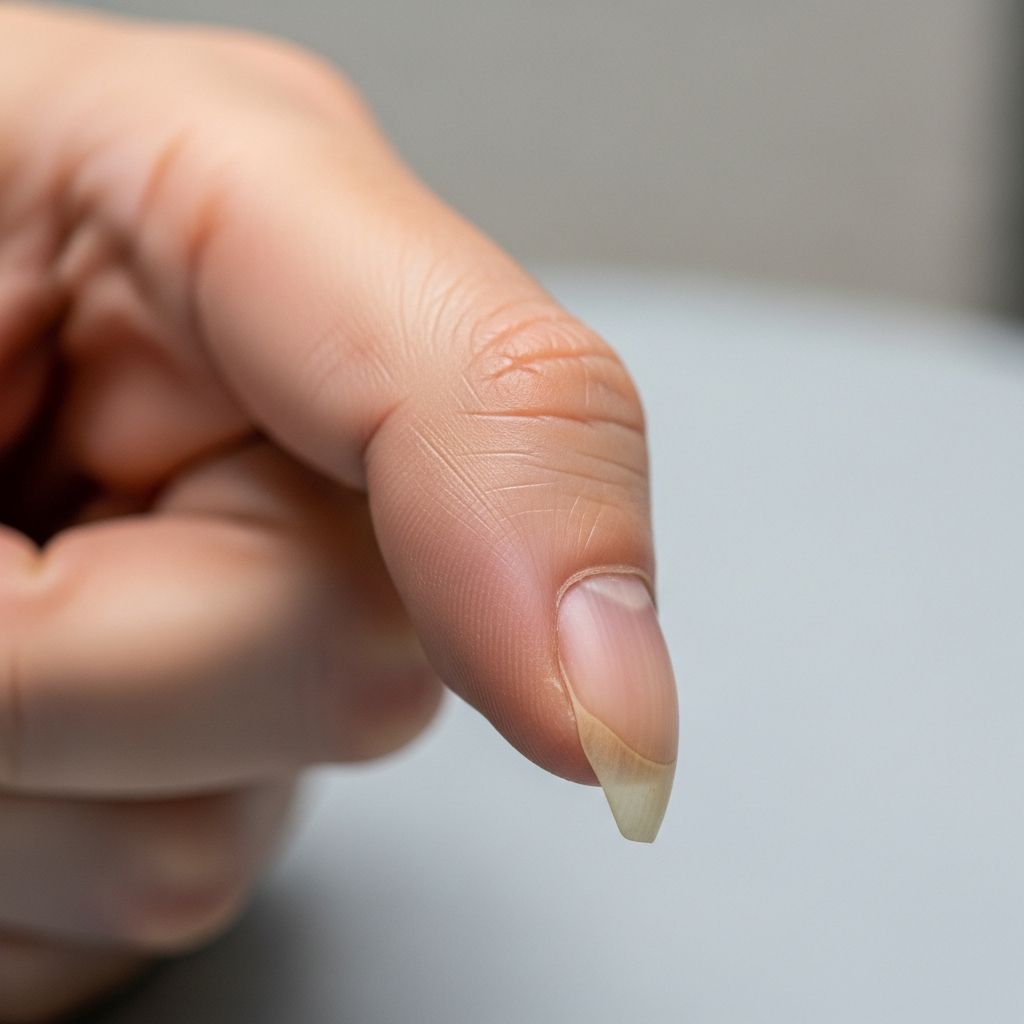
Nail clubbing is a change in the appearance and structure of your fingernails or toenails that can occur as a symptom of an underlying health condition. Your nails are a window into your overall health, and changes in their appearance should never be ignored. Nail clubbing is characterized by nails that appear wider, spongelike, or swollen, resembling an upside-down spoon when viewed from the side. While nail clubbing itself isn’t harmful and usually isn’t painful, it’s often a sign that your body is experiencing a more serious health issue that requires medical attention and proper treatment.
What Does Nail Clubbing Look Like?
Identifying nail clubbing can be challenging, especially in its early stages. Understanding the visual characteristics of clubbed nails can help you recognize this condition and seek timely medical care. Nail clubbing can affect a few of your nails or all of them, and it often starts in your thumb and forefinger before spreading to other nails.
Early signs of nail clubbing include:
– Reddening and softening of the nail bed, which is the soft skin underneath your nails- A spongy feeling when you touch your nails- A noticeable downward curve in your nails- A shiny or glossy appearance on the nail surface- Enlargement of your fingertips or the ends of your fingers- Swelling around the nail area
In the early stages, nail clubbing may be hard to spot at first. The changes often develop gradually over time, which is why many people don’t immediately notice the transformation. The most distinctive characteristic of advanced clubbing is the spoon-shaped curve at the ends of the fingers, which becomes increasingly pronounced as the condition progresses. A practical way to observe clubbing is to look at your nails from a profile or side view rather than from directly above, as the changes are much easier to discern from this angle.
What Causes Nail Clubbing?
Nail clubbing is most often associated with diseases of the heart and lungs. Understanding the underlying causes is essential for proper diagnosis and treatment. The exact mechanism behind nail clubbing isn’t completely understood, but current research suggests it may be linked to low oxygen levels in the body or excessive growth factors that encourage blood vessel development.
Major causes of nail clubbing include:
– Lung cancer- Lung infections- Interstitial lung disease- Cystic fibrosis- Cardiovascular disease- Bronchiectasis- Chronic mycobacterial or fungal infections
Additionally, nail clubbing can occur with other health conditions beyond heart and lung diseases. Some people may develop clubbing due to liver disease, kidney disease, gastrointestinal disorders, or inflammatory conditions. In rare cases, nail clubbing occurs in healthy individuals without an obvious underlying reason, though this is less common.
It’s important to note that around 80 percent of people with finger clubbing have lung cancer, making this symptom particularly significant in lung cancer diagnosis. However, clubbing can also be a harmless, hereditary trait that runs in families, so not every instance of clubbed nails indicates a serious condition. Nevertheless, any changes in nail appearance warrant a medical evaluation to rule out serious health issues.
When Does Nail Clubbing Start?
The timeline for developing nail clubbing varies depending on the underlying condition. In lung cancer cases, nail clubbing typically develops once the condition has progressed into the later stages, rather than appearing in early disease stages. Because clubbed fingers can take many years to develop, it may be hard to notice at first. This gradual development is why regular self-examination of your nails and awareness of changes is important for early detection.
Related Stories



Diagnostic Methods for Nail Clubbing
Healthcare providers use specific diagnostic methods to confirm nail clubbing and distinguish it from normal nail variations. Accurate diagnosis is crucial for identifying underlying health conditions.
Distal phalanx depth measurement: This involves measuring the depth of the digit at the nail fold compared to the depth at the distal interphalangeal joint. If the depth increases from the joint to the nail fold, clubbing is present. This measurement method has higher reproducibility and reliability than other assessment techniques.
Nail-fold angle assessment: Healthcare providers may examine the hyponychial angle, which is formed by lines drawn from the back surface of the distal interphalangeal joint to the proximal nail fold and from the proximal nail fold to the hyponychium. In normal fingers, this angle is typically a straight line at 180 degrees. An angle greater than 180 degrees suggests clubbing.
Profile view examination: The changes that define clubbing are easier to discern on profile view rather than a superior view. This simple observation technique is more practical than angle estimation for identifying clubbing.
Nail Clubbing and Hypertrophic Osteoarthropathy
Clubbing can sometimes occur as part of a syndrome called hypertrophic osteoarthropathy, a systemic condition with three main manifestations: clubbing, synovial effusions (fluid around joints), and periosteal bone formation in tubular bones including the radius, ulna, tibia, and fibula.
Hypertrophic osteoarthropathy can occur as a primary disease (a rare inherited condition) or secondary to other disease processes. Primary hypertrophic osteoarthropathy manifests with clubbing, skin changes such as progressive thickening and furrowing of skin on the forehead, and hyperhidrosis (excessive sweating). However, secondary hypertrophic osteoarthropathy is much more common, accounting for 95 to 97 percent of cases.
If leg or wrist pain with swelling is present alongside clubbing, plain radiographs with or without bone scintigraphy may be indicated to diagnose hypertrophic osteoarthropathy.
Is Nail Clubbing Reversible?
The reversibility of nail clubbing depends on the underlying cause and how quickly treatment is initiated. If clubbing is caused by a treatable health condition, treating that condition may reverse the finger clubbing. For example, if clubbing develops due to a lung infection, treating the infection could allow your nails to gradually return to normal.
However, if clubbing results from a chronic condition or cancer, it may be long-term or permanent. Nail clubbing due to lung cancer likely won’t go away, as the underlying condition is advanced and requires ongoing management. After treating the cause of nail clubbing, your nails may gradually return to normal, but nail clubbing isn’t always reversible.
Treatment Approach for Nail Clubbing
Because nail clubbing is usually a sign of an underlying health condition, healthcare providers typically direct treatment at the underlying cause rather than treating the clubbing itself. Nail clubbing alone doesn’t require specific treatment. Your doctor will focus on diagnosing and treating the cancer, lung disease, heart condition, or other underlying health issue causing the nail changes.
Your treatment plan may include:
– Medications to address the underlying condition- Surgical interventions if necessary- Lifestyle modifications- Regular monitoring and follow-up appointments
Working closely with your healthcare provider to manage the underlying condition is the most effective way to address nail clubbing.
Can Nail Clubbing Be Prevented?
There’s no known way to prevent nail clubbing itself. However, you can prevent some of the conditions that lead to nail clubbing by maintaining a healthy lifestyle and managing existing health conditions. Preventive measures include:
– Avoiding smoking and secondhand smoke exposure to reduce lung disease risk- Maintaining a healthy diet rich in nutrients- Exercising regularly to support cardiovascular health- Managing chronic conditions like heart disease and diabetes- Seeking prompt treatment for lung infections- Getting regular health screenings and check-ups
When to See a Healthcare Provider
If you notice nail clubbing or any changes in your nails, it’s essential to see a healthcare provider. Changes you should report include a downward curve in your fingernails, swelling in your fingertips, or any other alterations in nail appearance or texture. After examining your fingers, your doctor may ask about other symptoms and may order blood and lab tests to diagnose or rule out health conditions that may be causing clubbed nails.
A simple test you can perform at home is the Schamroth sign test, which helps you spot changes in your fingers. This can help you identify potential clubbing before it becomes severe.
Frequently Asked Questions
Q: Is nail clubbing always a sign of lung cancer?
A: No, while lung cancer is the most common cause, nail clubbing can result from various conditions including heart disease, liver disease, gastrointestinal disorders, and chronic lung infections. It can also be a harmless hereditary trait in some families.
Q: Can nail clubbing go away on its own?
A: Nail clubbing may reverse if the underlying condition is successfully treated and caught early. However, in cases of advanced cancer or chronic conditions, clubbing may be permanent even with treatment.
Q: How quickly does nail clubbing develop?
A: Nail clubbing typically develops gradually over months or years, which is why early detection can be difficult. The gradual nature of the changes means you might not notice them immediately.
Q: Should I be worried if I have clubbed nails?
A: You should see a healthcare provider for evaluation, but not all nail clubbing indicates a serious condition. However, getting a proper diagnosis is important to rule out underlying health issues that may require treatment.
Q: How do doctors diagnose nail clubbing?
A: Doctors use profile view examination, distal phalanx depth measurement, and nail-fold angle assessment to diagnose clubbing. They may also order blood tests and imaging studies to identify the underlying cause.
Q: Can I prevent nail clubbing?
A: While you can’t prevent clubbing itself, you can reduce your risk by avoiding smoking, maintaining a healthy lifestyle, managing chronic conditions, and getting regular health screenings.
Key Takeaways
Nail clubbing is a change in nail appearance that warrants medical evaluation. The health and appearance of your nails are indicators of your overall health, and recognizing changes early can lead to timely diagnosis and treatment of underlying conditions. If you notice your nails becoming wider, spongelike, or developing a downward curve, contact your healthcare provider. Getting treatment for the underlying cause of nail clubbing can help you live your healthiest life possible. Don’t delay seeking medical attention if you observe nail changes, as early diagnosis of serious conditions like lung cancer can significantly impact treatment outcomes.
References
- Nail Clubbing: What It Looks Like, Causes & Treatment — Cleveland Clinic. 2024. https://my.clevelandclinic.org/health/symptoms/24474-nail-clubbing
- What diagnostic tests should be done after discovering clubbing in a patient? — Cleveland Clinic Journal of Medicine. 2024. https://www.ccjm.org/content/92/5/273
- Finger Clubbing and Lung Cancer: Are Nail Changes an Early Sign? — MyLungCancerTeam. 2024. https://www.mylungcancerteam.com/resources/finger-clubbing-and-lung-cancer
Similar Articles








Read full bio of medha deb