Nail Cosmetics Allergy: 8 Common Symptoms And Treatments
Understanding allergic reactions to nail cosmetics: causes, symptoms, diagnosis, and management strategies for safer beauty practices.
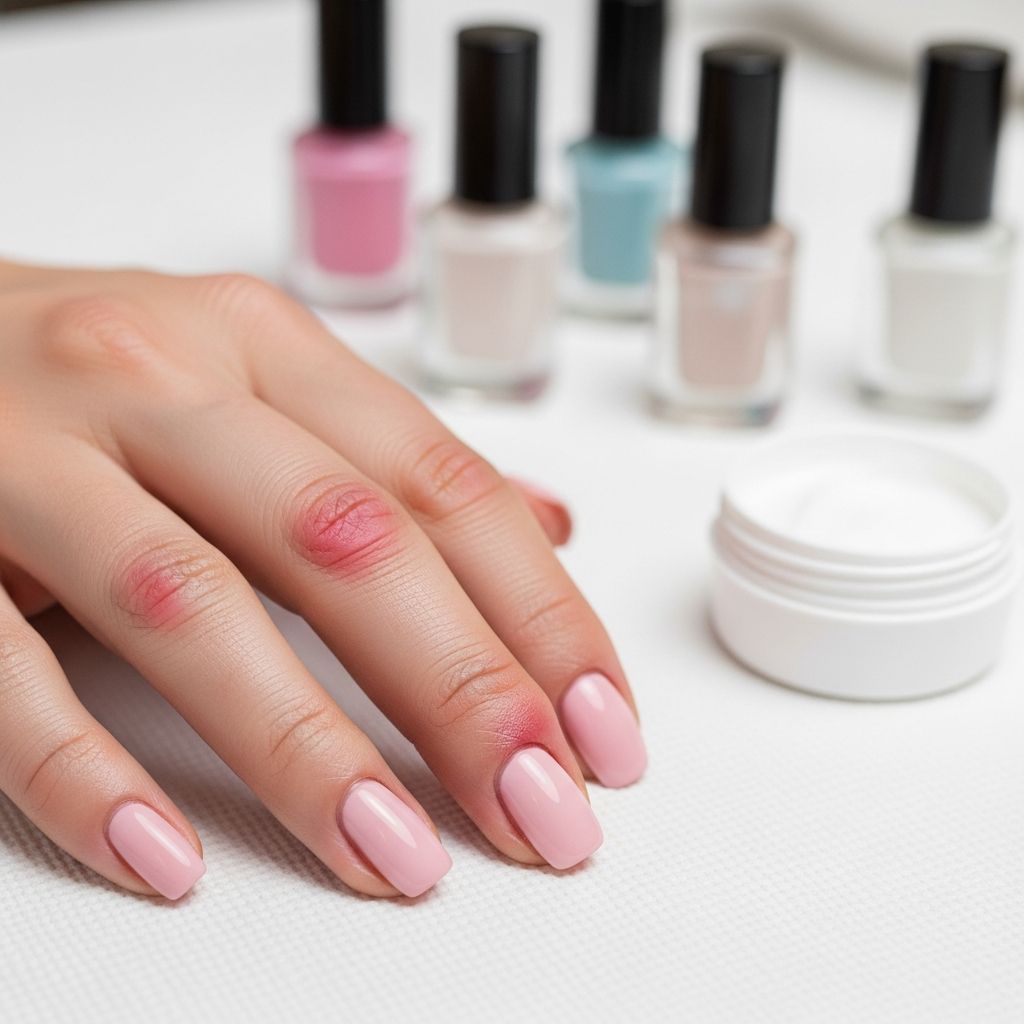
Nail cosmetics allergy refers to adverse skin reactions, primarily irritant or allergic contact dermatitis, triggered by chemicals in nail polishes, artificial nails, gels, and related products. These reactions affect both consumers and nail technicians, with acrylates being the most common culprits.
Who is at risk?
Individuals at risk for nail cosmetics allergy include frequent nail cosmetic users, such as those applying gel polishes, acrylic nails, or extensions regularly, and nail salon professionals handling these products daily. Sensitivity develops over time with repeated exposure, even in those without prior allergies.
- **Consumers**: Women and men seeking long-lasting manicures, especially with UV/LED-cured gels or acrylics.
- **Nail technicians**: Highest risk due to direct, prolonged contact with unpolymerized monomers during application and removal.
- **Sensitive skin types**: Those with history of eczema, atopy, or prior chemical sensitivities.
Reactions can occur after months or years of use, as the immune system sensitizes to low-molecular-weight allergens penetrating the skin.
What causes nail cosmetics allergy?
Nail cosmetics allergy arises from two main mechanisms: irritant contact dermatitis (non-immune, dose-dependent irritation) and allergic contact dermatitis (type IV hypersensitivity to specific haptens). Key allergens include acrylates/methacrylates in gels and acrylics, formaldehyde resins in polishes, and toluene sulfonamide in traditional nail lacquers.
Acrylates and methacrylates
These monomers (e.g., HEMA, di-HEMA, HPMA) polymerize under UV/LED light to form durable nail enhancements. Uncured residue on skin or cuticles sensitizes, causing reactions. HEMA is implicated in up to 90% of cases among affected individuals.
Formaldehyde and resins
Tosylamide/formaldehyde resin (TSFR) in nail polishes and hardeners causes classic polish allergies. Free formaldehyde in some products exacerbates this.
Other allergens
- Toluene, DBP (plasticizers)
- TPO (photoinitiators in gels)
- IBOA (isobornyl acrylate, HEMA alternatives)
“HEMA-free” products may still contain cross-reacting oligomers, perpetuating allergies.
Clinical features
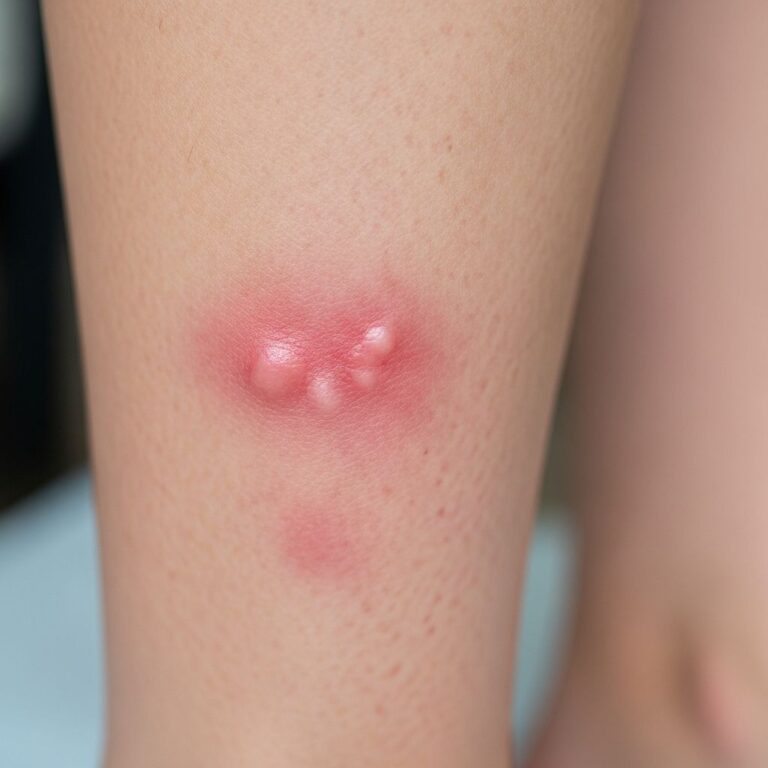
Symptoms typically appear 1-3 days post-exposure, starting periungually (around nails) and potentially spreading to hands, face, eyelids, or neck. Severity ranges from mild erythema to severe onycholysis.
| Symptom | Description | Location |
|---|---|---|
| Redness/erythema | Red, inflamed skin | Periungual, fingertips |
| Swelling (edema) | Puffy fingers or eyelids | Finger pulp, eyelids |
| Itching/pruritus | Intense itch | Hands, nails |
| Blisters/vesicles | Small fluid-filled bumps | Periungual folds |
| Onycholysis | Nail lifting from bed | Free edge of nail |
| Paronychia | Swollen nail folds | Proximal/lateral folds |
| Nail dystrophy | Thickened, ridged, discolored nails | Nail plate |
| Paresthesia | Burning/tingling (rare) | Fingertips |
In nail technicians, chronic hand dermatitis predominates; consumers may develop eyelid dermatitis from touching face with residue-coated fingers.
Diagnosis
Diagnosis combines clinical history, examination, and patch testing. History reveals temporal link to nail procedures; exam shows characteristic periungual changes.
- Patch testing: Gold standard. Baseline series plus nail cosmetics series (acrylates like HEMA 2%, MMA) applied 48 hours, read at 48-96 hours. Positive reactions confirm allergy.
- Differential diagnosis: Psoriasis, fungal infection, acute paronychia. Biopsy rarely needed.
Management
Immediate cessation of offending products is paramount. Topical corticosteroids (e.g., clobetasol 0.05% ointment) reduce inflammation; severe cases require oral prednisone or immunosuppressants.
- Stop all acrylate/gel products immediately.
- Wash affected areas with soap/water; apply emollients.
- Mild: Hydrocortisone 1% cream, antihistamines.
- Moderate-severe: Potent steroid ointment twice daily x2 weeks; monitor for nail regrowth (3-6 months).
- Technicians: Change jobs or use full PPE (nitrile gloves, ventilation).
Related Stories



Nail changes may persist months post-resolution due to matrix damage.
Prevention
Avoidance is key post-diagnosis. Cross-reactivity is high among acrylates (up to 95%).
- Strict no-touch application: Prep nails only, avoid cuticles/skin.
- Use barriers: Vaseline on skin, nitrile gloves (not latex).
- Opt for non-acrylate alternatives: Water-based polishes, breathable options.
- Technicians: Proper curing (compatible lamps), ventilation, frequent breaks.
- “Hypoallergenic” gels often ineffective; verify INCI lists.
Alternatives for allergic individuals
- Regular nail polish (check TSFR-free).
- Dip powders (non-acrylate formulas).
- Natural/organic polishes without formaldehyde.
- Short nails, no enhancements.
Frequently asked questions
What are the early signs of nail allergy?
Redness, itching, or swelling around nails 1-3 days after application.
Can nail allergies spread to the face?
Yes, eyelid or facial dermatitis from transferred residue.
Is HEMA-free gel safe?
Not always; cross-reacting chemicals may trigger reactions.
How long do symptoms last after stopping?
Weeks to months; nails regrow slowly.
Should nail techs get tested?
Yes, if hand dermatitis present; patch testing identifies allergens.
References
- Contact Dermatitis and Acrylic Nails: Causes and Solutions — Becker ENT & Allergy. 2023. https://www.beckerentandallergy.com/blog/contact-dermatitis-and-acrylic-nails
- How to recognize a nail allergy: symptoms, causes and solutions — PN Selfcare. 2024. https://pn-selfcare.com/blogs/selfcare-tips-tutorials/how-to-recognize-a-nail-allergy
- Eyelid Dermatitis Caused by Allergic Contact to Acrylates in Artificial Nails — PMC/NCBI (Peer-reviewed). 2017-05-15. https://pmc.ncbi.nlm.nih.gov/articles/PMC5452630/
- Nail Allergy Symptoms and Solutions: A Guide for Clients — Home of Nail Art. 2024. https://www.homeofnailart.com/blogs/knowledge-hub/what-to-do-if-you-get-a-nail-allergy
- Nail Polish Allergy Symptoms & Treatment — St. Louis Allergy & Asthma. 2023. https://stlouisallergyasthma.com/nail-polish-allergy/
Similar Articles








Read full bio of Sneha Tete