Nail Disorders: A Guide To Causes, Symptoms, And Treatments
Comprehensive guide to nail disorders: causes, symptoms, diagnosis, and treatments for common and rare nail conditions.
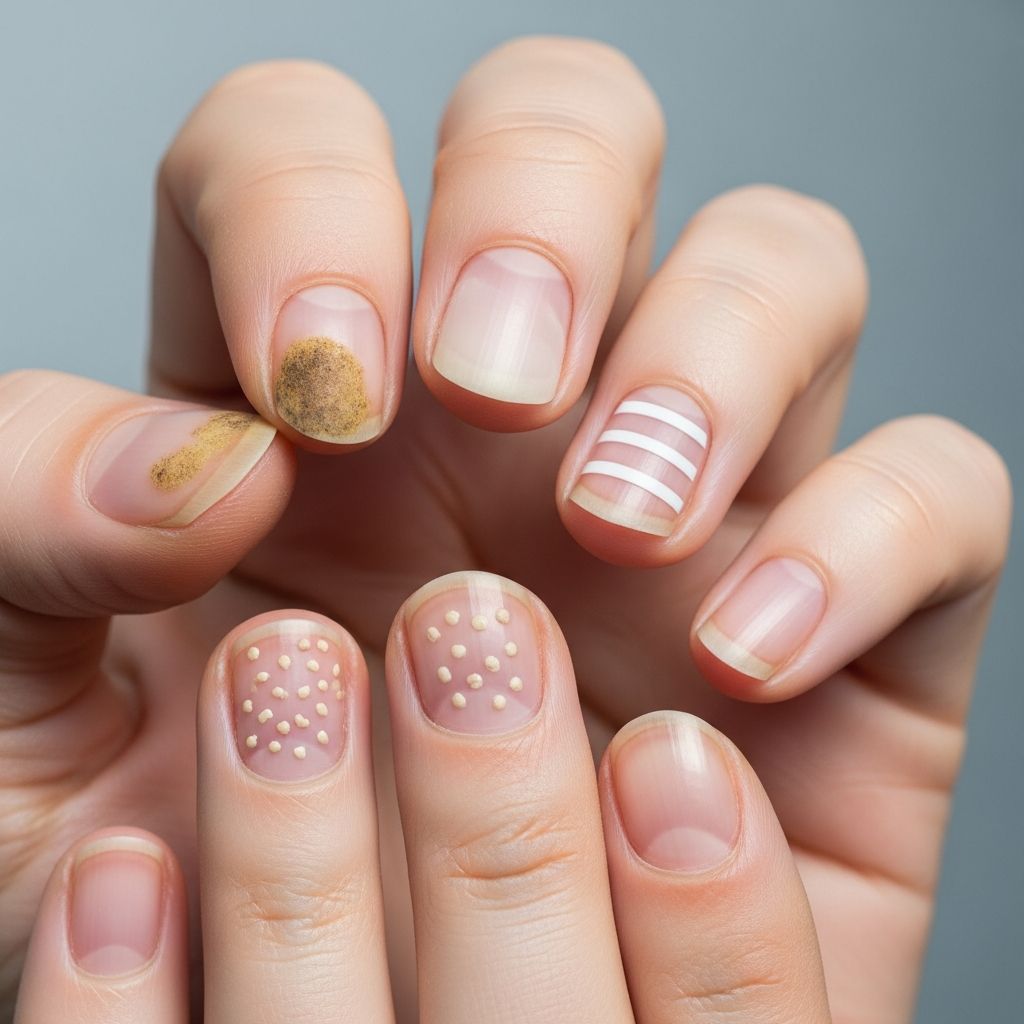
Nail disorders encompass a wide range of conditions affecting the nails’ appearance, structure, and function, often reflecting underlying systemic or local issues. These abnormalities can cause cosmetic concerns, pain, and functional impairment, impacting daily activities like gripping objects or walking.
What are nail disorders?
The nails, composed of the nail plate, matrix, bed, folds, and hyponychium, serve as protective barriers and indicators of health. Disorders arise from infections, inflammatory diseases, trauma, drugs, or genetics, manifesting as discoloration, shape changes, brittleness, or loss. Over 50% of nail diseases stem from fungal infections (onychomycosis), with prevalence around 5.5% globally. Early recognition is crucial as many conditions are treatable, preventing complications like secondary infections or permanent damage.
Who gets nail disorders?
Nail disorders affect all ages but are more prevalent in adults, particularly older individuals due to cumulative trauma, reduced immunity, and polypharmacy. Risk factors include diabetes, immunosuppression, occupational exposure (e.g., wet work), poor hygiene, and family history. Fungal infections favor toenails in moist environments, while psoriasis impacts 10-50% of psoriatic patients. Drug-induced changes are common in chemotherapy recipients and the elderly on multiple medications.
Causes
Nail disorders result from diverse etiologies:
- Infectious: Dermatophytes (e.g., Trichophyton), yeasts (Candida), molds.
- Inflammatory: Psoriasis, lichen planus, eczema.
- Traumatic: Repetitive injury, habit-tic deformity.
- Drug-induced: Chemotherapy, retinoids, antibiotics.
- Systemic: Anemia, thyroid disease, connective tissue disorders.
- Congenital: Dyskeratosis congenita, malalignment.
Biofilms in fungal cases contribute to resistance, while psoriasis involves immune dysregulation in nail matrix and bed.
Clinical features
Symptoms vary by disorder but commonly include discoloration, thickening, pain, and deformity. Key features by category:
Abnormalities of the nail plate surface
- Pitting: Pinpoint depressions from psoriasis or eczema.
- Ridging: Transverse (Beau lines from systemic illness) or longitudinal (onychorrhexis from aging, lichen planus).
- Trachyonychia: Rough, sandpaper-like nails in 20-nail dystrophy or lichen planus.
Nail plate shape abnormalities
- Onychogryphosis: Ram’s horn-like thickening from psoriasis or neglect.
- Onychauxis: Diffuse hypertrophy.
- Clubbing: Bulbous enlargement in cardiopulmonary disease.
Nail plate discoloration
| Color | Associated Conditions |
|---|---|
| White (leukonychia) | Muehrcke lines (chemotherapy), trauma |
| Yellow/Brown | Onychomycosis, psoriasis (oil drop), photo-onycholysis |
| Green/Black | Pseudomonas, melanoma |
| Brown/Black longitudinal | Melanonychia, subungual hematoma |
Nail fold and cuticle changes
- Paronychia: Red, swollen folds from infection or irritation.
- Pyogenic granuloma: Vascular nodules from trauma or drugs.
- Telangiectasia: In lupus or dermatomyositis.
Nail loss and onycholysis
Onycholysis (nail lifting) from psoriasis, fungi, or drugs; complete loss in severe lichen planus or tumors.
Specific Nail Disorders
Fungal Nail Infections (Onychomycosis)
Most common nail disorder, affecting toenails primarily. Clinical types: distal lateral subungual (DLSO), proximal subungual (PSO), superficial white (SWO), total dystrophic. Features: thickening, hyperkeratosis, odor. Dermoscopy shows streaks, scales. Complications: pain, cellulitis in diabetics.
Nail Psoriasis
Affects 10-55% of psoriasis patients, causing pitting, onycholysis, oil drops, salmon patches, subungual hyperkeratosis, splinter hemorrhages. Leads to pain and dexterity issues. Nail fold changes less common than in eczema.
Drug-Induced Nail Disease
Medications damage matrix (Beau lines, thinning), bed (onycholysis), folds (paronychia), or vessels (hemorrhages). Common culprits: taxanes, EGFR inhibitors, tetracyclines (photo-onycholysis), psoralens. Dose-dependent, resolves post-discontinuation in most cases.
Related Stories



Other Disorders
- Clubbing: Soft tissue hypertrophy under proximal nail, associated with lung cancer, IBD.
- Habit-tic: Proximal transverse grooves from picking.
- Dyskeratosis Congenita: Ridged, atrophic nails with leukoplakia.
Diagnosis
Clinical exam is primary, aided by dermoscopy (e.g., fungal spikes, psoriasis crumbling). Confirm with microscopy/KOH, culture, biopsy (PAS stain for fungi), or blood tests for systemic causes. History of drugs, trauma, occupation essential. Differential includes trauma, tumors (melanoma: irregular bands), infections.
Treatment
Tailored to cause:
- Fungal: Oral terbinafine/itraconazole (12 weeks fingernails, 3-6 months toenails); topicals for mild cases.
- Psoriasis: Topical steroids/calcipotriol, systemic biologics for severe.
- Drug-induced: Discontinue offender; supportive (trimming, protect).
- Paronychia: Soaks, topicals, treat underlying irritants.
Severe cases may need laser, surgery, or avulsion.
Prevention
- Keep nails dry, trimmed short.
- Avoid sharing tools; wear protective footwear.
- Moisturize cuticles; sunscreen for photo-onycholysis risk.
- Manage comorbidities like diabetes.
Outcome
Prognosis varies: fungal cures 70-80% with orals but recurs 20-50%; psoriasis chronic but controllable; drug-induced often resolves in months-years. Permanent changes possible in matrix scarring.
Frequently Asked Questions (FAQs)
What causes yellow thickened toenails?
Primarily fungal onychomycosis, also psoriasis or trauma. Confirm with lab tests.
Can nail psoriasis be cured?
Not cured but managed effectively with topicals and systemic therapies to minimize symptoms.
Do drug-induced nail changes go away?
Most improve after stopping the drug, though full recovery may take months to years due to slow nail growth.
How to prevent fungal nail infections?
Keep feet dry, wear breathable shoes, avoid walking barefoot in public areas, treat athlete’s foot promptly.
When should I see a doctor for nail changes?
If painful, spreading, associated with swelling, or sudden changes like dark bands (possible melanoma).
References
- Fungal Nail Infections (Onychomycosis) — DermNet NZ. 2023-06-15. https://dermnetnz.org/topics/fungal-nail-infections
- Nail Psoriasis — DermNet NZ. 2023-08-22. https://dermnetnz.org/topics/nail-psoriasis
- Drug-induced Nail Disease — DermNet NZ. 2023-05-10. https://dermnetnz.org/topics/drug-induced-nail-disease
- Nail Terminology — DermNet NZ. 2023-07-01. https://dermnetnz.org/topics/nail-terminology
- Nail Disorders — DermNet NZ. 2023-04-20. https://dermnetnz.org/topics/nail-disorders
Similar Articles








Read full bio of Sneha Tete