Nail Health: 7 Common Issues And Essential Care Tips
Discover how nail changes signal health issues, from infections to systemic diseases, and learn expert tips for strong, healthy nails.
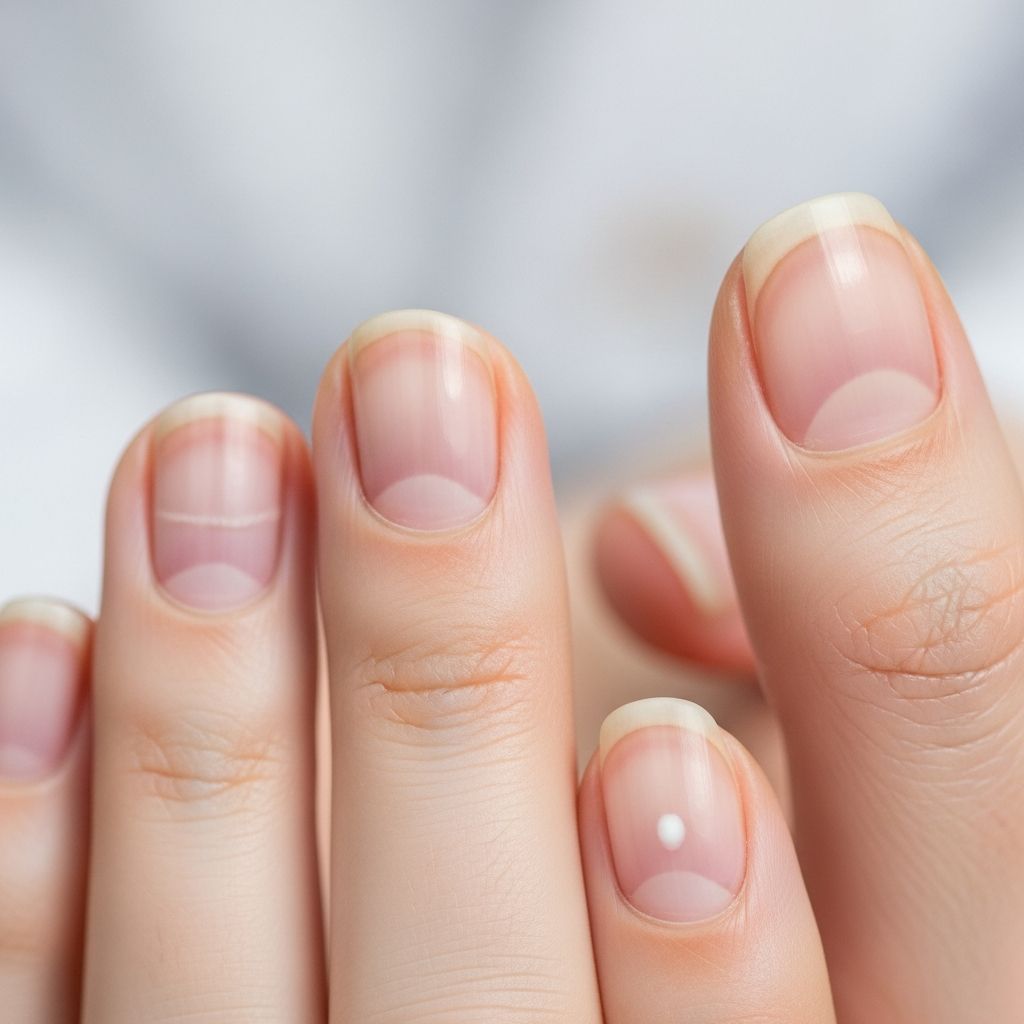
Healthy nails are smooth, uniformly shaped, shiny, with a pink nail bed, visible white lunula at the base, and a clean white margin beyond the fingertip. Changes in color, texture, or shape can signal underlying health issues, from nutritional deficiencies to systemic diseases like diabetes or psoriasis.
What Healthy Nails Look Like
Healthy nails serve both functional and cosmetic roles, protecting fingertips and reflecting overall well-being. They grow from the nail matrix, a sensitive area producing new cells, and typically exhibit uniform size and shape, a smooth shiny surface, pink underlying skin, a visible half-moon lunula, and a free edge past the fingertip. Women often prioritize nail appearance, driving a booming cosmetics market, but maintaining true health requires understanding composition and risks.
Nails consist primarily of keratin, with layers including the nail plate, matrix, bed, and surrounding structures like cuticles. Proper care prevents disorders, while aging or environmental factors can alter growth and strength.
Common Nail Problems and What They Mean
Nail abnormalities often mirror internal health, acting as early warning signs. Persistent changes warrant professional evaluation to rule out serious conditions.
Nail Psoriasis
Affecting about 50% of psoriasis patients, nail psoriasis impacts fingernails or toenails with symptoms like pitting (tiny dents), discoloration (white, yellow, brown), crumbling, separation (onycholysis), blood spots, thickening, debris buildup, ridges, and tenderness. This autoimmune condition disrupts nail growth; treatments include topical steroids, systemic medications, or phototherapy per the National Psoriasis Foundation.
Brittle or Splitting Nails (Onychoschizia)
Onychoschizia causes nails to become thin, soft, brittle, or splitting, more common in women due to factors like repeated wetting/drying, low humidity, nail polish overuse, detergents, aging, or deficiencies in iron, zinc, or selenium. Brittle nails also link to thyroid issues or harsh chemical exposure. Treatments involve moisturizing with oils, avoiding irritants, supplements like biotin (showing 25% thickness increase in studies), and protective gloves.
Fungal Nail Infections (Onychomycosis)
Fungal infections enter via cracks, causing yellow/white/brown discoloration, thickening, cracking, and fragility, often worsened by diabetes, weak immunity, poor circulation, or athlete’s foot. Green nail syndrome from Pseudomonas is colonization, not true infection, linked to chronic paronychia or water exposure. Oral antifungals, topicals, or nail removal treat severe cases; prevention includes dry feet and proper footwear.
Onycholysis (Nail Separation)
Nail lifts from the bed, showing white areas that may turn green/yellow if infected, caused by fungus, psoriasis, trauma from manicures, iron deficiency, hyperthyroidism, or water immersion. Keep the area dry, trim separated portions, and address underlying causes.
Yellow Nails
Yellowing with thickening and slow growth signals fungal infections, yellow nail syndrome, respiratory issues, or thyroid disease. Seek assessment for root causes beyond cosmetics.
White Spots (Leukonychia)
Small white marks usually stem from minor trauma but may indicate zinc deficiency if persistent.
Other Signs
- Ridges: Vertical from aging; horizontal (Beau’s lines) from illness or trauma.
- Thickening/Discoloration: Linked to anemia, diabetes, cardiovascular disease, or cancer.
- Dark Lines: Possible melanoma; urgent evaluation needed.
Related Stories



How to Keep Your Nails Healthy
The American Academy of Dermatology (AAD) outlines key practices: keep nails clean/dry, cut straight across, file snags, avoid biting/using as tools, trim regularly, wear fitted shoes, use flip-flops in public areas, and never pull hangnails.
Daily Care Routine
- Moisturize nails and cuticles with oils or creams to combat brittleness.
- Limit polish/remover use; opt for gentle, non-toxic products.
- Wear gloves for chores to shield from water/chemicals.
- Maintain short nails to reduce breakage risk.
Diet and Supplements
A balanced diet with biotin, iron, zinc, and selenium supports nail strength. Biotin supplementation improved thickness by 25% in women over 6-9 months, though not universally effective. Stay hydrated and manage stress, as it exacerbates issues.
Nail Salon Safety
Salon workers face risks from chemicals and infections; clients should ensure sterilized tools to avoid fungal spread or trauma.
Aging and Nails
Aging slows growth, causes brittleness, ridges, and discoloration. Biotin may help, but prevent by minimizing trauma and maintaining hydration.
Nail Cosmetics: Benefits and Risks
Nail products enhance appearance but risk allergic reactions, infections, or weakening from solvents. Prolonged acrylic use leads to pterygium or onycholysis; choose quality products and allow breathers.
Warning Signs to See a Doctor
| Sign | Possible Cause | Action |
|---|---|---|
| Painful/swollen nails | Infection, paronychia | Seek doctor promptly |
| Sudden changes | Systemic disease | Dermatologist evaluation |
| Dark streaks | Melanoma risk | Immediate biopsy |
| Persistent yellow/thick | Fungus/diabetes | Lab tests/treatment |
Frequently Asked Questions
Can nail changes indicate serious disease?
Yes, abnormalities like ridges, discoloration, or thickening may signal diabetes, anemia, thyroid issues, psoriasis, or cancer; consult a professional for persistent changes.
How can I strengthen brittle nails?
Moisturize daily, avoid water/chemicals with gloves, consider biotin, and limit polish.
Are fungal infections common?
Very; they affect millions, especially diabetics, treatable with antifungals.
Is nail biting harmful?
Yes, it introduces bacteria, causes paronychia, and weakens nails; break the habit.
Do supplements really help nails?
Biotin shows promise for thickness, but evidence varies; pair with diet.
Nails reflect health—monitor changes for early intervention. Adopt AAD tips for lifelong vitality.
References
- Nail health in women — Haneke E. PMC. 2020-03-15. https://pmc.ncbi.nlm.nih.gov/articles/PMC7105659/
- Toenail Abnormalities: What They Reveal About Your Overall Health — Heart and Health. 2023-08-10. https://heartandhealth.com/toenail-abnormalities-what-they-reveal-about-your-overall-health/
- Nail health chart: Common problems and how to treat them — Medical News Today. 2024-05-20. https://www.medicalnewstoday.com/articles/nail-health-chart
- What Your Nails Say About Your Health: 7 Warning Signs to Watch — Dermatology Seattle. 2023-11-05. https://dermatologyseattle.com/nail-health-warning-signs/
Similar Articles








Read full bio of Sneha Tete