Nail Trauma: Causes, Symptoms, and Treatment Guide
Complete guide to understanding nail injuries, prevention strategies, and effective recovery methods.
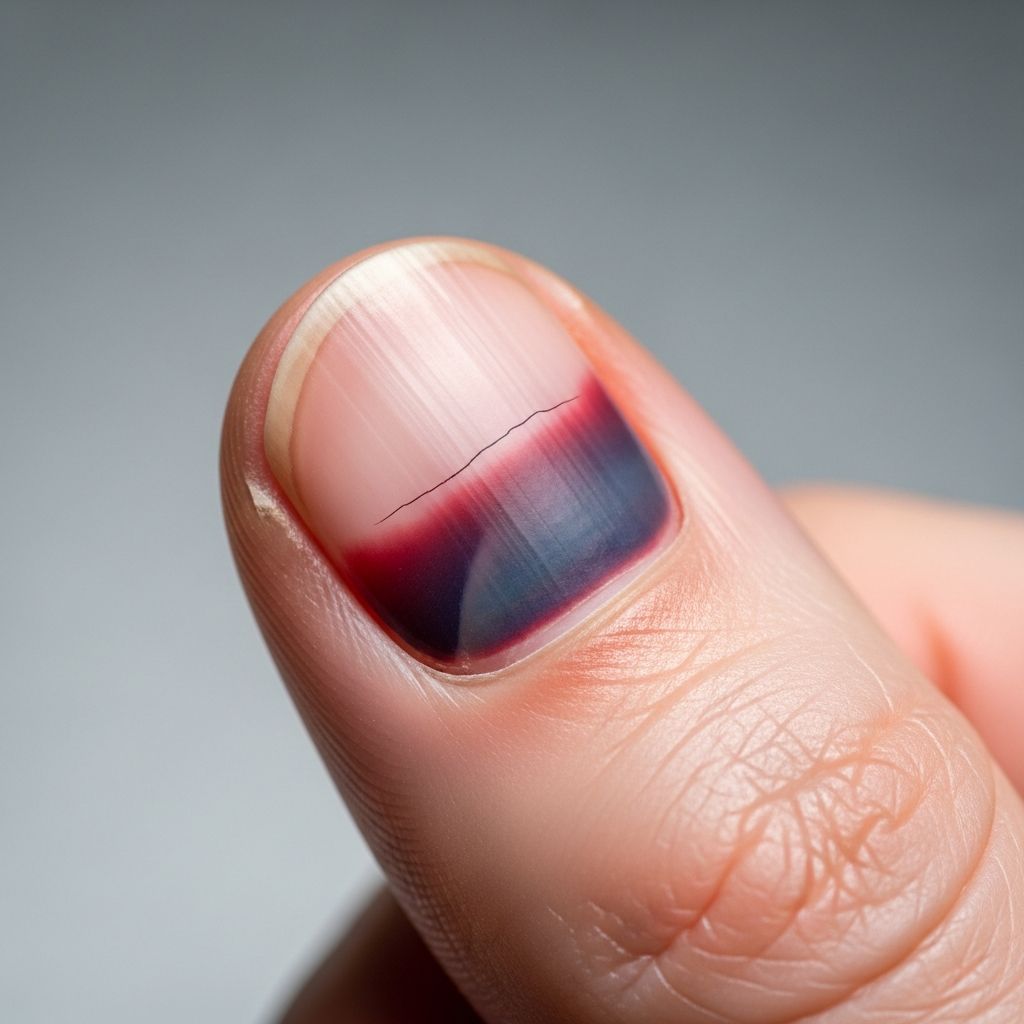
Nail trauma refers to any injury or damage to the fingernails or toenails, ranging from minor damage to severe injury. Whether caused by accidents, repetitive behaviors, or environmental factors, nail injuries are common occurrences that can affect appearance, comfort, and overall hand or foot function. Understanding the causes, symptoms, and treatment options is essential for proper recovery and preventing complications such as infections or permanent nail damage.
What Is Nail Trauma?
Nail trauma encompasses any injury to the nail structure, including the nail plate, nail bed, cuticles, and surrounding tissue. The nail is composed of a protein called keratin and serves as a protective barrier for the sensitive structures beneath it. When the nail or surrounding tissue experiences injury, it can result in pain, discoloration, swelling, and temporary or permanent changes to nail growth and appearance.
Nails grow continuously throughout life, with fingernails growing approximately 3 to 4 millimeters per month and toenails growing more slowly. Because of this constant growth cycle, nail injuries may take several months to fully resolve, as the damaged nail gradually grows out and is replaced by new, healthy nail tissue.
Common Causes of Nail Trauma
Nail injuries can occur in various ways, and understanding these causes helps in prevention and early intervention:
- Crushing injuries: Blunt force trauma from objects falling on the nail, doors slamming on fingers or toes, or accidents during work or sports activities.
- Repetitive behaviors: Chronic nail biting, picking at nails, or excessive grooming can damage the nail structure and surrounding cuticles.
- Chemical exposure: Prolonged contact with harsh chemicals, cleaning products, or irritating substances can weaken and damage nails.
- Fungal or bacterial infections: Infections can compromise nail integrity and lead to discoloration, brittleness, and separation from the nail bed.
- Excessive moisture: Prolonged water exposure or high humidity environments can soften nails and make them more susceptible to damage.
- Tight footwear: Ill-fitting shoes can create pressure on toenails, leading to trauma and ingrown nails.
- Manicure and pedicure complications: Aggressive filing, cutting too short, or using unsanitary tools during nail care can cause injury.
Recognizing Symptoms of Nail Trauma
Symptoms of nail trauma vary depending on the severity of the injury. Early recognition of these signs allows for prompt treatment:
- Pain and tenderness: Immediate discomfort, especially if the injury involves the nail bed or surrounding tissue.
- Swelling and bruising: Visible puffiness around the injured nail area, often accompanied by purple, blue, or black discoloration indicating bleeding under the nail.
- Discoloration: Changes in nail color ranging from pale or yellowish to dark red or purple hues.
- Nail separation: The nail plate may lift away from the nail bed, creating a gap that can allow bacteria to enter.
- Nail deformation: Ridges, grooves, pitting, or other changes to the nail surface texture and shape.
- Loss of nail: In severe cases, the entire nail may detach from the nail bed.
- Infection signs: Redness, warmth, pus, or drainage from around the nail area indicating bacterial or fungal infection.
Understanding Nail Biting and Its Health Consequences
Chronic nail biting, also known as onychophagia, is a body-focused repetitive behavior that can cause significant nail trauma. Research indicates that nail biting often serves as a coping mechanism during periods of stress, anxiety, or boredom. The practice damages not only the visible nail structure but also the delicate cuticles and surrounding skin.
When nails are bitten, ragged edges and tiny fissures form in the skin around the nail area. These damaged cuticles create an entry point for bacteria and other pathogens. Studies show that our fingertips naturally collect germs from everyday contact with doorknobs, money, smartphones, and other surfaces. Nail biting intensifies this germ exposure, potentially leading to skin infections, paronychia (infection of the tissue around the nail), and in severe cases, systemic infections including salmonella.
Related Stories



Healthcare professionals emphasize that chronic nail biting should not be dismissed as a harmless habit. Dr. Sandra Darling, a preventive medicine expert, notes that telling individuals to simply stop biting their nails often reinforces feelings of failure and rarely produces lasting results. Instead, comprehensive treatment approaches combining behavioral therapy, relaxation techniques, and social support are more effective.
Treatment and Management Strategies
Treatment for nail trauma depends on the severity and type of injury. Mild injuries often resolve with conservative care, while more serious trauma may require medical intervention.
Home Care for Minor Injuries
- Keep the area clean: Wash the injured nail and surrounding area with soap and warm water several times daily.
- Apply ice: Use ice packs for 15 to 20 minutes several times a day to reduce swelling and pain in the first 24 to 48 hours.
- Elevate the hand or foot: Keeping the injured area above heart level helps reduce swelling and discomfort.
- Use pain relief: Over-the-counter pain medications like acetaminophen or ibuprofen can help manage discomfort.
- Apply topical treatments: Antibiotic ointments may prevent infection, and bandages should be changed daily.
- Avoid further injury: Protect the nail from additional trauma by keeping it uncovered when possible to allow air circulation, or using protective coverings when necessary.
Medical Treatment for Severe Trauma
Severe nail injuries may require professional medical evaluation and treatment:
- Nail bed repair: If the nail bed is lacerated or significantly damaged, surgical repair may be necessary to restore function and prevent permanent deformity.
- Subungual hematoma drainage: Large collections of blood under the nail may require drainage through a small hole created in the nail plate to relieve pressure and pain.
- Partial or complete nail removal: In cases of severe damage or infection, the nail may need to be removed to allow proper wound healing and treatment of underlying tissue damage.
- Infection management: Bacterial or fungal infections require appropriate antibiotics or antifungal medications, and in some cases, oral medication may be prescribed.
- Tetanus prophylaxis: If the injury is from a puncture wound or contaminated object, tetanus protection may be recommended.
Breaking the Nail Biting Habit
For those struggling with chronic nail biting, several evidence-based strategies can help break the cycle:
- Behavioral therapy: Habit-reversal training helps identify triggers and develop alternative responses to stress and anxiety.
- Substitute activities: Replacing nail biting with healthier coping mechanisms such as chewing gum, drinking water, engaging in drawing or needlework, or using stress balls keeps hands and mind occupied.
- Bitter nail polish: Polishes formulated with bitter-tasting compounds provide an unpleasant sensory deterrent that can discourage biting.
- Stress management: Relaxation techniques including deep breathing, meditation, yoga, and progressive muscle relaxation reduce the urge to bite nails during stressful situations.
- Adequate self-care: Sufficient sleep, regular exercise, and balanced nutrition improve overall resilience to stress and reduce compulsive behaviors.
- Social support: Support groups and accountability partners provide encouragement and help maintain motivation during the behavior change process.
- Professional help: For individuals with obsessive-compulsive disorder or severe anxiety linked to nail biting, therapy with a mental health professional may be necessary.
Complications and When to Seek Medical Care
Most minor nail injuries resolve without complications, but certain warning signs indicate the need for professional medical evaluation:
- Signs of infection including increased redness, warmth, swelling, pus, or foul-smelling drainage
- Severe pain that does not improve with over-the-counter pain medication
- Significant bleeding or bruising under the nail that covers more than one-quarter of the nail
- Complete separation or loss of the nail
- Signs of permanent nail deformity or growth abnormality
- Psychological impacts such as anxiety, depression, or low self-esteem related to nail appearance
- Nail biting that affects social or professional functioning
Prevention Strategies
Preventing nail trauma is more effective than treating it. Implementing practical prevention measures can significantly reduce injury risk:
- Protective equipment: Wear gloves during work activities, sports, or when handling tools or machinery.
- Proper nail care: File nails in one direction, trim straight across without cutting too short, and keep cuticles moisturized and protected.
- Footwear selection: Choose properly fitting shoes with adequate toe room to prevent pressure and trauma to toenails.
- Chemical protection: Wear gloves when cleaning or handling harsh chemicals to prevent chemical damage.
- Moisture management: Keep nails and surrounding skin dry, and limit prolonged water exposure.
- Stress management: Practice healthy stress-coping techniques to reduce the urge for compulsive nail biting.
- Hand and foot hygiene: Regular washing and careful drying prevent fungal and bacterial infections that can compromise nail integrity.
Nail Health and Systemic Health Indicators
Beyond trauma-related issues, nail appearance can reflect overall health status. Research from Harvard Medical School indicates that nail growth rates serve as indicators of biological aging and cellular regeneration efficiency. Slower nail growth may suggest aging at a typical or accelerated rate, while faster growth can indicate more efficient cellular processes.
Various nail changes can signal underlying health conditions including nutritional deficiencies, infections, circulatory problems, kidney disease, and in some cases, malignancy. Understanding these connections emphasizes the importance of monitoring nail health as part of overall wellness.
Frequently Asked Questions
Q: How long does it take for a damaged nail to completely heal?
A: Fingernails typically grow about 3 to 4 millimeters per month, so complete replacement of a damaged nail usually takes 3 to 6 months. Toenails grow more slowly and may take 6 to 12 months or longer to fully regrow.
Q: Is it normal to have pain under a bruised nail?
A: Yes, pain and tenderness are common after nail trauma, especially when blood collects under the nail (subungual hematoma). If pain is severe or doesn’t improve after a few days, or if the bruise covers more than one-quarter of the nail, seek medical evaluation.
Q: Can nail trauma cause permanent nail deformity?
A: Minor trauma usually doesn’t cause permanent changes, but severe injuries to the nail bed can result in permanent ridges, discoloration, or deformity. Prompt treatment of serious injuries may help prevent these complications.
Q: What should I do if a nail completely separates from the nail bed?
A: Complete nail separation requires medical evaluation to assess for underlying tissue damage and infection risk. A healthcare provider can determine if treatment is needed and provide guidance on protecting the exposed nail bed while new nail grows.
Q: How can I overcome chronic nail biting?
A: Combining multiple strategies is most effective, including behavioral therapy, substitute activities, stress management techniques, bitter-tasting nail polish, adequate sleep and exercise, and social support. For severe cases linked to anxiety or OCD, professional mental health treatment may be beneficial.
Q: When should I see a doctor about nail trauma?
A: Seek medical care if you experience severe pain, signs of infection, significant bleeding or bruising, complete nail loss, signs of permanent deformity, or if nail biting affects your mental health or daily functioning.
References
- Biting Your Fingernails: Health Risks and Breaking the Habit — Harvard Health Publishing. 2024. https://www.health.harvard.edu/blog
- What Your Fingernails Say About How Long You’ll Live — Times of India Health. 2024. https://timesofindia.indiatimes.com/life-style/health-fitness/
- Nail Disorders and Systemic Health — Cleveland Clinic. 2024. https://my.clevelandclinic.org
- Understanding Nail Growth and Cellular Aging — Harvard Medical School. 2024. https://hms.harvard.edu
- Paronychia and Nail Bed Infections: Clinical Guidelines — American Academy of Dermatology. 2024. https://www.aad.org
Similar Articles








Read full bio of Sneha Tete