Nalmefene Tablets: Uses, Dosage, Side Effects, Safety
Nalmefene (Selincro) helps reduce alcohol consumption in adults with alcohol dependence and high drinking risk levels, taken as-needed with psychosocial support.
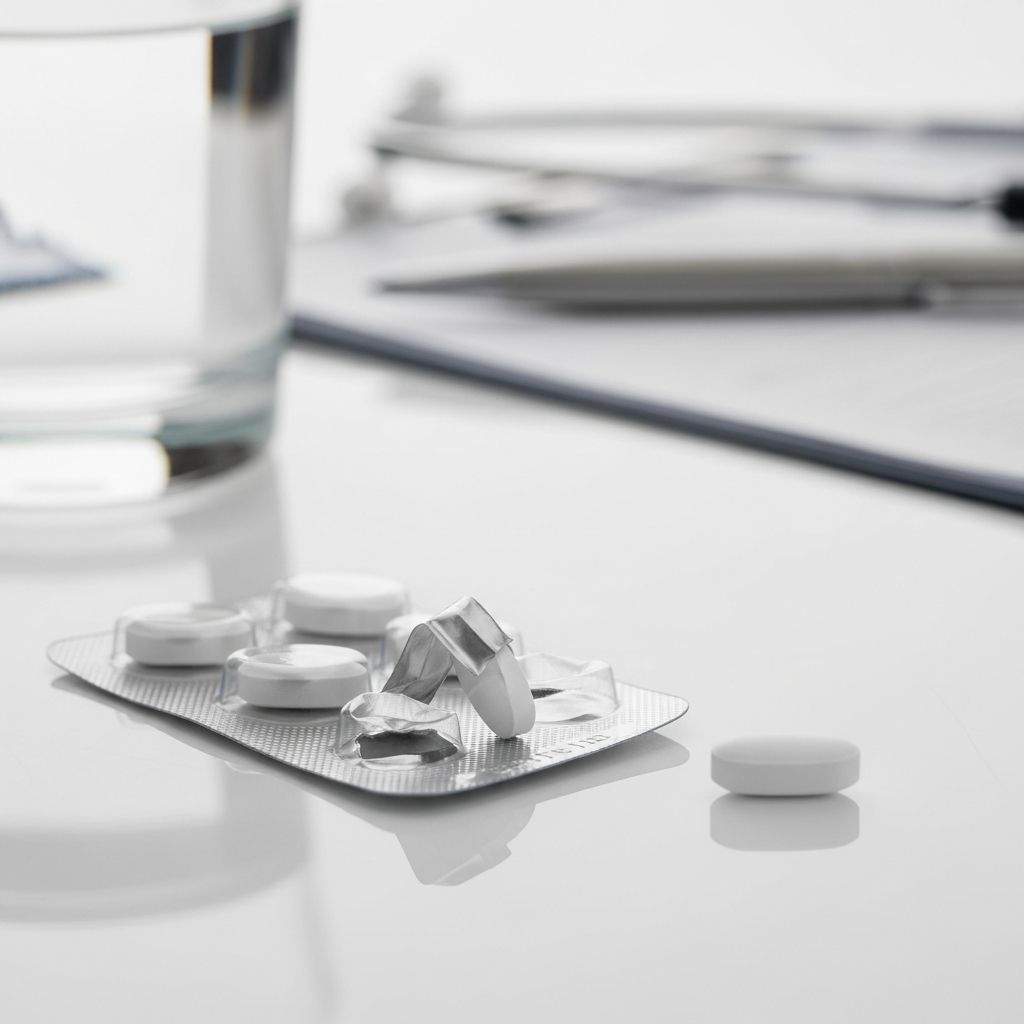
Nalmefene (brand name Selincro) is a prescription medication designed to help adults with alcohol dependence reduce their alcohol consumption. It is specifically indicated for patients with a high drinking risk level (DRL), defined as more than 60g pure alcohol per day for men (about 7-8 standard drinks) or more than 40g per day for women (about 5-6 standard drinks), without physical withdrawal symptoms and not requiring immediate detoxification. Unlike treatments aiming for complete abstinence, nalmefene supports harm reduction by curbing the urge to drink excessively when taken as-needed.
About nalmefene tablets
Nalmefene belongs to a class of drugs known as opioid receptor antagonists. The active substance attaches to opioid receptors in the brain—specifically blocking mu- and delta-receptors while partially activating kappa-receptors—reducing the rewarding effects of alcohol and the craving associated with heavy drinking. This mechanism helps patients who have already attempted to cut down but continue at high risk levels after initial assessment.
Clinical studies, such as ESENSE 1 and 2, demonstrated that nalmefene significantly outperformed placebo in reducing heavy drinking days and total alcohol intake. Patients took 18mg as-needed on days they anticipated drinking, alongside psychosocial support like the BRENDA program, which emphasizes motivation and adherence. Improvements were noted in Clinical Global Impression scales, with benefits seen in patients without severe dependence needing detox. Selincro is available as 18mg film-coated tablets and should only be used with ongoing psychosocial interventions focused on treatment adherence and consumption reduction. Data from trials support use up to 1 year, but caution is advised beyond 6 months.
Before taking nalmefene tablets
To ensure safe use, discuss your medical history with your doctor. Nalmefene is not suitable for everyone.
Do not take nalmefene if:
- You are allergic (hypersensitive) to nalmefene or any ingredients in Selincro.
- You are currently taking opioid medicines (e.g., painkillers like morphine, codeine, tramadol, or over-the-counter meds like Nurofen Plus containing opioids), have recent opioid addiction, acute opioid withdrawal, or recent opioid use[10].
- You have acute alcohol withdrawal symptoms or need immediate detoxification.
Inform your doctor before taking if you:
- Are pregnant, trying for a baby, or breastfeeding. Safety data are limited; use only if benefits outweigh risks.
- Have or have had mental health problems, as psychiatric disorders like insomnia were more common.
- Have ever had a fit (seizure).
- Have liver or kidney problems, as these may affect dosing or increase side effects.
- Have a history of opioid addiction.
Taking other medicines
Tell your doctor about all medications, including non-prescription, herbal, or complementary therapies. Special caution with strong painkillers (opioids), as nalmefene can precipitate withdrawal[10]. No major interactions noted with other common drugs, but monitoring is advised.
How to take nalmefene tablets
Always follow your doctor’s instructions and read the manufacturer’s patient information leaflet (PIL) in the pack for full details.
- Dosage: Take one 18mg tablet on each day you perceive a risk of drinking alcohol, ideally 1-2 hours before anticipated drinking, swallowed whole with water. If not taken beforehand, take as soon as possible, but maximum one tablet (18mg) per day.
- Initiation: After initial assessment, record consumption for ~2 weeks. Start only if high DRL persists, with psychosocial support.
- Duration: Continue as long as benefits outweigh risks, typically reassessed regularly. Trials showed efficacy up to 1 year.
- Missed dose: If you forget on a drinking day, take as soon as remembered unless over 24 hours; do not double up.
- Stopping: Consult your doctor; abrupt stop may increase relapse risk.
Related Stories



Getting the most from your treatment
Nalmefene works best with psychosocial support—therapy, counseling, or programs like BRENDA to boost adherence and motivation. Track your drinking, attend follow-ups, and combine with lifestyle changes: avoid triggers, join support groups, and maintain a balanced diet. Regular clinical reviews ensure ongoing high DRL justifies continued use. Studies showed reduced heavy drinking days by ~65% vs. placebo. Cost-effectiveness models estimate benefits in preventing alcohol-related diseases like cirrhosis and stroke.
Side effects
Most side effects are mild/moderate and short-lived, peaking in the first month. Report persistent issues to your doctor.
| Common side effects (affect >1 in 10) | What to do |
|---|---|
| Nausea (18% first month), dizziness (16%), insomnia/sleep disorders (13-29%), headache | Usually resolve quickly. Rest for dizziness; anti-nausea advice if needed. |
| Feeling dizzy/sleepy, blurred vision | Do not drive or use machines until better |
| Headache | Drink water; pharmacist for painkiller (mention nalmefene). See doctor if persists |
| Sleeping problems | Speak to doctor if troublesome |
Serious side effects (rare): Severe allergic reactions, confusion, hallucinations, seizures, or liver issues—seek immediate medical help. In trials, 62-75% reported adverse events, mostly transient. Psychiatric events higher with nalmefene.
Frequently asked questions
How does nalmefene differ from naltrexone?
Both are opioid antagonists, but nalmefene is taken as-needed for reduction (not abstinence), with partial kappa-activation potentially aiding withdrawal ease.
Can I drink on nalmefene?
Yes, it’s for days you anticipate drinking, to reduce amount consumed.
Is nalmefene addictive?
No, it reduces cravings without abuse potential.
How soon does it work?
Benefits seen within weeks alongside support.
What if I take opioids accidentally?
Risk of precipitated withdrawal; inform doctor immediately[10].
How to store nalmefene tablets
Store below 25°C in original packaging, away from children. Do not use after expiry; return unused to pharmacy.
References
- Nalmefene (Selincro) 18mg film-coated tablets — Scottish Medicines Consortium. 2023-09. https://scottishmedicines.org.uk/media/2023/nalmefene_selincro_final_september_2013_website.pdf
- Nalmefene tablets – Selincro — Patient.info. Accessed 2026. https://patient.info/medicine/nalmefene-tablets-selincro
- Selincro | European Medicines Agency (EMA) — EMA. Accessed 2026. https://www.ema.europa.eu/en/medicines/human/EPAR/selincro
- Nalmefene | Royal Free London — Royal Free London NHS. Accessed 2026. https://www.royalfree.nhs.uk/patients-and-visitors/patient-information-leaflets/nalmefene
- Nalmefene to Treat Alcohol Addiction — Olympic Behavioral Health. Accessed 2026. https://olympicbehavioralhealth.com/rehab-blog/nalmefene/
- Selincro 18 mg film-coated tablets (Patient Information) — E-Compendium. Accessed 2026. https://www.e-compendium.be/fr/notices/download/3515?scientific=0
Similar Articles








Read full bio of Sneha Tete