Naltrexone Tablets (Adepend) In 2025: Dosage And Safety Tips
Comprehensive guide to naltrexone tablets for opioid dependence treatment, including usage, side effects, and precautions.
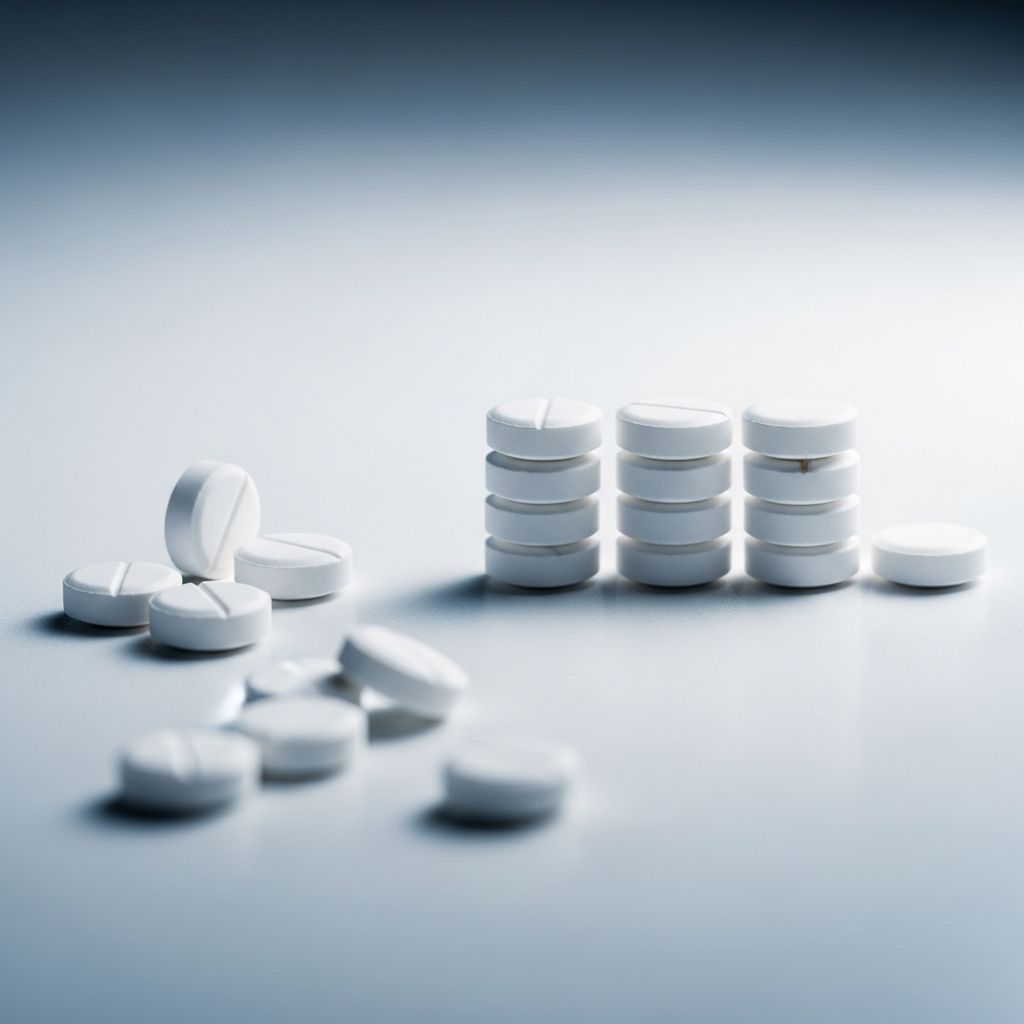
Naltrexone tablets (Adepend) are prescribed to help individuals maintain freedom from opioid dependence after detoxification. This medication blocks the effects of opioids, reducing cravings and preventing euphoric effects if opioids are used.
About naltrexone tablets
Naltrexone is an opioid receptor antagonist that binds to opioid receptors in the brain, preventing opioids from attaching and producing their rewarding effects. It is typically initiated after a patient has been opioid-free for at least 7-10 days to avoid precipitating withdrawal.
By blocking these receptors, naltrexone discourages continued opioid use, as individuals do not experience the desired high. It supports long-term recovery when combined with counseling and behavioral therapies. Clinical guidelines recommend its use in specialist addiction clinics under medical supervision.
The standard tablet strength is 50 mg, branded as Adepend in some regions. Treatment duration varies but often extends for several months, with regular medical reviews to assess progress and adjust as needed.
Before taking naltrexone
Before starting naltrexone, inform your doctor about your full medical history to ensure safety. Key precautions include:
- Recent opioid use (within 7-10 days), including prescription painkillers, cough syrups, or illicit drugs, as this can trigger severe withdrawal.
- Liver disease, hepatitis, or elevated liver enzymes, since naltrexone can affect liver function.
- Kidney problems, bleeding disorders like hemophilia, or current pregnancy/breastfeeding.
- Any allergies to naltrexone or its ingredients.
- All other medications, supplements, or herbal products, especially opioids or alcohol-related treatments.
Your doctor may perform a naloxone challenge test or urine screen to confirm opioid abstinence. Patients with acute hepatitis or liver failure should not take naltrexone.
How to take naltrexone
Follow your doctor’s instructions precisely, as printed on the label. Read the patient information leaflet for full details on usage and side effects.
Standard dosing regimen:
- Initial dose: 25 mg (half a 50 mg tablet) once daily to assess tolerance.
- If no issues, increase to 50 mg (one tablet) daily.
- Maintenance: 50 mg daily, or alternate schedules like 100 mg on Monday/Wednesday and 150 mg on Friday for convenience.
Take tablets orally with water, with or without food—food may reduce stomach upset. Aim for the same time each day to build a routine. Swallow whole; do not crush or chew.
Missed dose: Take as soon as remembered on the same day. Skip if next day; never double up.
Continue until advised otherwise, often for months. Regular clinic visits monitor efficacy and side effects.
Getting the most from your treatment
To maximize benefits:
- Attend all counseling and support group sessions, as naltrexone works best with psychosocial therapy.
- Inform all healthcare providers (including dentists, surgeons) about naltrexone use—it blocks opioid painkillers, complicating emergency pain management.
- Wear a medical alert bracelet or carry an ID card stating you take naltrexone and listing your dose.
- Avoid self-treating coughs, colds, pain, or diarrhea with opioid-containing products.
- Abstain completely from opioids; attempting to override naltrexone risks overdose due to reduced tolerance.
Related Stories



Lifestyle support includes a balanced diet, exercise, and stress management to aid recovery.
If you experience any other symptoms
Contact your doctor or clinic promptly for any unusual symptoms. Serious signs requiring immediate attention include yellowing skin/eyes (jaundice), dark urine, severe abdominal pain, unusual fatigue, or bleeding—potential liver issues.
Monitor for precipitated withdrawal if opioids were used recently: symptoms like nausea, cramps, restlessness, or joint pain.
Side-effects
Most side effects are mild and improve over time. Common ones include nausea, headache, dizziness, fatigue, and insomnia.
| Side Effect | What to Do |
|---|---|
| Headaches, muscle aches | Ask clinic for suitable non-opioid painkiller |
| Nervousness, insomnia, low energy | Speak to doctor if persistent |
| Nausea, abdominal discomfort | Simple meals; avoid spicy/rich foods |
| Diarrhea | Stay hydrated |
| Constipation | Balanced diet, plenty of water |
| Dizziness | Avoid driving/machinery |
| Thirst, shivers, rash, mood changes, urinary/erectile issues | Consult doctor |
Rare but serious: liver damage (stop and seek help), allergic reactions, severe depression, or hallucinations. Report any new symptoms to your healthcare team.
How to store naltrexone
Store at room temperature (below 25°C), away from moisture and heat. Keep out of reach of children. Do not use after expiry date. Dispose of unused tablets via pharmacy take-back programs.
Date review
This information reflects current guidelines as of 2025. Consult healthcare professionals for personalized advice.
Frequently Asked Questions (FAQs)
Q: How long must I wait after stopping opioids before starting naltrexone?
A: At least 7-10 days to prevent withdrawal. Your doctor may test to confirm.
Q: Can I drink alcohol while on naltrexone?
A: Naltrexone is primarily for opioids but also reduces alcohol cravings. Discuss with your doctor if dual use applies.
Q: What if I need surgery or pain relief?
A: Inform providers in advance; non-opioid alternatives are needed.
Q: Does naltrexone cause weight loss or other changes?
A: Possible loss of appetite; monitor and report significant changes.
Q: Is naltrexone safe for liver conditions?
A: Use caution; regular liver tests required. Avoid if acute liver failure.
References
- Naltrexone tablets – Patient.info — Patient.info. 2023. https://patient.info/medicine/naltrexone-tablets-adepend
- Naltrexone: Uses & Side Effects — Cleveland Clinic. 2024-05-15. https://my.clevelandclinic.org/health/drugs/18010-naltrexone-tablets
- What is Naltrexone? — SAMHSA (U.S. Dept. of Health and Human Services). 2024. https://www.samhsa.gov/substance-use/treatment/options/naltrexone
- Naltrexone (oral route) — Mayo Clinic. 2025-01-10. https://www.mayoclinic.org/drugs-supplements/naltrexone-oral-route/description/drg-20068408
- REVIA (naltrexone hydrochloride) Label — FDA (U.S. Food and Drug Administration). 2013-11-01. https://www.accessdata.fda.gov/drugsatfda_docs/label/2013/018932s017lbl.pdf
- Naltrexone (Vivitrol) — NAMI. 2024. https://www.nami.org/treatments-and-approaches/mental-health-medications/types-of-medication/naltrexone-vivitrol/
- Naltrexone: MedlinePlus Drug Information — MedlinePlus (National Library of Medicine). 2024-09-01. https://medlineplus.gov/druginfo/meds/a685041.html
Similar Articles








Read full bio of medha deb