Napkin Dermatitis: Causes, Symptoms, and Treatment
Complete guide to napkin dermatitis: Understanding diaper rash causes, prevention, and effective treatment options.
Understanding Napkin Dermatitis
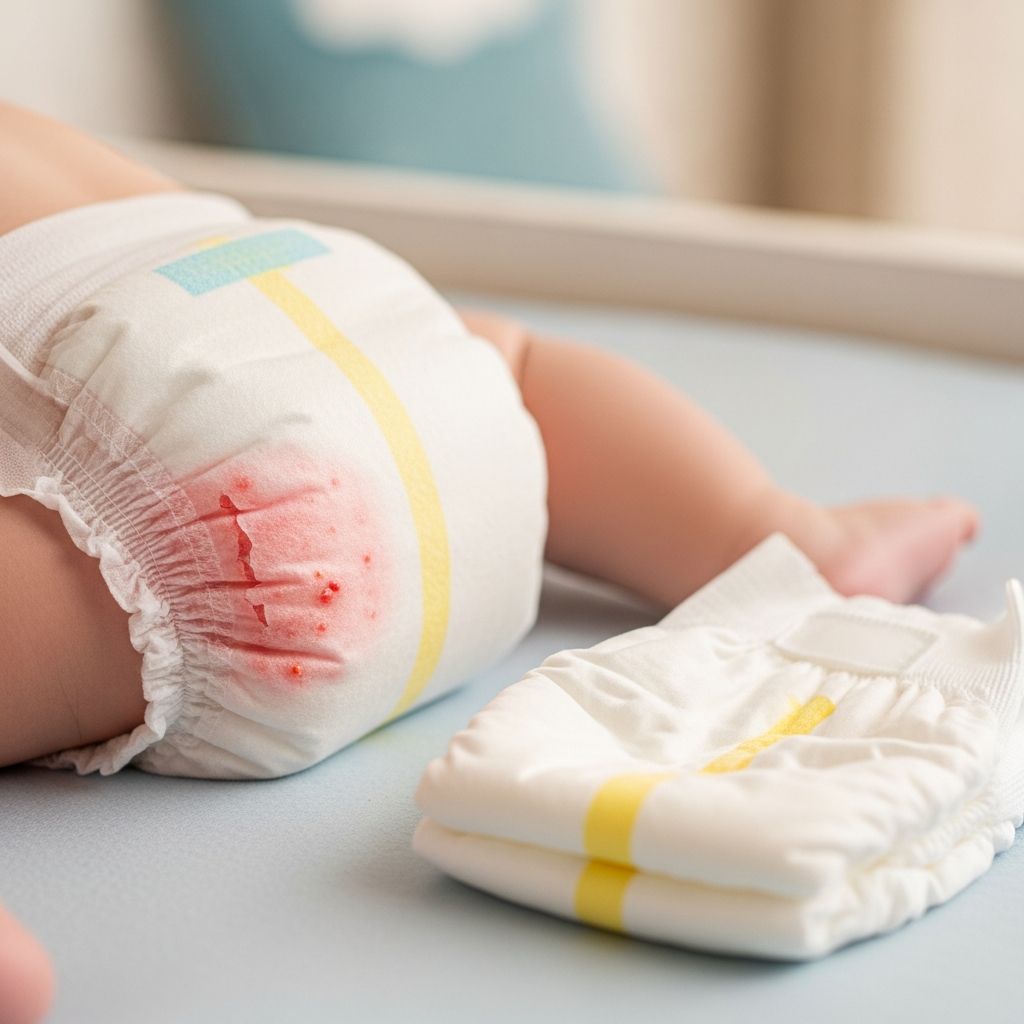
Napkin dermatitis, commonly known as diaper rash or nappy rash, is an inflammatory condition affecting the skin in the diaper area. This condition follows damage to the normal skin barrier and is primarily a form of irritant contact dermatitis. It represents one of the most common skin disorders encountered in infants and young children, though it can affect anyone who wears diapers regularly. The condition typically develops when the delicate skin beneath a diaper is exposed to prolonged moisture, friction, and chemical irritants, compromising the skin’s protective barrier function.
Causes of Napkin Dermatitis
Napkin dermatitis results from a combination of multiple factors working together to damage the skin barrier. Understanding these contributing factors is essential for both prevention and effective treatment.
Primary Irritant Contact Dermatitis
The most common cause of napkin dermatitis is irritant contact dermatitis resulting from prolonged exposure to urine and feces. When diapers remain unchanged for extended periods, the skin becomes saturated with moisture, leading to maceration—a process where the skin becomes soft and breaks down more easily. This increased moisture creates an ideal environment for friction and skin damage. The prolonged contact with urine and feces triggers an inflammatory response that manifests as the characteristic rash.
Moisture and pH Changes
The diaper environment creates a warm, moist microclimate that significantly increases the risk of skin damage. Additionally, changes in skin pH play an essential role in napkin dermatitis development. When urinary urea breaks down, it increases the pH around the diaper area, which in turn increases fecal enzyme activity that can further damage the skin. This biochemical process creates conditions favorable for both irritation and microbial colonization.
Fungal Infections
The second most common cause of napkin dermatitis is fungal infection, with Candida albicans being the predominant organism. Candida infection can occur as a primary cause of napkin dermatitis or as a superimposed infection in cases of chronic irritation. The warm, moist, occluded environment created by diapers provides an ideal breeding ground for Candida growth. Babies whose mothers take antibiotics while breastfeeding have an increased risk of candidal napkin dermatitis, as antibiotics disrupt the normal bacterial flora that typically suppress yeast overgrowth.
Bacterial Infections
Bacterial infections represent the second most common infectious cause of napkin dermatitis following fungal infections. Staphylococcus aureus can colonize and infect the diaper area, particularly in newborns, sometimes secondary to colonization from the umbilical cord. Streptococcus pyogenes is also recognized as an etiologic agent causing napkin dermatitis. These bacterial infections often develop in areas with moisture and skin breakdown.
Other Contributing Factors
Several additional factors increase the risk of napkin dermatitis development:
- Infrequent diaper changes – Leaving wet or soiled diapers on too long significantly increases risk.
- Diarrhea or frequent bowel movements – Increased stool frequency and pH elevation contribute to irritation.
- Chafing or rubbing – Tight-fitting diapers or clothing create mechanical irritation.
- New products – Sensitivity to new diaper brands, wipes, detergents, or fabric softeners can trigger reactions.
- Antibiotic use – Systemic antibiotics increase the risk by disrupting normal flora and increasing diarrhea risk.
- Underlying skin conditions – Babies with atopic dermatitis or seborrheic dermatitis have increased susceptibility.
What Napkin Dermatitis Is Not
It is important to note that napkin dermatitis is not simply caused by poor hygiene or lack of diaper changes in all cases, though frequent changes are preventive. The condition is a normal inflammatory response to the diaper environment rather than a sign of parental negligence. Additionally, modern disposable diapers have dramatically reduced the incidence of napkin dermatitis compared to cloth nappies, demonstrating that improved diaper technology significantly influences disease prevalence.
Clinical Presentation and Symptoms
Napkin dermatitis presents with characteristic clinical features that vary depending on the underlying cause. The typical presentation includes erythematous macules and papules in the genital area that can spread to involve the lower abdomen and thighs. In irritant contact dermatitis caused by urine and feces exposure, the skin typically appears red and shiny, with involvement of the buttocks, thighs, belly, and waist areas. Notably, skin creases and folds are often spared in irritant dermatitis, which helps differentiate it from candidal infections.
Related Stories



When candidal infection is present, the rash may be more intense and can involve skin creases where moisture accumulation is greatest. The appearance may include satellite lesions and a more inflamed appearance compared to simple irritant dermatitis. Bacterial infections may present with pustules or signs of more acute inflammation.
Risk Factors and Vulnerable Populations
Certain populations face increased risk of developing napkin dermatitis. Breastfed babies have a significantly lower incidence of napkin dermatitis because feces in breastfed infants have a lower pH than in formula-fed babies. As babies transition to solid foods, stool frequency and pH increase, leading to more frequent napkin dermatitis occurrence. This physiological difference explains the lower rates of napkin dermatitis in exclusively breastfed infants compared to formula-fed or mixed-fed babies.
Potential Complications
While napkin dermatitis is usually a self-limited condition, it may predispose the infant to more serious infections. Napkin dermatitis may predispose the infant to urinary tract infection and, in females, to vaginal infection. The compromised skin barrier allows easier access for pathogens, making secondary infections a concern that warrants medical attention if the rash does not improve with standard care or if signs of infection develop.
Diagnosis and Evaluation
In most cases of napkin dermatitis, no laboratory tests are necessary for diagnosis. The clinical presentation and history of diaper exposure typically provide sufficient diagnostic information. However, skin swabs may be useful when a specific infectious cause is suspected, particularly to confirm Candida albicans or bacterial infection. These cultures can guide more targeted antimicrobial therapy when standard treatments fail.
Treatment Approaches
Effective treatment of napkin dermatitis combines hygiene measures, barrier protection, and targeted antimicrobial therapy when indicated.
General Skin Care Principles
The foundation of napkin dermatitis management emphasizes maintaining a clean, dry diaper area. Key principles include:
- Keeping the diaper area clean and dry at all times
- Changing diapers frequently to minimize moisture exposure
- Allowing the diaper area to air dry at times during the day
- Limiting the use of soap and other harsh cleaners in the diaper area
- Washing hands before and after changing a diaper
- Gently patting skin dry with a clean towel or allowing air drying rather than vigorous scrubbing
Barrier Cream and Ointment Application
Topical barrier products form a critical component of napkin dermatitis treatment. The need to keep the baby dry and use barrier creams should be emphasized to caregivers. Petroleum jelly and zinc oxide are time-proven ingredients in many diaper rash products that provide effective moisture barriers. For babies who experience frequent rashes, applying a barrier cream, paste, or ointment with each diaper change is recommended. When applying products, if the previous application is still clean, it should be left in place with an additional layer applied on top rather than completely removing and reapplying.
Non-Prescription Natural Products
Non-prescription topical products containing Aloe vera and Calendula officinalis are reportedly effective for napkin dermatitis. These natural products may offer anti-inflammatory and soothing properties that support skin healing without the need for prescription medications in mild cases.
Candidal Infection Treatment
When treating candidal napkin dermatitis, topical antifungals should be added to the basic skin care regimen. Nystatin can be used first, applied with every diaper change, and generally shows good response. However, if no improvement occurs within one to three days, or if Candida resistance to nystatin is suspected, switching to azole antifungals is recommended. Clotrimazole, miconazole, or ketoconazole can be used, applied twice daily for seven to ten days.
Severe or Raw Skin Care
For very raw or severely affected skin, soaking in warm water for ten minutes with two tablespoons of baking soda added to the tub can provide relief. This treatment should be repeated twice daily, followed by application of an anti-yeast ointment such as Lotrimin AF.
Diaper-Free Periods
Treatment includes diaper-free periods to allow the affected skin to air dry and recover. Regular periods without a diaper significantly accelerate healing by reducing moisture, friction, and the occluded environment that perpetuates the condition.
Recovery Timeline
Mild diaper rashes typically respond well to home treatment, clearing within three to four days of proper care. More severe cases may require prescription treatment with antibiotics or antifungal medications and may take longer to resolve. Most cases show significant improvement within three days of warm water cleansing and air exposure.
Prevention Strategies
Preventing napkin dermatitis is more effective than treating established cases. Key prevention strategies include:
- Changing diapers frequently, especially after bowel movements
- Choosing modern disposable diapers, which significantly reduce incidence compared to cloth nappies
- Allowing regular diaper-free time each day
- Using gentle cleansing methods without harsh soaps
- Avoiding irritating products and perfumed wipes
- Maintaining appropriate antibiotic use only when medically necessary
- Promoting breastfeeding when possible, as it reduces napkin dermatitis risk
- Selecting diapers and clothing that fit properly without excessive tightness
When to Seek Medical Attention
While most cases of napkin dermatitis resolve with home care, medical evaluation is warranted in certain situations. Parents should contact their healthcare provider if:
- The rash does not improve after three to four days of home treatment
- The rash appears to be spreading or worsening
- Signs of infection develop, such as pustules, warmth, or drainage
- The infant shows signs of systemic illness
- Secondary bacterial infection is suspected
- The rash extends beyond the typical diaper area
- Other underlying skin conditions are suspected
Frequently Asked Questions
Q: Is napkin dermatitis contagious?
A: Napkin dermatitis itself is not contagious. However, if bacterial or fungal infections are present, secondary spread may occur through direct contact, making careful hand hygiene important.
Q: Why do breastfed babies have fewer cases of napkin dermatitis?
A: Breastfed infants have lower incidence because their feces maintain a lower pH compared to formula-fed babies, reducing the enzyme activity that damages the skin barrier.
Q: Can I use powder to keep the diaper area dry?
A: No, talcum powder should not be used in the diaper area. Instead, focus on frequent diaper changes, air drying, and barrier creams with zinc oxide or petroleum jelly.
Q: How long does napkin dermatitis typically last?
A: Mild cases usually resolve within three to four days with appropriate home care. More severe cases may take longer and may require prescription medications.
Q: Are cloth diapers more likely to cause napkin dermatitis than disposable?
A: Yes, napkin dermatitis is much less common with modern disposable diapers than with cloth nappies, making disposable diapers a better choice for prevention.
Q: Can antibiotics increase the risk of napkin dermatitis?
A: Yes, systemic antibiotics can increase risk by disrupting normal bacterial flora that prevent yeast overgrowth and by increasing the likelihood of diarrhea.
Q: What is the difference between irritant and candidal napkin dermatitis?
A: Irritant dermatitis typically spares skin creases and appears red and shiny, while candidal dermatitis may involve creases and often requires antifungal treatment for resolution.
References
- Diaper Dermatitis in Children — Stanford Medicine Children’s Health. https://www.stanfordchildrens.org/en/topic/default?id=diaper-dermatitis-in-children-90-P01896
- Diaper Dermatitis — NCBI Bookshelf (StatPearls). https://www.ncbi.nlm.nih.gov/books/NBK559067/
- Diaper Dermatitis (Diaper Rash) — Children’s Hospital of Philadelphia. https://www.chop.edu/conditions-diseases/diaper-dermatitis-diaper-rash
- Napkin Dermatitis: Diaper Rash, Nappy Rash — DermNet NZ. https://dermnetnz.org/topics/napkin-dermatitis
- Diaper Rash: Symptoms & Causes — Mayo Clinic. https://www.mayoclinic.org/diseases-conditions/diaper-rash/symptoms-causes/syc-20371636
- Diaper Rash — Seattle Children’s Hospital. https://www.seattlechildrens.org/conditions/a-z/diaper-rash/
- Diaper Rash: Symptoms, Causes & Treatment — Cleveland Clinic. https://my.clevelandclinic.org/health/diseases/11037-diaper-rash-diaper-dermatitis
Similar Articles








Read full bio of medha deb