Naproxen Tablets for Pain and Inflammation
Comprehensive guide to naproxen uses, dosages, side effects, and precautions for effective pain relief and inflammation management.

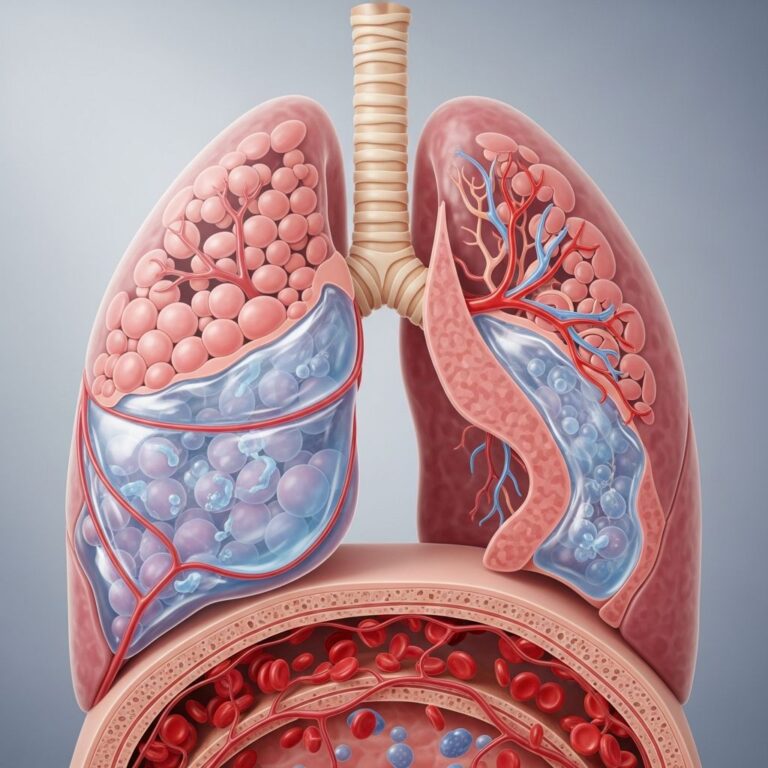
Naproxen is a non-steroidal anti-inflammatory drug (NSAID). It is used commonly to treat pain and inflammation associated with arthritis, muscle and tendon injuries, sprains, period pain, gout attacks, dental pain, and other conditions.
About naproxen tablets
Naproxen tablets come in various strengths, including 250 mg, 375 mg, and 500 mg. They are prescription medications designed to reduce pain, fever, and inflammation by inhibiting enzymes that produce prostaglandins, chemicals responsible for pain and swelling. Available under brand names like Naprosyn, Nexocin, and Stirlescent, naproxen provides longer-lasting relief compared to some other NSAIDs due to its slower degradation in the body.
Healthcare providers prescribe naproxen for short-term acute pain or long-term management of chronic conditions. It is available in immediate-release and controlled-release forms, allowing flexibility in dosing schedules.
Key facts about naproxen tablets
- Naproxen is a non-steroidal anti-inflammatory drug (NSAID). NSAIDs are used commonly to treat pain and inflammation.
- Naproxen tablets take 2 hours to work fully when first taken. The effects last for up to 12 hours.
- The most common side-effects are feeling sick (nausea), stomach pain, heartburn, and indigestion.
- Take naproxen tablets with or just after a meal or snack to help prevent these side-effects.
- The maximum amount of naproxen you can take in 24 hours is six 250 mg tablets (1,500 mg).
Before taking naproxen tablets
Who can and cannot take naproxen tablets
Most adults can take naproxen safely. However, do not take naproxen if you:
- have ever had an allergic reaction to naproxen, ibuprofen, aspirin, or any other NSAID;
- have an ulcer in your stomach or gut, or have had one in the past;
- have ever had bloody faeces (poo), black stools, or blood in your vomit;
- have gout and naproxen is not being given to treat the gout attack;
- are pregnant, trying to become pregnant, or are breast-feeding;
- have chickenpox or shingles;
- have heart failure, angina, a recent heart attack, or have had a bypass operation;
- have high blood pressure that has not been controlled;
- have ever had a blood clot;
- have liver or kidney failure;
- have heart disease, or have ever had a stroke or transient ischaemic attack (TIA);
- have asthma, or have ever had an allergic reaction to aspirin or any other NSAID;
- are over 65 years of age;
- have any bowel disease such as ulcerative colitis or Crohn’s disease.
Consult your doctor before taking naproxen if you have high blood pressure, as it can cause sodium retention and elevate blood pressure levels.
Pregnancy and breastfeeding
Do not take naproxen in the third trimester of pregnancy. It may increase the risk of complications for the baby. Naproxen passes into breast milk in small amounts and is generally considered safe during breastfeeding, but discuss with your doctor.
Taking other medicines
There are some medicines that do not mix well with naproxen. Let your doctor know if you are taking:
- other painkillers including other NSAIDs such as ibuprofen, diclofenac, indometacin, and high doses of aspirin;
- medicine to thin the blood such as warfarin, clopidogrel, and aspirin (in high doses);
- medicines to treat infections such as quinolone antibiotics;
- medicines to treat depression such as SSRIs (selective serotonin reuptake inhibitors);
- steroid medicines such as prednisolone;
- medicines to treat heart problems such as ACE inhibitors and diuretics;
- methotrexate used to treat cancer, rheumatoid arthritis, and some skin conditions.
Naproxen can interact with blood thinners, increasing bleeding risk by blocking platelet aggregation. Combining with oral steroids like prednisone may heighten gastrointestinal bleeding risks.
How and when to take naproxen tablets
Dosage
Your dose will depend on your condition and what your doctor has prescribed. Do not take more than the maximum daily dose.
| Condition | Adult Dosage (Initial) | Maximum Daily |
|---|---|---|
| Rheumatoid arthritis, osteoarthritis | 750 mg or 1000 mg once daily | 1500 mg |
| Bursitis, tendinitis, menstrual cramps | 1000 mg once daily or 550 mg first dose then 550 mg every 12 hours | 1375 mg |
| Pain/fever (OTC) | 220 mg every 12 hours | 660 mg for ages 12+ |
Swallow tablets whole with a drink of water. Take with food to reduce stomach upset. For controlled-release (e.g., Naprelan), doses are taken once daily. Children under 12 should not take naproxen without medical advice.
Related Stories



If you forget to take naproxen tablets
If you forget a dose, take it as soon as you remember unless it is nearly time for your next dose. Do not take two doses together.
Side-effects of naproxen tablets
Like all medicines, naproxen can cause side-effects although not everyone gets them. Common side-effects occur in more than 1 in 100 people.
Common side effects
- feeling sick (nausea)
- being sick (vomiting)
- diarrhoea
- indigestion (dyspepsia), heartburn, stomach pain
- constipation
- bloating, gas (flatulence)
- headaches
- dizziness
- itching or rash
These often improve as your body adjusts. Take with food and stay hydrated to minimize.
Serious side effects
Seek immediate medical attention if you experience:
- symptoms of bleeding in your stomach such as passing black tarry stools, or blood in your vomit;
- symptoms of an allergic reaction such as difficulty breathing, swelling of the face, lips, tongue or throat;
- symptoms of a heart attack such as chest pain spreading to jaw or arm, shortness of breath;
- symptoms of liver problems such as yellowing of skin or eyes (jaundice);
- signs of severe skin reaction like peeling or blistering.
Naproxen increases risks of heart attack, stroke, ulcers, and gastrointestinal bleeding, especially in long-term use, high doses, or those over 65.
Side effects: reporting
If you get any side-effects, talk to your doctor or pharmacist. This includes any possible side effects not listed. You can also report side effects directly via the Yellow Card Scheme.
How to cope with side effects of naproxen tablets
- Feeling sick? Stick to simple meals. Avoid rich or spicy foods.
- Headaches? Rest, drink fluids, avoid alcohol. Speak to a pharmacist for advice.
- Indigestion, heartburn, stomach pain? Take with, or just after, a meal or snack. Your doctor may prescribe an additional medicine to protect your stomach.
Long-term use of naproxen tablets
For conditions like arthritis, naproxen may be used long-term up to 1500 mg daily, but regular monitoring for side effects is essential. Maximum OTC use is typically 10 days unless directed by a doctor. Long-term use heightens cardiovascular and GI risks.
Interactions with naproxen tablets
Avoid alcohol, as it increases stomach bleeding risk. Naproxen may reduce effectiveness of blood pressure meds and interact with diuretics.
Frequently asked questions about naproxen
Can I take naproxen for headaches or migraines?
Yes, 550 mg every 12 hours, up to 1375 mg daily. However, evidence for migraines is mixed.
Is naproxen safe for children?
Not for under 12 without doctor advice. Doses for older children are determined by physicians.
What if I overdose on naproxen?
Symptoms include drowsiness, nausea, vomiting, stomach bleeding. Seek emergency help; call poison control.
Can naproxen cause high blood pressure?
Yes, due to fluid retention. Monitor if you have hypertension.
How long does naproxen stay in your system?
Effects last 8-12 hours; fully cleared in 2-4 days.
This article provides general information and is not a substitute for professional medical advice. Always consult a healthcare provider before starting naproxen.
References
- Naproxen: Uses, dosage, side effects, and interactions — Medical News Today. 2019-03-20. https://www.medicalnewstoday.com/articles/324917
- Naproxen (oral route) — Mayo Clinic. Accessed 2026. https://www.mayoclinic.org/drugs-supplements/naproxen-oral-route/description/drg-20069820
- Naproxen: Side Effects, Dosage, Uses, Brand Names, and More — Healthline. Accessed 2026. https://www.healthline.com/health/naproxen-oral-tablet
- Side effects of naproxen — NHS. Accessed 2026. https://www.nhs.uk/medicines/naproxen/side-effects-of-naproxen/
- Naproxen: Uses & Side Effects — Cleveland Clinic. Accessed 2026. https://my.clevelandclinic.org/health/drugs/19747-naproxen-immediate-release-tablets
- Naproxen (Aleve, Naprosyn, others) — WebMD. Accessed 2026. https://www.webmd.com/drugs/2/drug-5173-1289/naproxen-oral/naproxen-oral/details
Similar Articles








Read full bio of medha deb