Naratriptan For Migraine: Uses, Dosing, Side Effects
Naratriptan (Naramig) effectively treats acute migraine attacks by targeting brain blood vessels and serotonin receptors for rapid relief.
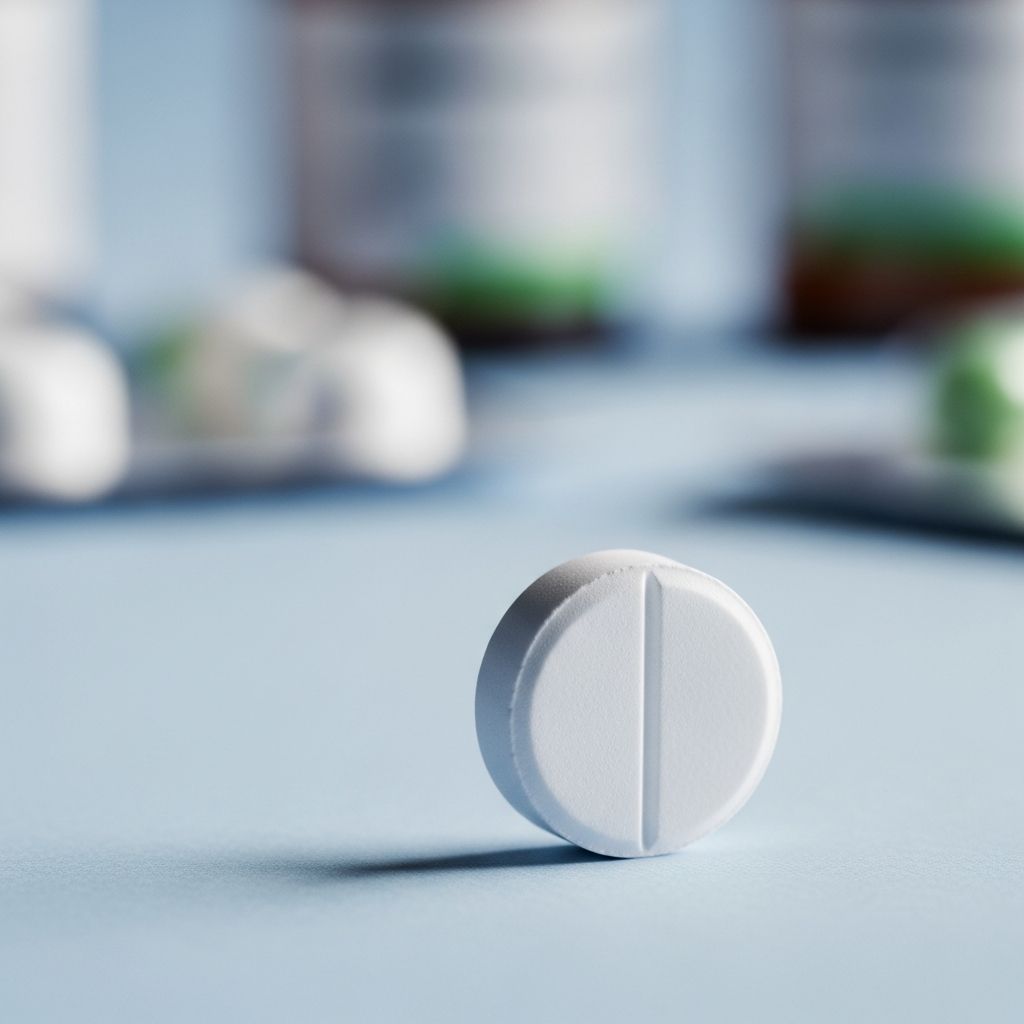
| Type of medicine | 5HT1 receptor agonist (a triptan) |
|---|---|
| Used for | Treatment of acute migraine attacks in adults |
| Also called | Naramig® |
| Available as | Tablets (1 mg and 2.5 mg strengths) |
About naratriptan
Migraine is a common neurological condition characterized by severe, throbbing headaches often accompanied by nausea, vomiting, sensitivity to light (photophobia), and sound (phonophobia). The exact cause remains unclear, but it involves abnormal brain activity where certain chemicals increase, leading to confused signals that trigger migraine symptoms. Blood vessels around the brain widen (vasodilation), and inflammation contributes to the pain.
**Naratriptan** belongs to a class of medications known as triptans, or selective serotonin (5HT1) receptor agonists. It works by stimulating serotonin receptors on blood vessels in the brain, causing them to narrow (vasoconstriction). This reduces inflammation, blocks pain signals to the brain, and stops the release of substances that cause nausea and sensitivity. Naratriptan is specifically for acute treatment once the headache phase begins—it does not prevent migraines or reduce their frequency.
Clinical evidence shows naratriptan relieves headache pain, nausea, and sensitivities in many patients. Headaches often resolve completely or become manageable, allowing return to normal activities. It has a lower recurrence rate (around 19%) compared to some other triptans, making it suitable for those prone to headache return.
Available as Naramig® tablets (1 mg or 2.5 mg), naratriptan is prescription-only for adults. It is particularly recommended for first-time triptan users, those sensitive to side effects, young adults, or patients with mild nausea.
How to take naratriptan
Before starting, read the manufacturer’s patient information leaflet (PIL) for full details on usage and side effects. Always follow your doctor’s instructions precisely.
- Take one tablet (usually 2.5 mg) at the first sign of migraine headache development. Swallow with water.
- Do not take during the aura phase (warning signs like visual disturbances) before headache starts—it may be less effective. Wait for pain onset.
- If symptoms improve but return after 4 hours, take a second tablet (maximum 5 mg per 24 hours).
- If no improvement after the first dose, do not take another for the same attack—contact your doctor. It may indicate a different headache type.
- Take with liquids for faster relief. Effects typically start within 1-2 hours.
For children, use is not standard—consult a doctor.
Getting the most from your treatment
Naratriptan treats acute attacks, not prevention. To optimize:
- Timing is key: Use at headache start, not earlier.
- Migraine diary: Track attacks, triggers (e.g., foods, stress, hormones), location, and activities. Identify patterns to avoid triggers.
- If frequent migraines (more than 2-3 per week), discuss preventive medications like beta-blockers or topiramate with your doctor.
- Non-drug aids: Rest in a dark, quiet room; apply cold compresses; stay hydrated; avoid triggers.
- Overuse warning: Frequent use (several times weekly) can cause medication-overuse headache. Limit to prescribed frequency.
- Recurrence: Low with naratriptan, but if headaches return often, consider alternatives like other triptans.
Related Stories



Side effects of naratriptan tablets
Most side effects are mild and short-lived, resolving within hours. Naratriptan has fewer and milder effects than earlier triptans like sumatriptan, similar to placebo in some studies.
| Common side effects | What to do |
|---|---|
| Fatigue, dizziness, sleepiness | Avoid driving or operating machinery |
| Tingling sensations (paresthesia), feeling hot or warm | Speak to doctor if persistent |
| Nausea or vomiting | Stick to bland foods; antiemetics if needed |
| Tightness, heaviness, or pain in chest, throat, neck, or jaw (‘triptan sensations’) | Usually mild and passes quickly. Stop further doses if intense; seek medical help |
| Minor: dry mouth, muscle weakness | Usually self-resolves |
Serious side effects (rare): Severe chest pain (mimic heart attack), vision changes, allergic reactions (rash, swelling), seizures. Seek immediate medical attention.
Report any new symptoms to your doctor or pharmacist.
Who can and cannot take naratriptan tablets
Naratriptan is for adults over 18 with acute migraines. Do not take if:
- You are allergic to naratriptan or triptans.
- You have heart disease, uncontrolled high blood pressure, stroke history, or vascular issues (e.g., Raynaud’s).
- Pregnant, breastfeeding, or planning pregnancy (unless advised by doctor).
- Under 18 or over 65 (limited data).
- Taking other 5HT agonists, ergotamines, or certain antidepressants (risk of serotonin syndrome).
Caution: Discuss with doctor if liver/kidney problems, epilepsy, or risk factors for heart disease.
How and when to take naratriptan tablets
(See ‘How to take naratriptan’ above for dosing.) Take as needed, not prophylactically. Maximum 5 mg/24 hours; allow 4-hour gaps.
Precautions while taking naratriptan
- Interactions: Avoid with MAOIs, SSRIs/SNRIs (serotonin syndrome risk), ergots (within 24 hours).
- Alcohol: May worsen dizziness.
- Driving: Impaired if drowsy.
- Storage: Room temperature, away from moisture.
- Missed dose: Not applicable (as-needed).
Pregnancy and breastfeeding
Limited data; generally avoid unless benefits outweigh risks. Consult doctor.
Other things to know
- Not for tension headaches or other types.
- If unresponsive, may need imaging or specialist referral.
- Triptan alternatives: sumatriptan, rizatriptan, etc., if ineffective.
Frequently Asked Questions (FAQs)
Q: When should I take naratriptan?
A: At the first sign of headache pain, not during aura. One 2.5 mg tablet; repeat after 4 hours if needed (max 5 mg/day).
Q: What if it doesn’t work?
A: Do not repeat for same attack. Try painkillers or see doctor—could be non-migraine headache.
Q: Can I drive after taking it?
A: No, if dizzy or sleepy. Wait until effects pass.
Q: Does it prevent migraines?
A: No, only treats acute attacks. See doctor for prevention if frequent.
Q: Is chest tightness dangerous?
A: Usually benign, but stop use and seek help if severe or persistent.
References
- Naratriptan: MedlinePlus Drug Information — MedlinePlus (U.S. National Library of Medicine). 2023-05-15. https://medlineplus.gov/druginfo/meds/a601083.html
- Naratriptan for migraine – Naramig — Patient.info. 2024-01-10. https://patient.info/medicine/naratriptan-for-migraine-naramig
- Naratriptan (oral route) — Mayo Clinic. 2025-08-20. https://www.mayoclinic.org/drugs-supplements/naratriptan-oral-route/description/drg-20064973
- Naratriptan — SingHealth. 2024-03-12. https://www.singhealth.com.sg/medicine/naratriptan
- Patient Information Leaflet – Naratriptan — My Medicines (CDHB). 2023-11-05. https://www.mymedicines.nz/cdhb/sheet/A-wWT5c-Wi8=?format=inline
- Naratriptan – Kiel Pain Clinic — Schmerzklinik.de. 2024-06-18. https://schmerzklinik.de/en/service-for-patients/migraine-know/seizure-treatment/naratriptan/
Similar Articles








Read full bio of medha deb