Narcissistic Abuse Syndrome: Signs, Effects & Recovery
Understanding narcissistic abuse syndrome: recognize symptoms and find healing strategies.

What is Narcissistic Abuse Syndrome?
Narcissistic abuse syndrome is an unofficial psychological diagnosis that develops from prolonged exposure to narcissistic abuse and emotional manipulation. Unlike Narcissistic Personality Disorder (NPD), which is a clinically recognized diagnosis characterized by emotional volatility, a lack of empathy, and delusions of superiority and entitlement, narcissistic abuse syndrome refers to the constellation of symptoms experienced by victims of narcissistic abuse.
This syndrome emerges when individuals are subjected to sustained psychological manipulation, emotional exploitation, and controlling behavior from someone with narcissistic traits. The damage is cumulative, often resulting in complex trauma responses that can persist long after the abusive relationship has ended. Victims frequently report feeling confused, isolated, and fundamentally changed by their experiences, with many struggling to rebuild their sense of self and trust in others.
Understanding Narcissistic Abusers
Individuals who engage in narcissistic abuse are typically characterized by their manipulative and controlling nature. These abusers are skilled at emotional manipulation and initially present themselves as charming, attentive, confident, and attractive. However, once a victim becomes securely involved in the relationship, the narcissist’s true nature emerges.
According to Psychology Today, Narcissistic Personality Disorder is linked with interpersonal exploitation, rage, and aggression, most often directed at family members. Narcissists have a profound lack of empathy, meaning they don’t care how their actions affect others and may mock or dismiss their victims’ pain and struggles.
Common tactics employed by narcissistic abusers include:
- Constant criticism of appearance, speech, and behavior
- Gaslighting—using manipulation to make victims question their thoughts and feelings
- Love bombing followed by devaluation
- Scapegoating, which deflects blame onto one family member
- Passive-aggressive behavior and indirect communication
- Frequent lying and dishonesty
- Emotional, financial, or social exploitation
- Isolation tactics that separate victims from support networks
Psychological Symptoms of Narcissistic Abuse Syndrome
Victims of narcissistic abuse commonly experience a range of psychological symptoms that mirror post-traumatic stress responses. These symptoms can be severe and long-lasting, affecting multiple areas of daily functioning.
Key psychological symptoms include:
- Confusion and difficulty understanding what happened
- Persistent anxiety and constant worry
- Hypervigilance, remaining constantly alert for signs of anger or criticism
- Intrusive or unwanted thoughts about the abuse
- Flashbacks to traumatic interactions
- Self-doubt and loss of self-esteem
- Difficulty making decisions due to eroded confidence
- Feelings of isolation and loneliness
- Persistent self-blame and feeling responsible for the abuse
- Depression and hopelessness
- Irritability and emotional volatility
- Avoidance behaviors toward triggers or reminders
- Loss of identity and unclear sense of self
One particularly damaging symptom involves victims feeling they have always done something wrong. Due to narcissists’ difficulty taking responsibility for their actions, abusers typically cast blame on their victims instead, often through deception or by becoming angry until the victim apologizes and accepts blame for things they didn’t cause.
Physical Symptoms and Somatic Manifestations
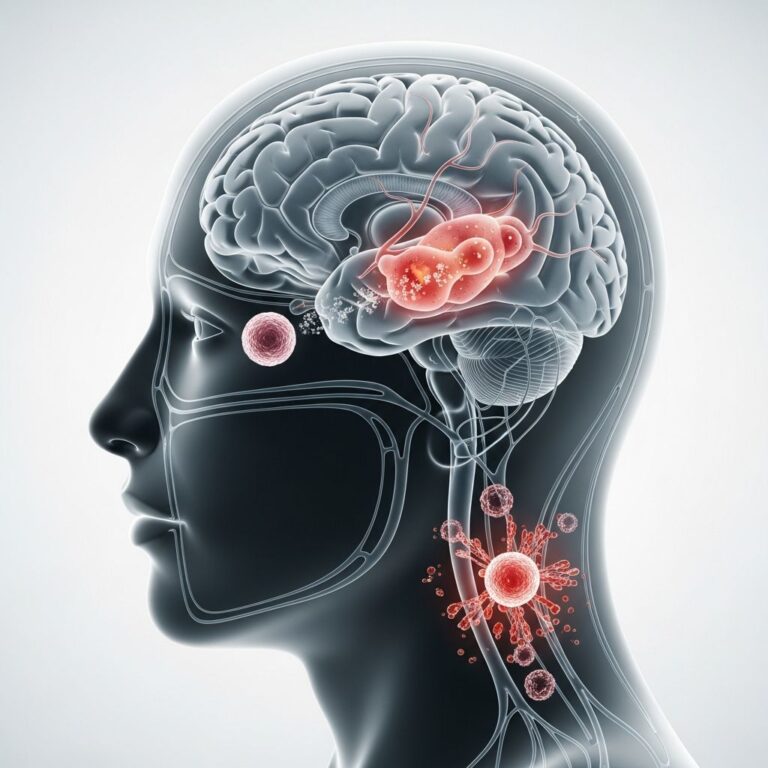
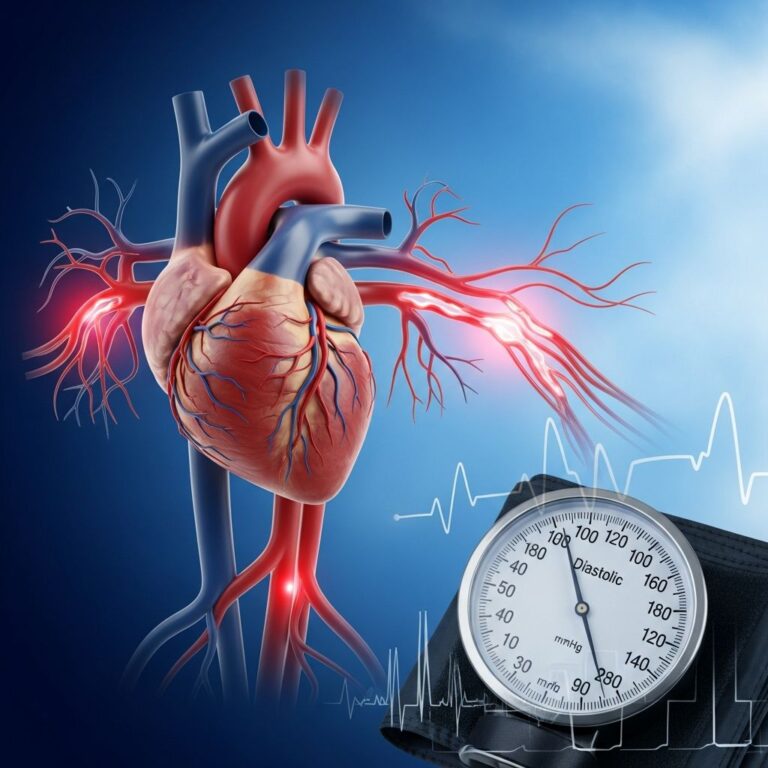
The stress and trauma from narcissistic abuse often manifests in the body through unexplainable physical symptoms. These are natural reactions of the body to psychological and emotional abuse.
Common physical symptoms include:
- Headaches and migraines
- High blood pressure
- Muscle aches and physical pain
- Digestion issues, including acid reflux and indigestion
- Nausea and upset stomach
- Appetite changes
- Restlessness and difficulty relaxing
- Insomnia and sleep disturbances
- Fatigue and low energy
Related Stories



These physical manifestations can be particularly distressing because victims may not initially connect them to the emotional abuse they’ve experienced. Over time, the cumulative stress response can lead to serious health consequences if left unaddressed.
Anxiety and Depression
Anxiety and depression are among the most common psychological consequences of narcissistic abuse. The constant criticism, hypervigilance about the narcissist’s next attack, and prolonged psychological manipulation create an environment of fear and hopelessness.
Victims often experience:
- Constant worry and generalized anxiety
- Feelings of hopelessness and despair
- Reduced sense of self-worth
- Difficulty seeing hopeful outcomes for the future
- Loss of interest in activities that previously brought joy
- Persistent nervousness and fear
- Panic attacks triggered by reminders of the abuse
The unpredictable nature of narcissistic abuse intensifies these symptoms. Because victims cannot predict whether they will receive criticism or affection, they remain in a constant state of heightened alert, which exhausts the nervous system and perpetuates anxiety and depression.
Restlessness and Hypervigilance
Many victims of narcissistic abuse experience persistent restlessness and a feeling of being “on edge” for months or even years after the relationship ends. This symptom reflects the lasting impact of emotional and psychological manipulation.
Hypervigilance—constantly scanning for danger—is a characteristic response to unpredictable abuse. Victims may:
- Listen intently for footsteps or changes in tone of voice
- Watch for slamming of objects or other signs of anger
- Carefully observe facial expressions and non-verbal behaviors
- Feel unable to relax or let their guard down
- Remain perpetually alert for signs their partner might become angry and abusive
This chronic state of alertness is exhausting and can take years to resolve, even after the victim has left the abusive relationship.
PTSD and Trauma Responses
Narcissistic abuse frequently produces symptoms consistent with Post-Traumatic Stress Disorder (PTSD), though this diagnosis is not always formally recognized in the context of psychological abuse. Victims may experience the full spectrum of PTSD symptoms, including:
- Reliving trauma through nightmares, night terrors, flashbacks, or dissociation
- A strong need to actively avoid anything reminiscent of the trauma, including conversations, places, thoughts, people, and objects
- Persistent negative thoughts about themselves, their worth, and the world
- Belief that any problems are their fault
- Persistent negative feelings including fear, sadness, anger, shame, and guilt
- Inability to feel positive emotions such as joy, hope, and peace
- Memory loss about particular instances of abuse
- Separation anxiety when not with the abuser
- Body aches and sleep disturbances
The traumatic impact of narcissistic abuse can be profound and long-lasting, affecting a person well after the relationship has ended.
Long-Term Effects and Consequences
The consequences of narcissistic abuse extend far beyond the duration of the abusive relationship. Victims often struggle with lasting effects that impact their quality of life, relationships, and sense of self.
Significant long-term effects include:
- Loss of identity and unclear sense of self
- Difficulty trusting their own judgment
- Persistent low self-worth or self-loathing
- Emotional numbness and difficulty experiencing positive emotions
- Isolation from friends and family
- Difficulty forming or maintaining healthy relationships
- Attention and concentration problems
- Sleep disturbances and insomnia
- Substance abuse as a coping mechanism
- Suicidal ideation in severe cases
Many victims become unaware of their worth and struggle to rebuild their identity after leaving an abusive relationship. The emotional damage from long-term manipulation can take months or years to heal.
Recognizing the Warning Signs Early
Early recognition of narcissistic abuse patterns can help victims seek help sooner and minimize long-term damage. Some key warning signs include:
- Your partner showers you with love, attention, and affection initially (love bombing), but this is followed by sudden withdrawal or criticism
- You frequently feel blamed for things you didn’t do or can’t control
- Your partner denies events that actually happened, causing you confusion and self-doubt
- You feel guilty for expressing your needs or setting boundaries
- Your partner makes hurtful jokes at your expense that feel personal
- You constantly walk on eggshells to avoid upsetting your partner
- You’ve been isolated from friends and family
- Your partner lacks empathy and dismisses your feelings
Recovery and Healing Strategies
Recovery from narcissistic abuse is possible, though it requires time, support, and commitment. Healing involves addressing both the psychological and physical symptoms while rebuilding identity and self-worth.
Effective recovery strategies include:
- Professional therapy: Working with a trauma-informed therapist can help process abuse, develop coping strategies, and rebuild self-esteem
- Setting healthy boundaries: Learning to communicate needs clearly and protect your well-being in future relationships
- Building a support network: Reconnecting with friends and family or joining support groups with others who’ve experienced similar abuse
- Lifestyle changes: Incorporating exercise, meditation, adequate sleep, and nutritious eating to support physical and mental recovery
- Journaling and reflection: Processing emotions and experiences through writing
- Self-compassion practices: Learning to forgive yourself and recognize that the abuse was not your fault
- Limiting contact: Implementing no contact or gray rock methods to minimize continued manipulation
Making healthy lifestyle changes and seeking professional help can significantly reduce symptoms of narcissistic abuse syndrome and facilitate genuine healing.
Frequently Asked Questions
Q: Is narcissistic abuse syndrome a recognized diagnosis?
A: Narcissistic abuse syndrome is an unofficial diagnosis. While it’s not in the Diagnostic and Statistical Manual of Mental Disorders (DSM-5), many mental health professionals recognize it as a valid constellation of symptoms resulting from narcissistic abuse. Some victims may meet criteria for PTSD or Complex PTSD instead.
Q: How long does recovery from narcissistic abuse take?
A: Recovery timelines vary significantly depending on the duration and severity of abuse, individual resilience, and quality of support. Some symptoms may improve within months, while others may take years to fully resolve. Consistent therapy and self-care can accelerate healing.
Q: Can someone with narcissistic traits change?
A: Change in individuals with narcissistic traits is difficult because they rarely acknowledge their harmful behavior or take responsibility for their actions. While some may benefit from therapy if motivated, most narcissists lack the insight and empathy necessary for genuine change.
Q: Is it safe to have contact with a narcissistic ex?
A: Many healing professionals recommend no contact or minimal contact when possible, as continued interaction can trigger trauma responses and impede recovery. If contact is necessary (e.g., co-parenting), using a gray rock approach—being boring and unemotional—can minimize manipulation.
Q: Can therapy help with narcissistic abuse trauma?
A: Yes, trauma-informed therapy is highly effective for healing from narcissistic abuse. A licensed therapist can help you process trauma, develop healthy coping mechanisms, rebuild self-esteem, and create strategies for future relationship health.
References
- 16 Signs of Narcissistic Abuse & Victim Syndrome — Choosing Therapy. 2024. https://www.choosingtherapy.com/narcissistic-abuse-syndrome/
- 12 Signs You Might Have Narcissistic Victim Syndrome — Healthline. 2024. https://www.healthline.com/health/narcissistic-victim-syndrome
- Narcissistic Abuse in Spokane Valley — We Level Up WA. 2024. https://welevelupwa.com/mental-health/narcissistic-abuse/
- Effects of Narcissistic Abuse: Signs, Impact & Recovery — Casa Pinellas. 2024. https://casapinellas.org/narcissistic-abuse/
- PTSD From Narcissistic Abuse: How to Recognize it and Recover — Willow House for Women. 2024. https://www.willowhouseforwomen.com/narcissistic-abuse-and-ptsd/
- Long-Term Effects of Narcissistic Abuse — Charlie Health. 2024. https://www.charliehealth.com/post/the-long-term-effects-of-narcissistic-abuse
- 6 Signs of Narcissistic Abuse — Psych Central. 2024. https://psychcentral.com/health/signs-youre-the-victim-of-narcissistic-abuse
Similar Articles








Read full bio of Sneha Tete