Surviving Narcissistic Family Holidays: 10 Essential Strategies
Expert strategies to navigate toxic family dynamics, set boundaries, and protect your mental health during holiday gatherings.
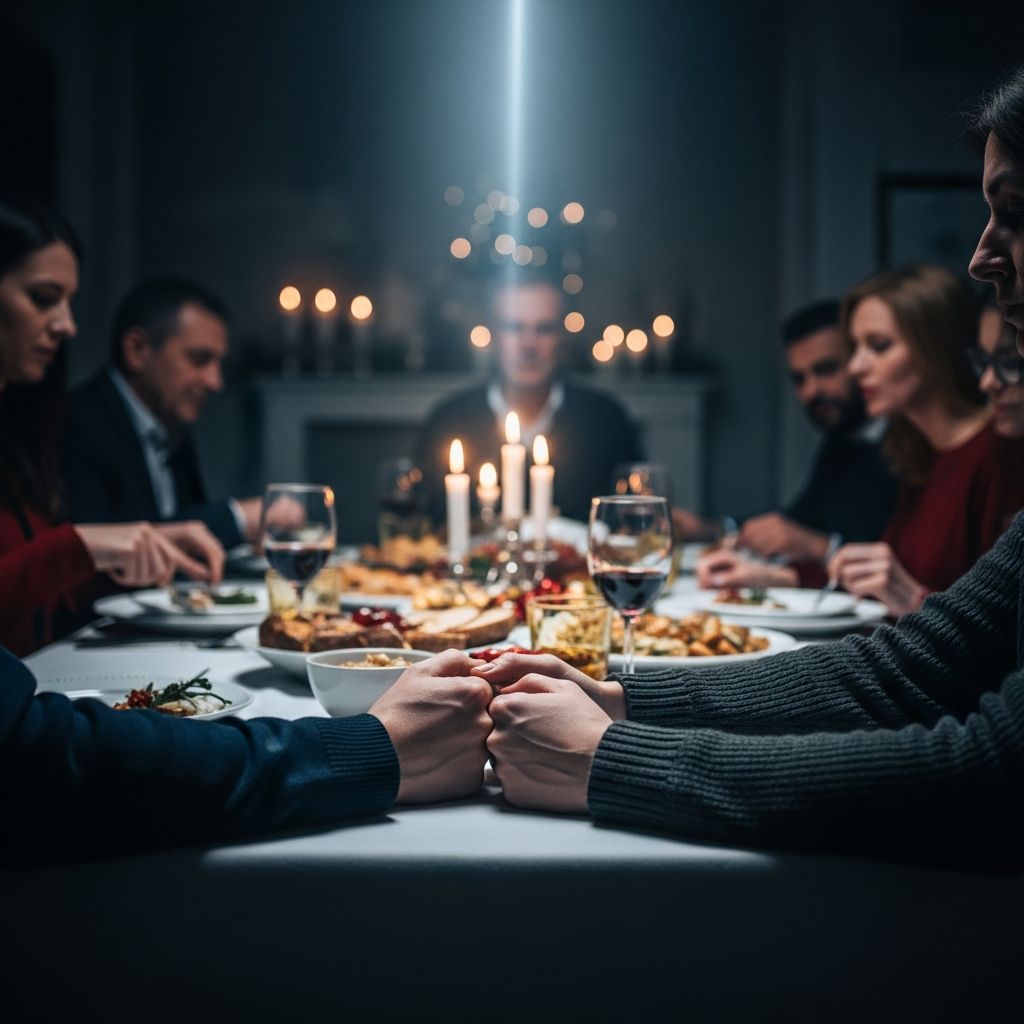
The holiday season, meant for joy and connection, can turn into a minefield of emotional manipulation and drama when narcissistic family members are involved. Narcissistic personality traits—such as grandiosity, lack of empathy, and a constant need for admiration—intensify during gatherings, turning family dinners into battlegrounds for attention and control. According to experts, these dynamics often stem from a family system where the narcissist assumes the starring role, casting others as supporting characters or scapegoats.
This article equips you with evidence-based strategies to protect your sanity, drawing from psychological insights and survivor experiences. By adjusting expectations, implementing boundaries, and prioritizing self-preservation, you can reclaim the holidays for yourself and loved ones.
Understanding Narcissistic Family Dynamics During Holidays
Narcissistic families operate like a dysfunctional theater production, with the narcissist demanding center stage. Holidays amplify this: increased social interactions provide more ‘supply’—attention, praise, or conflict—that fuels their ego. Overt narcissists may dominate conversations with bragging or loud posturing, while covert ones play the victim to elicit sympathy.
Common scenarios include belittling comments disguised as jokes, health crises fabricated for attention, or triangulation where the narcissist pits family members against each other. Children of narcissists often internalize roles like the ‘golden child’ or ‘scapegoat,’ leading to lifelong patterns of people-pleasing or avoidance. Research from clinical psychology highlights that exposure to such environments heightens risks for anxiety, depression, and codependency in adulthood.
Recognizing these patterns is the first step. You’re not responsible for their emotions or behavior— a key realization that frees you from futile fixing attempts. Instead, focus on what you can control: your responses and exposure.
Signs of Narcissism in Family Holiday Interactions
- Attention-seeking: Monopolizing conversations, interrupting others, or staging dramatic entrances/exits.
- Lack of empathy: Dismissing your feelings, one-upping stories, or criticizing holiday efforts like your cooking or gifts.
- Manipulation: Guilt-tripping for not attending every event, playing favorites, or creating conflicts to stay relevant.
- Entitlement: Expecting special treatment, like dictating menus or schedules, while giving little in return.
- Volatility: Sudden mood swings, often exacerbated by alcohol, leading to explosive arguments.
These behaviors aren’t personal attacks but reflections of the narcissist’s unmet needs. Acknowledging this fosters detachment.
10 Essential Strategies to Protect Yourself
Armed with awareness, implement these proven tactics. They’re adaptable whether you’re hosting, visiting, or opting out.
1. Set Clear Boundaries
Decide in advance your limits: time spent (e.g., one hour max), topics off-limits (politics, past grievances), or contributions (bake cookies but skip the dinner). Communicate assertively: “I’ll stay until 7 PM due to another commitment.” Stick to it despite pushback—narcissists test boundaries to regain control. Boundaries aren’t walls; they’re self-respect in action.
2. Choose Your Interactions Wisely
Prioritize supportive relatives; minimize time with toxic ones. Skip events altogether if needed, or arrive late/leave early citing kids’ schedules or headaches—subtle boundaries narcissists won’t clock as defiance.
3. Craft an Exit Plan
Drive separately, have a ‘pickup’ call ready, or identify a quiet retreat spot. If hosting, state an end time upfront: “Event wraps at 9 PM.” This empowers you, reducing anxiety.
Related Stories



4. Practice Radical Acceptance
Accept they won’t change—hoping for a ‘perfect’ holiday sets you up for failure. Grounded expectations: “They’ll criticize; I’ll gray rock and enjoy others.” This shifts focus to your peace.
5. Find Humor in the Absurdity
Turn provocations into a private game: Predict belittling comments or faux crises, reward yourself with a treat if right. Laughter creates emotional distance, defusing tension.
6. Create New Traditions
Ditch dysfunctional rituals. Bake with kids, volunteer, or host ‘orphans’ dinner with friends. Ask: “What memories do I want?” Build holidays around joy, not obligation.
7. Master Detachment Techniques
Gray Rock: Bland responses like “Okay” or “Hmm” starve them of reaction.
DEEP: Don’t Defend, Explain, Personalize, or Engage. To “Mom says you’re ungrateful,” reply: “I’ve offered to help with X.” Neutrality disarms.
8. Stay Out of the Drama
Resist triangulation. If sibling complains, state facts neutrally without JADE (Justify, Argue, Defend, Explain). Neutrality preserves your energy.
9. Practice Self-Compassion
Post-event, decompress with baths, walks, or therapy. Acknowledge the drain: “This is hard; I’m doing my best.” Self-kindness counters guilt.
10. Allow Yourself to Grieve
Mourning the ‘ideal’ family is valid. Boundaries feel like loss, but they enable healthier connections. Therapy helps process this.
Practical Tools: Gray Rock vs. DEEP Comparison
| Technique | Description | When to Use | Example Response |
|---|---|---|---|
| Gray Rock | Neutral, boring replies to avoid supply | Provocative comments | “I see.” |
| DEEP | Avoid defending/explaining | Accusations, guilt trips | “That’s your view.” (No elaboration) |
Self-Care Essentials Before, During, and After
- Before: Journal expectations, meditate, limit alcohol.
- During: Ally check-ins, breathing exercises, hydration.
- After: Debrief with therapist/friend, nurturing activities.
Mindfulness reduces reactivity; support networks validate experiences.
When to Go Low or No Contact
If strategies fail and harm persists, distance is healthy—not dramatic. Skip gatherings guilt-free; celebrate alternatively. Prioritizing mental health models resilience for kids.
Frequently Asked Questions (FAQs)
What if the narcissist guilts me for boundaries?
Hold firm: Guilt is manipulation. Repeat your limit calmly; their reaction is theirs.
Is it okay to skip family holidays entirely?
Yes—self-protection trumps obligation. Create fulfilling alternatives.
How does alcohol factor in?
Avoid or limit; it lowers inhibitions, escalating chaos. Plan sober exits.
Can therapy help long-term?
Absolutely. It unpacks patterns, builds coping skills.
What about kids in narcissistic families?
Shield them: Limit exposure, model boundaries, affirm their worth.
By applying these strategies, holidays transform from endurance tests to opportunities for growth and peace. You’re not alone—empowerment starts with choice.
References
- Diagnostic and Statistical Manual of Mental Disorders (DSM-5) — American Psychiatric Association. 2013 (authoritative standard for NPD traits). https://www.psychiatry.org/psychiatrists/practice/dsm
- Narcissistic Personality Disorder — Mayo Clinic. 2023-10-12. https://www.mayoclinic.org/diseases-conditions/narcissistic-personality-disorder/symptoms-causes/syc-20366662
- Coping With Narcissistic Relatives at the Holidays — Psychology Today (Dr. Tamara McClintock Greenberg). 2025-12. https://www.psychologytoday.com/us/blog/conquering-codependency/202512/coping-with-narcissistic-relatives-at-the-holidays
- 9 Ways to Cope with Narcissistic Family at the Holidays — Psychology Today. 2024-11. https://www.psychologytoday.com/us/blog/narcissism-demystified/202411/9-ways-to-cope-with-narcissistic-family-at-the-holidays
- Effects of Narcissistic Parenting — National Institute of Mental Health (via PubMed-linked studies). 2024. https://www.nimh.nih.gov/health/topics/mental-health-conditions
Similar Articles








Read full bio of medha deb