Narcissistic Personality Disorder: Symptoms, Types & Treatment
Understanding narcissistic personality disorder: symptoms, diagnosis, and effective treatment options.

What Is Narcissistic Personality Disorder?
Narcissistic Personality Disorder (NPD) is a mental health condition characterized by an excessive need for admiration, attention, or approval from others. It goes beyond simple arrogance or selfishness and deeply affects a person’s sense of self-esteem, identity, and how they interact with others. Individuals with NPD often struggle with feelings of failure or rejection, which can put their own health and well-being at risk.
Symptoms of Narcissistic Personality Disorder
The symptoms of NPD are rooted in thoughts, feelings, and behaviors. According to the American Psychiatric Association’s Diagnostic and Statistical Manual of Mental Disorders, Fifth Edition Text Revision (DSM-5-TR), there are nine key criteria for diagnosing NPD. To receive a diagnosis, a person must exhibit at least five of these traits in a pervasive pattern across various contexts of their life.
- Grandiose sense of self-importance: Individuals with NPD often exaggerate their achievements and talents, expecting to be recognized as superior without commensurate accomplishments.
- Frequent fantasies about having or deserving: They may fantasize about unlimited success, power, brilliance, beauty, or ideal love.
- Belief in superiority: They believe they are special and unique, and can only be understood by, or should associate with, other special or high-status people.
- Need for admiration: There is a constant need for excessive admiration from others.
- Entitlement: They expect special treatment and automatic compliance with their expectations.
- Willingness to exploit others: They take advantage of others to achieve their own ends.
- Lack of empathy: They are unwilling to recognize or identify with the feelings and needs of others.
- Envy of others or belief that others are envious of them: They may feel envious of others or believe that others are envious of them.
- Arrogant, haughty behaviors or attitudes: They display arrogant, haughty behaviors or attitudes.
Types of Narcissism: Overt vs. Covert
Narcissism can manifest in different ways, broadly categorized into overt and covert forms.
Overt Narcissism
Overt narcissists are the more recognizable type. They are loud, aggressive, and very expressive about their self-importance. They tend to be self-absorbed, vain, and outwardly confident, but often feel insecure and inadequate on the inside.
Covert Narcissism
Covert narcissism is a more introverted form. Covert narcissists may be sensitive to criticism, have difficulty fitting in, and may become self-deprecating to garner attention. They are prone to social anxiety, passive-aggressive behavior, and may exact revenge when they feel threatened. Despite their outward humility, they still have a deep need for admiration and validation.
Causes and Risk Factors
The exact causes of NPD are not fully understood, but research suggests a combination of genetic, environmental, and psychological factors. Some of the main contributing factors include:
- Genetics: There may be a genetic predisposition to developing NPD.
- Environment: Childhood experiences, such as excessive praise or criticism, can play a role.
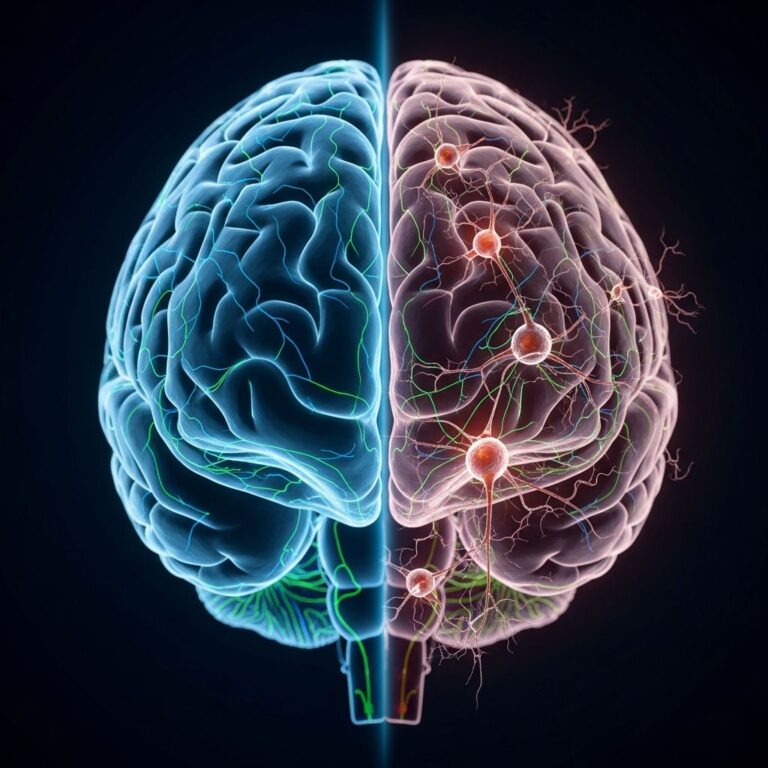
- Neurobiology: Studies have identified structural and functional abnormalities in the anterior insula and prefrontal cortex, which are linked to deficits in empathy, self-awareness, and social cognition.
Diagnosis of Narcissistic Personality Disorder
Diagnosing NPD typically involves a thorough evaluation by a mental health professional, such as a psychiatrist or psychologist. The process includes:
Related Stories



- Interviews: The clinician will talk to the individual and ask questions about their life and interactions with others, especially family, friends, or other loved ones.
- Assessment of criteria: The clinician will assess whether the individual meets at least five of the nine DSM-5-TR criteria for NPD.
- Ruling out other conditions: The clinician may also ask questions to rule out other mental health conditions with similar symptoms.
Treatment Options
While NPD can be challenging to treat, several approaches can help individuals manage their symptoms and improve their quality of life.
Psychotherapy
Psychotherapy, particularly cognitive-behavioral therapy (CBT), is the most common treatment for NPD. CBT helps individuals identify and change negative thought patterns and behaviors. It can also help them develop healthier coping strategies and improve their self-esteem.
Medication
There are no specific medications for NPD, but medications may be prescribed to treat co-occurring conditions such as depression or anxiety.
Support Groups
Support groups can provide a safe space for individuals with NPD to share their experiences and learn from others who are going through similar challenges.
Impact on Relationships
NPD can significantly affect personal and professional relationships. Individuals with NPD may struggle to form and maintain healthy relationships due to their need for admiration, lack of empathy, and tendency to exploit others. This can lead to conflicts, misunderstandings, and emotional distress for both the individual with NPD and their loved ones.
Living with Narcissistic Personality Disorder
Living with NPD can be challenging, but with the right support and treatment, individuals can learn to manage their symptoms and improve their quality of life. It is important to recognize that treatment can help improve relationships, personal and professional success, and overall well-being.
Frequently Asked Questions (FAQs)
Q: Can narcissistic personality disorder be cured?
A: While NPD cannot be completely cured, with proper treatment, individuals can learn to manage their symptoms and improve their quality of life.
Q: How is NPD different from normal narcissism?
A: Normal narcissism involves a healthy sense of self-importance and confidence. NPD, on the other hand, is a pervasive pattern of grandiosity, need for admiration, and lack of empathy that significantly impairs functioning.
Q: What are the signs of covert narcissism?
A: Signs of covert narcissism include sensitivity to criticism, difficulty fitting in, self-deprecation, social anxiety, and passive-aggressive behavior.
Q: Can NPD be treated with medication?
A: There are no specific medications for NPD, but medications may be prescribed to treat co-occurring conditions such as depression or anxiety.
Q: How can I help someone with NPD?
A: The best way to help someone with NPD is to encourage them to seek professional help, set healthy boundaries, and avoid engaging in their manipulative behaviors.
References
- Narcissistic Personality Disorder: Symptoms & Treatment — Cleveland Clinic. 2023. https://my.clevelandclinic.org/health/diseases/9742-narcissistic-personality-disorder
- 6 Traits of Covert Narcissism — Health Cleveland Clinic. 2023. https://health.clevelandclinic.org/covert-narcissism
- Narcissistic Personality Disorder through psycholinguistic analysis — PMC. 2023. https://pmc.ncbi.nlm.nih.gov/articles/PMC11299496/
Similar Articles








Read full bio of medha deb