Narcolepsy And Cataplexy: Symptoms, Diagnosis, And Treatment
Understand narcolepsy symptoms like cataplexy, sleep paralysis, and excessive daytime sleepiness, plus diagnosis and treatment options.
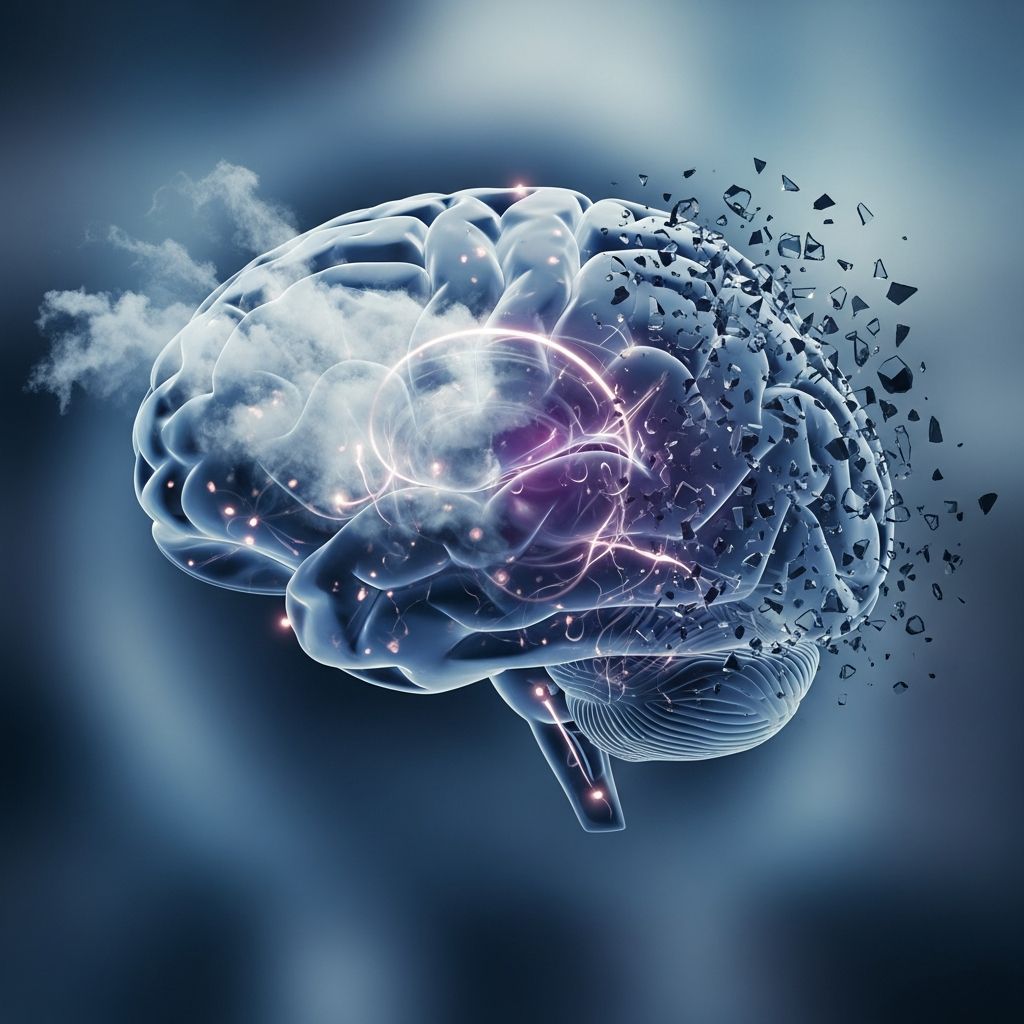
Narcolepsy is a chronic neurological disorder characterized by excessive daytime sleepiness (EDS) and often cataplexy, sudden loss of muscle tone triggered by emotions. It disrupts normal sleep-wake cycles, affecting daily life, work, and safety. This leaflet explains symptoms, causes, diagnosis, treatment, and self-help strategies based on clinical guidelines.
What is Narcolepsy?
Narcolepsy involves the brain’s inability to regulate sleep-wake cycles properly, leading to sudden sleep attacks and other symptoms. There are two main types:
type 1
with cataplexy (affecting about 70% of patients) due to hypocretin deficiency, andtype 2
without cataplexy. Symptoms typically start in adolescence or early adulthood, persisting lifelong without a cure, though manageable with treatment.The hallmark is EDS, where individuals fall asleep uncontrollably during the day, even in stimulating situations like conversations or driving. Episodes last seconds to minutes but can cluster, causing profound fatigue.
Symptoms of Narcolepsy
Core symptoms form the “narcoleptic tetrad”: EDS, cataplexy, sleep paralysis, and hypnagogic/hypnopompic hallucinations. Not all occur in every patient.
Excessive Daytime Sleepiness (EDS)
Patients experience irresistible urge to sleep during daytime, with sleep attacks lasting 10-30 minutes. They wake refreshed briefly but fatigue returns quickly. EDS persists almost daily for at least 3 months for diagnosis.
- Sleep attacks triggered by monotonous activities.
- Microsleeps: brief, unaware lapses into sleep.
- Impaired concentration, memory, and mood.
One study showed treated patients improve executive functions like planning and attention.
Cataplexy
**Cataplexy** is pathognomonic for narcolepsy type 1: sudden bilateral loss of voluntary muscle tone with preserved consciousness, triggered by strong emotions like laughter, anger, surprise, or excitement. Attacks last seconds to minutes, ranging from mild (drooping face, slurred speech, weak knees) to severe (full collapse).
- Affects 60-70% of narcolepsy patients.
- May improve spontaneously or with treatment, sometimes resolving post-retirement.
- Rarely, status cataplecticus: prolonged, frequent episodes.
Sleep Paralysis
Brief episodes (seconds to minutes) of inability to move or speak while falling asleep or waking, with full awareness. Affects about one-third of patients. Often alarming, with chest pressure illusion despite normal breathing.
Hypnagogic and Hypnopompic Hallucinations
Vivid, dream-like visions, sounds, or sensations at sleep onset (hypnagogic) or awakening (hypnopompic). Mostly visual but can be auditory or tactile, causing fear.
Disrupted Nighttime Sleep
Fragmented sleep with frequent awakenings, despite EDS. Total sleep time may be normal, but quality is poor.
Causes of Narcolepsy (Aetiology)
The exact cause is unknown, involving genetic and environmental factors. Key is loss of hypocretin (orexin)-producing neurons in the hypothalamus, which regulate wakefulness, appetite, and reward.
- Hypocretin deficiency: Autoimmune destruction in type 1, linked to HLA-DQB1*06:02 gene (near 100% association).
- Triggers: Infections (e.g., streptococcus, influenza), head trauma, or hormones.
- Type 2: Normal hypocretin levels, possibly other mechanisms.
Related Stories



Immunological loss of few neurons explains selective symptoms. Family history increases risk 10-40-fold.
Diagnosis
Diagnosis requires clinical history plus objective tests, as symptoms mimic other conditions.
Diagnostic Criteria (Narcolepsy with Cataplexy)
- EDS nearly daily ≥3 months.
- Cataplexy: emotion-triggered muscle tone loss.
- Confirm with:
| Test | Description |
|---|---|
| Nocturnal Polysomnography (PSG) | Overnight sleep study assessing sleep stages. |
| Multiple Sleep Latency Test (MSLT) | 4-5 daytime naps; mean sleep latency ≤8 min + ≥2 SOREMPs (sleep-onset REM periods) diagnostic. |
| CSF Hypocretin-1 | ≤110 pg/mL or <1/3 mean control confirms. |
Actigraphy or questionnaires like Epworth Sleepiness Scale aid assessment.
Differential Diagnosis
Wide range; rule out:
- EDS: Sleep deprivation, OSA, drugs, hypersomnias.
- Cataplexy mimics: Drop attacks, syncope, seizures, TIA, periodic paralysis, psychiatric issues.
Treatment
No cure; goals: maximize daytime alertness, minimize cataplexy and disruptions with least medication. Combine drugs, lifestyle, behavioral therapy. NHS restricts some drugs to post-failure of first-lines.
Lifestyle and Behavioral Measures
First-line non-drug strategies:
- Scheduled naps: 2-3 short (15-20 min) daily naps reduce EDS.
- Regular sleep schedule: 7-8 hours nightly.
- Avoid triggers: Heavy meals, alcohol, caffeine late.
- Exercise: Moderate daily activity.
- Healthy diet; stress management therapy.
Drug Treatment for EDS
Stimulants promote wakefulness:
| Drug | Use | Notes |
|---|---|---|
| Modafinil | First-line | MHRA warnings; effective, fewer side effects. |
| Methylphenidate/Dexamfetamine | Second-line | For inadequate modafinil response. |
| Solriamfetol | Option if above fail | NHS restricted. |
| Sodium Oxybate | Severe cases + cataplexy | Improves EDS, cataplexy, night sleep. |
Drug Treatment for Cataplexy and REM Symptoms
Antidepressants suppress REM:
- SSRIs (fluoxetine, paroxetine): 10-80 mg daily.
- SNRIs (venlafaxine): 37.5-150 mg.
- TCAs (clomipramine): 10-150 mg.
- Sodium oxybate: FDA-approved for both EDS/cataplexy; taken at bedtime + night dose.
Abrupt stop risks rebound cataplexy. Monitor for serotonin syndrome with serotonergics. Benzodiazepines for refractory night sleep.
Future Treatments
Promising: Immunotherapies (IVIG), H3 agonists, hypocretin agonists/transplants, gene therapy, nicotine.
Complications
- Safety risks: Driving/operating machinery accidents.
- Status cataplecticus from drug withdrawal.
- Psychosocial: Depression, job loss, isolation.
- Obesity from disrupted metabolism.
Prognosis
Lifelong but manageable; cataplexy may lessen over time. Regular specialist follow-up optimizes control.
When to See a Doctor
Seek help for persistent daytime sleepiness, muscle weakness episodes, or hallucinations. Urgent if affecting safety.
Living with Narcolepsy
Join support groups; inform employer/school for accommodations like naps. Avoid hazardous activities until stable.
Frequently Asked Questions (FAQs)
Q: Is narcolepsy curable?
A: No, but symptoms are well-managed with medications and lifestyle changes.
Q: Does cataplexy always occur in narcolepsy?
A: No, only in type 1 (60-70% of cases).
Q: Can narcolepsy cause driving accidents?
A: Yes, EDS poses high risk; many countries restrict unlicensed driving.
Q: Are stimulants safe long-term?
A: Generally yes with monitoring; side effects include insomnia, anxiety.
Q: How is hypocretin deficiency diagnosed?
A: Via lumbar puncture measuring CSF levels ≤110 pg/mL.
References
- Narcolepsy and Cataplexy (Causes, Symptoms and Treatment) — Patient.info. 2023. https://patient.info/doctor/history-examination/narcolepsy-and-cataplexy-pro
- Narcolepsy: Symptoms & Treatment — University of Utah Health. 2024-10-15. https://healthcare.utah.edu/sleep-medicine/narcolepsy
- Narcolepsy Causes, Symptoms, and Treatment Options — Brown University Health. 2023-05-12. https://www.brownhealth.org/be-well/narcolepsy-causes-symptoms-and-treatment-options
- Cataplexy – StatPearls — NCBI Bookshelf / NIH. 2023-07-17. https://www.ncbi.nlm.nih.gov/books/NBK549782/
- Narcolepsy – Treatment — NHS.uk. 2024. https://www.nhs.uk/conditions/narcolepsy/treatment/
- Narcolepsy — Cleveland Clinic. 2024-02-28. https://my.clevelandclinic.org/health/diseases/12147-narcolepsy
- Narcolepsy – Symptoms and causes — Mayo Clinic. 2023-11-09. https://www.mayoclinic.org/diseases-conditions/narcolepsy/symptoms-causes/syc-20375497
Similar Articles








Read full bio of Sneha Tete