Narcolepsy Treatments: Proven Meds, Lifestyle, And New Options
Explore comprehensive narcolepsy treatments including medications, lifestyle strategies, and emerging therapies to manage symptoms effectively.
Narcolepsy Treatments
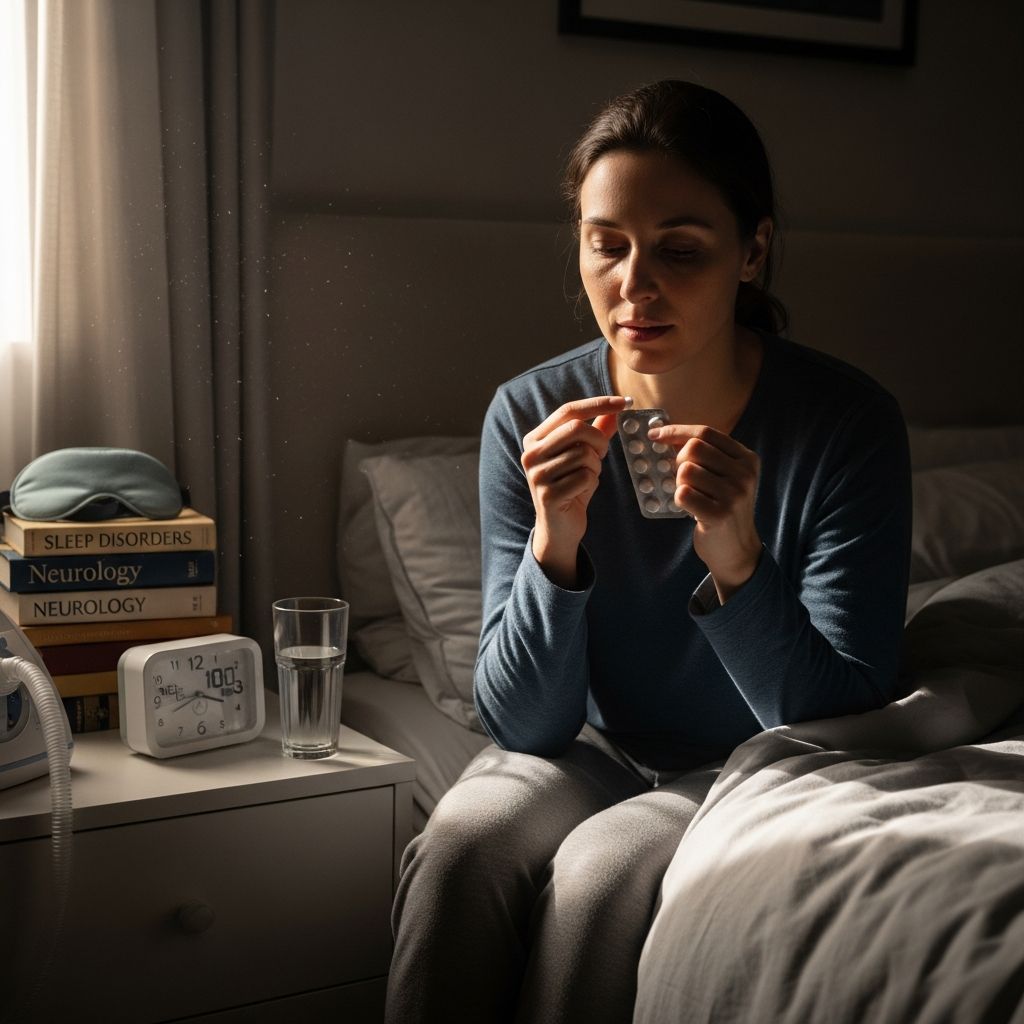
Narcolepsy is a chronic neurological disorder characterized by excessive daytime sleepiness, cataplexy, sleep paralysis, and hallucinations. While there is no cure, a combination of medications and lifestyle modifications effectively manages symptoms for most patients.
What Is Narcolepsy?
Narcolepsy disrupts the brain’s ability to regulate sleep-wake cycles, often due to loss of hypocretin-producing neurons. Type 1 involves cataplexy (sudden muscle weakness), while Type 2 does not. Symptoms profoundly impact daily life, but tailored treatments improve wakefulness and quality of life.
Medicines for Narcolepsy
Pharmacotherapy targets excessive daytime sleepiness (EDS), cataplexy, and disrupted nighttime sleep. Treatments are individualized, often combining drugs for optimal results.
Stimulants
**Stimulants** are first-line for EDS, promoting wakefulness by stimulating the central nervous system. Modafinil (Provigil) and armodafinil (Nuvigil) are preferred due to lower abuse potential and fewer side effects like headache or nausea. Newer options include solriamfetol (Sunosi), a dopamine-norepinephrine reuptake inhibitor effective in trials for improving wakefulness (e.g., Epworth Sleepiness Scale scores). Pitolisant (Wakix) acts as a histamine H3 receptor inverse agonist, aiding both EDS and cataplexy. Traditional stimulants like methylphenidate (Ritalin) or amphetamines (Adderall) are reserved for refractory cases due to habit-forming risks and cardiovascular effects.
Antidepressants
Serotonin-norepinephrine reuptake inhibitors (SNRIs) and selective serotonin reuptake inhibitors (SSRIs) suppress rapid eye movement (REM) sleep, reducing cataplexy, hallucinations, and sleep paralysis. Venlafaxine (Effexor XR), fluoxetine (Prozac), duloxetine (Cymbalta), and sertraline (Zoloft) are commonly used, though side effects include weight gain and insomnia. Tricyclic antidepressants like clomipramine (Anafranil) offer similar benefits but cause more side effects such as dry mouth and dizziness.
Sodium Oxybate and Oxybate Salts
Sodium oxybate (Xyrem, Lumryz) and low-sodium oxybate salts (Xywav) improve nighttime sleep consolidation, reducing EDS and cataplexy. Administered in divided nighttime doses, they enhance slow-wave sleep but carry risks like nausea, sleepwalking, and respiratory depression—especially with alcohol or opioids. Lumryz offers once-nightly dosing for convenience. These are often used adjunctively with stimulants.
Lifestyle Changes for Narcolepsy
Non-pharmacological strategies complement medications, enhancing treatment efficacy.
- Consistent Sleep Schedule: Maintain fixed bed and wake times daily, including weekends, to stabilize circadian rhythms.
- Scheduled Naps: 20-minute naps 1-3 times daily refresh alertness for hours without nighttime interference.
- Exercise: Moderate activity 4-5 hours before bed improves sleep quality and daytime vigilance.
- Avoid Triggers: Limit nicotine, alcohol, and over-the-counter drowsy antihistamines, which exacerbate symptoms.
- Diet and Education: Educate family; track symptom triggers for personalized management.
Emerging and Future Treatments
Research targets hypocretin (orexin) deficiency, the root cause in most cases. Orexin receptor agonists, like those in NEJM trials, dramatically improved wakefulness (e.g., maintenance of wakefulness test up to 38 minutes) via IV or oral delivery. These could revolutionize Type 1 narcolepsy treatment with minimal side effects. Immunotherapy and other hypocretin-modulating drugs are under study, though not yet available. Solriamfetol and pitolisant represent recent advances, expanding options.
Treatment Considerations and Side Effects
Individual responses vary; providers adjust based on symptom dominance (EDS vs. cataplexy). Drug interactions are common—consult professionals before adding medications. Monitoring for side effects is essential:
| Drug Class | Common Side Effects | Key Warnings |
|---|---|---|
| Stimulants (modafinil, solriamfetol) | Headache, nausea, anxiety | Low abuse risk; monitor heart rate |
| SNRIs/SSRIs | Weight gain, insomnia, GI issues | REM suppression benefits cataplexy |
| Sodium oxybate | Nausea, bedwetting, sleepwalking | No alcohol/opioids; breathing risks |
| Amphetamines | Nervousness, tachycardia | Habit-forming; use cautiously |
Follow regimens closely for best outcomes.
Who Treats Narcolepsy?
Sleep specialists, neurologists, and pulmonologists diagnose via polysomnography and multiple sleep latency tests. Multidisciplinary care includes therapists for coping strategies.
Frequently Asked Questions (FAQs)
What is the best treatment for narcolepsy?
No single best; combinations like modafinil for EDS plus sodium oxybate for cataplexy work for many. Personalization is key.
Can narcolepsy be cured?
No cure exists, but symptoms are well-managed with meds and lifestyle changes.
Is sodium oxybate safe?
Effective but requires careful use; avoid with depressants due to coma risk.
How do lifestyle changes help narcolepsy?
They enhance meds by improving sleep hygiene and reducing triggers.
What new narcolepsy drugs are coming?
Orexin agonists show promise in trials for restoring natural wakefulness.
Support and Next Steps
Join support groups; track symptoms in a journal. Consult providers promptly if symptoms worsen. With proper management, most lead fulfilling lives.
References
- Narcolepsy – Diagnosis and treatment — Mayo Clinic. 2024-08-30. https://www.mayoclinic.org/diseases-conditions/narcolepsy/diagnosis-treatment/drc-20375503
- Narcolepsy: What It Is, Causes, Symptoms & Treatment — Cleveland Clinic. 2023-11-15. https://my.clevelandclinic.org/health/diseases/12147-narcolepsy
- Daily Life – Sleep Health Education — Harvard Medical School Division of Sleep Medicine. 2023-01-10. https://sleep.hms.harvard.edu/education-training/public-education/sleep-and-health-education-program/sleep-health-education-5
- A New Hope for Narcolepsy: Is the Future Nearly Here? — Mayo Clinic (Podcast). 2024-08-30. https://www.youtube.com/watch?v=KXsqPsbQH1I
Similar Articles





Read full bio of medha deb