Nasal Cannula: Oxygen Delivery and Treatment Guide
Complete guide to nasal cannula therapy: how it works, uses, benefits, and care.
What Is a Nasal Cannula?
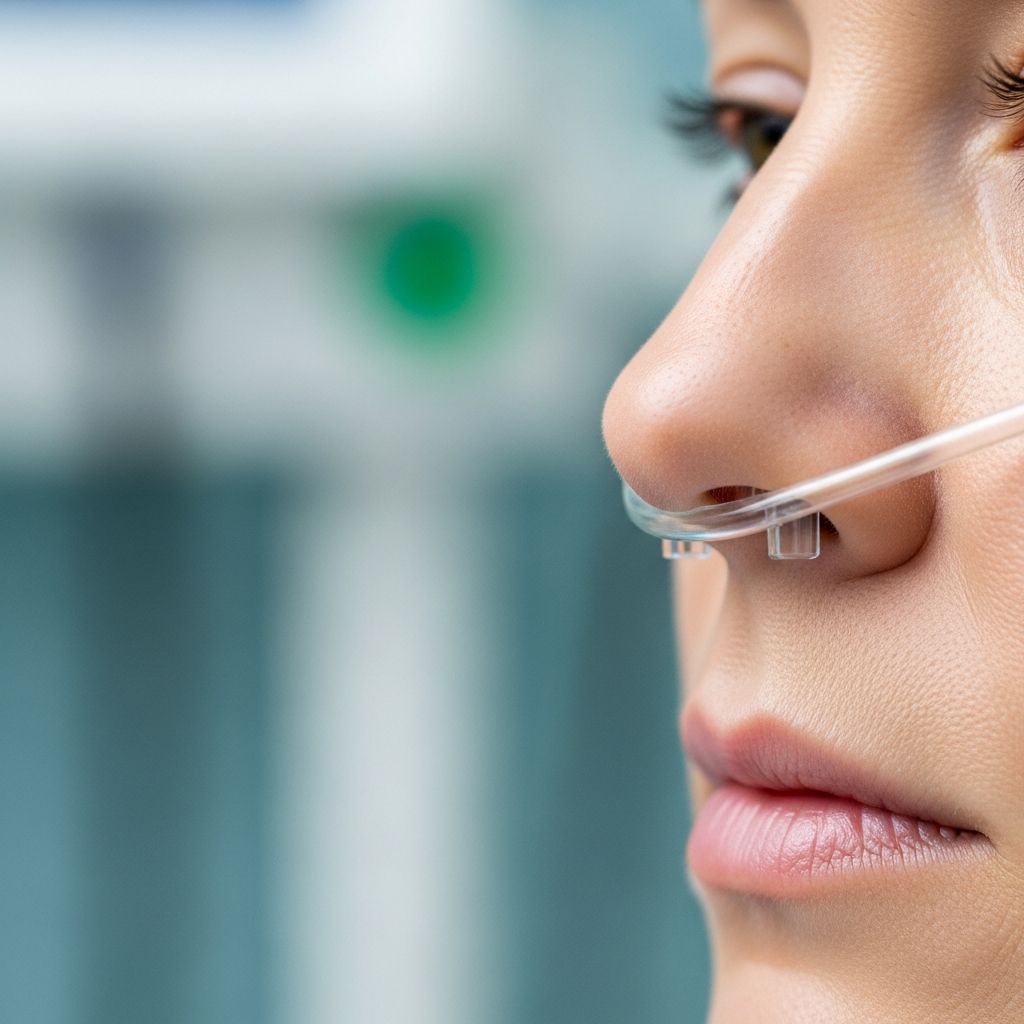
A nasal cannula is a lightweight medical device designed to deliver supplemental oxygen to patients who require additional oxygen support but can breathe on their own. The device consists of a thin, flexible plastic tube that splits into two small prongs at one end, which are gently inserted into the nostrils and curve toward the sinuses behind the nose. The other end of the tube connects to an oxygen supply system, such as a portable oxygen concentrator, compressed oxygen tank, or a wall connection in a hospital setting via a flowmeter. The cannula is typically secured to the patient by looping the tubing around the ears or using an elastic headband, providing comfort and stability during use.
Unlike oxygen masks that cover the mouth and nose, nasal cannulas offer a less invasive approach to oxygen therapy. This design allows patients to eat, drink, and speak freely while receiving treatment, making it an ideal choice for long-term oxygen therapy and various clinical settings.
How Nasal Cannulas Work
Nasal cannulas function by delivering a mixture of air and oxygen directly through the nostrils. The device operates with an oxygen delivery system that can be one of two primary types: compressed oxygen stored in metal tanks under pressure, or oxygen concentrators that separate nitrogen from ambient air to deliver purified oxygen. The oxygen flows through the flexible tubing at controlled rates, typically measured in liters per minute (L/min).
Standard nasal cannulas deliver low-flow oxygen at rates of 1 to 3 liters per minute for adults, providing oxygen concentrations between 28 to 44 percent. However, there are also high-flow nasal cannula (HFNC) systems available that can deliver up to 60 liters per minute of heated and humidified oxygen at nearly 100 percent concentration. High-flow systems offer greater control over oxygen delivery and improved patient outcomes, as all settings are managed independently for precise FiO2 (fraction of inspired oxygen) delivery.
The nasal passages naturally warm and humidify the delivered air, making the therapy comfortable for patients. High-flow systems take this further by pre-warming and humidifying the gas to approximately 100 percent relative humidity at body temperature before delivery, which allows higher flow rates to be administered comfortably.
Types of Nasal Cannula Systems
There are two main categories of nasal cannula systems available for clinical use:
Low-Flow Nasal Cannulas: These are the most commonly used oxygen delivery devices and are suitable for most patients requiring supplemental oxygen. They deliver oxygen at flow rates up to 5 liters per minute. At rates above 5 L/min, the flow becomes turbulent, and the oxygen therapy becomes no more effective than delivering 5 to 6 L/min. Low-flow cannulas are inexpensive, disposable, and easily accepted by patients across all age groups.
High-Flow Nasal Cannulas (HFNC): These advanced systems are capable of delivering up to 60 liters per minute of heated and humidified oxygen. HFNC therapy provides more effective secretion clearance, decreases atelectasis (collapsed lung tissue), and prevents dehydration of the airway mucosa. These systems allow independent control of temperature, humidity, and oxygen concentration, providing clinicians with precise therapeutic flexibility.
Medical Uses and Clinical Applications
Nasal cannulas are prescribed for a wide range of respiratory and cardiac conditions where patients require supplemental oxygen but maintain the ability to breathe independently. Healthcare providers recommend nasal cannulas when patients need extra oxygen due to health conditions or environmental factors that lower oxygen levels in the blood.
Common respiratory conditions treated with nasal cannulas include:
– Chronic obstructive pulmonary disease (COPD)- Asthma, bronchitis, and emphysema- Pneumonia and severe respiratory infections- Cystic fibrosis- Pulmonary fibrosis- Bronchopulmonary dysplasia (underdeveloped lungs in newborns)- Sleep apnea- COVID-19 and other viral respiratory infections
Cardiac and other conditions:
– Congestive heart failure- Acute heart failure with pulmonary edema- Collapsed lung (pneumothorax)- Respiratory failure (acute hypoxemic or post-surgical)- Recovery from serious illness or surgery- Pre and post-extubation support
Related Stories



Special situations: Nasal cannulas are also used during high-altitude travel where the air is thin and oxygen supplementation is needed to maintain normal oxygen levels.
Benefits of Nasal Cannula Therapy
Nasal cannulas offer numerous advantages over other oxygen delivery methods, making them the preferred choice for many patients and healthcare settings.
Comfort and Convenience: Unlike oxygen masks, nasal cannulas do not cover the mouth and nose, significantly reducing feelings of claustrophobia. Patients can eat, drink, speak, and communicate normally while receiving oxygen therapy, which is particularly important for long-term treatment and maintaining quality of life.
Accessibility and Practicality: Nasal cannulas are available for all age groups, from newborns with underdeveloped lungs to elderly patients with chronic lung diseases. They are inexpensive, disposable, and easily accepted by most patients, making them accessible in various healthcare settings.
Versatility: The devices are suitable for both short-term and long-term oxygen therapy, can be used in hospitals, outpatient settings, and home environments, and patients can travel with portable oxygen systems while wearing the cannula.
Clinical Effectiveness: There is evolving evidence that high-flow nasal cannula therapy reduces the need for invasive ventilation in patients initially treated with HFNC for new-onset respiratory failure and exacerbations of chronic pulmonary disease. HFNC therapy allows for more effective secretion clearance and prevents airway drying.
Potential Risks and Side Effects
While nasal cannulas are generally safe and well-tolerated, some patients may experience adverse effects, particularly with improper use or at higher flow rates.
Nasal and Sinus Irritation: Flow rates above 5 liters per minute can cause discomfort, drying of the nasal passages, and possibly nosebleeds (epistaxis), particularly with low-flow systems. This occurs because higher flow rates create turbulent air that can irritate nasal tissues.
Skin Irritation: Prolonged use of the cannula tubing around the ears or face may cause mild skin irritation or pressure areas, though this is generally preventable with proper positioning and skin care.
Pneumothorax (Collapsed Lung): There is a small risk of developing a collapsed lung during high-flow nasal cannula treatment, though this is rare. In one study, approximately 1 percent of children receiving supplemental oxygen via nasal cannula developed a pneumothorax.
Contraindications: Nasal cannulas may not be suitable for mouth breathers or patients with severe nasal obstruction. Additionally, patients with vasoconstriction concerns, such as those with a history of stroke, should be carefully evaluated before use.
Proper Usage and Care Instructions
To ensure safe and effective oxygen therapy, patients and caregivers should understand proper usage and maintenance of nasal cannulas.
Initial Setup: The prongs should be gently inserted into the nostrils, curving toward the sinuses behind the nose. The tubing should loop comfortably around the ears and meet below the chin, where it connects to the oxygen concentrator or tank. Ensure the tubing is not kinked or compressed, which could obstruct oxygen flow.
Flow Rate Adjustment: Follow your healthcare provider’s prescribed flow rate settings carefully. Standard rates typically range from 1 to 3 liters per minute for low-flow systems, though your specific needs may vary based on your condition. Never adjust flow rates without consulting your physician.
Maintenance and Cleaning: Replace the nasal cannula regularly, as recommended by your healthcare provider, typically every 2 to 4 weeks or when visibly soiled or damaged. Keep the oxygen delivery system clean and well-maintained according to manufacturer instructions. Check tubing regularly for cracks, kinks, or damage.
Safety Precautions: Keep oxygen away from open flames, smoking materials, and heat sources, as oxygen accelerates combustion. Store oxygen concentrators or tanks in cool, well-ventilated areas. Ensure backup oxygen supplies are available in case of equipment failure.
Hygiene: Wash your face and the areas where the cannula contacts your skin daily to prevent irritation. Check your nostrils for signs of irritation or dryness, and use saline nasal drops if needed to maintain moisture.
When Oxygen Mask or Ventilation Is Needed Instead
While nasal cannulas are effective for many patients, some situations require alternative oxygen delivery methods. Patients who require higher concentrations of oxygen or who cannot breathe independently may need non-rebreather masks or mechanical ventilation. Mouth breathers or individuals with severe nasal obstruction may not tolerate cannulas effectively and should use alternative devices. In emergency situations or cases of severe respiratory distress, clinicians may transition patients to more invasive support options.
Frequently Asked Questions
Q: How long can I wear a nasal cannula safely?
A: Nasal cannulas are designed for both short-term and long-term use. You can wear them continuously throughout the day and night if prescribed by your doctor. However, you should take brief breaks periodically to allow your nasal passages to rest and prevent irritation. Always follow your healthcare provider’s specific recommendations for your situation.
Q: Can I sleep while wearing a nasal cannula?
A: Yes, many patients sleep while wearing nasal cannulas. Ensure the tubing is positioned comfortably around your ears and that there are no kinks in the tubing. Some patients find using a headband or cannula stabilizer helpful for comfort during sleep. If you experience discomfort or disrupted sleep, discuss this with your healthcare provider.
Q: What should I do if I experience nasal irritation?
A: If you experience dryness, irritation, or nosebleeds, inform your healthcare provider immediately. They may recommend saline nasal drops or adjust your flow rate. Ensure you are not exceeding 5 liters per minute if using a low-flow system, as higher rates increase irritation risk. Taking brief rest periods between oxygen sessions may also help.
Q: Can I travel with a nasal cannula?
A: Yes, traveling with a nasal cannula is possible. You can use portable oxygen concentrators or compressed oxygen tanks. If flying, notify the airline in advance and bring documentation from your healthcare provider. Keep backup oxygen supplies and equipment readily available during travel.
Q: How do I know if my cannula needs replacement?
A: Replace your nasal cannula every 2 to 4 weeks or sooner if it becomes cracked, bent, discolored, or visibly soiled. Damaged cannulas may not deliver oxygen effectively and can cause discomfort. Always have spare cannulas available at home.
Q: Is a nasal cannula suitable for children and infants?
A: Yes, nasal cannulas are available and suitable for all age groups, including infants and children. Pediatric nasal cannulas are smaller to fit children’s proportions. Your healthcare provider will prescribe the appropriate cannula size and oxygen flow rate for your child’s age and condition.
References
- High-Flow Nasal Cannula — National Center for Biotechnology Information (NCBI), U.S. National Library of Medicine. 2024. https://www.ncbi.nlm.nih.gov/books/NBK526071/
- All About Nasal Cannulas — Apria Healthcare. 2024. https://www.apria.com/home-healthcare-insights/all-about-nasal-cannulas
- Nasal Cannula — Wikipedia. 2024. https://en.wikipedia.org/wiki/Nasal_cannula
- What Is a Nasal Cannula? Complete Guide to Types, Uses, and Benefits — GBL Pharma. 2024. https://www.gblpharma.com/what-is-a-nasal-cannula-complete-guide-to-types-uses-and-benefits/
- Nasal Cannula: What It Is and When To Use One — WebMD. 2024. https://www.webmd.com/lung/what-is-a-nasal-cannula
- Nasal Cannulas and Face Masks — Healthline. 2024. https://www.healthline.com/health/nasal-cannulas-and-face-masks
- Proper Usage and Care of a Nasal Cannula — Precision Medical, Inc. 2024. https://precisionmedical.com/proper-usage-and-care-of-a-nasal-cannula/
- Oxygen Therapy: Nasal Cannula or Oxygen Mask — Elsevier Health. 2024. https://elsevier.health/en-US/preview/oxygen-therapy-nasal-cannula-or-oxygen-mask
Similar Articles








Read full bio of medha deb