Nasal Congestion: Complete Guide To Causes, Relief, And Care
Understand nasal congestion: from common causes like colds to chronic issues, plus effective remedies for fast relief.
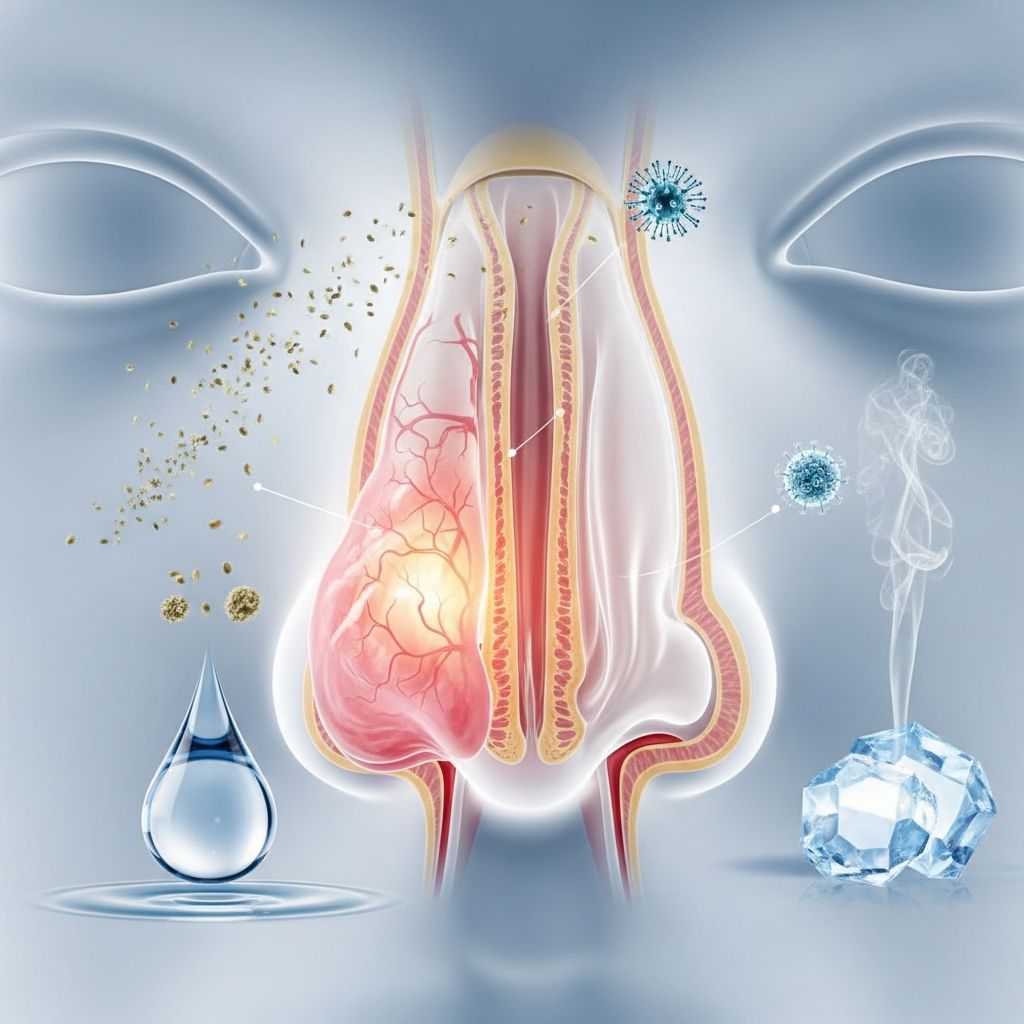
A stuffy or congested nose can make breathing uncomfortable, disrupt sleep, and affect your daily routine. Nasal congestion, medically known as rhinitis, occurs when the tissues lining the nasal passages become inflamed and swollen, blocking airflow. While often a symptom of the common cold or allergies, it can stem from various causes and range from mild annoyance to a chronic issue requiring medical attention. This comprehensive guide covers everything you need to know about nasal congestion, including its causes, symptoms, effective treatments, and prevention strategies.
What Is Nasal Congestion?
Nasal congestion happens when blood vessels in the nasal passages dilate and fluid leaks into surrounding tissues, causing swelling that obstructs airflow. This natural response aims to trap irritants or fight infections but can become problematic when prolonged. According to the National Institute on Deafness and Other Communication Disorders (NIDCD), congestion affects millions annually, often accompanying upper respiratory infections. It differs from a runny nose (rhinorrhea), though both frequently co-occur. Acute congestion lasts less than four weeks, while chronic cases persist longer, potentially signaling underlying conditions like deviated septum or nasal polyps.
Symptoms of Nasal Congestion
Beyond difficulty breathing through the nose, symptoms include:
- Stuffy or blocked nose sensation
- Reduced sense of smell and taste
- Sinus pressure or pain around eyes, cheeks, or forehead
- Postnasal drip leading to sore throat or cough
- Fatigue, especially if sleep is disrupted
- Headaches, particularly in chronic cases
In severe instances, mouth breathing can cause dry mouth, bad breath, or even dental issues over time. Infants and young children may show irritability, poor feeding, or breathing pauses during sleep.
Common Causes of Nasal Congestion
Nasal congestion arises from infectious, allergic, or structural factors. Here’s a breakdown:
Viral Infections (Colds and Flu)
The most frequent culprit, viruses like rhinovirus trigger inflammation. Symptoms peak in 2-3 days and resolve in 7-10 days. The CDC notes flu seasons exacerbate cases.
Allergies (Allergic Rhinitis)
Pollen, dust mites, pet dander, or mold provoke histamine release, causing year-round (perennial) or seasonal (hay fever) congestion. Affects 20-30% of people per AAAAI data.
Sinus Infections (Sinusitis)
Bacterial or fungal infections inflame sinuses. Acute lasts <4 weeks; chronic >12 weeks. NIDCD reports 30 million U.S. cases yearly.
Nonallergic Rhinitis
Triggers include weather changes, strong odors, smoke, or spicy foods without IgE involvement.
Structural Issues
Deviated septum (misaligned cartilage), nasal polyps (benign growths), or enlarged turbinates narrow passages. Common in adults.
Other Causes
- Pregnancy hormones (rhinitis of pregnancy)
- Medications (e.g., blood pressure drugs, aspirin)
- Environmental irritants (pollution, chemicals)
- Gastroesophageal reflux disease (GERD)
- Nasal foreign bodies in children
Home Remedies for Nasal Congestion
Many cases improve with simple, evidence-based remedies:
- Steam Inhalation: Breathe steam from hot shower or bowl of hot water (add eucalyptus oil). Loosens mucus.
- Saline Nasal Irrigation: Use neti pot or squeeze bottle with distilled water/saline. A 2023 Cochrane review confirms it reduces symptoms by 50% in rhinosinusitis.
- Humidifier: Maintains 40-50% humidity to prevent dry nasal passages.
- Hydration: Drink 8-10 glasses water daily to thin mucus.
- Elevation: Sleep with head propped up to promote drainage.
- Warm Compress: Apply to face for sinus relief.
Related Stories



Avoid irritants like smoke and strong scents during recovery.
Over-the-Counter (OTC) Treatments
| Treatment Type | Examples | How It Works | Usage Notes |
|---|---|---|---|
| Oral Decongestants | Pseudoephedrine (Sudafed), Phenylephrine | Constricts blood vessels | Limit to 3-5 days; not for hypertension |
| Nasal Decongestant Sprays | Oxymetazoline (Afrin), Xylometazoline | Quick vessel shrinkage | <3 days to avoid rebound congestion |
| Antihistamines | Loratadine (Claritin), Cetirizine (Zyrtec) | Blocks histamine for allergies | Non-drowsy options preferred |
| Saline Sprays/Drops | Ocean, Simply Saline | Moisturizes, flushes irritants | Safe for all ages, unlimited use |
| Pain Relievers | Ibuprofen, Acetaminophen | Reduces inflammation/pain | Follow dosing; consult for children |
When to See a Doctor for Nasal Congestion
Seek care if:
- Symptoms last >10 days or worsen
- High fever (>101°F/38.3°C), severe headache, facial swelling
- Thick green/yellow discharge suggesting infection
- Vision changes, neck stiffness (emergency)
- Recurrent episodes or one-sided congestion
ENT specialists diagnose via exam, CT scans, or allergy testing. Treatments include prescription steroids, antibiotics (for bacterial), immunotherapy, or surgery (e.g., septoplasty).
Prevention Tips
Minimize risks by:
- Washing hands frequently
- Avoiding allergens (use air purifiers)
- Staying hydrated and using humidifiers
- Getting flu/COVID vaccines
- Quitting smoking
Frequently Asked Questions (FAQs)
Can nasal congestion be a sign of COVID-19?
Yes, though less common than fever or cough. Per CDC, monitor for other symptoms and test if exposed.
Is it safe to use decongestant sprays long-term?
No, <3 days. Rhinitis medicamentosa (rebound) worsens congestion.
How does pregnancy affect nasal congestion?
Increased blood volume and estrogen cause swelling; saline rinses are safest.
Can diet influence nasal congestion?
Anti-inflammatory foods (ginger, turmeric, omega-3s) may help; avoid dairy if sensitive.
What’s the difference between congestion and sinusitis?
Congestion is nasal-focused; sinusitis involves sinus pain/infection.
Conclusion
Nasal congestion is common but manageable with prompt remedies and lifestyle tweaks. Persistent cases warrant professional evaluation to address root causes. Stay proactive for clearer breathing and better health.
References
- Sinus Infection (Sinusitis) — National Institute on Deafness and Other Communication Disorders (NIDCD). 2024-02-01. https://www.nidcd.nih.gov/health/sinus-infection-sinusitis
- Flu (Influenza) — Centers for Disease Control and Prevention (CDC). 2025-09-15. https://www.cdc.gov/flu/about/index.html
- Saline irrigation for acute upper respiratory tract infections — Cochrane Database of Systematic Reviews. 2023-04-12. https://doi.org/10.1002/14651858.CD006821.pub5
- Rhinitis Medicamentosa — American Academy of Family Physicians (AAFP). 2024-07-20. https://www.aafp.org/pubs/afp/issues/2024/0800/rhinitis-medicamentosa.html
- Allergic Rhinitis (Hay Fever) — National Institute of Allergy and Infectious Diseases (NIAID). 2024-11-05. https://www.niaid.nih.gov/diseases-conditions/allergic-rhinitis
- Seasonal Allergies — American Academy of Allergy, Asthma & Immunology (AAAAI). 2025-03-10. https://www.aaaai.org/conditions-treatments/allergies/seasonal-allergies
Similar Articles








Read full bio of Sneha Tete