Nasal Endoscopy: A Guide to Diagnosis and Treatment
Learn about nasal endoscopy, a minimally invasive diagnostic procedure for examining nasal passages and sinuses.
Understanding Nasal Endoscopy
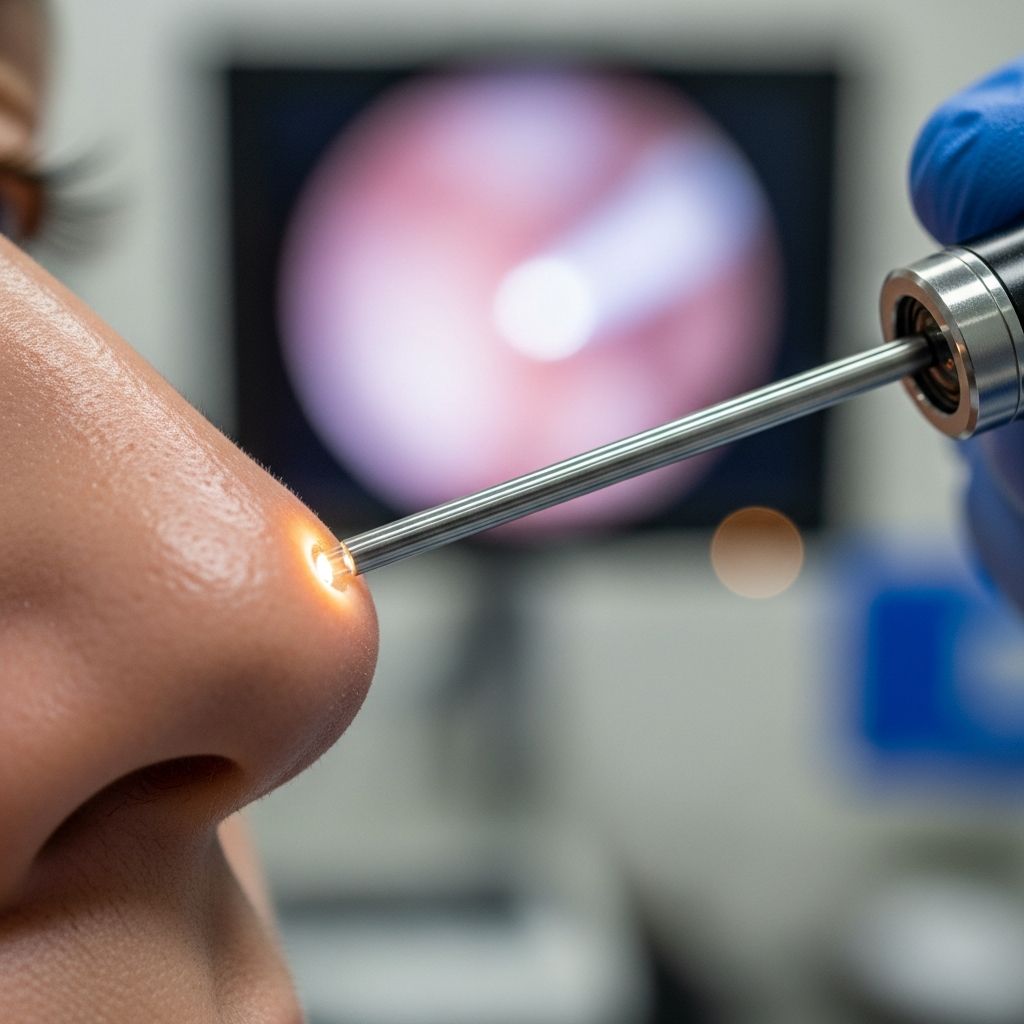
Nasal endoscopy is a minimally invasive diagnostic procedure that has revolutionized how ear, nose, and throat (ENT) specialists examine the nasal passages and sinus cavities. This advanced technique uses a thin, flexible camera mounted on a long, slender tube to provide real-time visualization of structures that would otherwise be impossible to see without invasive surgery. The endoscope, which is approximately the width of a pen, contains a tiny light source and high-definition camera at its tip, allowing physicians to magnify and clearly view the interior nasal anatomy on a monitor screen.
Unlike traditional diagnostic methods that relied on imaging tests or exploratory surgery, nasal endoscopy offers direct visualization without requiring incisions, stitches, or general anesthesia. This innovation has transformed the diagnostic landscape for patients experiencing nasal and sinus problems, making it possible for doctors to identify issues accurately while minimizing patient discomfort and procedure time.
How Nasal Endoscopy Works
The Procedure Explained
During a nasal endoscopy examination, your ENT specialist will position you comfortably while seated and awake. The doctor begins by applying a local numbing spray to your nasal passages and throat to minimize any discomfort. This topical anesthetic is crucial for patient comfort and helps reduce the gag reflex during the procedure.
Once the numbing medication takes effect, the doctor carefully inserts the flexible endoscope into one nostril at a time. The instrument is gently advanced through the nasal passages while the physician observes the magnified image on a monitor screen in real time. The doctor systematically examines the nasal septum, turbinates, sinus openings, and other anatomical structures, looking for any abnormalities, inflammation, blockages, or growths.
The entire procedure typically lasts between 5 and 15 minutes, making it a quick outpatient experience. Since no sedation is required, patients remain conscious throughout, allowing them to communicate with their doctor about any concerns or sensations they experience. Many patients report that the procedure feels like pressure or slight discomfort rather than pain, particularly with adequate numbing.
Location and Setting
One of the significant advantages of nasal endoscopy is that it can be performed conveniently in your ENT doctor’s office rather than requiring a hospital or surgical facility. This outpatient approach eliminates the need for hospital admission, reduces costs, and allows patients to return home immediately after the examination.
Conditions Diagnosed with Nasal Endoscopy
Nasal endoscopy is an invaluable diagnostic tool for identifying a wide range of nasal and sinus conditions. When you visit your ENT specialist with persistent symptoms, nasal endoscopy often becomes the first-line investigation to determine the underlying cause.
Common Conditions Identified
Chronic sinusitis: This condition, characterized by ongoing inflammation and infection of the sinuses, causes persistent congestion, facial pain, and pressure. Endoscopy allows your doctor to visualize inflamed sinus tissue and assess drainage patterns.
Nasal polyps: These soft, noncancerous growths develop inside the nasal passages and can obstruct airflow, causing breathing difficulties. Endoscopy provides clear visualization of polyp size, location, and number, which is essential for treatment planning.
Related Stories



Deviated septum: A crooked or displaced nasal partition can interfere with normal airflow and contribute to breathing problems. Endoscopic examination helps doctors assess the severity of deviation and its impact on nasal function.
Tumors or abnormal growths: Both benign and malignant growths can occur in the nasal cavity. Endoscopy allows early detection of suspicious lesions that may require further investigation or treatment.
Sinus infections: Acute or chronic infections can be visualized directly, helping doctors identify the source of infection and guide appropriate treatment.
Nasal and sinus bleeding: Recurrent epistaxis (nosebleeds) can be evaluated endoscopically to identify the bleeding source and any underlying vascular abnormalities.
Common Symptoms That Warrant Nasal Endoscopy
Your ENT doctor may recommend nasal endoscopy if you experience any of the following persistent symptoms:
- Long-lasting nasal congestion or blockage that does not improve with over-the-counter medications
- Frequent or chronic sinus infections causing repeated discomfort and disruption to daily activities
- Recurrent or heavy nosebleeds without an obvious cause
- Loss or significant reduction in smell or taste
- Suspected nasal polyps or other growths detected on physical examination or previous imaging
- Facial pain or pressure not relieved by standard treatments
- Post-nasal drip or throat clearing issues
- Concerns about nasal masses or lesions requiring direct visualization
Safety and Side Effects
Safety Profile
Nasal endoscopy is considered one of the safest diagnostic procedures available in otolaryngology. Compared to surgical exploration or advanced imaging tests like CT scans, endoscopy is significantly less invasive and requires no sedation or hospital stay. Because it provides direct visualization without radiation or contrast agents, it helps doctors avoid unnecessary imaging or surgical procedures that carry higher risks and greater costs.
ENT specialists are extensively trained in endoscopic techniques and understand how to manipulate the instrument gently to minimize tissue trauma. The procedure has been performed safely and effectively for decades, with complication rates remaining extremely low.
Potential Side Effects
Most patients experience minimal or no side effects following nasal endoscopy. When side effects do occur, they are typically mild and temporary:
- Mild nasal discomfort or pressure sensation during the procedure
- Slight throat irritation from the numbing spray
- Minimal nasal drainage for a few hours after the procedure
- Temporary altered taste or sensation in the mouth
- Brief mild epistaxis (nosebleeds) in rare cases
Serious complications from diagnostic nasal endoscopy are exceptionally rare. The combination of local anesthesia, careful technique, and the non-invasive nature of the procedure contributes to its excellent safety record.
Patient Comfort Considerations
ENT specialists are trained to prioritize patient comfort throughout the procedure. If you have a sensitive gag reflex or anxiety about the examination, it is important to inform your doctor beforehand. Your physician can adapt their approach by using additional numbing spray, adjusting the angle of insertion, or pacing the procedure more slowly to enhance your comfort.
One patient shared their experience: “I was nervous about having a camera up my nose, but with the numbing spray, all I felt was pressure—and it was over in just a couple of minutes. It was easier than I expected and I felt relieved afterward”. This testimony reflects the experience of many patients who approach the procedure with apprehension but find it far less uncomfortable than anticipated.
Treatment Options Based on Nasal Endoscopy Findings
Once nasal endoscopy reveals the underlying cause of your symptoms, your ENT specialist will develop a personalized treatment plan tailored to your specific condition. The diagnosis guides targeted interventions that address the root cause rather than merely treating symptoms.
Medical Management
Prescription nasal sprays: Corticosteroid nasal sprays reduce inflammation in the nasal passages and sinuses, improving breathing and drainage.
Saline rinses: Neti pots or saline irrigation systems help clear mucus and reduce inflammation naturally.
Oral antibiotics: If a bacterial infection is identified, antibiotics may be prescribed to resolve the infection and prevent complications.
Allergy management: When allergies contribute to nasal symptoms, antihistamines and allergy medications may be recommended.
Minor Surgical Procedures
Nasal polyp removal: Polyps causing obstruction can be surgically removed using endoscopic guidance, often performed in an outpatient setting.
Septoplasty: Correcting a deviated septum through surgical repositioning can significantly improve airflow and breathing.
Sinus drainage procedures: Blocked sinus drainage pathways can be cleared endoscopically to promote normal sinus function and prevent recurrent infections.
Tumor removal or biopsy: Abnormal growths identified during endoscopy can be biopsied for pathological examination or surgically removed depending on their nature and extent.
Ongoing Monitoring
For some conditions, particularly suspicious growths or chronic issues, your doctor may recommend periodic follow-up endoscopy to monitor disease progression and ensure early detection of any changes requiring intervention.
Preparing for Your Nasal Endoscopy
Preparation for nasal endoscopy is minimal, but following these guidelines will help ensure a smooth procedure:
- Inform your doctor about any medications you are taking, particularly blood thinners
- Mention any allergies to local anesthetics or other medications
- Avoid eating a heavy meal immediately before the procedure, though light meals are acceptable
- Wear comfortable, loose-fitting clothing
- Arrange for transportation if you feel any dizziness afterward, though this is rare
- Inform your doctor about a sensitive gag reflex or anxiety about the procedure
What to Expect After the Procedure
Recovery from nasal endoscopy is remarkably straightforward. Most patients experience no downtime and can return to their normal activities immediately. Some individuals may notice slight nasal drainage or mild congestion for a few hours, which typically resolves on its own. You should avoid vigorous nose blowing or strenuous activity for the remainder of the day. If epistaxis occurs, gentle pressure with a tissue for 10-15 minutes usually resolves the bleeding.
Your doctor will discuss findings during the examination and outline the recommended treatment plan based on what was observed.
Frequently Asked Questions
Is nasal endoscopy painful?
Most patients describe the sensation as pressure or mild discomfort rather than pain. The topical numbing spray minimizes discomfort significantly. If you have concerns about pain tolerance, discuss this with your doctor beforehand to ensure maximum comfort during the procedure.
How long does nasal endoscopy take?
The procedure typically lasts between 5 and 15 minutes. The exact duration depends on the complexity of examination needed and any findings requiring closer inspection.
Will I need anesthesia for nasal endoscopy?
No general anesthesia is required. The procedure uses only local numbing spray applied to the nasal passages and throat, allowing you to remain awake and alert throughout the examination.
Can nasal endoscopy treat conditions, or is it only diagnostic?
While primarily diagnostic, nasal endoscopy can guide minor surgical procedures and treatments. Some therapeutic interventions, such as polyp removal or biopsy, can be performed during an endoscopic examination.
When can I return to normal activities?
Most patients can resume their normal activities immediately after the procedure. There is no recovery period required, and you can return to work or other obligations the same day.
How does nasal endoscopy compare to CT scans for sinus evaluation?
Nasal endoscopy provides direct visualization of nasal structures without radiation exposure, while CT scans show detailed cross-sectional images. Often, endoscopy is performed first as it is less invasive and less costly, with CT reserved for complex cases or surgical planning.
Are there any contraindications to nasal endoscopy?
Nasal endoscopy can be safely performed on most patients. However, inform your doctor if you have severe nasal obstruction, active epistaxis, or allergies to local anesthetics, as these may require modified approaches or timing adjustments.
Conclusion
Nasal endoscopy represents a significant advancement in otolaryngologic diagnosis, offering ENT specialists an unparalleled view of nasal and sinus anatomy while minimizing patient discomfort and risk. This quick, safe, and highly effective procedure has become the gold standard for evaluating persistent nasal symptoms and identifying the underlying causes of sinus disease. Whether you are experiencing chronic congestion, recurrent infections, or other nasal complaints, nasal endoscopy provides your doctor with the information needed to develop an effective, personalized treatment plan. If your physician recommends nasal endoscopy, you can proceed with confidence knowing that the procedure is well-established, extremely safe, and likely to yield the diagnostic clarity necessary for your optimal care and symptom relief.
References
- Endonasal endoscopic resection of esthesioneuroblastoma — Johns Hopkins Hospital. 2011. https://pubmed.ncbi.nlm.nih.gov/21655908/
- What is Nasal Endoscopy — and Is It Painful? — Sleep and Sinus Centers. 2023. https://www.sleepandsinuscenters.com/blog/what-is-nasal-endoscopy—-and-is-it-painful
- What to Expect from Your Nasal Endoscopy — Cincinnati Children’s Hospital Medical Center. 2022. https://www.youtube.com/watch?v=FVXdRQDnkuo
Similar Articles








Read full bio of medha deb