Nasal Obstruction: Causes, Symptoms, and Treatments
Discover the causes, symptoms, and effective treatments for nasal obstruction to improve your breathing and quality of life.
What Is Nasal Obstruction?
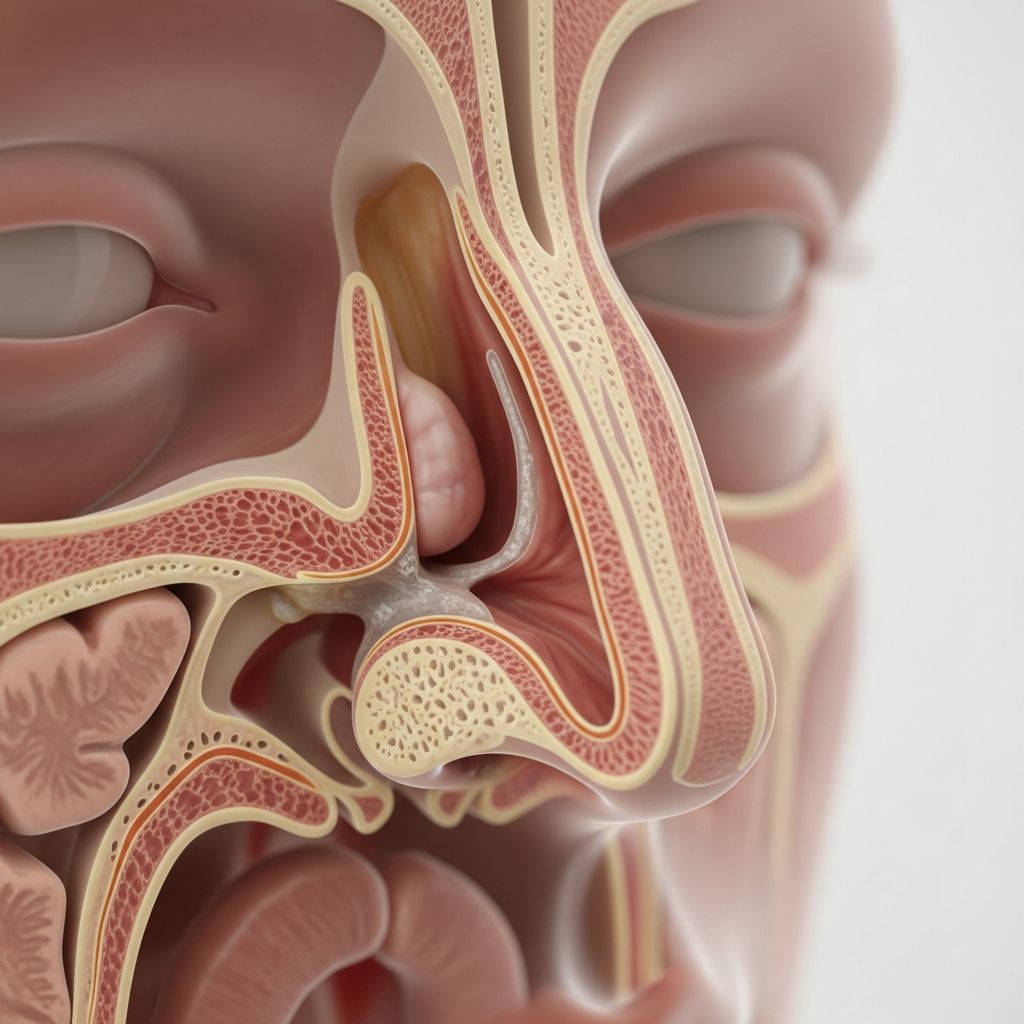
Nasal obstruction is a condition where airflow through the nasal passages is partially or completely blocked. This can make breathing through the nose difficult and uncomfortable, often leading to mouth breathing, disrupted sleep, and reduced quality of life. Nasal obstruction can be caused by a variety of factors, ranging from temporary inflammation to structural abnormalities within the nose.
Causes of Nasal Obstruction
Nasal obstruction can result from both temporary and chronic conditions. The most common causes include:
- Deviated Nasal Septum: A crooked or bent septum can block one or both nasal passages.
- Nasal Polyps: Benign growths inside the nasal cavity that can obstruct airflow.
- Enlarged Turbinates: Swollen or enlarged turbinates (structures inside the nose) can block the nasal passages.
- Chronic Sinusitis: Persistent inflammation or infection of the sinuses can lead to nasal obstruction.
- Allergic Rhinitis: Allergies can cause swelling and congestion in the nasal passages.
- Environmental Irritants: Exposure to smoke, dust, or other irritants can cause temporary nasal obstruction.
- Colds or Flu: Viral infections can lead to nasal congestion and obstruction.
- Medication Side Effects: Certain medications, such as high blood pressure drugs, can cause nasal congestion.
- Enlarged Adenoids: In children, enlarged adenoids can block the back of the nasal passages.
- Nasal Tumors: Rarely, benign or cancerous tumors can cause nasal obstruction.
Symptoms of Nasal Obstruction
The symptoms of nasal obstruction can vary depending on the underlying cause and severity. Common symptoms include:
- Difficulty breathing through the nose
- Nasal congestion or stuffiness
- Runny nose
- Headaches
- Facial pain or pressure
- Snoring
- Disrupted sleep
- Reduced sense of smell
- Mouth breathing
- Difficulty sleeping
- Difficulty breathing during exercise or exertion
Diagnosis of Nasal Obstruction
Diagnosing nasal obstruction involves a thorough medical history, physical examination, and sometimes additional tests. Your healthcare provider may:
- Ask about your symptoms and medical history
- Perform a physical examination of your nose and nasal passages
- Use a nasal endoscope to visualize the inside of your nose
- Order imaging studies, such as a CT scan or MRI, to assess the structure of your nasal passages
- Conduct allergy testing to identify potential allergens
Treatment Options for Nasal Obstruction
The treatment of nasal obstruction depends on the underlying cause and severity of the condition. Treatment options can be broadly categorized into non-surgical and surgical approaches.
Non-Surgical Treatments
For less severe cases or temporary causes, non-surgical treatments are often effective. These include:
- Medications: Nasal steroid sprays, antihistamines, and decongestants can help reduce inflammation and swelling in the nasal passages.
- Allergy Management: Avoiding known allergens and using immunotherapy can help manage chronic nasal inflammation.
- Nasal Irrigation: Using a saline solution to rinse the nasal passages can help clear mucus and reduce congestion.
- Humidifiers: Using a humidifier can keep the air moist and help keep nasal passages open.
- Lifestyle Changes: Avoiding irritants, sleeping on your side, and staying hydrated can help alleviate symptoms.
Surgical Treatments
For more severe or chronic cases, surgical intervention may be necessary. Common surgical procedures include:
- Septoplasty: Surgery to correct a deviated septum.
- Polyp Removal: Surgical removal of nasal polyps.
- Turbinate Reduction: Surgery to reduce the size of enlarged turbinates.
- Balloon Sinuplasty: A minimally invasive procedure to open blocked sinus passages.
- Nasal Valve Surgery: Surgery to correct nasal valve collapse or obstruction.
Related Stories



When to Seek Medical Attention
You should seek medical attention if you experience persistent nasal obstruction that does not improve with home remedies or over-the-counter medications. Additionally, seek medical attention if you have:
- Severe facial pain or pressure
- High fever
- Difficulty breathing
- Swelling or redness around the eyes
- Signs of infection, such as pus or foul-smelling discharge
Complications of Nasal Obstruction
Untreated nasal obstruction can lead to several complications, including:
- Chronic sinusitis
- Sleep apnea
- Reduced quality of life
- Malocclusion (misaligned teeth) in children due to prolonged mouth breathing
- Eustachian tube dysfunction
- Middle ear infections
Prevention of Nasal Obstruction
While not all causes of nasal obstruction can be prevented, there are steps you can take to reduce your risk:
- Avoid known allergens and irritants
- Practice good hygiene to prevent infections
- Stay hydrated
- Use a humidifier in dry environments
- Seek prompt treatment for allergies and infections
Frequently Asked Questions (FAQs)
Q: What is the most common cause of nasal obstruction?
A: The most common causes of nasal obstruction include a deviated septum, nasal polyps, enlarged turbinates, and chronic sinusitis.
Q: Can nasal obstruction lead to sleep apnea?
A: Yes, persistent nasal obstruction can lead to sleep apnea, a condition characterized by interrupted breathing during sleep.
Q: What are the treatment options for nasal obstruction?
A: Treatment options include medications, allergy management, nasal irrigation, lifestyle changes, and surgical procedures such as septoplasty, polyp removal, and turbinate reduction.
Q: When should I see a doctor for nasal obstruction?
A: You should see a doctor if your nasal obstruction is persistent, severe, or accompanied by other symptoms such as facial pain, high fever, or difficulty breathing.
Q: Can nasal obstruction be prevented?
A: While not all causes can be prevented, avoiding allergens and irritants, practicing good hygiene, and seeking prompt treatment for allergies and infections can help reduce your risk.
References
- Nasal Obstruction: Symptoms, Causes & Treatment — Cleveland Clinic. 2023-09-15. https://my.clevelandclinic.org/health/symptoms/nasal-obstruction
- Nasal Obstruction Treatment NYC — Mount Sinai. 2023-08-20. https://www.mountsinai.org/care/ent/services/nasal-sinus-allergy/conditions/nasal-obstruction
- Nasal Obstruction: Symptoms and Causes — Tampa General Hospital. 2023-07-10. https://www.tgh.org/institutes-and-services/conditions/nasal-obstructions
Similar Articles








Read full bio of Sneha Tete