Could Nasal Polyps Be the Cause of Your Stuffy Nose?
Discover if nasal polyps are causing your stuffy nose and explore effective treatment options.
If you’ve been experiencing a persistent stuffy nose that doesn’t seem to go away with typical cold remedies, you may be wondering what could be causing your discomfort. One potential culprit that often goes unrecognized is the presence of nasal polyps. These noncancerous growths can significantly impact your quality of life, affecting your ability to breathe comfortably, enjoy food, and sleep peacefully. Understanding what nasal polyps are, recognizing their symptoms, and knowing your treatment options can help you take the first step toward relief.
What Are Nasal Polyps?
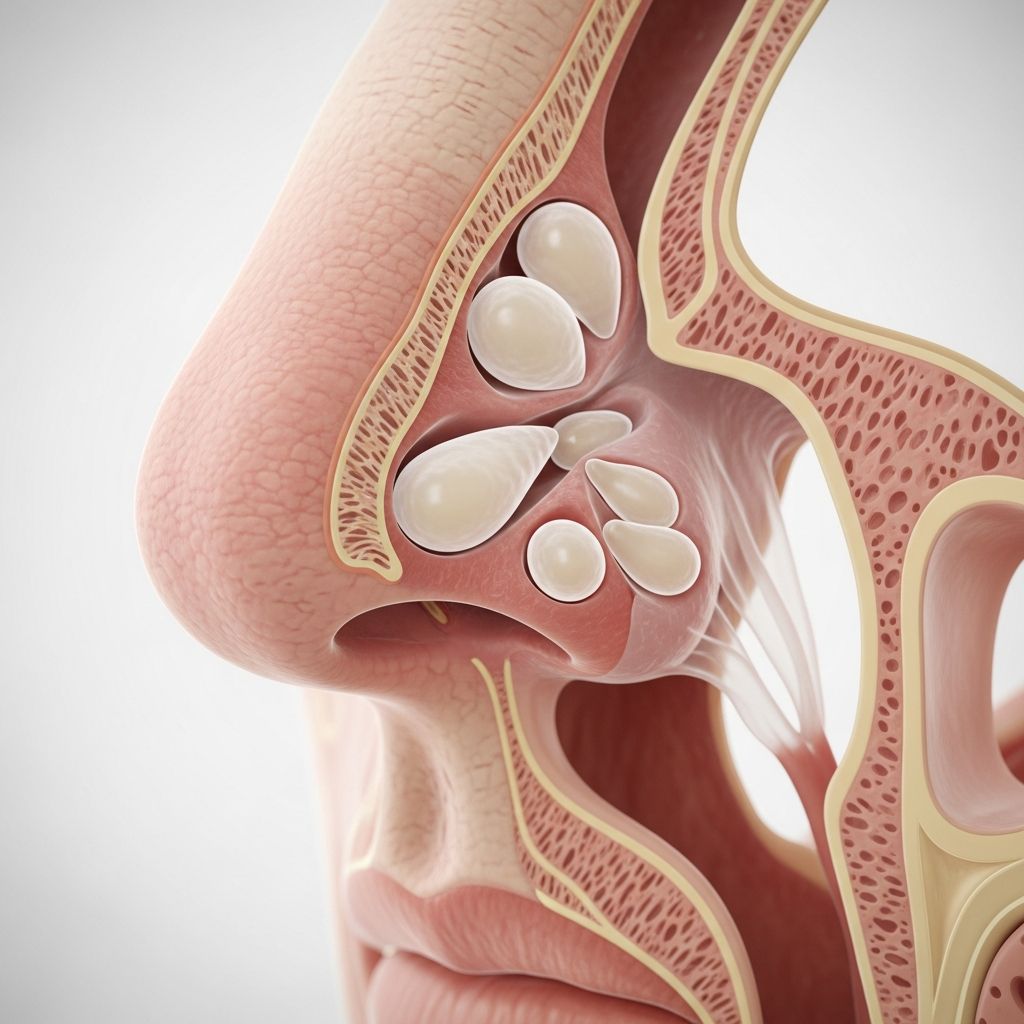
Nasal polyps are noncancerous, painless growths that develop in the nose or sinuses. These soft, grape-like structures form from the lining of the nasal passages or sinuses and can vary in size from very small to quite large. While individual polyps may not cause problems, larger polyps or clusters of multiple polyps can obstruct the nasal passages and lead to various bothersome symptoms.
Polyps are typically smooth and pale or whitish in color. They develop gradually over time and are more common in adults, particularly those in their 30s and 40s, though they can occur at any age. Understanding the distinction between nasal polyps and other nasal conditions is important for proper diagnosis and treatment.
Who Is at Risk for Developing Nasal Polyps?
While nasal polyps can develop in anyone, certain factors increase your likelihood of experiencing them. Chronic sinusitis stands out as the most common risk factor associated with nasal polyp development. Chronic sinusitis involves persistent inflammation of the nasal passages and sinuses lasting more than 12 weeks, which can lead to the formation of polyps.
Additional risk factors include:
- Allergies and allergic rhinitis
- Asthma
- Cystic fibrosis (polyps are present in up to 86% of cystic fibrosis patients)
- Aspirin sensitivity or nonsteroidal anti-inflammatory drug (NSAID) sensitivity
- Recurring sinus infections
- Certain genetic factors
People with compromised immune systems or those experiencing chronic inflammation from various conditions face elevated risk. Additionally, bacterial infections, particularly those caused by Staphylococcus aureus, may play a role in polyp development.
Recognizing the Symptoms of Nasal Polyps
The symptoms associated with nasal polyps can vary depending on their size and location. Some individuals may experience minimal symptoms, while others face significant nasal obstruction and related complications. Understanding these signs can help you identify whether polyps might be responsible for your ongoing nasal issues.
Common symptoms of nasal polyps include:
- Persistent nasal congestion or stuffy nose
- Runny nose with continuous nasal drainage
- Postnasal drip (mucus running down the throat)
- Decreased or complete loss of sense of smell
- Reduced ability to taste foods
- Facial pain or pressure, particularly in the forehead and face
- Headaches
- Snoring or sleep-related breathing problems
- Pain in the teeth or upper jaw
One distinctive feature of nasal polyp symptoms is their persistence. If you experience nasal congestion, drainage, facial pressure, or reduced sense of smell lasting longer than 12 weeks, you may have chronic sinusitis with nasal polyps. This extended duration distinguishes polyp-related symptoms from typical cold or seasonal allergy symptoms.
Related Stories



How Are Nasal Polyps Diagnosed?
Accurate diagnosis is the first step toward effective treatment. Your healthcare provider typically begins with a physical examination and review of your medical history. During an office visit, your doctor can often identify nasal polyps simply by looking inside your nose, as they have a characteristic appearance that experienced clinicians can recognize.
If additional information is needed to determine the exact size, location, and extent of your polyps, your provider may recommend imaging tests such as:
- Nasal endoscopy, where a thin, flexible tube with a camera is inserted into the nasal passages
- Computed tomography (CT) scan to provide detailed images of your sinuses and nasal structure
- Magnetic resonance imaging (MRI) for more complex cases
Your healthcare provider may also recommend allergy testing to identify specific allergens that contribute to nasal inflammation and polyp development. This information helps tailor your treatment plan to address underlying causes.
Medical Treatment Options for Nasal Polyps
While medications cannot permanently eliminate nasal polyps, they can effectively reduce their size, relieve symptoms, and prevent recurrence after surgical removal. Several medication categories have proven beneficial for managing nasal polyps.
Nasal Steroid Sprays and Rinses
Nasal steroid sprays represent the first-line treatment for nasal polyps. These medications help reduce swelling and inflammation in the nasal passages and can actually shrink polyps over time. Common nasal steroids include fluticasone (Flonase Allergy Relief, Xhance), budesonide (Rhinocort), mometasone (Nasonex 24hr Allergy), triamcinolone (Nasacort Allergy 24HR), and beclomethasone (Beconase AQ). These sprays are very safe for long-term use and have minimal side effects compared to oral steroids.
Nasal saline rinses complement steroid sprays by helping to clear nasal passages and reduce congestion. Budesonide rinses have shown particular promise in reducing swelling and irritation, potentially shrinking polyps or eliminating them completely.
Oral Corticosteroids
Short courses of oral steroids such as prednisone can help shrink nasal polyps more rapidly and improve symptoms, including restoring sense of smell. However, these medications should be used cautiously due to potential side effects from long-term use. Your healthcare provider will carefully weigh the benefits against risks when prescribing oral steroids.
Allergy Medications
Since allergies often contribute to nasal inflammation and polyp development, allergy medications can help prevent polyps from growing back. Antihistamines and other allergy treatments address underlying inflammation that may perpetuate polyp formation.
Biologic Medications
For patients whose nasal polyps keep recurring despite conventional treatment, biologic medications offer a newer treatment approach. These medications work by targeting specific cells or proteins that drive inflammation. The FDA has approved several biologics for chronic sinusitis with nasal polyps, including dupilumab (Dupixent), mepolizumab (Nucala), tezepelumab, and omalizumab (Xolair). These injectable medications help reduce swelling and can significantly shrink polyps. Biologic treatments are often prescribed by allergists and can frequently be administered at home, making them more convenient for long-term management.
Other Medications
Leukotriene inhibitors such as montelukast have shown some benefit in treating nasal polyps. Antibiotics may occasionally be prescribed if bacterial infection is suspected, though scientific evidence for their efficacy in polyp treatment is limited. Your doctor will determine which additional medications may benefit your specific situation.
Surgical Treatment Options
When medications fail to adequately control symptoms or when polyps significantly obstruct the nasal passages, surgical intervention may become necessary. Several minimally invasive surgical techniques are available.
Polypectomy
The most straightforward surgical approach involves direct removal of nasal polyps using surgical scissors or snares. This procedure can often be performed in an office setting or outpatient surgical center.
Functional Endoscopic Sinus Surgery (FESS)
FESS represents a more comprehensive surgical approach that uses an endoscope—a thin, lighted instrument—to visualize and remove polyps, diseased tissue, damaged bone, and other obstructions within the nasal passages. This minimally invasive technique often employs a microdebrider, a specialized instrument that gently removes tissue.
Balloon Sinuplasty
This innovative technique involves inserting a small balloon through the nostril, which the surgeon then inflates to open the nasal passages. Polyps can be removed with a microdebrider through the widened passages, potentially offering improved visualization and outcomes.
Important Considerations About Surgery
While surgery can provide immediate symptom relief, recurrence of nasal polyps is unfortunately common. Many patients require long-term treatment with nasal steroids or biologic medications to prevent polyps from returning. Your surgeon will discuss the likelihood of recurrence and develop a maintenance plan to manage your condition long-term.
Managing Symptoms and Preventing Recurrence
Successful nasal polyp management often requires an ongoing commitment to treatment and symptom prevention. After initiating treatment, whether medical or surgical, maintaining regular follow-up appointments helps your healthcare provider monitor your progress and adjust your treatment plan as needed.
Several strategies can help minimize symptoms and reduce recurrence risk:
- Use prescribed nasal steroid sprays consistently, even when symptoms improve
- Perform regular nasal saline rinses to keep passages clear
- Manage underlying allergies through identification and avoidance of allergens
- Keep your environment clean and maintain adequate humidity
- Avoid irritants such as cigarette smoke and strong chemical fumes
- Take allergy medications as prescribed
- Attend regular follow-up appointments with your healthcare provider
When to Seek Medical Attention
You should schedule an appointment with your healthcare provider if you experience:
- Persistent nasal congestion lasting more than a few weeks
- Chronic postnasal drip
- Significant loss of smell or taste
- Facial pain or pressure that doesn’t improve with over-the-counter medications
- Recurrent sinus infections
- Sleep disturbances due to nasal obstruction
Early diagnosis and treatment can prevent complications and help you regain normal nasal function more quickly.
Frequently Asked Questions About Nasal Polyps
Q: Are nasal polyps cancerous?
A: No, nasal polyps are benign, noncancerous growths. However, if you develop new or unusual nasal symptoms, consult your healthcare provider to ensure proper diagnosis.
Q: Can nasal polyps cause serious complications?
A: While nasal polyps are typically not life-threatening, untreated polyps can lead to chronic sinus infections, breathing difficulties, sleep apnea, and progressive damage to nasal and sinus tissues and bone. This makes early treatment important.
Q: How long does treatment take to show results?
A: Nasal steroid sprays may begin reducing symptoms within days to weeks, though maximum benefit typically develops over several weeks of consistent use. Biologic medications may take several weeks to show their full effect.
Q: Will my nasal polyps come back after surgery?
A: Unfortunately, polyps often recur after surgical removal. Long-term maintenance with nasal steroids or biologic medications significantly reduces recurrence risk. Your healthcare provider will recommend an appropriate maintenance plan.
Q: Can I prevent nasal polyps from developing?
A: While you cannot completely prevent polyps if you have risk factors, managing underlying conditions like allergies, asthma, and chronic sinusitis may reduce your risk. Using nasal steroids as directed for chronic sinusitis can also help prevent polyp formation.
Q: Are there natural remedies for nasal polyps?
A: While supportive measures like saline rinses and maintaining humidity can provide comfort, medical treatment with proven medications is necessary to effectively reduce polyp size and manage symptoms. Always consult your healthcare provider before trying new treatments.
References
- Nasal Polyps — American Academy of Allergy, Asthma & Immunology (AAAAI). 2024. https://www.aaaai.org/tools-for-the-public/conditions-library/allergies/nasal-polyps
- Nasal Polyps: Symptoms and Causes — Mayo Clinic. 2024. https://www.mayoclinic.org/diseases-conditions/nasal-polyps/symptoms-causes/syc-20351888
- Nasal Polyps: Diagnosis and Treatment — Mayo Clinic. 2024. https://www.mayoclinic.org/diseases-conditions/nasal-polyps/diagnosis-treatment/drc-20351894
- Nasal Polyps — Penn Medicine, University of Pennsylvania. 2024. https://www.pennmedicine.org/conditions/nasal-polyps
- Nasal Polyps: Symptoms, Causes, Treatment & Removal — Cleveland Clinic. 2024. https://my.clevelandclinic.org/health/diseases/15250-nasal-polyps
- Nasal Polyps — Merck Manuals. 2024. https://www.merckmanuals.com/home/ear-nose-and-throat-disorders/nose-and-sinus-disorders/nasal-polyps
- Nasal Polyps — National Health Service (NHS). 2024. https://www.nhs.uk/conditions/nasal-polyps/
Similar Articles








Read full bio of medha deb