Nasal Polyps Symptoms: 8 Key Signs To Watch For
Recognize the signs of nasal polyps early: from congestion and smell loss to effective management strategies for better breathing.
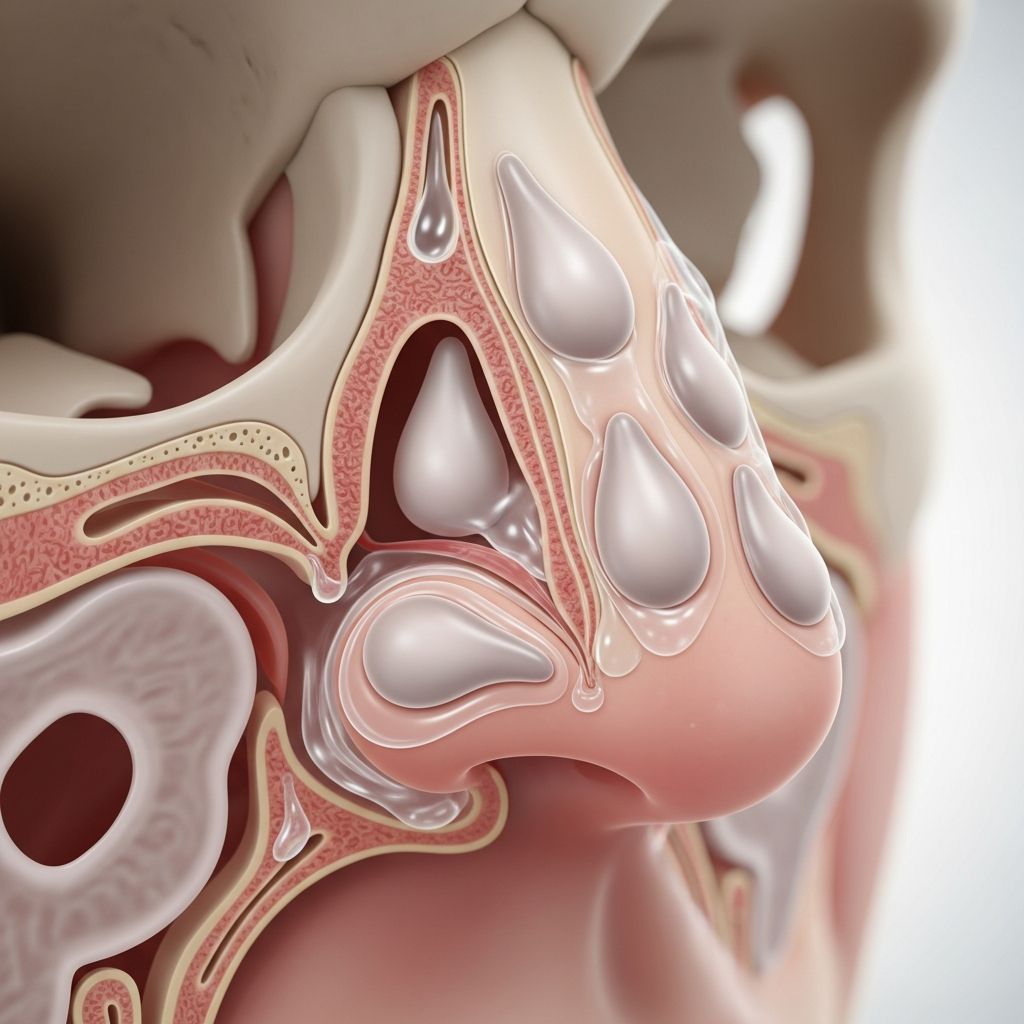
Nasal polyps are soft, noncancerous growths that develop in the lining of the nasal passages or sinuses, often linked to chronic inflammation. These teardrop-shaped growths can vary in size and may cause no symptoms if small, but larger ones or clusters frequently block airflow, leading to breathing difficulties, reduced sense of smell, and recurrent infections.
Common in adults with chronic rhinosinusitis (CRS), nasal polyps affect quality of life through persistent symptoms like congestion and facial pressure. Early recognition is key to management, which ranges from medications to surgery.
What Are Nasal Polyps?
Nasal polyps are benign, inflammatory outgrowths of the sinonasal mucosa, resembling hanging grapes or teardrops in shape. They arise from prolonged irritation and swelling inside the nose and sinuses, lasting over 12 weeks, a condition known as chronic sinusitis with nasal polyposis (CRSwNP).
Unlike cancerous tumors, nasal polyps are painless and soft, but they can grow large enough to obstruct nasal passages and sinus drainage pathways. They are more prevalent in young and middle-aged adults, particularly those with asthma, allergies, or conditions like cystic fibrosis or aspirin-exacerbated respiratory disease (AERD).
Their development involves immune dysregulation, epithelial barrier dysfunction, and persistent mucosal inflammation, often driven by eosinophils in allergic cases. While small polyps may go unnoticed, larger ones cluster and protrude into the nasal cavity, causing noticeable disruption.
Nasal Polyps Symptoms
Small nasal polyps often produce no symptoms, but larger growths or multiple polyps lead to a range of obstructive and inflammatory issues. Patients typically report progressive nasal blockage, hyposmia (reduced smell), anosmia (complete loss of smell), postnasal drip, and facial pressure.
Symptoms worsen over time and significantly impair daily activities, sleep, and overall quality of life. Here’s a detailed breakdown of the most common symptoms:
- Runny or stuffy nose: Persistent nasal congestion blocks airflow, forcing mouth breathing and causing dryness.
- Postnasal drip: Excess mucus drips down the throat, leading to coughing, sore throat, and frequent throat clearing.
- Loss of smell (anosmia) or taste: Polyps obstruct olfactory nerves, diminishing or eliminating these senses, which are closely linked.
- Facial pain, pressure, or headache: Blockage in sinuses creates tension around the forehead, cheeks, eyes, and teeth.
- Sense of fullness in sinuses: A blocking sensation, especially when lying down, due to trapped mucus.
- Nasal discharge changes: Clear mucus may turn yellow or green, signaling infection.
- Snoring and sleep disturbances: Obstruction promotes mouth breathing and noisy sleep.
- Fatigue and reduced quality of life: Chronic symptoms lead to exhaustion from poor sleep and breathing issues.
In severe cases, polyps can cause mucoceles (mucus-filled cysts) that compress nearby structures, potentially leading to vision changes or orbital issues.
When to See a Doctor for Nasal Polyps
Consult a healthcare provider if nasal symptoms persist beyond 10 days or recur frequently, especially with chronic sinusitis signs. Seek immediate care for emergency symptoms indicating complications:
- Symptoms worsening rapidly.
- Vision changes like double vision.
- Swollen forehead or eye area.
- Severe, unrelenting headache.
- Stiff neck or high fever.
These may signal sinus infections spreading or structural issues requiring urgent intervention. Early evaluation by an ENT specialist can prevent progression and recurrence.
Causes and Risk Factors for Nasal Polyps
Related Stories



Nasal polyps stem from chronic inflammation of the nasal and sinus linings, often tied to CRSwNP. Key triggers include:
- Allergic rhinitis and asthma: Heightened allergic responses promote eosinophil-driven inflammation.
- Aspirin sensitivity (AERD/Samter’s triad): Combines polyps, asthma, and NSAID intolerance.
- Cystic fibrosis: Neutrophil inflammation leads to severe polyposis, especially in young Europeans.
- Immune disorders: Conditions like vasculitis contribute.
- Genetics and environmental factors: Family history and irritants like smoke exacerbate risk.
Not everyone with chronic sinusitis develops polyps; it’s an end-stage of uncontrolled inflammation.
How Are Nasal Polyps Diagnosed?
Diagnosis begins with a detailed history focusing on symptom duration, allergies, asthma, and medication sensitivities. Physical exam via nasal endoscopy reveals pale, glistening polyps in the nasal cavity.
Imaging like CT scans assesses polyp extent, sinus involvement, and rules out other masses. Unilateral symptoms or bleeding prompt biopsy to exclude malignancy. Differential diagnosis distinguishes polyps from tumors, infections, or granulomas.
Nasal Polyps Treatment
Treatment targets inflammation and obstruction. Options include:
- Medications: Corticosteroids (nasal sprays, oral, or injectables) shrink polyps; biologics for severe cases.
- Surgery: Endoscopic sinus surgery removes polyps when meds fail, though recurrence is common without addressing underlying causes.
- Lifestyle measures: Saline rinses, humidifiers, avoiding irritants.
Management of root causes like allergies prevents regrowth.
| Treatment Type | Description | Best For |
|---|---|---|
| Nasal Corticosteroids | Sprays like fluticasone reduce inflammation | Mild-moderate polyps |
| Oral Steroids | Short courses for rapid shrinkage | Severe symptoms |
| Surgery | Endoscopic removal | Drug-resistant cases |
| Biologics | Dupilumab targets IL-4/13 | Recurrent CRSwNP |
Management Tips for Nasal Polyps Symptoms
While awaiting treatment, alleviate symptoms:
- Use saline nasal irrigation to clear mucus.
- Apply warm compresses for facial tension.
- Elevate head during sleep for drainage.
- Take OTC pain relievers like ibuprofen.
- Stay hydrated and use humidifiers.
- Avoid allergens and irritants.
Frequently Asked Questions (FAQs)
What do nasal polyps feel like?
They often cause a constant stuffy nose, pressure in the face, and reduced smell, without sharp pain.
Can nasal polyps go away on their own?
Small ones might shrink with inflammation control, but larger polyps usually require medical intervention.
Are nasal polyps cancerous?
No, they are benign, but persistent unilateral symptoms warrant checking for other issues.
How long do nasal polyps symptoms last?
Untreated, they persist chronically; treatment can provide relief for months to years.
Do nasal polyps cause headaches?
Yes, sinus pressure from blockage often leads to facial headaches.
This comprehensive guide empowers you to identify nasal polyps symptoms early. Consult an ENT for personalized care to restore breathing and senses. (Word count: 1678)
References
- Nasal polyps – Symptoms and causes — Mayo Clinic. 2023-10-15. https://www.mayoclinic.org/diseases-conditions/nasal-polyps/symptoms-causes/syc-20351888
- Management of Nasal Polyps Symptoms — Becker ENT & Allergy. 2024-05-20. https://www.beckerentandallergy.com/blog/how-to-manage-nasal-polyps-symptoms
- Understanding Nasal Polyps — Vanderbilt Health Library. 2023-01-10. https://healthlibrary.vanderbilthealth.com/Library/HealthSheets/3,S,90412
- Nasal Polyps — StatPearls, NCBI Bookshelf. 2023-12-05. https://www.ncbi.nlm.nih.gov/books/NBK560746/
Similar Articles








Read full bio of Sneha Tete