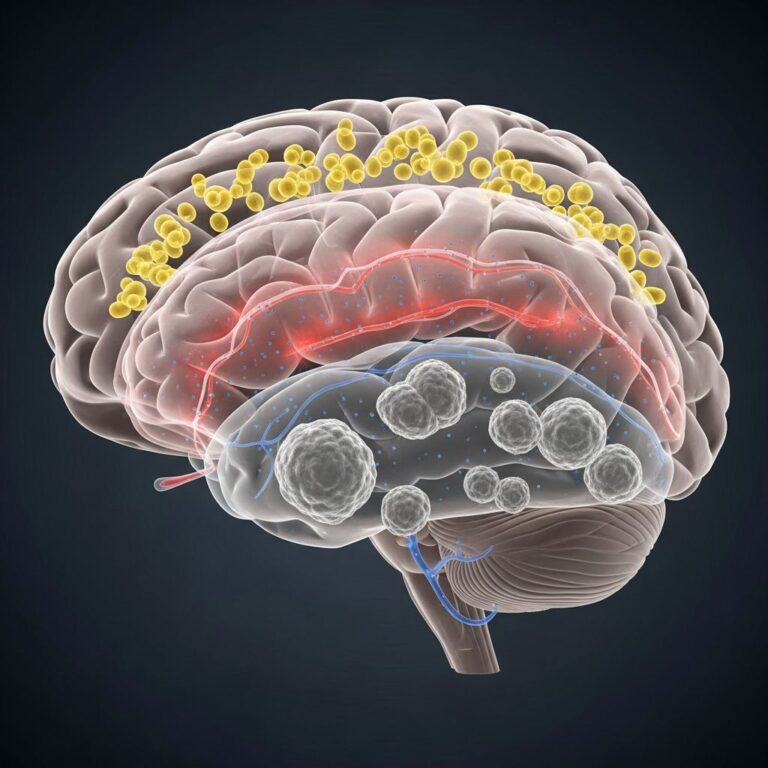
Nasal Swab Testing Guide: Nasal Vs Nasopharyngeal Steps
Comprehensive guide to nasal and nasopharyngeal swab tests for detecting respiratory infections accurately and safely.
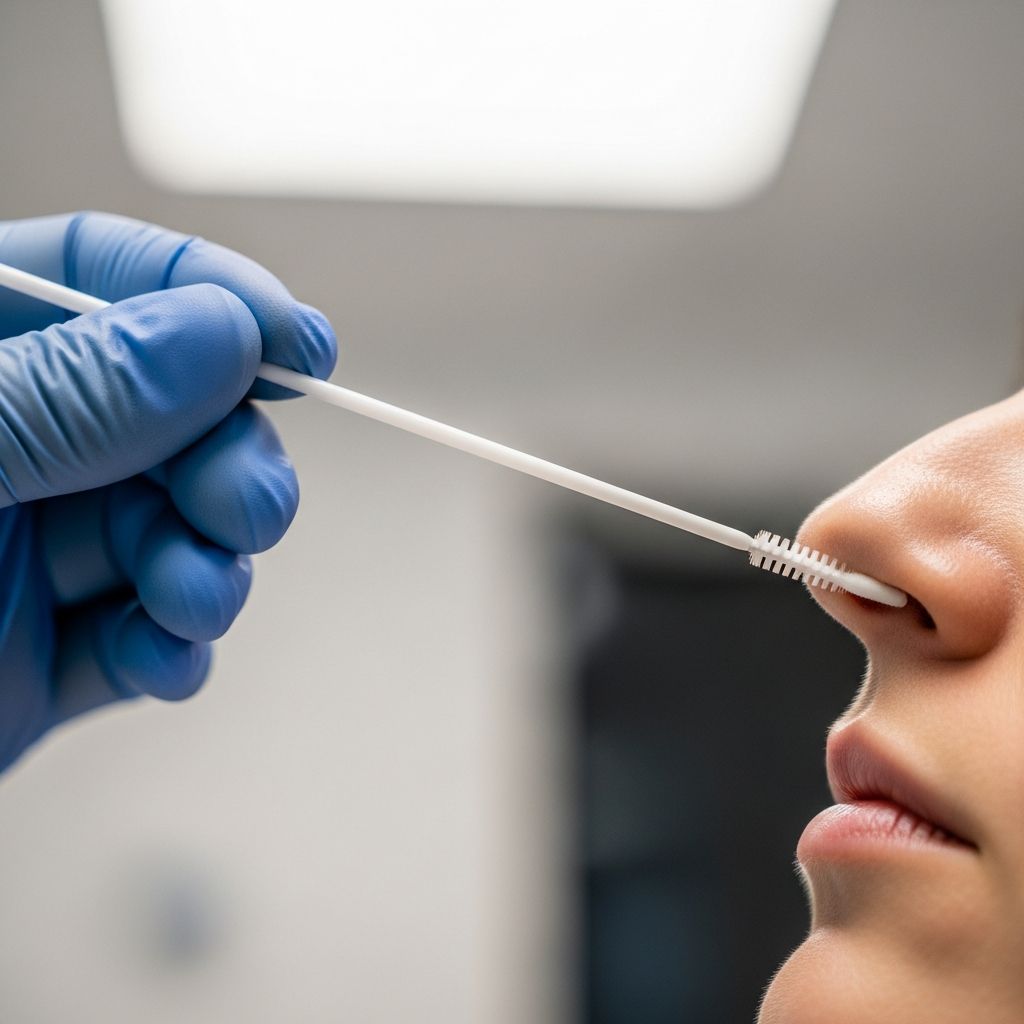
Nasal swab tests collect samples from the nose to detect bacteria or viruses causing respiratory infections, with nasopharyngeal swabs targeting deeper areas for higher accuracy in certain cases.
Understanding Respiratory Swab Tests
Respiratory infections affect millions annually, making diagnostic tools like nasal swabs essential for timely identification of pathogens. These tests involve inserting a swab into the nasal passages to gather mucus or cells, which are then analyzed in a lab for viruses such as influenza, RSV, or SARS-CoV-2, and bacteria like those causing whooping cough or strep throat.
The nasopharynx, located at the upper throat behind the nose, is a prime site for sampling because respiratory viruses often reside there. Anterior nasal swabs, by contrast, sample the front nasal cavity, offering a less invasive option suitable for self-collection.
Key Differences: Nasal vs. Nasopharyngeal Swabs
Nasal swabs (anterior nares) insert about 0.5-0.75 inches into the nostril, rotating for 10-15 seconds per side. They are comfortable and ideal for at-home or rapid testing.
Nasopharyngeal swabs go deeper, roughly half the distance from nostril to ear (about 4-6 cm or 9-10 cm in adults), parallel to the nasal floor until resistance at the nasopharynx. The swab rotates for several seconds to absorb secretions.
| Aspect | Nasal Swab | Nasopharyngeal Swab |
|---|---|---|
| Depth | 0.5-0.75 inches | 4-10 cm |
| Invasiveness | Low, comfortable | Higher, may cause gagging |
| Accuracy for RSV | 76% | 97% |
| Common Uses | COVID-19, colds | Flu, RSV, pertussis |
Why These Tests Matter for Diagnosis
Swabs confirm infections causing symptoms like cough, fever, sore throat, and runny nose. They detect pathogens including Bordetella pertussis (whooping cough), Neisseria meningitidis (meningitis), and Staphylococcus aureus. For seasonal illnesses:
- Strep throat: Often nasopharyngeal
- COVID-19: Either, nasopharyngeal preferred early on
- RSV: Nasopharyngeal for best detection
- Influenza: Both viable
Best collected 24-48 hours after symptom onset for optimal viral load.
Step-by-Step Procedure for Proper Collection
Trained professionals perform nasopharyngeal swabs to minimize errors and false negatives. Here’s the process:
- Preparation: Blow nose to clear passages. Tilt head back slightly, eyes closed. Wear PPE: mask, gloves, eye protection.
- Insertion: Use sterile swab. For nasal: Insert ½ inch into nostril, rotate 15 seconds per side. For nasopharyngeal: Straight back along nasal floor (not upward), to posterior nasopharynx (nostril-to-ear midpoint).
- Sampling: Rotate swab 2 full 360° turns, hold 5-10 seconds for absorption.
- Removal: Withdraw slowly with gentle rotation, avoiding nasal walls.
- Handling: Snap swab at score line into viral transport medium, seal, label (name, DOB, time), refrigerate. Use biohazard bag.
Challenges include resistance at nasal sill (aim higher) or turbinate (aim lower/medial).
Patient Experience and Discomfort Management
Nasal swabs feel like a tickle; nasopharyngeal may trigger brief gagging or tearing due to depth. It’s quick (under a minute) and safe when done correctly. No special prep needed beyond nose-blowing for COVID-19 tests. Children may need gentle handling; cultures watch for growth in lab dishes.
Accuracy, Results, and Reliability Factors
Nasopharyngeal swabs excel for RSV (97% detection vs. 76% nasal) and were gold standard for COVID-19. False negatives rise with poor technique. Labs culture samples or use PCR for rapid results. Providers share outcomes post-analysis.
Related Stories



When to Expect a Swab Test
Recommended for respiratory symptoms, exposure risks, or outbreaks. Not routine; guided by clinical suspicion. Self-tests favor nasal for ease.
Risks, Safety, and Aftercare
Minimal risks: minor bleeding, irritation. Avoid if severe nasal blockage. Post-test: Normal activities resume; results guide treatment.
Advances and Alternatives in Swab Testing
Flexible wire/plastic swabs improve comfort. Saliva tests complement but swabs remain precise for nasopharynx pathogens. Mid-turbinate options bridge methods.
Frequently Asked Questions (FAQs)
What does a nasal swab test for?
It detects respiratory viruses/bacteria like flu, COVID-19, RSV.
Does it hurt?
Nasal: Mild discomfort. Nasopharyngeal: Brief gagging possible.
How deep for nasopharyngeal?
Half nostril-to-ear distance, ~4-10 cm.
Self-swab safe?
Yes for anterior nasal; professional for deeper.
Results time?
Hours (rapid) to days (culture).
Prep needed?
Blow nose; no eating restrictions.
References
- Nasopharyngeal culture — UCSF Benioff Children’s Hospitals. Accessed 2026. https://www.ucsfbenioffchildrens.org/medical-tests/nasopharyngeal-culture
- Nasopharyngeal Swab vs Nasal Swab: Comparing Methods — Puritan Medical Products. Accessed 2026. https://blog.puritanmedproducts.com/nasopharyngeal-swab-vs-nasal-swab
- Nasal Swab: How-To-Guide — USC Student Health. Accessed 2026. https://studenthealth.usc.edu/nasal-swab-how-to-guide/
- What Is a Nasopharyngeal Swab? — Cleveland Clinic. Accessed 2026. https://my.clevelandclinic.org/health/diagnostics/22878-nasopharyngeal-swab
- How to Perform a Nasopharyngeal Swab — PMC – NIH. 2020-05-22. https://pmc.ncbi.nlm.nih.gov/articles/PMC7261357/
- How to collect a Nasopharyngeal (NP) swab — Ottawa Public Health. Accessed 2026. https://www.ottawapublichealth.ca/en/professionals-and-partners/how-to-collect-a-nasopharyngeal–np–swab.aspx
Similar Articles








Read full bio of medha deb