Nasal Vestibulitis: Symptoms, Treatment & Outlook
Complete guide to nasal vestibulitis: causes, symptoms, treatments and when to seek emergency care.
What is Nasal Vestibulitis?
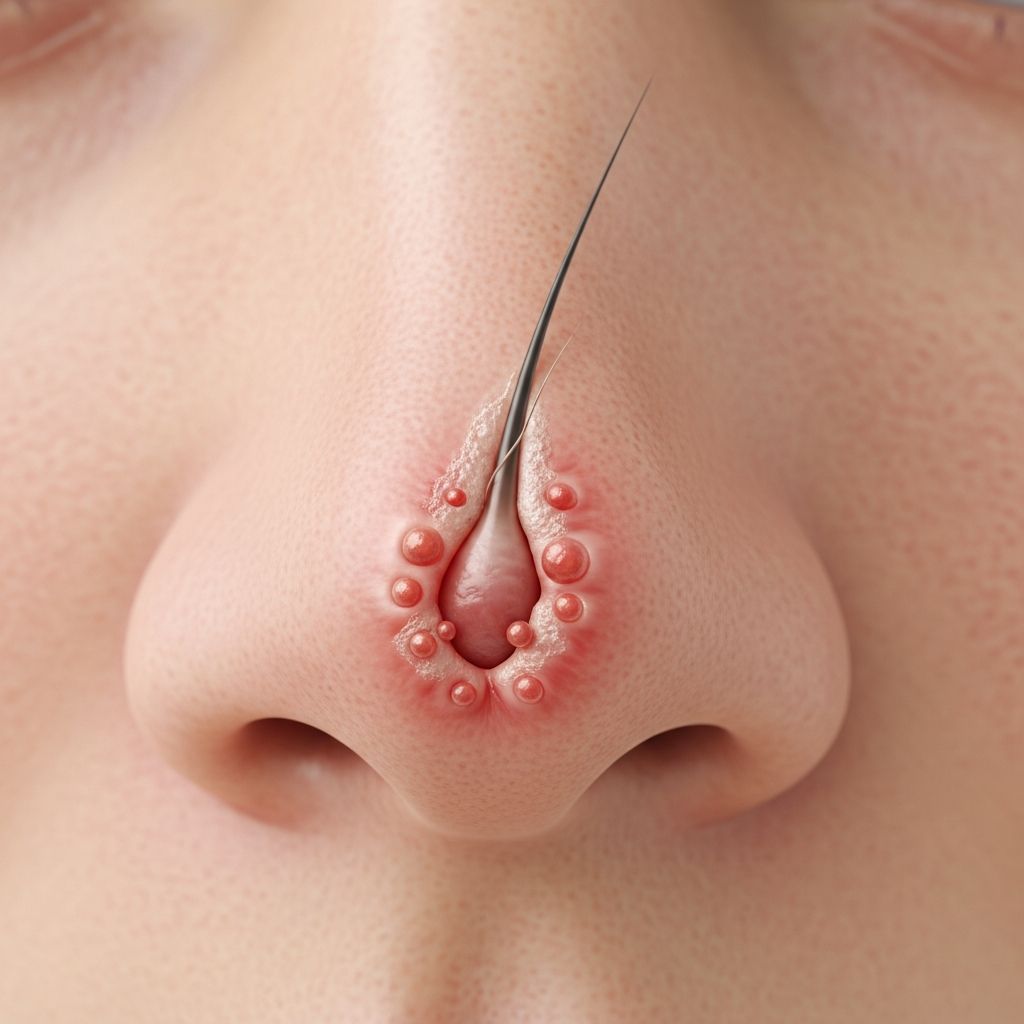
Nasal vestibulitis is a bacterial infection that develops inside your nostrils, specifically in the nasal vestibule. The nasal vestibule is the front part of your nasal cavity located just inside the nostrils. This common condition causes sores, pimples, and crusting around the opening of your nose. While mild nasal vestibulitis is quite common and easily treatable, it’s important to understand the condition and when to seek medical attention to prevent serious complications.
The infection typically develops as a result of trauma to the delicate tissues inside your nose. Excessive nose blowing, picking at the nostrils, or aggressive nasal hygiene can damage the protective barrier, allowing bacteria to enter and establish an infection. Staphylococcus bacteria are the most common culprits behind this condition.
Symptoms of Nasal Vestibulitis
The symptoms of nasal vestibulitis can vary depending on the severity of the infection. Recognizing these signs early allows you to seek appropriate treatment and prevent complications.
Common symptoms include:
- Redness or swelling around the nostrils
- Small sores or pimples inside the nostrils
- Yellow crusting or scabbing around the nose opening
- Tenderness or pain when touching the nose
- Mild discomfort or itching in the nasal area
In more severe cases, symptoms may progress to include boils forming inside the nostrils (nasal vestibular furunculosis), increased swelling, and more pronounced pain. If you develop any of these warning signs, medical attention becomes essential.
Causes and Risk Factors
Understanding what causes nasal vestibulitis can help you take preventive measures. The primary cause is bacterial infection, most commonly from Staphylococcus bacteria, which are naturally present on the skin.
Common causes include:
- Excessive nose blowing or aggressive nose picking
- Trauma to the nasal vestibule from scratching or picking
- Plucking nose hairs, which can create entry points for bacteria
- Chronic rhinitis or frequent sinus infections
- Poor nasal hygiene practices
- Sharing personal items like towels with infected individuals
Certain factors increase your susceptibility to developing nasal vestibulitis. People with compromised immune systems, those who frequently manipulate their nostrils, and individuals with allergies or chronic nasal conditions face higher risk. Additionally, poor hand hygiene and frequent touching of the face can increase bacterial exposure and infection likelihood.
Diagnosis of Nasal Vestibulitis
Diagnosing nasal vestibulitis is straightforward and typically doesn’t require specialized testing. A healthcare provider can diagnose the condition during a routine examination by simply looking inside your nostrils. Your doctor will ask about your symptoms and their duration, inquire about any trauma or picking at the nostrils, and visually inspect the affected area.
The characteristic appearance of sores, crusting, and inflammation inside the nostrils is usually sufficient for diagnosis. Special tests or imaging are rarely necessary. If symptoms are atypical or complications are suspected, your healthcare provider may perform additional evaluations to rule out other conditions.
Related Stories



Treatment Options
Because bacterial infections cause nasal vestibulitis, healthcare providers treat the condition primarily with antibiotics. The specific treatment approach depends on the severity of your infection.
Mild Cases: Topical Antibiotic Ointments
For mild nasal vestibulitis, healthcare providers usually recommend topical antibiotic ointments applied directly to the affected area. These first-line treatments effectively target Staphylococcus bacteria and other common pathogens.
Common topical antibiotics include:
- Mupirocin: A potent antibiotic ointment specifically effective against Staphylococcus bacteria
- Bacitracin: An over-the-counter antibiotic ointment that fights bacterial growth
These ointments are applied directly inside the nostrils multiple times daily as directed by your healthcare provider. Topical antibiotics minimize systemic side effects while delivering medication directly to the infection site.
Moderate to Severe Cases: Oral Antibiotics
For more moderate or severe cases, healthcare providers may prescribe oral antibiotics. These are taken by mouth and work throughout your system to combat the infection.
Common oral antibiotics prescribed include:
- Cephalexin: A first-generation cephalosporin effective against Staphylococcus infections
- Clindamycin: A lincosamide antibiotic with strong activity against skin infections
- Doxycycline: A tetracycline antibiotic used for bacterial infections
Your healthcare provider will determine the appropriate antibiotic, dosage, and duration based on the severity of your infection and your medical history. It’s crucial to complete the entire prescribed course, even if symptoms improve before finishing the medication.
Additional Symptom Management
Beyond antibiotics, several measures can help manage symptoms and promote healing:
- Over-the-counter pain relievers like ibuprofen or acetaminophen to manage discomfort
- Prescription NSAIDs or topical steroids if discomfort persists
- Warm compresses applied to the affected area to reduce pain and improve blood flow
- Nasal saline sprays to keep passages moist and clear
- Gentle decongestants under medical guidance (if recommended by your provider)
Severe Cases: Drainage and IV Antibiotics
In rare, complicated cases where boils have formed, surgical drainage may be necessary. For severe infections or cases with spreading cellulitis, hospitalization with intravenous (IV) antibiotics might be required. If the infection doesn’t respond to standard antibiotics, your provider may need to surgically drain any boils that have formed inside your nose.
Home Care and Prevention
Alongside medical treatment, home care plays an important role in recovery and preventing recurrence.
Recommended home care practices:
- Keep the affected area clean by gently washing with mild soap and water
- Avoid touching, picking, or forcefully blowing your nose
- Use soft, clean tissues when wiping your nose and dispose promptly
- Avoid sharing personal items like towels with others
- Wash hands before touching your face
- Trim nose hairs rather than plucking them
- Use a humidifier to maintain moisture in nasal passages during dry weather
- Don’t pop pimples in or near your nostrils
When to Seek Emergency Care
While most cases of nasal vestibulitis are manageable with standard treatment, certain situations require immediate emergency attention. The nasal area sits in what’s called the “danger triangle of the face,” where veins lead directly to the brain. If bacteria spread through these veins, life-threatening complications can develop.
Seek emergency care immediately if you develop:
- Boils or painful swelling at the tip of your nose
- High fever
- Severe headaches
- Vision problems or changes in vision
- Skin that feels warm to the touch
- Severe facial swelling or redness spreading beyond the nostrils
Call 911 or go to your nearest emergency room immediately if you experience these symptoms. Delayed treatment of serious complications like cellulitis or cavernous sinus thrombosis can result in permanent neurological damage or death.
Complications of Nasal Vestibulitis
Although rare, nasal vestibulitis can lead to serious complications if left untreated or if the infection spreads.
Possible complications include:
- Cellulitis: A spreading skin infection requiring prolonged antibiotic treatment and close monitoring
- Nasal vestibular furunculosis: Development of boils inside the nostrils causing increased pain and swelling
- Cavernous sinus thrombosis: An extremely rare but life-threatening condition occurring when infection spreads to veins behind the eyes, causing blood clots and severe neurological symptoms
- Abscess formation: A pocket of pus that may require surgical drainage
These complications are uncommon when nasal vestibulitis is treated promptly and appropriately. Early diagnosis and adherence to treatment recommendations significantly reduce the risk of serious outcomes.
Recovery Timeline and Outlook
With prompt treatment, most people with nasal vestibulitis recover quickly. The majority of patients feel significantly better within just a few days. Typically, with appropriate antibiotic treatment, nasal vestibulitis resolves in about three to four days.
However, recovery timelines can vary based on:
- Severity of the initial infection
- Timeliness of treatment initiation
- Adherence to treatment protocols
- Individual immune system response
- Presence of any underlying conditions
It’s possible for symptoms to worsen in rare instances, particularly if the infection spreads or if treatment isn’t followed as directed. If symptoms don’t improve or continue worsening despite treatment, contact your healthcare provider immediately.
Prevention Strategies
While you can’t always prevent Staphylococcus infections, you can significantly lower your risk of developing nasal vestibulitis by following these guidelines:
- Always wash your hands before touching your face
- Keep your fingers out of your nose
- Trim nose hairs rather than plucking them
- Avoid picking at or scratching inside your nostrils
- Don’t pop pimples in or near your nostrils
- Avoid sharing towels, washcloths, or other personal items
- Practice gentle nasal hygiene using soft tissues
- Use a humidifier in dry environments
‘t maintain overall good health and hygiene practices
When to Schedule a Medical Appointment
You should see a healthcare provider if you develop any signs or symptoms of nasal vestibulitis. Schedule an appointment if you notice:
- Redness or swelling around your nostrils
- Sores or crusting inside your nostrils
- Pain or tenderness around the nose
- Symptoms that don’t improve with home care within a few days
- Recurrent episodes of nasal vestibulitis
- Signs of spreading infection
Early medical intervention can prevent complications and ensure faster recovery. If your symptoms worsen or you develop any concerning signs, don’t wait for a scheduled appointment—contact your healthcare provider or seek immediate care.
Frequently Asked Questions
Q: Is nasal vestibulitis contagious?
A: Yes, nasal vestibulitis can be contagious because it’s caused by bacteria. You can spread it through direct contact or by sharing personal items like towels. Practice good hygiene to prevent transmission to others.
Q: How long does nasal vestibulitis last with treatment?
A: With appropriate antibiotic treatment, most cases resolve within three to four days. However, mild cases may improve within a few days, while severe cases might take longer depending on the response to treatment.
Q: Can nasal vestibulitis go away on its own?
A: While very mild cases might improve with home care alone, most cases require antibiotic treatment to resolve completely. Without treatment, the infection can worsen and lead to serious complications.
Q: What’s the difference between nasal vestibulitis and a pimple in my nose?
A: Nasal vestibulitis involves bacterial infection of the nasal vestibule with characteristic crusting, redness, and multiple sores. A single pimple is usually a localized folliculitis and typically responds to gentle cleaning and topical treatments.
Q: Are there natural remedies for nasal vestibulitis?
A: While saline rinses and gentle hygiene can support healing, antibiotics are usually necessary for proper treatment. Always consult your healthcare provider before trying alternative remedies, as delaying antibiotic treatment can allow the infection to worsen.
Q: Should I see an ENT specialist for nasal vestibulitis?
A: Most cases can be managed by your primary care provider. However, if symptoms persist, recur frequently, or become complicated, an ENT specialist may be needed for comprehensive evaluation and management.
Q: Can I use antibiotic ointment from my medicine cabinet?
A: While over-the-counter antibiotic ointments like bacitracin may help mild cases, it’s best to consult a healthcare provider for proper diagnosis and treatment recommendations tailored to your specific situation.
References
- Nasal Vestibulitis: Symptoms, Treatment & Outlook — Cleveland Clinic. 2024. https://my.clevelandclinic.org/health/diseases/24928-nasal-vestibulitis
- Nasal Vestibulitis: Symptoms, Causes, and Effective Treatments — Rupa Health. 2024. https://www.rupahealth.com/post/nasal-vestibulitis-symptoms-causes-and-effective-treatments
- Nasal Vestibulitis: What Is It and How Is It Treated? — WebMD. https://www.webmd.com/a-to-z-guides/what-is-nasal-vestibulitis
- Nasal Vestibulitis Causes & Care: Complete Guide for Treatment — Sleep and Sinus Centers. https://www.sleepandsinuscenters.com/blog/nasal-vestibulitis-causes-care-complete-guide-for-treatment
- Nasal Vestibulitis: Causes, Symptoms, Treatment, and Prevention — ENT Family. https://www.entfamily.com/post/nasal-vestibulitis-causes-symptoms-treatment-and-prevention
Similar Articles








Read full bio of medha deb