Nasogastric Tube: Purpose, Types & Placement
Complete guide to nasogastric tubes: learn about uses, types, placement procedures, and medical benefits.
Understanding Nasogastric Tubes: A Comprehensive Medical Guide
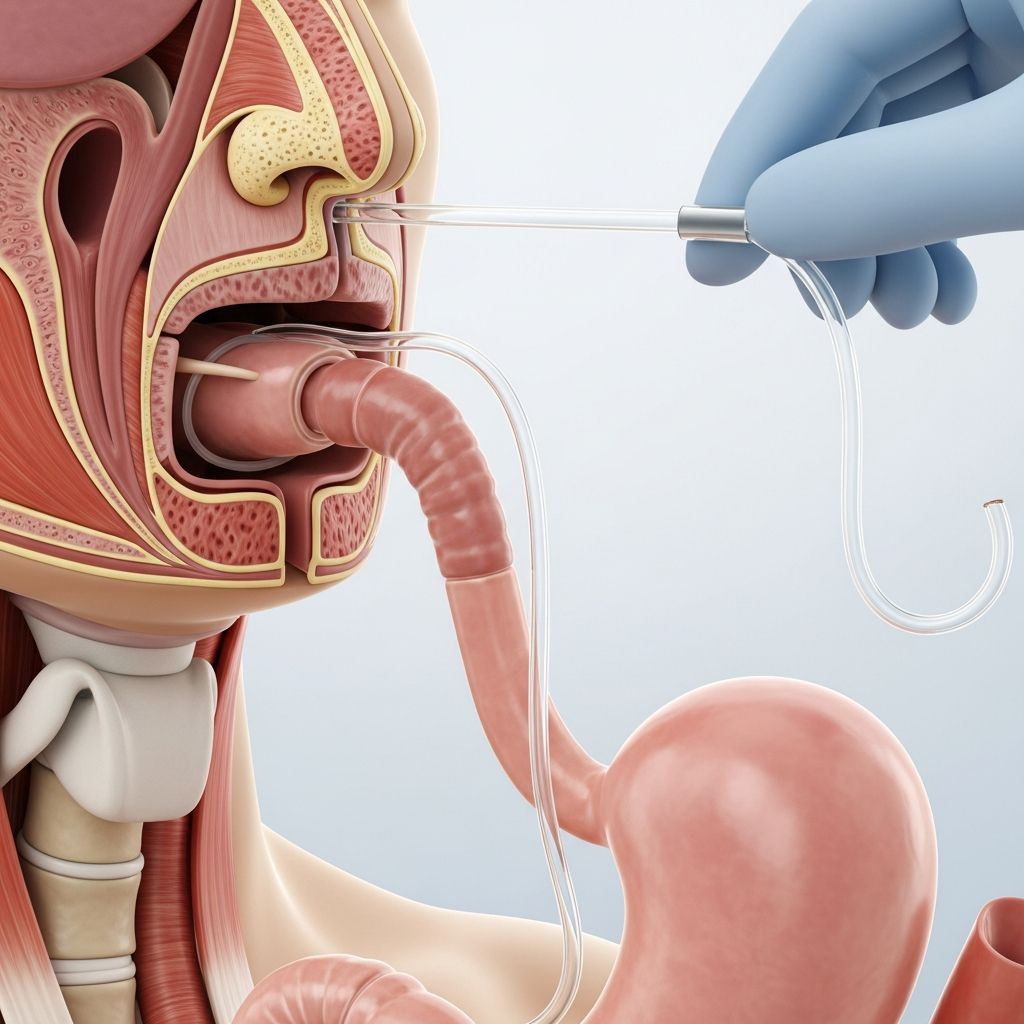
A nasogastric tube, commonly referred to as an NG tube, is a thin, flexible plastic catheter that serves as an important medical device in modern healthcare. The term “nasogastric” directly describes the tube’s pathway—”naso” referring to the nose and “gastric” referring to the stomach. Healthcare providers use NG tubes for both temporary feeding and therapeutic purposes, making them an essential tool in treating various medical conditions. The tube is carefully designed to pass through the nasal cavity, down through the throat and esophagus, and into the stomach, where it can perform critical functions for patients who cannot receive nutrition or medications through conventional oral methods.
What is a Nasogastric Tube?
An NG tube is a medical catheter inserted through the nose and threaded into the stomach. It is a thin, flexible tube made of plastic that is specifically designed for temporary medical use. The primary distinction of an NG tube is its minimally invasive nature—it requires no surgical intervention and can be placed quickly and safely in most patients. This characteristic makes it particularly valuable in emergency situations where rapid intervention is necessary, such as in cases of toxic ingestion or overdose. The tube’s flexibility and small diameter contribute to patient comfort and safety during placement and use.
Unlike more permanent feeding tubes that require surgical placement, NG tubes can be inserted at a patient’s bedside by trained healthcare professionals. This advantage means patients can benefit from enteral nutrition without undergoing surgical procedures. The tube’s design allows it to serve multiple purposes simultaneously, making it a versatile tool in clinical settings ranging from hospitals to rehabilitation facilities.
Primary Purposes and Uses of NG Tubes
Nasogastric tubes serve two main clinical purposes: tube feeding with medication administration and gastric suctioning. These dual capabilities make NG tubes invaluable in managing diverse patient populations.
Tube Feeding and Medication Administration
One of the primary functions of an NG tube is delivering nutrition directly to the stomach through enteral feeding. This method, known as enteral nutrition, bypasses the mouth and throat, allowing patients who cannot consume food orally to receive necessary nutrients and hydration. Special nutritional formulas can be delivered through the tube directly into the stomach, where they are processed normally by the digestive system.
Patients may require tube feeding for various reasons. Conditions affecting appetite, difficulty with chewing, or swallowing problems make oral nutrition impossible. Additionally, hospitalized patients recovering from surgery or serious illness often need supplemental nutrition to support their healing process and maintain adequate caloric intake. Some patients may have temporary conditions that make swallowing unsafe, while others have chronic disorders requiring long-term nutritional support. Through the NG tube, medications can also be administered to patients who cannot take pills orally, ensuring they receive necessary pharmaceutical treatments even when conventional administration routes are unavailable.
Gastric Suctioning and Decompression
The second major purpose of nasogastric tubes is gastric suctioning, commonly referred to as stomach pumping. Healthcare providers use this function to draw contents out of the stomach either as a preventive measure or as an emergency intervention. In emergency situations involving poisoning or medication overdose, NG tubes allow physicians to remove toxic substances before they are absorbed into the bloodstream. This function can be life-saving in acute situations.
Beyond emergency use, gastric suctioning through NG tubes serves therapeutic purposes. When medical conditions or surgical procedures cause the stomach to become overfull and distended, the accumulated contents can cause significant discomfort and nausea. By removing these contents through the tube, healthcare providers can decompress the stomach, prevent regurgitation, and reduce the risk of aspiration—a dangerous condition where stomach contents enter the lungs.
Related Stories



Common Medical Conditions Requiring NG Tube Placement
Various medical conditions necessitate the use of nasogastric tubes. Understanding these conditions helps patients and families recognize when NG tube placement may be recommended.
Conditions Requiring Tube Feeding
Patients with conditions affecting their ability to eat or swallow may require temporary tube feeding through an NG tube. These conditions include difficulty swallowing caused by neurological disorders, post-surgical recovery periods where oral feeding is restricted, throat or esophageal disorders, compromised appetite due to illness or medical treatments, and situations where oral nutrition intake is insufficient to meet patient needs. Additionally, patients receiving intensive medical care or those with certain cancers affecting the digestive tract may rely on NG tubes for nutritional support during treatment.
Conditions Requiring Gastric Suctioning
Gastric suctioning through NG tubes becomes necessary in several clinical scenarios. Small bowel obstruction from adhesions, hernias, or other causes can prevent normal passage of bodily fluids, leading to abdominal distension, pain, and nausea. Ileus, a temporary paralysis of intestinal muscles, also requires gastric decompression. Emergency situations involving poisoning or medication overdose require immediate stomach pumping. Additionally, severe nausea and vomiting from various causes, gastric distension from other medical conditions, and certain post-operative situations may require the therapeutic benefits of an NG tube.
Types of Nasogastric Tubes
Two main types of nasogastric tubes exist, each designed for specific purposes and clinical applications.
Single-Lumen NG Tubes
The single-lumen NG tube features a single, narrow channel designed for one-directional delivery of medications and nutrition into the stomach. This tube type is specifically engineered for feeding purposes and medication administration. The channel has a small diameter, referred to as “small bore,” to maximize patient comfort since this tube may remain in place for several weeks. The small diameter reduces irritation to nasal and throat tissues while still allowing adequate flow of nutritional formulas.
Two main models represent standard single-lumen NG tubes: the Levin tube and the Dobhoff tube. The primary difference between these models is structural: the Dobhoff tube includes a weighted tip on its end, which facilitates proper positioning in the stomach and helps the tube advance more naturally through the esophagus due to gravity. This weighted design can make insertion easier and may improve tube placement accuracy in some patients.
Double-Lumen NG Tubes
The double-lumen NG tube is specially engineered for suctioning purposes, though it can serve other functions as needed. This tube design features two channels: a wider channel for suctioning gastric contents and a narrower channel that functions as an air vent. The air vent is critical to tube function—it relieves vacuum pressure that builds up during suctioning, preventing the tube from adhering to the stomach lining. This design feature significantly improves patient safety and comfort during gastric decompression.
Several double-lumen models are available in clinical practice, with the Salem Sump being among the most commonly used. The double-lumen design makes these tubes particularly valuable in situations requiring aggressive stomach decompression or when prolonged suctioning is anticipated.
The NG Tube Insertion Procedure
Pre-Insertion Preparation
Before placing an NG tube, trained healthcare providers follow established protocols to ensure patient safety and comfort. The procedure begins with informed consent—the healthcare provider explains the indication for the procedure, potential complications, and alternative treatments to the patient. The patient is positioned sitting upright if possible, as this position facilitates tube passage and reduces aspiration risk. A protective sheet is placed on the patient’s chest to catch any materials in case of vomiting during the procedure.
Essential equipment is gathered and placed within reach to minimize unnecessary movement during the procedure. This includes the NG tube, suction tubing, and suction bucket, which are connected before tube placement to minimize spillage of gastric contents. Having supplies readily available ensures the procedure proceeds efficiently and safely.
Measuring Tube Length
Healthcare providers use specific techniques to determine the appropriate tube length needed to reach the stomach. Since tube length requirements are proportional to body size, the tube is measured against other distances on the patient’s body. For adults, approximately 55 centimeters of tube length typically reaches the stomach, though this measurement can vary based on individual anatomy. The tube is usually measured from the tip of the nose, across the cheek, and down to the bottom of the breastbone to estimate proper insertion depth.
Tube Insertion Steps
During insertion, the NG tube is first lubricated with water or special lubricating jelly, allowing it to slide more easily through the nasal passages and throat. The tube is then gently inserted into one nostril and guided down the throat, through the esophagus, and into the stomach. If the patient is able to swallow, they may be asked to do so to facilitate tube passage and proper positioning. Some patients find sipping water through a straw helpful during insertion, as the swallowing action assists tube advancement.
Once the tube reaches the stomach, healthcare providers verify correct placement using established protocols. The tube is then secured in place using tape applied to the patient’s cheek, preventing accidental movement or dislodgement. Some NG tubes utilize guidewires that facilitate easier insertion; these guidewires are removed immediately after the tube reaches the stomach.
Advantages of Nasogastric Tube Therapy
Nasogastric tubes offer numerous clinical advantages that make them preferred choices in many medical situations:
- No surgical intervention required for placement
- Quick and safe installation in most patient populations
- Minimal invasiveness compared to surgical feeding tubes
- Ability to function in emergency situations
- Allows patients in poor health to receive enteral nutrition without surgery
- Provides temporary support during recovery periods
- Can be placed at bedside by trained healthcare professionals
- Reversible—can be removed when no longer needed
- Cost-effective compared to surgical alternatives
- Suitable for both therapeutic and preventive applications
Clinical Significance and Standard of Care
Nasogastric tubes have become part of the standard of care in treating intestinal obstruction and remain essential tools in modern medical practice. Whether decompressing the stomach in obstruction scenarios, providing enteral access for nutrition and medications in patients unable to tolerate oral intake, or ruling out upper gastrointestinal sources of bleeding, NG tubes serve critical functions across multiple clinical settings. From emergency departments managing acute poisonings to surgical recovery units supporting post-operative patients, nasogastric tubes represent reliable, effective medical technology that healthcare providers readily use when indicated.
Frequently Asked Questions About Nasogastric Tubes
Q: How long can a nasogastric tube stay in place?
A: Nasogastric tubes are designed for temporary use. Single-lumen feeding tubes may remain in place for several weeks, while double-lumen suctioning tubes are typically used for shorter periods depending on clinical needs.
Q: Is NG tube placement painful?
A: While not described as painful, NG tube placement can be uncomfortable. The tube causes some irritation to nasal and throat tissues. Lubricating the tube and using proper technique minimize discomfort. Some patients receive nebulized lidocaine to increase comfort during insertion.
Q: Can NG tubes be used for long-term feeding?
A: No. Nasogastric tubes are temporary devices. Patients requiring long-term tube feeding typically transition to more permanent options such as gastrostomy tubes placed surgically.
Q: What happens after NG tube removal?
A: After removal, minor nasal discomfort and irritation may persist briefly. Most patients recover quickly with no lasting effects. Healthcare providers gradually resume oral feeding as tolerated.
Q: Are NG tubes used in children?
A: Yes, NG tubes are commonly used in pediatric patients who cannot receive adequate nutrition orally. Healthcare providers modify insertion techniques and tube sizes appropriately for children.
Q: Can patients with NG tubes eat by mouth?
A: This depends on the reason the tube was placed. Some patients may have restrictions on oral intake during treatment, while others may supplement tube feeding with limited oral intake as approved by their healthcare provider.
Conclusion
Nasogastric tubes represent an important advancement in medical care, offering non-surgical solutions for patients requiring temporary nutritional support or gastric decompression. While having an NG tube in place may not be the most pleasant experience, it remains tolerable and offers critical medical benefits. Whether used preventatively during surgery, therapeutically for various medical conditions, or as emergency intervention in acute situations, nasogastric tubes have earned their place as essential medical devices. For patients who require them, NG tubes may play a crucial role in recovery, or in some cases, may literally save their lives. Understanding what NG tubes are, how they work, and why they are used helps patients and families feel more confident when facing this medical procedure.
References
- Nasogastric Tube: What It Is, Uses, Types — Cleveland Clinic. 2024. https://my.clevelandclinic.org/health/treatments/24313-nasogastric-tube
- Nasogastric Tube — StatPearls, National Center for Biotechnology Information, U.S. National Library of Medicine. 2024. https://www.ncbi.nlm.nih.gov/books/NBK556063/
- Learning About a Nasogastric (NG) Tube — Alberta Health Services. 2024. https://myhealth.alberta.ca/Health/aftercareinformation/pages/conditions.aspx?hwid=abn2853
- Nasogastric Tubes (Insertion and Feeding) — Nationwide Children’s Hospital. 2024. https://www.nationwidechildrens.org/family-resources-education/health-wellness-and-safety-resources/helping-hands/nasogastric-tubes-insertion-feeding
- Nasogastric Tube (NG Tube) — Nemours KidsHealth. 2024. https://kidshealth.org/en/parents/nasogastric-tube.html
Similar Articles








Read full bio of medha deb