Nasolabial Folds: Causes, Treatments & Prevention
Understanding smile lines: Learn what causes nasolabial folds and explore effective treatment options.
Understanding Nasolabial Folds: A Comprehensive Guide
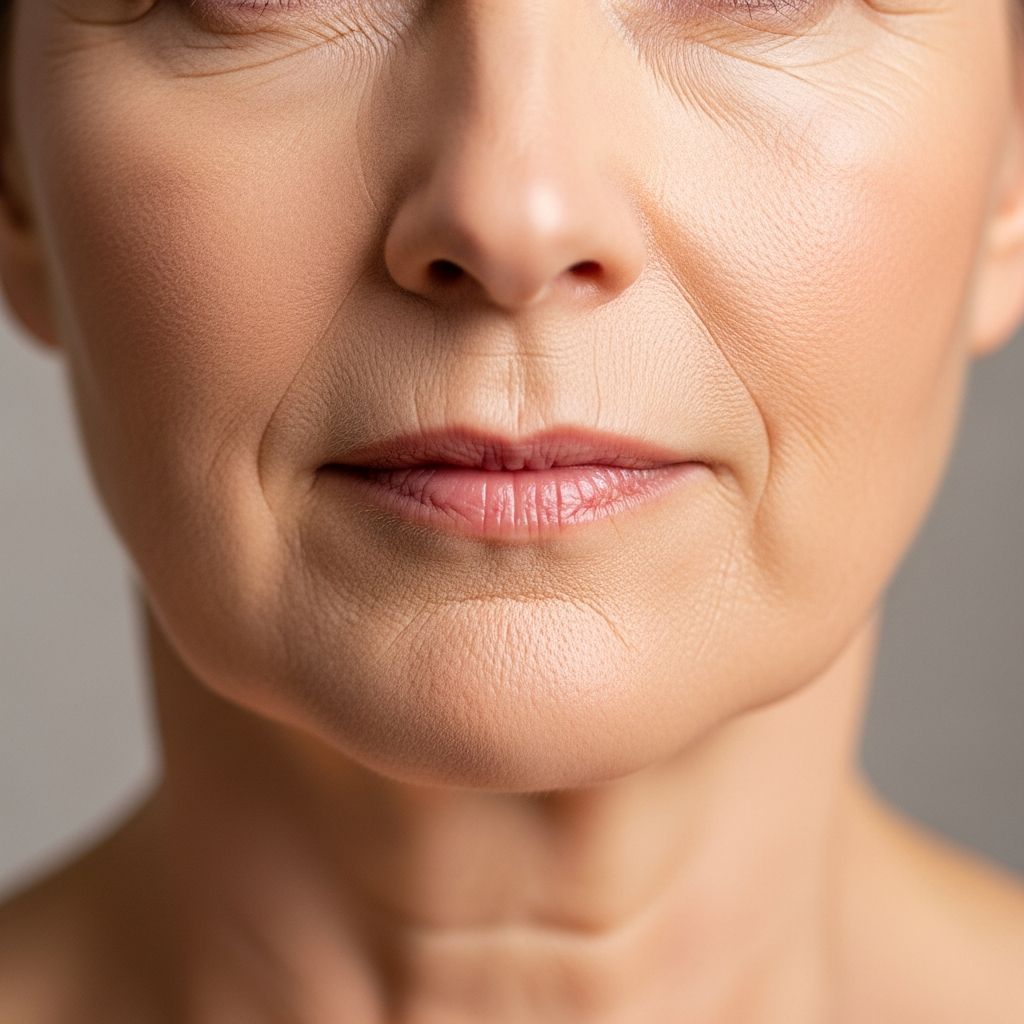
Nasolabial folds are creases in your skin that extend from both sides of your nose to the corners of your mouth. These lines are commonly referred to as smile lines or laugh lines because they often become more pronounced when you smile or laugh. While everyone has nasolabial folds as a natural part of facial anatomy, they can become increasingly prominent and permanent as you age, particularly if you engage in habits like smoking or fail to protect your skin from sun damage.
Understanding the nature of nasolabial folds, what causes them to deepen, and what treatment options are available can help you make informed decisions about managing their appearance. This comprehensive guide explores the causes, preventive measures, and various treatment approaches recommended by dermatologists and cosmetic specialists.
What Are Nasolabial Folds?
Nasolabial folds are natural facial lines that run diagonally from the outer edges of your nostrils downward toward the corners of your mouth. These creases are a normal part of facial anatomy present in people of all ages, races, and genders. However, their visibility and depth vary significantly from person to person, depending on genetics, lifestyle factors, and age-related changes in the skin.
In younger individuals, nasolabial folds are typically shallow and may only become noticeable when smiling or laughing. As you age, these lines tend to deepen and become permanent features of your face, even when your facial muscles are at rest. This transition from temporary smile-induced creases to permanent facial lines represents a significant aesthetic concern for many people.
Primary Causes of Nasolabial Folds
Several interconnected factors contribute to the development and deepening of nasolabial folds. Understanding these causes is essential for both prevention and selecting appropriate treatment strategies.
Age-Related Changes
The most significant factor in nasolabial fold development is the natural aging process. As you age, your skin undergoes multiple changes that collectively lead to more pronounced facial lines. Your body produces less collagen and elastin, the proteins responsible for maintaining skin firmness and elasticity. This gradual loss of structural support causes the skin to sag and wrinkle more easily.
Additionally, the underlying facial bones slowly resorb and recede over time. When the maxilla (upper jaw) and midface lose structural support, the overlying tissue has less scaffolding to rest on, causing folds and jowls to become more pronounced.
Sun Exposure and UV Damage
Chronic sun exposure accelerates the breakdown of collagen and elastin in your skin, significantly speeding up the aging process. Ultraviolet radiation damages the skin’s structural proteins and causes pigment changes that can visually emphasize facial folds, making nasolabial lines appear deeper and more noticeable than they would otherwise be.
Smoking
Smoking has a dramatic impact on facial aging and nasolabial fold formation. Research demonstrates that smokers develop deeper nasolabial creases and jowls compared to non-smokers. Twin studies have shown that even just a few years’ difference in smoking history between genetically identical siblings results in significantly more pronounced facial lines in the smoker, highlighting smoking’s accelerated aging effect on facial skin.
Related Stories



Loss of Collagen and Elastin
Collagen and elastin are the fundamental proteins that maintain your skin’s structural integrity and elasticity. As these proteins diminish with age and environmental damage, your skin loses its ability to bounce back and maintain its smooth appearance. This loss contributes directly to the formation and deepening of nasolabial folds.
Sagging Skin and Fat Descent
Over time, the facial fat pads that provide volume and support gradually shift downward due to gravity and loss of skin elasticity. This descending fat, combined with sagging skin, creates the characteristic deeper nasolabial creases. The process is not simply a surface phenomenon but involves multiple layers of facial tissue.
Rapid Weight Loss or Weight Fluctuations
Significant weight loss or frequent fluctuations in weight can accelerate the appearance of nasolabial folds. When you lose weight rapidly, the facial fat that supports your skin diminishes quickly, and the skin may not have sufficient elasticity to contract smoothly, resulting in more pronounced facial lines.
Environmental Pollutants
Exposure to environmental pollutants can contribute to skin damage and premature aging. Air pollution and other environmental toxins break down collagen and accelerate the visible signs of aging, including the deepening of nasolabial folds.
Risk Factors and Susceptibility
Certain individuals are more predisposed to developing prominent nasolabial folds than others. Your genetic makeup plays a significant role in determining how quickly you develop facial lines and how deep they become. Additionally, people with fair skin may be more susceptible to sun damage, while individuals with naturally dry skin may experience more pronounced aging lines.
Lifestyle choices have a profound impact on the timeline and severity of nasolabial fold development. People who spend significant time in the sun without adequate protection, smoke regularly, maintain poor sleep habits, or follow unhealthy diets tend to develop more prominent nasolabial folds at earlier ages.
Prevention Strategies
While you cannot completely prevent nasolabial folds from forming, several evidence-based strategies can reduce your risk of developing them prematurely, delay their appearance, and help keep them less prominent.
Sun Protection
The American Academy of Dermatology strongly recommends using broad-spectrum sunscreen with an SPF of at least 30 daily, regardless of weather conditions or season. Sun protection is one of the most effective anti-aging strategies available. Additionally, wearing protective clothing, hats, and sunglasses when spending extended time outdoors can significantly reduce cumulative UV damage to your facial skin.
Skin Moisturization
Keeping your skin well-hydrated improves overall skin quality and can help reduce the appearance of fine lines. Using a moisturizer appropriate for your skin type daily helps maintain your skin’s barrier function and supports collagen production.
Retinoid Products
Retinoids are vitamin A derivatives that have been extensively studied and proven to stimulate collagen production and promote skin cell turnover. Using retinoid products regularly can improve skin texture, reduce fine lines, and potentially help prevent or slow the deepening of nasolabial folds. Start with a lower concentration if you’re new to retinoids and gradually increase as your skin builds tolerance.
Avoid Smoking
Not smoking or quitting smoking is one of the most impactful steps you can take to prevent premature facial aging. The difference in facial aging between smokers and non-smokers is dramatic and visible within years, not decades.
Adequate Sleep
During sleep, your body increases blood flow to the skin and rebuilds collagen. Getting adequate, quality sleep supports your skin’s natural repair processes and contributes to a more youthful appearance.
Healthy Diet
Consuming a diet rich in antioxidants, healthy fats, and nutrients supports skin health and collagen production. Foods rich in vitamin C, omega-3 fatty acids, and other antioxidants can help protect your skin from damage and support overall skin quality.
Facial Exercises
Certain facial exercises that strengthen cheek muscles may help reduce the appearance of nasolabial folds slightly by improving muscle tone and promoting blood circulation to the area. While these exercises cannot eliminate established deep folds, they may provide modest benefits when combined with other prevention strategies.
Sleep Position
Sleeping on your back rather than on your side or stomach can help reduce sleep-related pressure on your facial skin, potentially minimizing facial lines and wrinkles that develop from chronic compression during sleep.
Treatment Options for Nasolabial Folds
Various treatment options are available for reducing the appearance of established nasolabial folds, ranging from non-invasive to surgical approaches. The most appropriate treatment depends on the depth of your folds, your aesthetic goals, your skin type, and your tolerance for recovery time.
Dermal Fillers
Dermal fillers represent the first-line treatment for nasolabial folds and are among the most commonly used cosmetic procedures for addressing smile lines. These injectable gels are placed beneath the folds to add volume and lift the skin, effectively reducing the appearance of the creases. The most commonly used fillers for nasolabial folds are hyaluronic acid and calcium hydroxylapatite, both of which have been shown to promote collagen growth and plump the skin.
Hyaluronic acid fillers typically last approximately six months in the nasolabial area, though duration may extend with repeat treatments. Results are immediate and noticeable, making fillers an attractive option for people seeking quick improvements. However, fillers carry certain risks including bruising, swelling, asymmetry, and in rare cases, vascular complications. Additionally, the cost per session is relatively high, and treatments must be repeated to maintain results.
Red Light Therapy
Red light therapy (LED) uses non-thermal red or red-plus-near-infrared light to stimulate fibroblasts, boost collagen and elastin production, and reduce inflammation. Clinical evidence, including a rare split-face trial that directly measured changes in nasolabial folds, demonstrates that red light therapy can soften deep smile lines by stimulating collagen remodeling. In the clinical trial, improvement was seen in all ten red-light-treated sides, with sixty percent of patients rated as having mild improvement, ten percent moderate, and thirty percent excellent improvement in nasolabial fold severity.
Red light therapy offers several advantages including gradual softening of folds, improved skin texture and tone, essentially no downtime, and very low risk when used correctly. However, effects are more modest compared with fillers or surgery, multiple sessions are required, and ongoing maintenance treatments are necessary to sustain results. Red light therapy is most appropriately positioned as a collagen-boosting and texture-smoothing adjunct rather than a singular treatment for established deep folds.
Laser Resurfacing
Laser treatments can stimulate collagen production and improve skin texture. These procedures work by creating controlled damage to the skin’s surface, prompting the body’s natural healing response and collagen remodeling. Results depend on the specific laser technology used and may require multiple sessions.
Chemical Peels
Chemical peels use acid solutions to remove the outer layers of skin, promoting collagen production and revealing fresher, smoother skin underneath. While chemical peels can improve skin texture and reduce fine lines, they are typically less effective for deeply established nasolabial folds and require repeated applications.
Microdermabrasion
Microdermabrasion uses mechanical abrasion to remove the outermost layer of dead skin cells, promoting skin renewal and collagen production. This treatment can improve skin texture and reduce the appearance of fine lines but is generally ineffective for deeply carved nasolabial folds.
Surgical Interventions
A full-face or cheek lift can help reduce the appearance of nasolabial folds by lifting and repositioning facial tissues. However, surgical procedures are usually not recommended as a first-line treatment because they may cause complications, require lengthy recovery periods, and carry surgical risks. Surgical approaches are typically reserved for individuals seeking comprehensive facial rejuvenation rather than isolated nasolabial fold treatment.
Natural and At-Home Approaches
For those seeking gentler approaches to managing nasolabial folds, several natural strategies may provide modest improvements. Nasolabial folds may be softened naturally by maintaining skin hydration, performing facial exercises that help strengthen cheek muscles, and using products with retinoids or peptides to improve collagen production. However, it’s important to maintain realistic expectations: these methods may reduce the appearance of nasolabial folds slightly, but you typically cannot eliminate deep folds without professional medical treatments.
Comparison of Treatment Approaches
| Treatment Method | Mechanism of Action | Expected Results | Duration | Downtime | Cost Range |
|---|---|---|---|---|---|
| Dermal Fillers | Injectable gel adds volume and lifts skin | Immediate, noticeable reduction in fold depth | ~6 months (varies by type) | Minimal to none | High |
| Red Light Therapy | LED stimulates collagen and elastin production | Gradual softening, mild to excellent improvement | Ongoing maintenance required | None | Low to moderate |
| Laser Resurfacing | Controlled thermal injury promotes collagen remodeling | Moderate improvement in skin texture and fold appearance | Results improve over months, maintenance varies | Moderate | Moderate to high |
| Chemical Peels | Acid removes outer skin layers, stimulates renewal | Mild to moderate improvement in texture and fine lines | Results accumulate with repeated treatments | Minimal to moderate | Low to moderate |
| Surgical Lift | Lifts and repositions facial tissues | Significant reduction in nasolabial folds | Results can last several years | Significant (weeks to months) | Very high |
Frequently Asked Questions About Nasolabial Folds
Q: At what age do nasolabial folds typically become prominent?
A: Nasolabial folds are present from birth as a natural part of facial anatomy. However, they typically become more prominent and permanent starting in the late 30s and 40s as collagen production decreases and skin elasticity diminishes. The timeline varies significantly based on genetics, sun exposure, smoking habits, and other lifestyle factors.
Q: Can you fix nasolabial folds naturally without professional treatment?
A: Natural approaches such as facial exercises, proper hydration, retinoid products, sun protection, and a healthy diet may help soften the appearance of nasolabial folds slightly and prevent them from deepening further. However, these methods typically cannot eliminate established deep folds without professional medical treatments like fillers or laser procedures.
Q: How long do dermal filler results last?
A: Most hyaluronic acid fillers last approximately 6 months in the nasolabial area, though some people may experience longer duration, especially after repeat treatments. The exact duration depends on the specific filler used, your metabolism, and individual factors affecting filler breakdown.
Q: Is red light therapy effective for nasolabial folds?
A: Clinical evidence shows that red light therapy can produce measurable softening of nasolabial folds by stimulating collagen production. However, effects are modest compared with fillers or surgery, and results develop gradually over weeks to months with ongoing maintenance treatments required.
Q: Are nasolabial folds worse in certain skin types?
A: Nasolabial folds are common in people of all skin types and races. However, fair-skinned individuals may be more susceptible to sun damage, and people with naturally dry skin may experience more pronounced aging lines. Genetics plays a significant role in individual susceptibility.
Q: Can weight loss cause deeper nasolabial folds?
A: Rapid weight loss can accelerate the appearance of nasolabial folds because facial fat that provides volume and support diminishes quickly, and the skin may not contract smoothly enough to prevent prominent lines from forming.
Q: What is the safest treatment option for nasolabial folds?
A: Red light therapy and proper skincare with sunscreen and retinoids are among the safest options with minimal to no risk when used correctly. Dermal fillers are also relatively safe when administered by qualified professionals, though they carry minor risks of bruising and swelling. Surgical procedures carry greater risks and longer recovery periods.
References
- Nasolabial Folds (Smile Lines): Causes & Treatment, Prevention — Cleveland Clinic. 2024. https://my.clevelandclinic.org/health/diseases/23027-nasolabial-folds
- Red Light Therapy for Nasolabial Folds & Smile Lines — Youlumi. 2024. https://www.youlumistore.com/blogs/red-light-therapy-science/red-light-therapy-nasolabial-folds
- Can You Get Rid of Nasolabial Folds (Smile Lines)? — MedicineNet. 2024. https://www.medicinenet.com/can_you_get_rid_of_nasolabial_folds/article.htm
- Tissue Fillers for the Nasolabial Fold Area: A Systematic Review and Meta-analysis — PubMed Central, National Center for Biotechnology Information. 2021. https://pubmed.ncbi.nlm.nih.gov/34786616/
Similar Articles








Read full bio of medha deb