5 Natto Benefits Backed By Science For Digestion & Bone Health
Discover the powerful health benefits of natto, from stronger bones and heart health to improved digestion and immunity.
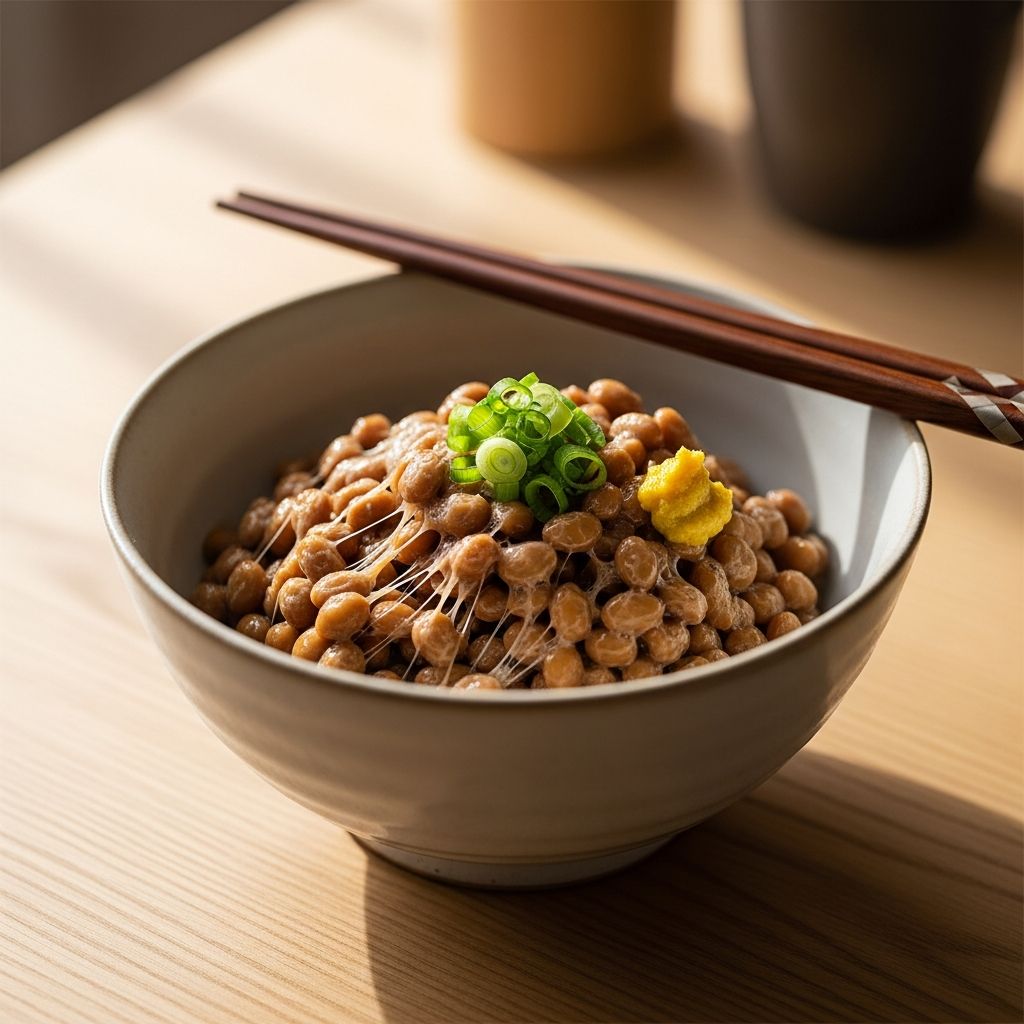
Natto is a traditional Japanese fermented soybean dish renowned for its unique sticky texture, strong flavor, and impressive nutritional profile. Packed with probiotics, vitamin K2, nattokinase, and other bioactive compounds, natto offers a range of health benefits supported by scientific research. This article explores what natto is, its key nutrients, and evidence-based advantages for digestion, bones, heart health, immunity, and more.
What Is Natto?
Natto is made by fermenting whole soybeans with Bacillus subtilis natto bacteria, a process that transforms the beans into a slimy, stringy food with a distinctive nutty, ammonia-like aroma. Originating in Japan, natto is commonly eaten for breakfast over rice, mixed with soy sauce, mustard, and green onions. The fermentation enhances digestibility and produces unique compounds like nattokinase and poly-γ-glutamic acid (γ-PGA), contributing to its health-promoting properties.
Unlike other soy products like tofu or edamame, natto’s fermentation creates probiotics and enzymes that boost nutrient absorption. It’s a staple in Japanese cuisine, with consumption linked to lower rates of osteoporosis and cardiovascular disease in populations with high intake.
Natto Nutrition Facts
A typical 100-gram serving of natto provides high-quality protein, fiber, vitamins, and minerals. The fermentation process increases bioavailability, making nutrients easier to absorb compared to unfermented soybeans.
| Nutrient | Amount per 100g | % Daily Value* |
|---|---|---|
| Calories | 211 kcal | 11% |
| Protein | 19g | 38% |
| Fiber | 5.4g | 19% |
| Vitamin K2 (MK-7) | 1,100 mcg | 917% |
| Vitamin C | 13mg | 14% |
| Iron | 8.6mg | 48% |
| Zinc | 3mg | 27% |
| Selenium | 9mcg | 16% |
| *Based on a 2,000-calorie diet. Data approximated from sources. | ||
Natto is exceptionally rich in
vitamin K2
(menaquinone-7), the richest dietary source, vital for directing calcium to bones and away from arteries. It also contains B vitamins (B2, B6, B12), vitamin E, antioxidants, and unsaturated fatty acids like linoleic and alpha-linolenic acid. Probiotics from B. subtilis natto further enhance gut health and nutrient uptake.5 Science-Backed Benefits of Natto
1. Improves Digestion
The probiotics in natto, primarily Bacillus subtilis, foster a healthy gut microbiome by promoting beneficial bacteria growth and inhibiting pathogens. This leads to better digestion, reduced bloating, and relief from constipation.
A randomized, placebo-controlled study on healthy adults consuming natto powder for 4 weeks showed significant improvements in bowel movement frequency, reduced defecation pain, softer stools, and better stool color and odor compared to placebo. Participants also reported less fatigue and improved sleep quality, likely due to maintained intestinal flora and γ-PGA’s role in nutrient absorption. Natto’s enzymes break down proteins, carbs, and fats into easily absorbable forms, while its fiber adds bulk to stool.
2. Promotes Stronger Bones
Natto’s high
vitamin K2
content activates osteocalcin, a protein that binds calcium to bones, increasing density and strength. Studies link regular natto intake to higher bone mineral density and lower osteoporosis risk, especially in postmenopausal women.Unlike vitamin K1 from leafy greens, K2 (MK-7 form in natto) has superior bioavailability and longer half-life, effectively preventing arterial calcification while supporting skeletal health. Combined with calcium-absorbing γ-PGA and minerals like magnesium, natto is a powerhouse for bone health.
3. Supports Heart Health
**Nattokinase**, a fibrinolytic enzyme produced during fermentation, breaks down blood clots, improves circulation, and may lower blood pressure and cholesterol. Natto’s fiber binds bile acids, reducing LDL cholesterol, while its probiotics and fatty acids protect against atherosclerosis.
Related Stories



Research indicates nattokinase dissolves thrombi, preventing heart disease and stroke. Natto consumption is associated with reduced cardiovascular risk factors in epidemiological studies. Consult a doctor before using nattokinase supplements, especially if on blood thinners.
4. Strengthens the Immune System
Probiotics in natto enhance gut barrier function, boosting antibody production and fighting infections. A 2015 study found elderly participants taking B. subtilis (2 billion CFU) had fewer respiratory infections over 4 months compared to placebo.
Natto provides immune-supporting nutrients: vitamin C for white blood cell function, iron and zinc for immune cell development, selenium and copper as antioxidants. These collectively reduce infection risk and speed recovery.
5. Other Potential Benefits
- Anticancer effects: Soy isoflavones and vitamin K2 may inhibit cancer cell growth; more human studies needed.
- Weight management: Probiotics and fiber promote satiety, prevent weight gain, and aid fat metabolism.
- Antioxidant and anti-aging: SOD enzyme scavenges free radicals, supporting skin health and longevity.
- Brain health: Nattokinase may protect against clots in cerebral vessels.
Potential Downsides and Precautions
Natto is generally safe but its strong taste and sliminess deter newcomers. Those with soy allergies should avoid it. High vitamin K2 may interact with warfarin; consult a healthcare provider. Start with small portions (50g) to build tolerance. Natto kinase supplements require medical supervision for bleeding risks.
How to Eat Natto: A Beginner’s Guide
Traditional way: Mix natto with soy sauce, karashi mustard, and chopped green onions; serve over hot rice.
- Incorporations: Add to salads, soups, stir-fries, or smoothies. Use in onigiri or as a topping for avocado toast.
- Storage: Refrigerate; consume within days of opening. Freeze for longer storage.
- Powdered natto: Convenient for those averse to texture; retains benefits.
Experiment with recipes to mask flavor: natto fried rice, natto avocado bowls, or natto miso soup.
Should You Add Natto to Your Diet?
Yes, if you enjoy fermented foods. Natto’s nutrient density and bioactive compounds make it a superfood for gut, bone, heart, and immune health. Aim for 50-100g several times weekly. Those new to it should introduce gradually and pair with familiar foods. Speak with a doctor or dietitian for personalized advice, especially with health conditions.
Frequently Asked Questions (FAQs)
What does natto taste like?
Natto has a pungent, cheesy, ammonia-like flavor with a sticky, slimy texture from fermentation strings. Seasonings like mustard and soy sauce mellow it.
Is natto good for you every day?
Moderate daily consumption (50g) is safe and beneficial for most, providing probiotics and K2 without excess. Monitor if on blood thinners.
Can natto help with weight loss?
Its probiotics, fiber, and protein promote fullness and gut health, potentially aiding weight management, though more studies are needed.
Where to buy natto?
Find fresh natto in Asian markets, refrigerated sections of health stores, or online. Opt for brands with live cultures.
Is natto the same as tempeh or miso?
No; natto uses B. subtilis for whole bean fermentation, unlike tempeh (rhizopus mold) or miso (koji mold on mashed soy).
References
- Natto: Nutrients, Benefits, and More — Healthline. 2025-04-09. https://www.healthline.com/nutrition/natto
- Natto: A medicinal and edible food with health function — PMC – NIH. 2023-07-20. https://pmc.ncbi.nlm.nih.gov/articles/PMC10394349/
- Improvement of Bowel Movement in Healthy Adults Through Intake of Natto Powder — Gavin Publishers. 2023. https://www.gavinpublishers.com/article/view/improvement-of-bowel-movement-in-healthy-adults-through-intake-of-natto-powder-for-4-weeks-a-randomized-placebocontrolled-doubleblind-clinical-study
- Nutritional Health Perspective of Natto: A Critical Review — Wiley Online Library. 2022-01-01. https://onlinelibrary.wiley.com/doi/10.1155/2022/5863887
Similar Articles








Read full bio of Sneha Tete