Natural Antacids: 8 Fast, Safe Remedies For Heartburn
Discover effective natural antacids and home remedies to soothe heartburn, acid reflux, and indigestion without relying on synthetic medications.
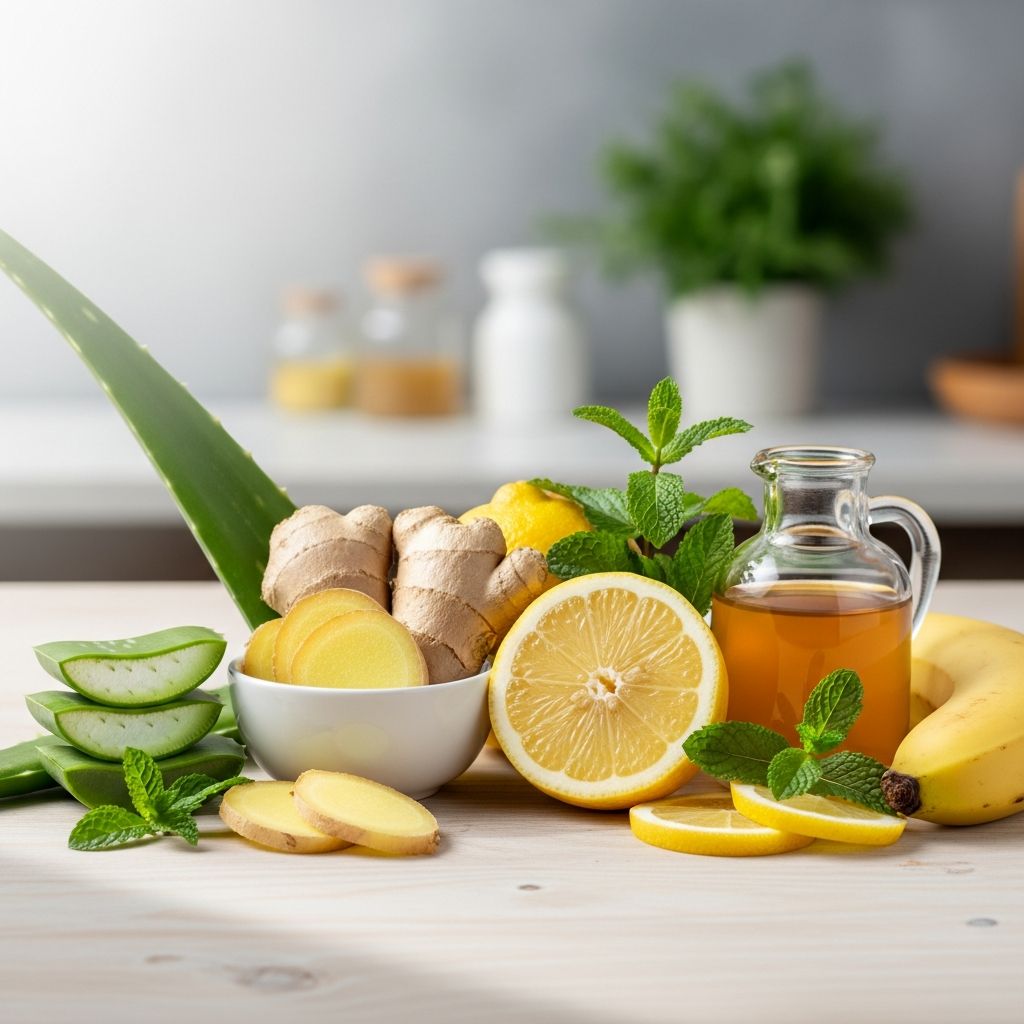
Heartburn, characterized by a burning sensation in the chest due to stomach acid refluxing into the esophagus, affects millions worldwide. While over-the-counter antacids provide quick relief, many people seek
natural antacids
as gentler alternatives for managing occasional heartburn, acid reflux, and indigestion. These remedies, drawn from traditional practices and supported by modern research, neutralize excess stomach acid, soothe inflammation, and promote digestive health without the side effects of synthetic medications.This comprehensive guide covers the most effective natural antacids, their mechanisms, usage tips, and precautions. From common kitchen staples like baking soda to herbal powerhouses like ginger and licorice, these options offer accessible relief. However, they are best for mild symptoms; persistent issues may signal underlying conditions like GERD, warranting medical advice.
What Are Natural Antacids?
Natural antacids are plant-based, mineral-rich, or food-derived substances that buffer or neutralize hydrochloric acid (HCl) in the stomach, raising gastric pH to alleviate heartburn. Unlike pharmaceutical antacids (e.g., calcium carbonate or magnesium hydroxide), which act rapidly but may cause diarrhea, constipation, or electrolyte imbalances, natural options often provide additional anti-inflammatory and digestive benefits.
Key mechanisms include:
- Acid neutralization: Bases like bicarbonate react with HCl to form water and salt.
- Mucosal protection: Herbs coat the esophagus, preventing acid damage.
- Prokinetic effects: Some stimulate digestion to reduce reflux triggers.
Research shows antacids, including natural ones, can reduce acid concentration by 100-fold by elevating pH from 1.5 to 3.5. The World Gastroenterology Organization recommends them as first-line OTC therapies for mild heartburn.
Top Natural Antacids for Quick Relief
1. Baking Soda (Sodium Bicarbonate)
**Baking soda** is one of the fastest natural antacids, acting within seconds as a weak base that neutralizes stomach acid: NaHCO₃ + HCl → NaCl + H₂O + CO₂. It’s a household staple used for centuries, ideal for occasional heartburn.
- How to use: Mix ½ teaspoon in 4 oz warm water; sip slowly. Limit to 7 doses per day, max 3.5 tsp total.
- Benefits: Rapid onset (seconds for effervescent forms); inexpensive.
- Drawbacks: High sodium may cause fluid retention or alkalosis; avoid if on low-sodium diet, pregnant, or with heart/kidney issues.
Studies confirm its efficacy, though short-acting (20-60 minutes on empty stomach). Pair with meals for better duration.
2. Ginger
Ginger root (Zingiber officinale) excels as a natural antacid with anti-inflammatory properties that reduce stomach inflammation from low acid or reflux. It stimulates digestive enzymes, enhances gastric motility, and inhibits harmful bacteria.
- How to use: Brew tea (1-inch fresh ginger in hot water, 10 mins); chew candied ginger; or take 1g supplements.
- Benefits: Eases nausea, bloating; supported for hypochlorhydria-related issues.
- Evidence: Promising but needs more high-quality trials. Safe up to 4g daily.
Incorporate into smoothies or stir-fries for daily prevention.
3. Aloe Vera Juice
Aloe vera coats the esophagus and stomach lining, acting as a protective barrier against acid reflux while offering mild laxative effects to prevent constipation-induced heartburn.
Related Stories



- How to use: Drink ½ cup (low-anthraquinone juice) 20 mins before meals.
- Benefits: Soothes irritation; anti-inflammatory.
- Precautions: Choose decolorized, purified versions to avoid laxative overdose.
4. Licorice Root (DGL)
Deglycyrrhizinated licorice (DGL) boosts mucus production, shielding the stomach lining. A 2017 study found herbal formulas with licorice outperformed antacids for heartburn relief.
- How to use: Chew 380mg DGL tablets before meals (avoid regular licorice due to blood pressure risks).
- Benefits: Long-term mucosal healing.
5. Chamomile Tea
Chamomile relaxes the lower esophageal sphincter and reduces inflammation, providing gentle antacid effects.
- How to use: 1-2 cups daily, post-meal.
6. Apple Cider Vinegar (ACV)
Diluted ACV may balance stomach pH for those with low acid mimicking reflux.
- How to use: 1 tbsp in water before meals.
- Note: Controversial; not for active ulcers.
7. Slippery Elm and Marshmallow Root
These mucilaginous herbs form a gel-like coating to protect against acid.
- How to use: Tea or lozenges.
8. Probiotics and Zinc-Rich Foods
Probiotics restore gut balance; zinc aids HCl production. Foods: yogurt, kefir, oysters, nuts.
How Natural Antacids Compare to OTC Options
| Remedy | Onset | Duration | Side Effects | Best For |
|---|---|---|---|---|
| Baking Soda | Seconds | 20-60 min | Sodium load | Acute relief |
| Magnesium Hydroxide | Minutes | 30-60 min | Diarrhea | Constipation-prone |
| Calcium Carbonate | Minutes | Up to 2 hrs | Constipation | Potent neutralization |
| Ginger/Licorice | 15-30 min | Hours | Minimal | Chronic, inflammation |
Natural options shine for fewer side effects but slower action.
When to Use Natural Antacids
- Mild, infrequent heartburn (≤2x/week).
- Triggers: spicy foods, caffeine, large meals.
- Avoid before bed; elevate head if nighttime reflux.
Precautions and Side Effects
Overuse risks: rebound acidity, nutrient malabsorption, electrolyte issues. Not for children under 12, pregnant individuals (consult doctor), or those with kidney disease. Stop if symptoms worsen.
Lifestyle Tips to Enhance Natural Remedies
- Eat smaller meals; avoid lying down post-eating.
- Limit triggers: alcohol, chocolate, tomatoes.
- Chew slowly; stay hydrated.
- Manage stress with yoga/meditation.
Frequently Asked Questions (FAQs)
What is the fastest natural antacid?
Baking soda provides relief in seconds by neutralizing acid directly.
Can I use natural antacids daily?
For occasional use yes, but daily heartburn requires medical evaluation for GERD.
Are natural antacids safe during pregnancy?
Some like antacids are, due to local action; consult OB-GYN.
Do probiotics help heartburn?
Yes, by balancing gut bacteria and supporting acid levels.
How much ginger for reflux?
1g daily as tea or supplement; evidence supports digestive aid.
References
- Increase stomach acid naturally with 6 methods — Medical News Today. 2023-10-01. https://www.medicalnewstoday.com/articles/how-to-increase-stomach-acid
- Antacids — International Foundation for Gastrointestinal Disorders (IFFGD). 2024-01-15. https://iffgd.org/manage-your-health/diet-and-treatments/antacids/
- Antacids revisited: review on contemporary facts and relevance — PMC (PubMed Central). 2022-04-01. https://pmc.ncbi.nlm.nih.gov/articles/PMC8966100/
- Heartburn Relief: Natural Remedies, Medication, Prevention — Healthline. 2023-05-20. https://www.healthline.com/health/gerd/heartburn-relief
- Nonprescription Antacids for Heartburn — Kaiser Permanente. 2024-02-10. https://healthy.kaiserpermanente.org/health-wellness/health-encyclopedia/he.nonprescription-antacids-for-heartburn.hw94610
Similar Articles








Read full bio of medha deb