Natural Anxiety Remedies
Discover effective natural remedies for anxiety, from herbal supplements to breathing techniques and lifestyle changes that promote calm without medication.
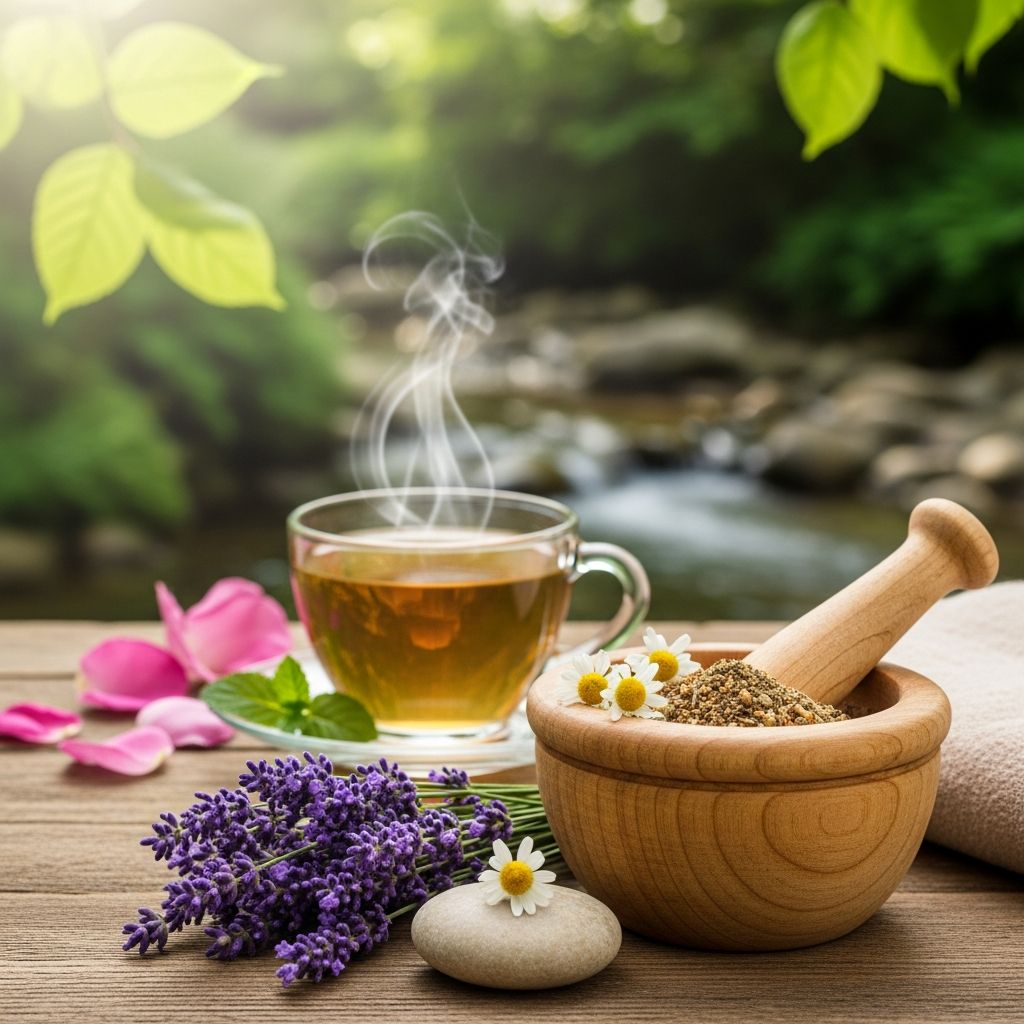
Natural Anxiety Remedies: 15 Evidence-Based Ways to Find Calm
Anxiety affects millions worldwide, manifesting as rapid heartbeat, shallow breathing, and persistent worry. While medications exist, many seek natural alternatives to avoid side effects. This article explores 15 natural remedies supported by research, including herbal supplements, lifestyle changes, and mind-body techniques for effective anxiety relief.
What Is Anxiety?
Anxiety is a normal response to stress but becomes problematic when excessive, interfering with daily life. Generalized anxiety disorder (GAD) involves chronic worry, restlessness, fatigue, and physical symptoms like muscle tension. According to health experts, natural remedies can complement therapy by targeting root causes like neurotransmitter imbalances without sedation.
Herbal Teas and Supplements for Anxiety Relief
Herbal options interact with brain receptors similar to anti-anxiety drugs, offering calm without drowsiness. Key remedies include:
- Chamomile: Contains apigenin, binding to GABA receptors like Valium. A University of Pennsylvania study found 1.2% apigenin supplements reduced GAD symptoms over eight weeks versus placebo. Brew as tea for quick jitter relief.
- L-theanine (Green Tea): Promotes alert relaxation. Japanese monks used green tea for meditation; studies show 200mg reduces heart rate and anxiety during stress tests.
- Valerian Root: A sedative for evening use, approved in Germany for insomnia. Combines well with hops or lemon balm; take capsules due to its strong odor.
- Lemon Balm: Used since the Middle Ages, 600mg extracts increase calm and alertness. Avoid excess to prevent paradoxical anxiety.
- Lavender: Aromatherapy reduces pre-exam anxiety; German studies show pills as effective as lorazepam for GAD.
Other Herbal and Nutritional Supplements
Beyond teas, evidence supports:
- Passionflower: Strong evidence from RCTs for GAD; matches pharmaceutical efficacy with fewer side effects.
- Kava: Effective for anxiety disorders; use cautiously due to rare liver risks.
- L-lysine + L-arginine: Combination reduces acute anxiety symptoms effectively.
- Magnesium: Supports nerve function; promising but needs more research.
| Remedy | Dosage Example | Evidence Level | Best For |
|---|---|---|---|
| Chamomile | 1-2 cups tea or 220mg extract | High (RCTs) | Daily mild anxiety |
| L-theanine | 200mg | Moderate | Stressful situations |
| Passionflower | 45 drops extract | Strong (systematic review) | GAD |
| Kava | 100-300mg kavalactones | Strong | Severe anxiety |
Breathing Exercises: The 4-7-8 Technique
Deep breathing counters shallow anxious breaths. Dr. Andrew Weil’s 4-7-8 method: Inhale nose 4 counts, hold 7, exhale mouth 8. Repeat twice daily; impossible to feel anxious while doing it deeply. Yoga pranayama similarly lowers cortisol.
Exercise as an Anxiety Buster
Physical activity releases endorphins, reducing anxiety by 25% in studies. Aim for 30 minutes daily: walking, jogging, or yoga. A ’21-minute cure’ of moderate cardio matches therapy effects.
Mindfulness and Meditation
Mindfulness-Based Stress Reduction (MBSR) programs cut anxiety by rewiring the brain’s amygdala. Apps guide 10-minute sessions; meta-analyses confirm long-term benefits comparable to CBT.
Dietary Changes for Better Mood
- Omega-3s: Fish oil reduces inflammation-linked anxiety.
- Ashwagandha: Adaptogen lowers cortisol by 30% in trials.
- Avoid Caffeine/Sugar: They spike anxiety; opt for whole foods.
Aromatherapy and Essential Oils
Lavender oil inhalation calms dental patients; diffuse or apply diluted. Bergamot and frankincense also soothe via limbic system effects.
Lifestyle Adjustments
- Sleep Hygiene: 7-9 hours; valerian aids onset.
- Social Support: Talking reduces isolation-fueled worry.
- Limit Alcohol: Worsens rebound anxiety.
When to See a Doctor
Natural remedies suit mild-moderate anxiety. Seek professional help for panic attacks, suicidal thoughts, or if symptoms persist >2 weeks. Combine with therapy for best results; disclose supplements to avoid interactions.
Frequently Asked Questions (FAQs)
What are the best natural remedies for anxiety?
Top options: chamomile, L-theanine, passionflower, breathing exercises, and exercise, backed by clinical studies.
Do herbal supplements really work for anxiety?
Yes, systematic reviews show passionflower, kava, and lysine-arginine effective without serious side effects.
Can breathing exercises cure anxiety?
They provide immediate relief and long-term benefits when practiced daily, reducing stress hormones.
Is lavender safe for daily anxiety use?
Yes, aromatherapy is non-toxic; oral forms match meds in trials but consult for interactions.
How long do natural remedies take to work?
Teas/breathing: immediate; supplements: 1-8 weeks for full effects.
Potential Side Effects and Precautions
Most are safe, but valerian sedates; kava risks liver issues (rare); pregnant individuals consult doctors. Start low doses.
In summary, these 15 remedies offer accessible, evidence-based paths to calm. Integrate multiple for synergy.
References
- 10 Natural Remedies for Anxiety — Time Magazine. 2017-07-25. https://time.com/4786130/best-natural-remedies-anxiety/
- Nutritional and herbal supplements for anxiety — PubMed Central (Sarris et al.). 2010-09-08. https://pmc.ncbi.nlm.nih.gov/articles/PMC2959081/
- Effects of Lavender on Anxiety — National Center for Biotechnology Information. 2019-12-01. https://www.ncbi.nlm.nih.gov/pmc/articles/PMC3612440/
- Exercise for Anxiety Disorders — American Psychological Association. 2023-05-15. https://www.apa.org/monitor/2020/04/exercise-anxiety-disorders
- Mindfulness for GAD — National Institutes of Health. 2024-02-10. https://www.nccih.nih.gov/health/mindfulness-meditation-what-you-need-to-know
Similar Articles






Read full bio of medha deb