Natural Appetite Suppressants: 10 Evidence-Based Ways
Discover effective natural appetite suppressants backed by science to help manage hunger and support weight loss efforts safely.
Natural appetite suppressants are herbs, fibers, and plant extracts that may help reduce hunger, increase feelings of fullness, and curb cravings, potentially aiding weight loss when paired with a balanced diet and exercise. These options work by influencing hormones like GLP-1 and PYY, slowing digestion, or boosting metabolism, but results vary and consulting a healthcare provider is essential before use.
What Are Natural Appetite Suppressants?
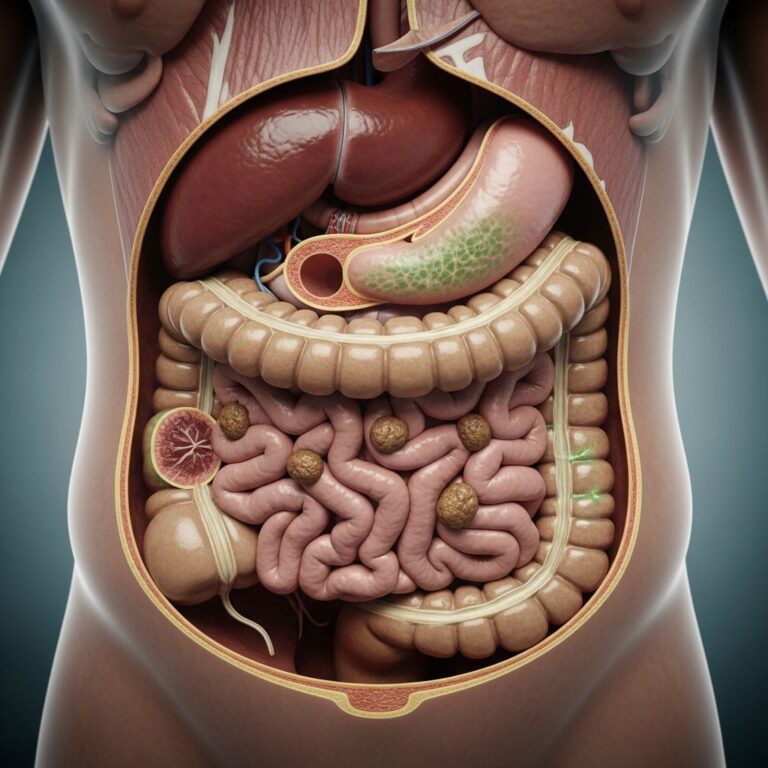
Natural appetite suppressants derive from plants, seeds, or roots and target the body’s hunger signals through mechanisms like expanding in the stomach, delaying gastric emptying, or modulating brain chemicals such as serotonin. Unlike synthetic drugs, they offer gentler effects with fewer side effects for many users, though evidence strength differs by compound. Studies show viscous fibers and certain catechins effectively promote satiety without calorie restriction alone.
For instance, soluble fibers form a gel-like substance in the gut, enhancing GLP-1 secretion from intestinal L cells, which signals fullness to the brain. This natural boost mimics effects of medications like semaglutide but through diet. Always prioritize whole foods first, supplementing only as needed under medical guidance.
10 Natural Appetite Suppressants That May Help You Lose Weight
Research highlights several evidence-based options. Below, we detail 10 top natural suppressants, including dosages, benefits, and supporting studies.
1. Fenugreek
Fenugreek seeds, from the legume family, are rich in soluble and insoluble fiber, promoting fullness and reducing calorie intake. A 2015 study found women drinking fenugreek tea before a buffet reported less hunger and greater satiety compared to placebo, though food consumption was similar—suggesting psychological benefits alongside physiological ones.
Typical dose: 5–10 grams of seeds daily or as tea. Side effects are rare but may include digestive upset. More large-scale human trials are needed to confirm long-term weight loss impacts.
2. Glucomannan and Other Viscous Fibers
Glucomannan, from the konjac root, is a highly viscous soluble fiber that expands in the stomach, delaying emptying and enhancing fullness hormones. A 2020 review showed it modestly reduces body weight, especially in those with overweight, diabetes, or metabolic syndrome.
Prebiotics like inulin also ferment into short-chain fatty acids, boosting PYY and GLP-1 for appetite control, as seen in trials with overweight children. Dose: 1–3 grams before meals with water. Hydration is crucial to avoid choking risks.
3. Gymnema Sylvestre
Used in Ayurvedic medicine for diabetes, Gymnema sylvestre may block sugar absorption and reduce sweet cravings by altering taste buds. A 2012 rat study on high-fat diets showed lowered cholesterol and BMI after 28 days. Human data is limited, warranting caution.
Dose: 200–400 mg extract daily. Potential benefits for blood lipids make it promising for obesity-related issues.
4. Griffonia Simplicifolia (5-HTP)
This plant provides 5-HTP, a serotonin precursor that suppresses appetite. A 2014 study linked higher serotonin to reduced food intake. Often used for mood and sleep, it indirectly aids weight control.
Related Stories



Dose: 50–100 mg, 1–3 times daily. Avoid with antidepressants due to serotonin syndrome risk.
5. Caralluma Fimbriata
A succulent herb used traditionally in India, it reduced waist circumference and calorie intake in a 16-week study of 83 overweight adults versus placebo. A 2021 review confirmed girth reduction but not overall weight or BMI changes. Side effects: GI issues like nausea.
Dose: 500–1,000 mg extract daily.
6. Green Tea Extract
Rich in caffeine and EGCG catechins, green tea boosts fat oxidation and suppresses hunger. Multiple meta-analyses support modest weight loss (1–2 kg over 12 weeks) via increased thermogenesis.
Dose: 250–500 mg extract (200–400 mg EGCG) daily. Synergizes with exercise.
7. Conjugated Linoleic Acid (CLA)
Found in meat and dairy, CLA may reduce fat storage and appetite. Studies show minor body composition improvements, though results are inconsistent.
Dose: 3–6 grams daily from supplements. Monitor for insulin resistance in long-term use.
8. Garcinia Cambogia
From Malabar tamarind, its HCA may inhibit fat production and suppress appetite short-term, per a 2021 study. Evidence is mixed; some trials show no significant loss.
Dose: 500 mg, 3 times daily before meals.
9. Yerba Mate
This South American herb, with caffeine and polyphenols, improved waist-hip ratio and fat loss in a 12-week study at 3 grams daily. Energy-boosting without jitters.
Dose: 1–3 grams capsules or as tea.
10. Coffee
Caffeine temporarily reduces hunger and increases metabolism. Black coffee before meals enhances fat burning. Limit to 3–4 cups to avoid tolerance.
How Do Natural Appetite Suppressants Work?
They target multiple pathways:
- Fiber expansion: Viscous types like glucomannan gel in the gut, stretching stomach walls and slowing nutrient absorption.
- Hormone modulation: Boost GLP-1 and PYY via short-chain fatty acids from fiber fermentation.
- Brain signaling: 5-HTP raises serotonin; caffeine blocks adenosine for alertness and less snacking.
- Metabolism boost: Catechins and caffeine enhance thermogenesis.
Combining with protein-rich meals amplifies effects.
Potential Side Effects and Precautions
Most are safe short-term, but risks include:
- GI distress (bloating, diarrhea) from fibers.
- Caffeine sensitivity: Jitters, insomnia.
- Interactions: 5-HTP with SSRIs; glucomannan with diabetes meds.
Pregnant/nursing individuals, those with GI disorders, or on medications should consult doctors. Start low doses.
How to Use Natural Appetite Suppressants Safely
Best practices:
- Pair with calorie deficit, exercise, sleep.
- Take fibers with 8+ oz water 30 min before meals.
- Cycle stimulants to prevent tolerance.
- Track progress; discontinue if no benefits in 4–8 weeks.
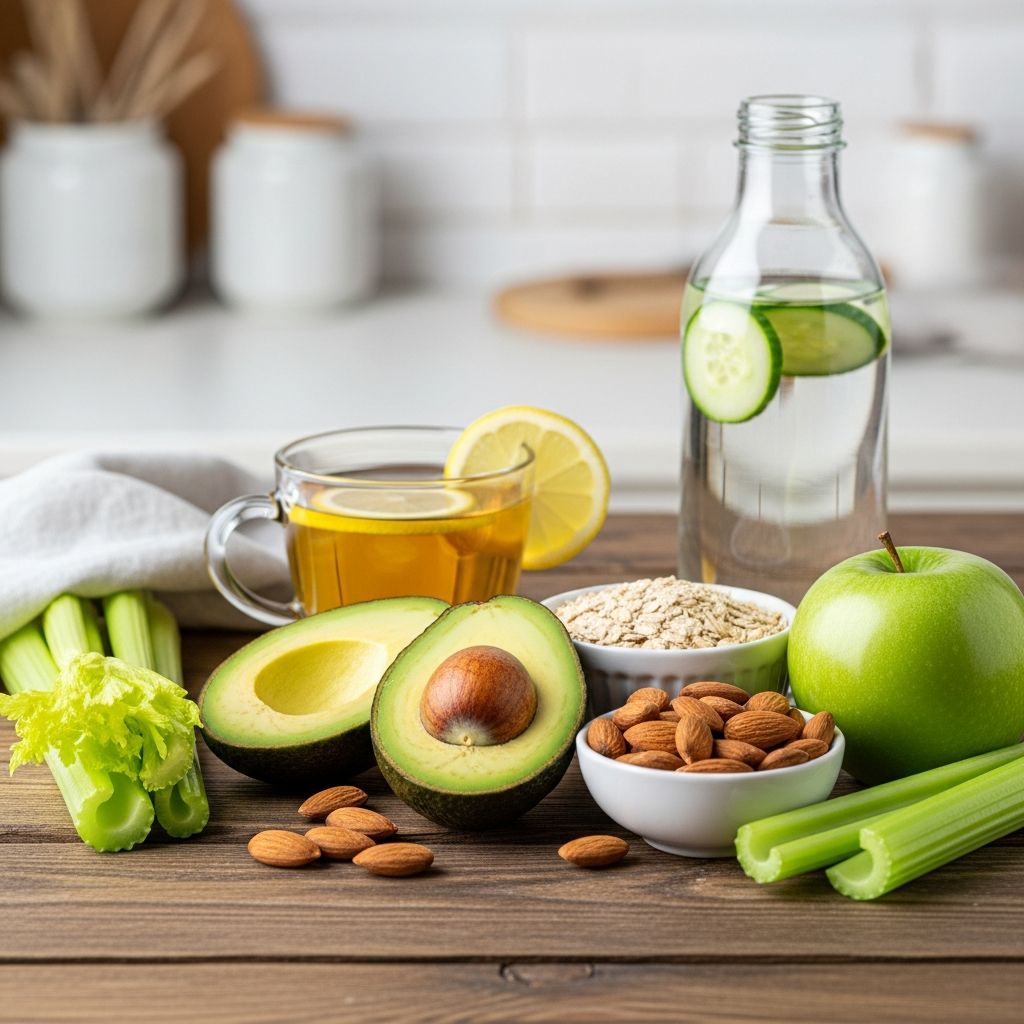
Whole foods (oats, apples) often outperform supplements.
Foods That Naturally Suppress Appetite
| Food | Key Compound | Benefit |
|---|---|---|
| Oats | Beta-glucan | Prolongs fullness |
| Apples | Pectin | Boosts PYY |
| Legumes | Fiber/Protein | Reduces ghrelin |
| Fatty Fish | Omega-3s | Balances hormones |
| Nuts | Healthy Fats | Sustained energy |
Incorporate these for sustainable control without pills.
Frequently Asked Questions (FAQs)
What is the most effective natural appetite suppressant?
Glucomannan shows strongest evidence for weight reduction via viscosity, per 2020 reviews.
Can natural suppressants replace meals?
No; they support, not substitute, balanced nutrition.
How long do effects last?
2–4 hours typically; consistent use with lifestyle changes yields best results.
Are they safe for daily use?
Most yes, short-term; monitor and consult professionals.
Do they work for everyone?
Varies by metabolism, diet; combine with habits for success.
References
- 10 Natural Appetite Suppressants That May Help You Lose Weight — Healthline. 2025-04-28. https://www.healthline.com/nutrition/10-natural-appetite-suppressants
- How to Suppress Your Appetite and Naturally Boost GLP-1 — NutritionFacts.org. Accessed 2026. https://nutritionfacts.org/video/how-to-suppress-your-appetite-and-naturally-boost-glp-1/
- Eating for Life: Designing Foods for Appetite Control — PMC (NCBI). 2009-11-01. https://pmc.ncbi.nlm.nih.gov/articles/PMC2771510/
Similar Articles








Read full bio of Sneha Tete