Natural Doesn’t Mean Better: Understanding Health Product Safety
Discover why natural products aren't always safer or more effective than synthetic alternatives.
Natural Doesn’t Necessarily Mean Safer, or Better
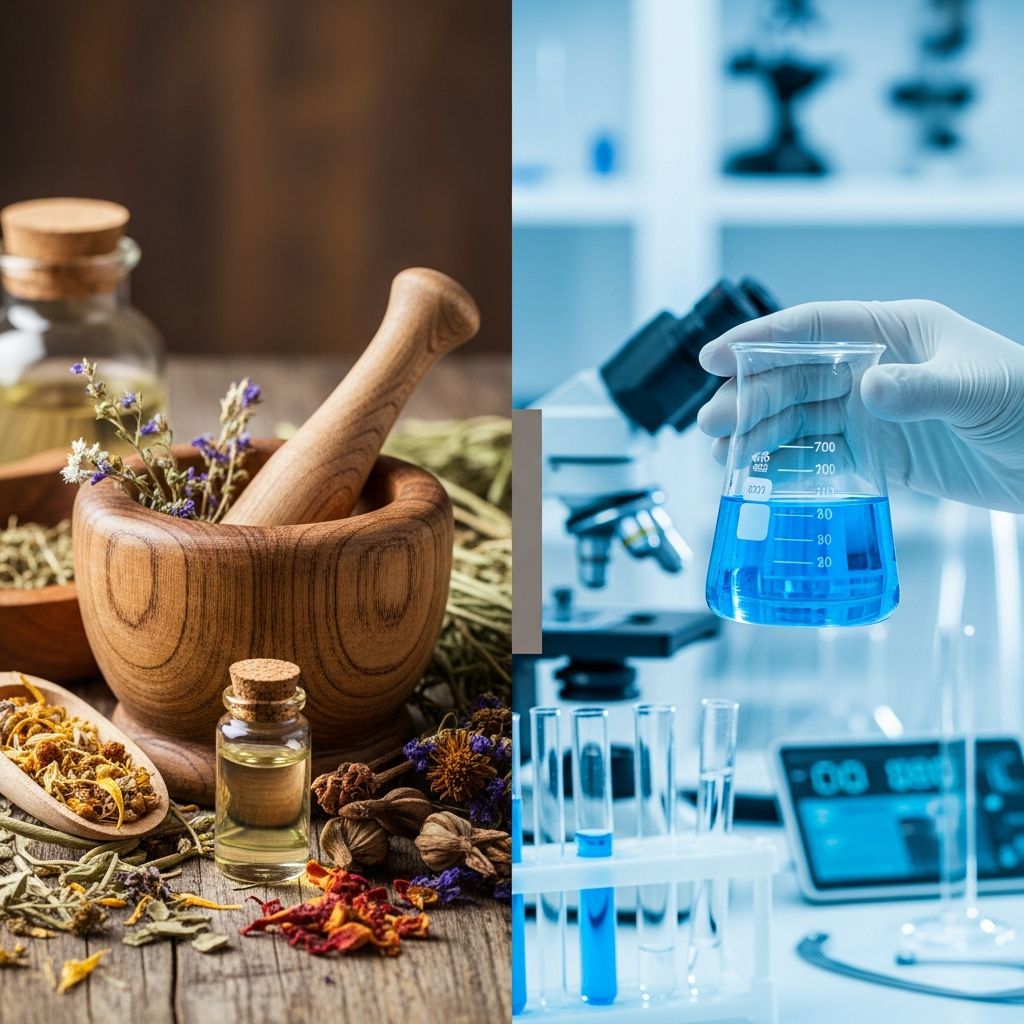
A widespread belief exists among many people that when it comes to medicine, anything described as “natural” is inherently better, healthier, and safer compared to synthetic or chemically-derived drugs. This preference for natural substances is deeply rooted in cultural beliefs and psychological biases. Researchers who have studied this phenomenon have discovered that people’s inclination toward natural products stems from the belief that nature is pure and fundamentally superior to human-made alternatives. These cognitive biases significantly influence the health decisions people make every day, often leading them to choose natural supplements over proven pharmaceuticals or to dismiss the potential risks associated with plant-based remedies.
The Historical Role of Natural Products in Medicine
It is undeniable that nature has provided us with valuable medicines throughout human history. Nature has given us aspirin, one of the most widely used pain relievers globally, and morphine, a powerful pain management medication used in hospitals and hospices worldwide. Beyond these well-known examples, countless other medicines have been derived from plants, and the use of botanical substances in treating diseases spans thousands of years across multiple civilizations. Plants have undoubtedly played an instrumental role in improving human health and advancing our understanding of pharmacology. The scientific study of plants has led to the discovery of many active compounds that form the basis of modern medications. This historical success of natural remedies has reinforced the cultural belief that natural equals better.
The Scientific Reality: Not All Natural Products Are Effective
Despite the historical success of plant-based medicines, the modern scientific evidence reveals a more nuanced picture. Not all products derived from nature have demonstrated effectiveness when subjected to rigorous scientific testing. Extensive research has shown that numerous dietary and herbal supplements fail to provide measurable benefits when studied under controlled conditions.
Examples of Ineffective Natural Supplements
The herb echinacea, widely marketed for treating the common cold, has been the subject of several major scientific studies. Despite its popularity and long history of use, these studies have failed to find convincing evidence that echinacea actually prevents or reduces the severity of cold symptoms. Similarly, ginkgo biloba, another popular herbal supplement, has undergone extensive scientific evaluation. A particularly large study that followed more than 3,000 older adults found no evidence that ginkgo supplements help prevent dementia or slow cognitive decline, despite widespread marketing claims suggesting these benefits. These examples demonstrate that popularity and traditional use do not equate to scientific efficacy.
Natural Products and Side Effects: A Hidden Reality
Contrary to common assumptions, natural medicines are not inherently free from adverse effects and safety concerns. In fact, many herbal and botanical products can cause significant side effects, some of which may be serious or even life-threatening. The belief that natural equals safe is one of the most dangerous misconceptions in health decision-making.
Examples of Dangerous Natural Products
Kava, a plant native to the islands of the South Pacific, is commonly used as a dietary supplement to treat anxiety and promote relaxation. However, scientific research has associated kava with severe liver damage, including cases requiring liver transplantation. Ephedra, an evergreen shrub-like plant native to central Asia and Mongolia, has been used for centuries to treat colds, fever, and other conditions. Despite its long history of use, modern research has linked ephedra to serious heart problems and increased risk of death. The severity of these safety concerns prompted the U.S. Food and Drug Administration to ban the sale of dietary supplements containing ephedrine alkaloids in 2004, recognizing that the risks outweighed any potential benefits.
The Chemical Misconception
Many people harbor a fundamental misunderstanding about chemicals and their relationship to natural products. There is a pervasive belief that the term “chemical” refers exclusively to toxic or synthetic substances that should be avoided. This misunderstanding has become deeply ingrained in popular culture, reinforced by marketing campaigns that emphasize “chemical-free” formulations as superior alternatives.
Everything Is Made of Chemicals
The reality is quite different from this popular perception. Everything in existence is composed of chemicals. The apple on your kitchen countertop, the ceramic mug in your cupboard, the water you drink, and even the air you breathe are all made up of chemical compounds. Furthermore, the human body itself is fundamentally a collection of chemicals working in complex harmony. You are made up of chemicals, as is every living organism on Earth. Chemicals are not inherently dangerous; they are simply the basic building blocks of matter.
Chemicals: Necessary Yet Potentially Toxic
Many essential chemicals are vital for human survival. Iron is a chemical element necessary for oxygen transport in the blood; without it, we would suffer from anemia and eventually die. Oxygen itself is a chemical that we breathe every moment of our lives. However, the key principle in toxicology is that “the dose makes the poison.” Even necessary and beneficial chemicals can become toxic or lethal when consumed in excessively high quantities. Iron supplements, for example, are beneficial at recommended doses but can cause serious poisoning in overdose. Natural medicines and herbal supplements, contrary to popular belief, are composed of chemicals just like everything else in nature and in our bodies. They are not exempt from the fundamental principles of chemistry and toxicology.
Understanding the Complexity of Natural Supplements
One significant factor that complicates the assessment of natural product safety and effectiveness is their chemical complexity. An herbal supplement may contain dozens or even hundreds of distinct chemical compounds. Scientists often do not know all of the ingredients present in a particular herbal preparation, and the concentration and bioavailability of active compounds can vary dramatically between different batches or manufacturers. This lack of standardization and incomplete understanding of composition presents challenges for both consumers and researchers attempting to evaluate these products.
The Challenge of Identifying Active Ingredients
Scientists are actively studying many herbal and dietary supplements to identify which ingredients may be responsible for any observed effects and to better understand how these compounds interact with the human body. However, this research is often hampered by the complexity of plant-based products. An herb may contain multiple compounds that work synergistically, making it difficult to attribute effects to any single ingredient. Additionally, the stability and potency of herbal preparations may be compromised during processing, extraction, or storage, further complicating scientific assessment.
Why People Believe Natural Is Better
The conviction that natural products are superior stems from several interconnected factors. Psychological research has identified several cognitive biases that contribute to this belief system:
– Appeal to Nature Bias: People tend to perceive natural things as inherently safer and purer than human-created alternatives, reflecting a romanticized view of nature.- Traditional Use Heuristic: If something has been used for centuries or millennia, people assume it must be safe and effective, overlooking the fact that historical use does not validate modern scientific claims.- Distrust of Big Pharma: Some people harbor concerns about pharmaceutical companies and synthetic drugs, making natural alternatives seem more trustworthy by comparison.- Marketing Influence: Supplement companies heavily market their products as natural, implying superiority and safety, capitalizing on these existing biases.
The Lack of Regulatory Definition
An important consideration is that there is no official regulatory definition for the term “natural” when applied to medicinal products. This lack of standardization means that companies can label products as natural with relatively little oversight or verification. A product labeled as natural does not necessarily meet any particular standard of purity or potency. This regulatory ambiguity contributes to consumer confusion and allows marketing claims that may not reflect scientific reality.
Making Informed Health Decisions
Understanding the science behind natural products and supplements is essential for making informed health decisions. Rather than assuming that natural products are automatically safer or more effective, consumers should evaluate each product on its individual merits based on available scientific evidence. When considering any supplement or natural product, individuals should:
– Consult reliable scientific sources rather than relying on marketing claims or anecdotal evidence- Discuss supplements with healthcare providers, as some may interact with medications or underlying health conditions- Look for products that have been tested in well-designed clinical trials- Be aware that absence of regulation does not mean absence of risk- Recognize that traditional use does not prove modern efficacy
Frequently Asked Questions
Are all natural supplements ineffective?
No, not all natural supplements are ineffective. Some herbal products have shown benefit in scientific studies. However, many popular supplements lack robust scientific evidence supporting their claims. Each product should be evaluated individually based on available research rather than assuming effectiveness based on natural origin.
Can natural supplements interact with prescription medications?
Yes, many natural supplements contain active ingredients that can interact with prescription medications, either reducing medication effectiveness or increasing the risk of adverse effects. It is crucial to inform healthcare providers about all supplements being taken, including herbal products.
Why does the FDA allow supplements with unproven effectiveness?
The FDA has different regulatory standards for supplements compared to pharmaceutical drugs. Supplements do not require FDA approval before marketing, though the FDA can take action if products are shown to be unsafe or make false claims. This regulatory difference creates a gap in oversight.
How can I determine if a natural product is safe?
Look for products that have been tested in clinical trials published in peer-reviewed journals. Consult your healthcare provider or pharmacist. Check authoritative sources like the National Center for Complementary and Integrative Health (NCCIH) for evidence-based information. Be cautious of products making extraordinary claims or those lacking scientific support.
What does “natural” actually mean on supplement labels?
The term “natural” on supplement labels lacks a precise regulatory definition. It is largely a marketing term that does not guarantee purity, safety, effectiveness, or any particular standard of quality. Natural products can still contain additives, fillers, and contaminants.
Conclusion
The assumption that natural automatically means better, safer, or more effective is a cognitive bias not supported by scientific evidence. While nature has indeed provided us with valuable medicines, many natural products have failed to demonstrate effectiveness in rigorous scientific testing, and some pose serious health risks. The term “chemical” is not synonymous with danger; rather, everything in existence, including our own bodies, is composed of chemicals. Understanding these scientific realities empowers individuals to make informed health decisions based on evidence rather than assumptions. When evaluating any health product or supplement, consumers should prioritize scientific evidence over marketing claims, consult healthcare providers, and recognize that natural origin does not guarantee safety or efficacy. By knowing the science, you can make health choices that truly serve your well-being.
References
- Natural Doesn’t Necessarily Mean Safer, or Better — National Center for Complementary and Integrative Health (NCCIH), National Institutes of Health. Accessed 2025. https://www.nccih.nih.gov/health/know-science/natural-doesnt-mean-better
- Myth-Busting Popular Natural Products Marketed for Disease Prevention and Wellness — National Center for Complementary and Integrative Health (NCCIH), National Institutes of Health. Accessed 2025. https://www.nccih.nih.gov/health/providers/digest/myth-busting-popular-natural-products-marketed-for-disease-prevention-and-wellness
- Know the Science of Complementary Health Approaches — National Center for Complementary and Integrative Health (NCCIH), National Institutes of Health. Accessed 2025. https://www.nccih.nih.gov/health/providers/digest/know-the-science-of-complementary-health-approaches-science
- 8 Myths About Vitamins and Supplements — Medical News Today. Accessed 2025. https://www.medicalnewstoday.com/articles/medical-myths-vitamins-and-supplements
Similar Articles







Read full bio of Sneha Tete