Natural Eczema Relief: Expert Guide To Soothing Flare-Ups
Discover effective home-based remedies to soothe eczema symptoms, from soothing baths to nourishing oils, backed by expert insights.
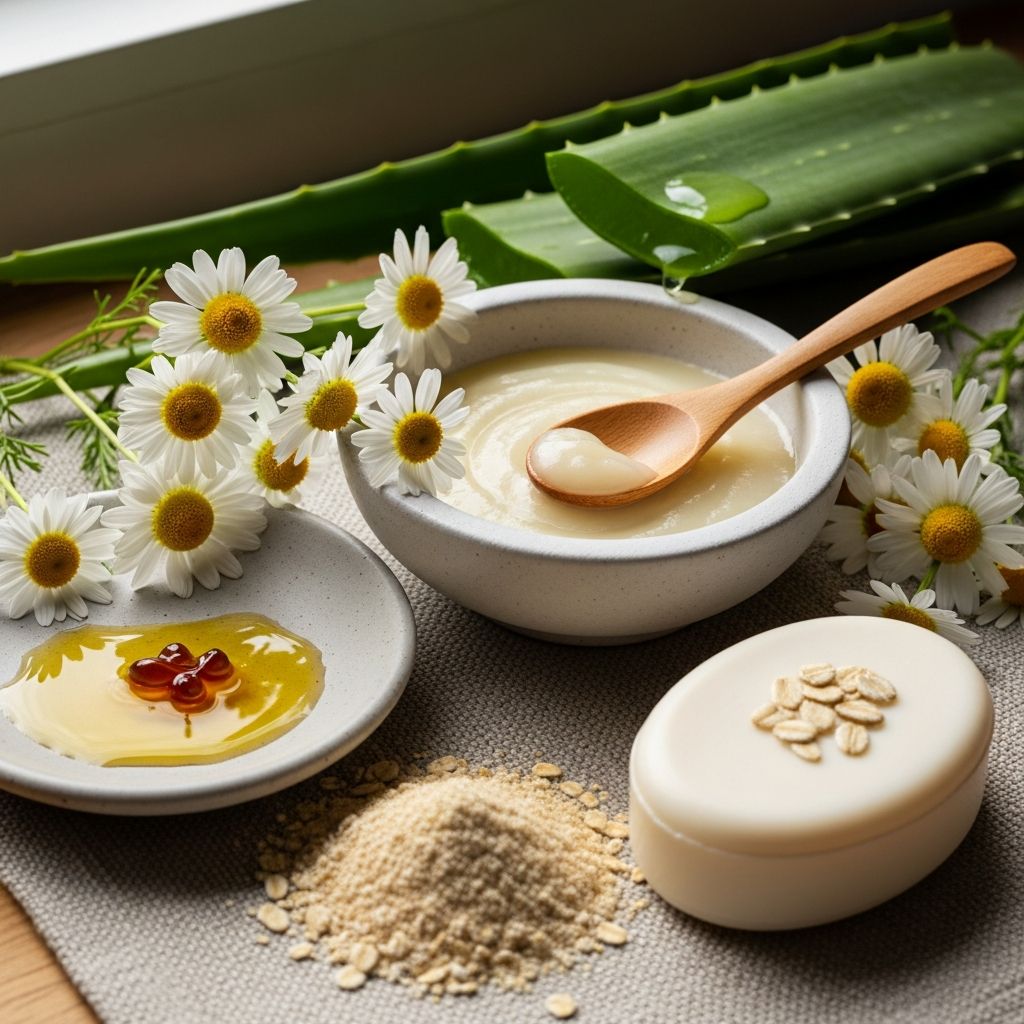
Eczema, a chronic skin condition characterized by itchy, inflamed patches, affects millions worldwide. While medical treatments like corticosteroids provide essential relief, many individuals seek natural alternatives to complement their care routines. These approaches emphasize gentle, plant-based, and lifestyle interventions that target inflammation, hydrate the skin barrier, and prevent infections.
Understanding Eczema and the Role of Natural Aids
Eczema disrupts the skin’s protective layer, leading to dryness, cracking, and vulnerability to irritants. Natural remedies work by restoring moisture, calming immune responses, and fostering a balanced microbiome. Research from dermatological associations highlights their potential as adjunct therapies, particularly for mild to moderate cases.
Key benefits include reduced reliance on pharmaceuticals, fewer side effects, and empowerment through accessible home practices. However, these should not replace professional advice; consult a dermatologist before starting, especially for children or severe symptoms.
Bath Therapies for Instant Soothing
Baths infused with natural elements offer a simple way to alleviate acute flare-ups. Lukewarm water prevents further irritation, while additives provide therapeutic effects.
- Colloidal Oatmeal Soaks: Finely ground oats form a protective colloid that relieves itching and inflammation. Add one cup to a full tub, soak for 10-15 minutes, then pat dry and moisturize immediately. The American Academy of Dermatology endorses this for children, noting its pH-balancing properties.
- Diluted Vinegar Solutions: Apple cider or white vinegar combats bacterial overgrowth. Mix 1-2 cups per tub or apply via compresses. Cleveland Clinic recommends testing small areas first to avoid stinging.
- Bleach Dilutions: A dilute bleach bath (1/2 cup per full tub) mimics clinical protocols to control Staph infections, a common eczema aggravator. Soak 10 minutes, 2-3 times weekly.
Moisturizing Oils to Strengthen Skin Barriers
Plant-derived oils mimic the skin’s natural lipids, sealing in hydration and fighting microbes. Apply to damp skin post-bath for optimal results.
| Oil Type | Key Benefits | Application Tips | Evidence Notes |
|---|---|---|---|
| Coconut Oil (Virgin) | Antimicrobial, anti-inflammatory; reduces water loss | Thin layer on damp skin, 2x daily | 95% Staph reduction in studies |
| Sunflower Seed Oil | Barrier repair, anti-inflammatory | Massage gently; avoid if nut-allergic | National Eczema Association approved |
| Evening Primrose Oil | Omega-6 for inflammation control | Oral supplement or topical | Supports cell membrane function |
These oils outperform some mineral-based products in absorption and gentleness, per peer-reviewed findings. Patch test to rule out sensitivities.
Healing Agents from Nature’s Pharmacy
Certain natural substances accelerate repair and soothe raw skin.
- Manuka Honey: Its methylglyoxal content offers potent antibacterial action. Use medical-grade varieties on clean lesions, covered overnight. Effective for preventing infections in cracked skin.
- Aloe Vera Gel: Pure extracts cool and hydrate, reducing redness. Refrigerate for enhanced relief; apply 2-3 times daily. Safe for pediatric use.
Internal Support Through Diet and Supplements
Eczema often links to gut health and nutrient gaps. Probiotics restore microbial balance, potentially easing symptoms. Omega-3/6 supplements from fish or algae oil modulate inflammation systemically.
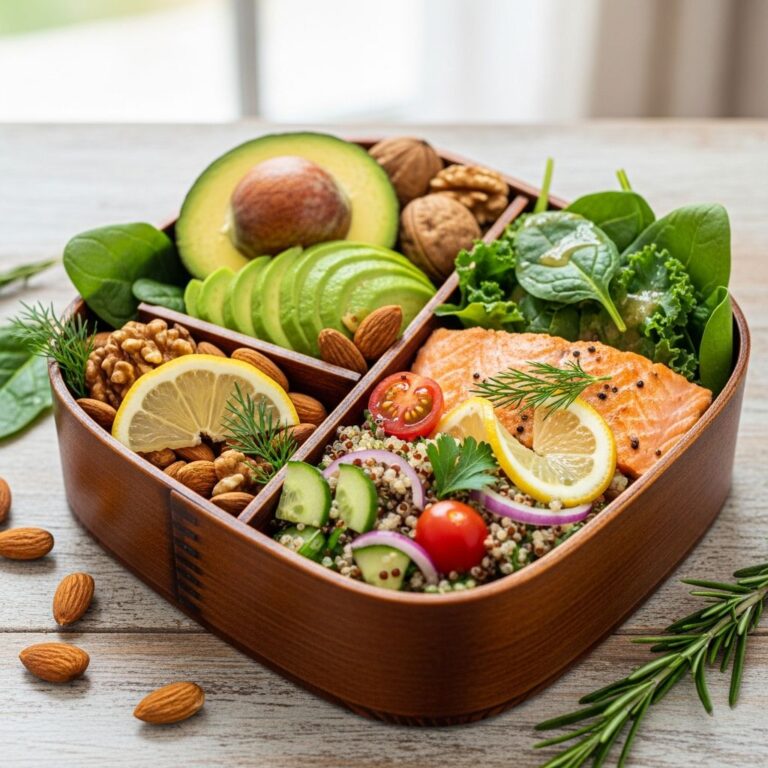
Incorporate anti-inflammatory foods: fatty fish, nuts, leafy greens. Avoid triggers like dairy or gluten if identified via elimination diets. A balanced approach yields cumulative benefits over weeks.
Related Stories



Lifestyle Adjustments for Long-Term Management
- Cool Compresses: Damp cloths reduce acute itch without chemicals.
- Humidity Control: Use humidifiers to combat dry air.
- Stress Reduction: Meditation lowers flare triggers via cortisol modulation.
- Gentle Cleansing: Fragrance-free soaps preserve the skin barrier.
Potential Risks and Best Practices
Natural does not mean risk-free. Allergies, contamination, or improper dilution can worsen symptoms. Start small, monitor reactions, and prioritize FDA-recognized ingredients like colloidal oatmeal. Combine with prescribed topicals for synergy.
Frequently Asked Questions (FAQs)
Can natural remedies cure eczema?
No, they manage symptoms effectively as complements to medical care.
Are these safe for babies?
Many are, like oatmeal baths and coconut oil, but consult a pediatrician.
How long until I see results?
Days for baths/compresses; weeks for oils/supplements.
What if I have nut allergies?
Skip relevant oils; opt for alternatives like petroleum jelly.
Do probiotics really help?
Evidence suggests yes for gut-skin axis support.
Integrating these strategies fosters resilient skin and improved quality of life. Track progress in a journal and adjust based on response.
References
- 7 Natural Remedies for Eczema to Complement Medical Treatments — Golden State Dermatology. 2023-05-15. https://www.goldenstatedermatology.com/blog/7-natural-remedies-for-eczema-to-try/
- Alternative and Natural Eczema Treatments: The Complete Parent’s Guide — Mustela USA. 2024-02-10. https://www.mustelausa.com/blogs/mustela-mag/alternative-and-natural-eczema-treatments-the-complete-parent-s-guide
- Home Remedies: What Can Relieve Itchy Eczema? — American Academy of Dermatology (AAD). 2025-01-20. https://www.aad.org/public/diseases/eczema/childhood/itch-relief/home-remedies
- The Best Home Remedies for Eczema — Cleveland Clinic. 2024-11-05. https://health.clevelandclinic.org/home-remedies-for-eczema
- Top 7 Natural and Alternative Treatments for Eczema — National Eczema Association. 2023-08-12. https://nationaleczema.org/blog/natural-treatments-for-eczema/
- Alternative, Complementary, Forgotten Remedies – Atopic Dermatitis — PMC (NCBI). 2015-08-01. https://pmc.ncbi.nlm.nih.gov/articles/PMC4518179/ (Authoritative review on natural oils; remains relevant for foundational evidence.)
Similar Articles








Read full bio of Sneha Tete