13 Natural Remedies for Arthritis Pain Relief
Discover proven natural remedies to manage arthritis pain and improve joint mobility naturally.
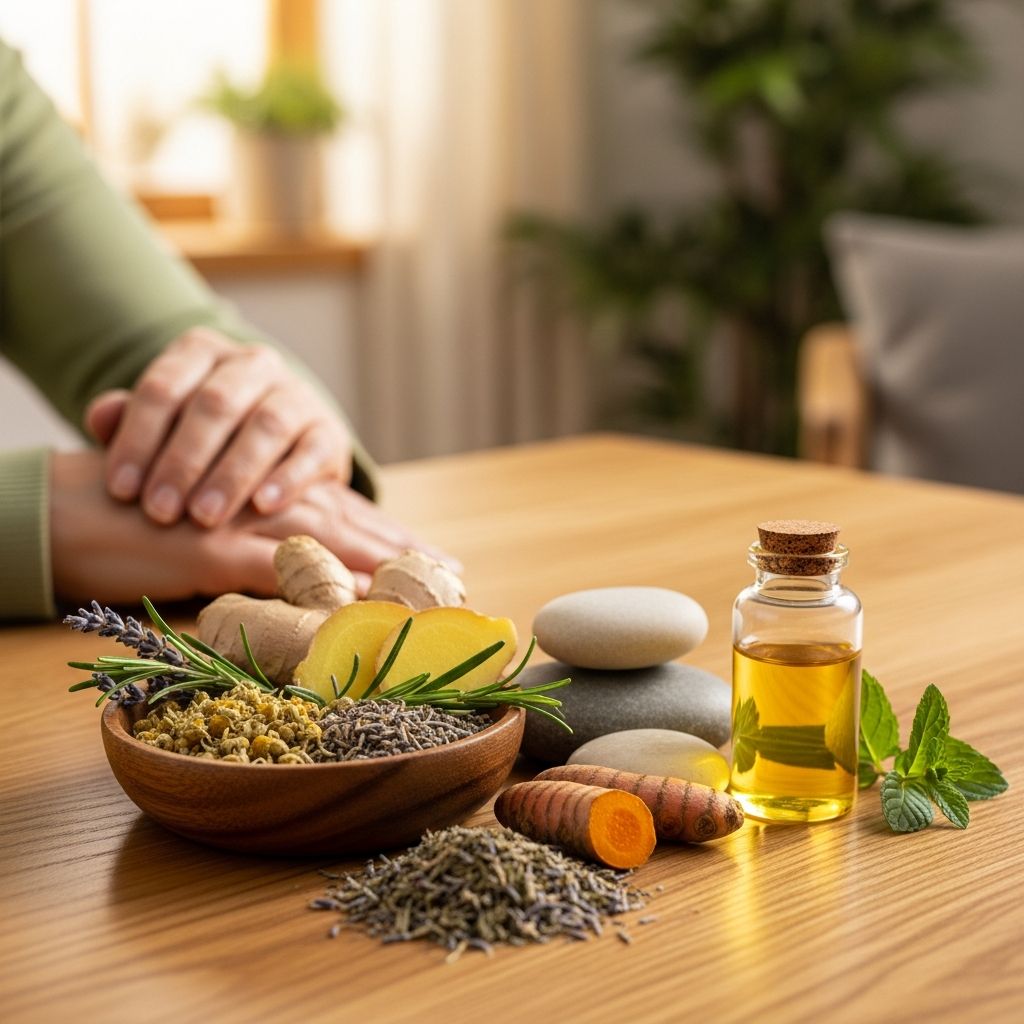
Osteoarthritis affects millions of people worldwide, causing joint pain, stiffness, and reduced mobility. While conventional treatments like medications and physical therapy remain important, many people seek complementary approaches to manage their symptoms. Natural remedies have gained significant attention in recent years, with scientific research supporting the effectiveness of various plant-based compounds and lifestyle modifications for arthritis management.
Understanding Osteoarthritis and Natural Treatment Options
Osteoarthritis (OA) is a degenerative joint disease characterized by cartilage breakdown, synovial inflammation, and bone remodeling. Unlike rheumatoid arthritis, which is autoimmune in nature, osteoarthritis develops over time due to wear and tear on joints. The condition affects the joint’s homeostasis, leading to pain and disability that can significantly impact quality of life.
Recent research has demonstrated that dietary components and natural products possess anti-inflammatory, antioxidant, and chondroprotective properties that may help manage osteoarthritis symptoms. These compounds work through various mechanisms, including reducing inflammation, protecting cartilage, and supporting bone health. The following remedies represent evidence-based natural approaches to arthritis management.
1. Ginger: Ancient Spice, Modern Relief
Ginger has been used in traditional medicine for centuries, and modern science supports its effectiveness for arthritis. Randomized clinical trials have demonstrated that ginger extracts improved pain and mobility while reducing inflammation in individuals with osteoarthritis. The active compounds in ginger, particularly gingerols and shogaols, inhibit inflammatory pathways that contribute to joint damage.
You can incorporate ginger into your daily routine through fresh ginger tea, supplements, or culinary use. Most studies showing benefits used ginger extract doses ranging from 500 mg to 1,000 mg daily. Some people experience minor gastrointestinal side effects, but ginger is generally well-tolerated and safe for long-term use.
2. Turmeric and Curcumin: The Golden Anti-Inflammatory
Curcumin, the active compound in turmeric, has emerged as one of the most thoroughly researched natural remedies for arthritis. This powerful antioxidant reduces pain in osteoarthritis by inhibiting inflammatory pathways. Limited evidence supports using curcumin for osteoarthritis, though studies have shown weak to moderate benefits. The compound works by suppressing pro-inflammatory cytokines and reducing joint inflammation.
For optimal absorption, curcumin should be taken with black pepper (piperine) or healthy fats. Typical doses range from 400 mg to 2,000 mg daily, though individual needs may vary. Curcumin may interact with blood thinners like warfarin, so consult your healthcare provider if you take anticoagulant medications.
3. Boswellia Serrata: Frankincense for Joint Health
Boswellia serrata, also known as Indian frankincense, contains boswellic acids that temporarily reduce inflammation, pain, and disability in knee osteoarthritis. A systematic review found noteworthy effects in easing osteoarthritis symptoms, although the quality of evidence was characterized as weak. This supplement works by inhibiting inflammatory enzymes that break down cartilage.
Related Stories



Boswellia is typically available as a standardized extract (5-Loxin or Aflapin brands). Common doses range from 300 mg to 500 mg three times daily. Minor side effects may include nausea, headache, fever, diarrhea, abdominal pain, and general weakness, though these are generally temporary.
4. Fish Oil and Omega-3 Fatty Acids
Fish oil supplements provide omega-3 fatty acids, which have demonstrated anti-inflammatory properties that may benefit arthritis sufferers. These essential fatty acids help reduce joint inflammation and may improve symptoms in both osteoarthritis and rheumatoid arthritis. Fish oil supports overall cardiovascular and joint health while potentially reducing inflammatory markers in the blood.
A typical therapeutic dose ranges from 1,000 mg to 3,000 mg daily of combined EPA and DHA. Choose high-quality supplements that have been tested for mercury and other contaminants. Fish oil may have mild blood-thinning properties, so discuss supplementation with your healthcare provider if you take anticoagulants.
5. Glucosamine and Chondroitin: Cartilage Support
Glucosamine and chondroitin are naturally occurring compounds found in cartilage. These supplements are among the most popular natural remedies for arthritis, with the theory being that they help rebuild and protect cartilage. However, evidence for their effectiveness is mixed. The American College of Rheumatology recommends against these supplements for hip or knee osteoarthritis, and against glucosamine for hand osteoarthritis, although evidence is more mixed for chondroitin in hand arthritis.
Despite mixed evidence, many people report symptom relief. If you choose to use these supplements, typical doses are 1,500 mg glucosamine and 1,200 mg chondroitin daily, divided into smaller doses. Glucosamine may affect blood sugar control in people with diabetes and can interact with blood thinners like Coumadin.
6. Vitamin D: The Sunshine Vitamin
Vitamin D plays a crucial role in bone health and immune function. Low vitamin D levels have been associated with increased osteoarthritis risk and severity. This fat-soluble vitamin helps your body absorb calcium and supports the immune system’s regulation of inflammation. Many people with arthritis have insufficient vitamin D levels.
The recommended daily intake varies by age and individual risk factors, but many experts suggest 1,000 to 2,000 IU daily for adults. Vitamin D can be obtained through sun exposure, food sources like fatty fish and fortified dairy products, or supplementation. A blood test can determine your current vitamin D status and guide supplementation.
7. Methylsulfonylmethane (MSM): Sulfur for Joints
MSM is an organic sulfur compound found naturally in plants, animals, and humans. It’s believed to support collagen and connective tissue formation while reducing inflammation. MSM supplementation has shown promise in reducing pain and improving joint function in osteoarthritis patients. The compound may help reduce the breakdown of cartilage and support its repair.
Typical doses range from 2,000 mg to 6,000 mg daily, divided into two or three doses. MSM is generally well-tolerated with minimal side effects. Like other supplements discussed, recent reviews indicate that limited evidence supports MSM use for osteoarthritis, though weak evidence does exist.
8. S-Adenosyl-L-methionine (SAMe): Mood and Joint Support
SAMe is a naturally occurring compound involved in methylation reactions throughout the body. Research suggests that SAMe may help reduce joint pain and improve function in people with osteoarthritis. This supplement supports cartilage health by promoting the synthesis of cartilage components and may reduce inflammation through multiple pathways.
Doses typically range from 600 mg to 1,200 mg daily. SAMe is more expensive than many other supplements, which may limit its accessibility. It’s important to note that SAMe can interact with certain antidepressants and may not be suitable for everyone with mood disorders.
9. Pycnogenol: Antioxidant Pine Bark Extract
Pycnogenol, derived from maritime pine bark, is a potent antioxidant containing powerful flavonoids. This natural extract reduces inflammation and oxidative stress in joint tissues. Studies have shown that pycnogenol can reduce pain and improve function in osteoarthritis patients by combating free radicals and inflammation.
Typical doses range from 50 mg to 200 mg daily. Like other supplements, a recent review found that limited evidence supports using pycnogenol for osteoarthritis, although the available studies showed weak benefits.
10. Willow Bark: Nature’s Aspirin Alternative
Willow bark comes from the Salix tree, which naturally contains salicylic acid—the same compound found in aspirin. This traditional remedy has been used for thousands of years to treat pain and inflammation. However, the evidence for willow bark’s effectiveness in osteoarthritis is mixed, with study results showing variable outcomes compared to placebo.
While willow bark’s side effects are minimal, it can cause allergic reactions in people sensitive to aspirin. If you’re allergic to aspirin or take anticoagulants, you should avoid willow bark. Typical doses range from 120 mg to 240 mg of standardized extract daily.
11. Undenatured Type II Collagen (UC-II)
Undenatured type II collagen is derived from chicken cartilage and represents the main structural component of articular cartilage. This supplement aims to support cartilage repair and may help reduce joint pain and stiffness. UC-II works through a process called oral tolerance, helping the immune system recognize and tolerate cartilage components, potentially reducing autoimmune attacks on joint tissue.
Typical doses range from 10 mg to 40 mg daily. UC-II is generally well-tolerated and may be particularly beneficial for people with multiple joint involvement. Results typically take 4-6 weeks to become apparent.
12. Avocado/Soybean Unsaponifiables (ASUs)
Avocado and soybean unsaponifiables are plant-derived compounds that have shown promise in supporting joint health. ASUs possess anti-inflammatory and chondroprotective properties, potentially helping slow cartilage degeneration. These compounds may work by reducing inflammatory cytokines and promoting cartilage-building activities.
Typical doses range from 300 mg to 600 mg daily, often divided into two or three doses. ASUs are generally well-tolerated with minimal side effects.
13. Berberine: Alkaloid Power
Berberine is an alkaloid found in medicinal plants such as barberry and goldenseal. Research has reported that berberine has anti-osteoarthritic effects by decreasing inflammation and cartilage degradation through modulation of the immune response. Berberine inhibits inflammatory pathways while promoting bone formation by supporting osteogenic differentiation and reducing osteoclast activity.
Berberine is typically available in supplement form, with doses ranging from 400 mg to 1,500 mg daily, divided into smaller doses. This compound works through multiple anti-inflammatory mechanisms and shows considerable promise in emerging osteoarthritis research.
Lifestyle Modifications to Support Joint Health
While supplements and natural remedies play important roles in arthritis management, lifestyle modifications are equally crucial. Heat and cold therapy provide temporary symptom relief, with heat improving mobility and cold reducing inflammation and pain. Meditation and relaxation techniques help manage pain perception and reduce stress-related inflammation.
Acupuncture has been used in traditional Chinese medicine for centuries and may help reduce arthritis pain through mechanisms involving endorphin release and nervous system modulation. Massage therapy improves circulation to affected joints and reduces muscle tension surrounding arthritic areas. Physical therapy and occupational therapy help maintain joint function, build supporting muscles, and teach adaptive techniques for daily activities.
Weight management is particularly important for osteoarthritis, especially affecting weight-bearing joints. Each pound of excess weight increases stress on knees by approximately three to six pounds during normal activities. A combined approach using natural remedies alongside these lifestyle modifications offers the best outcomes for arthritis management.
Frequently Asked Questions About Natural Arthritis Remedies
Q: How long does it take for natural remedies to work for arthritis?
A: The timeline varies by supplement and individual. Some remedies like ginger and curcumin may provide relief within days to weeks, while others like UC-II may take 4-6 weeks. Consistency is important—most studies show benefits after 8-12 weeks of continuous use.
Q: Can I combine multiple natural remedies for arthritis?
A: Yes, many natural remedies can be combined, but you should consult with a healthcare provider first. Some supplements may interact with medications or each other. A healthcare professional can help you develop a safe, personalized regimen.
Q: Are natural remedies safe for everyone with arthritis?
A: While natural remedies are generally safe, certain compounds may interact with medications or be unsuitable for people with specific health conditions. For example, curcumin may interact with blood thinners, and glucosamine may affect blood sugar control in diabetics. Always consult your healthcare provider before starting new supplements.
Q: Should I replace prescribed medications with natural remedies?
A: No, natural remedies should complement, not replace, prescribed medications without medical guidance. They work best as part of a comprehensive treatment plan that includes conventional therapies, exercise, and lifestyle modifications. Discuss any changes to your treatment plan with your rheumatologist or primary care physician.
Q: Which natural remedies have the strongest scientific evidence?
A: Ginger, curcumin, and Boswellia serrata have the most robust scientific evidence supporting their use in osteoarthritis management, though evidence quality varies. However, individual response to these remedies differs, and what works best for one person may not work as well for another.
Conclusion: Creating Your Natural Arthritis Management Plan
Managing osteoarthritis naturally requires a multifaceted approach combining evidence-based supplements, lifestyle modifications, and professional medical guidance. The thirteen remedies discussed represent some of the most researched natural options available, each with varying levels of scientific support. Ginger and curcumin emerge as particularly promising options, with multiple clinical trials supporting their anti-inflammatory and pain-relieving properties.
Remember that natural does not automatically mean safe or effective for everyone. Individual responses vary considerably, and some remedies may interact with medications or existing health conditions. Start with one or two remedies, monitor your response over 8-12 weeks, and adjust based on results. Most importantly, maintain communication with your healthcare team as you develop your personalized arthritis management plan that combines natural remedies with appropriate conventional treatment, physical activity, and lifestyle modifications.
References
- Emerging Natural-Product-Based Treatments for the Management of Osteoarthritis — National Center for Biotechnology Information (NCBI/PMC). 2021-02-17. https://pmc.ncbi.nlm.nih.gov/articles/PMC7914872/
- 12 Supplements for Osteoarthritis — Arthritis Foundation. 2025. https://www.arthritis.org/health-wellness/treatment/complementary-therapies/supplements-and-vitamins/12-supplements-for-osteoarthritis
Similar Articles








Read full bio of medha deb