Natural Remedies for Hemorrhoids: Effective Relief Solutions
Discover proven natural treatments and lifestyle changes to relieve hemorrhoid symptoms.
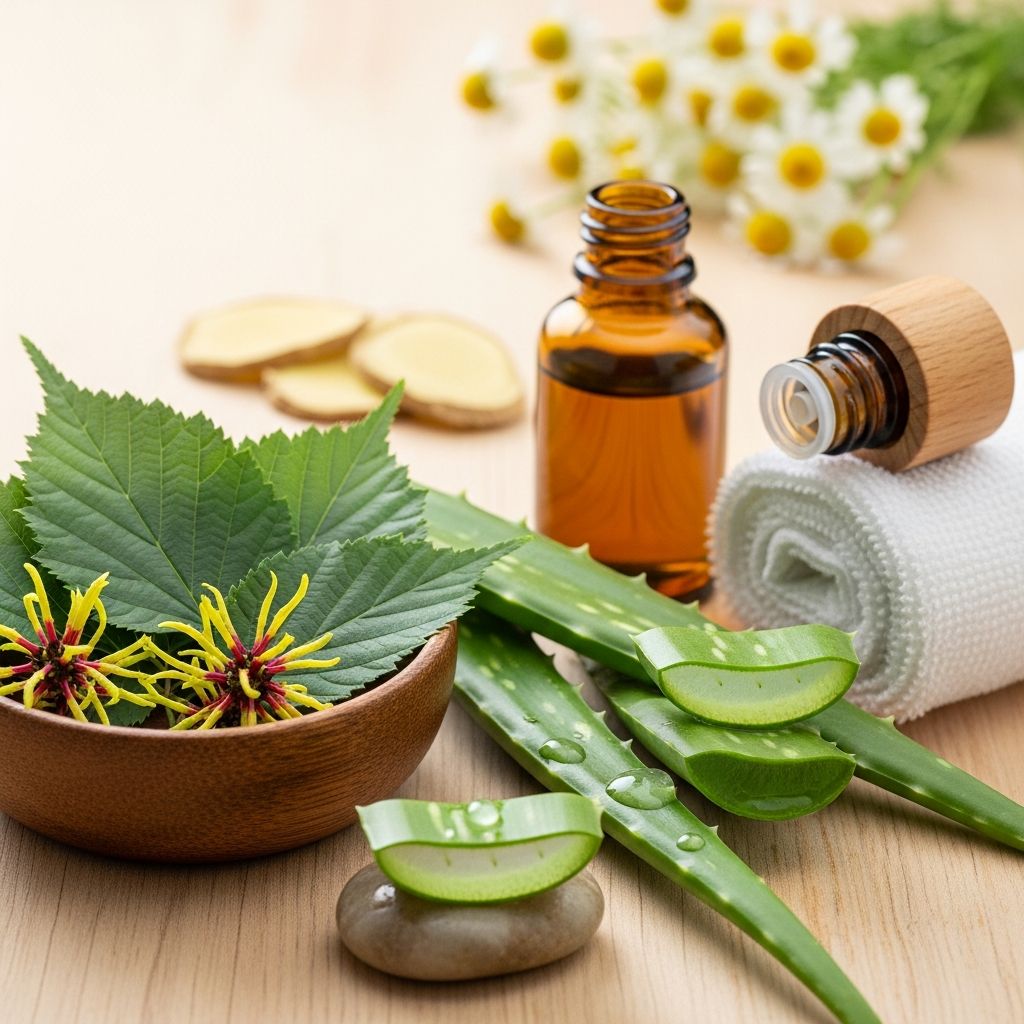
Hemorrhoids are swollen and inflamed veins in the rectum and anus that can cause discomfort, itching, pain, and bleeding. While many people seek medical interventions, numerous natural remedies have shown promise in alleviating symptoms and preventing future flare-ups. This comprehensive guide explores evidence-based natural treatments, dietary approaches, and lifestyle modifications that can help manage hemorrhoid symptoms effectively.
Understanding Hemorrhoids and Natural Treatment Options
Hemorrhoids affect millions of people worldwide and are often caused by constipation, prolonged sitting, heavy lifting, or increased pressure during bowel movements. The good news is that most hemorrhoids respond well to conservative treatment approaches, many of which are natural and accessible from home. Natural remedies focus on reducing inflammation, softening stools, improving circulation, and addressing the underlying causes of hemorrhoid development.
Principal Natural Treatments with Scientific Support
Bioflavonoids: The Evidence-Based Foundation
Bioflavonoids are colorful plant compounds found throughout nature that offer remarkable benefits for hemorrhoid sufferers. The most extensively studied bioflavonoids for hemorrhoid treatment are citrus bioflavonoids, particularly diosmin and hesperidin, which demonstrate reasonably strong scientific evidence for effectiveness.
Research has consistently shown positive results with these compounds. In a two-month, double-blind, placebo-controlled trial involving 120 people with recurrent hemorrhoid flare-ups, combined diosmin and hesperidin significantly reduced both the frequency and severity of hemorrhoid attacks. Another double-blind study of 100 participants showed the same bioflavonoids effectively relieved symptoms once a hemorrhoid flare-up had begun.
A particularly compelling 90-day double-blind trial of 100 people with bleeding hemorrhoids demonstrated significant benefits both for treating acute attacks and preventing new ones. Remarkably, this bioflavonoid combination compared favorably to surgical hemorrhoid treatment, suggesting its substantial therapeutic potential.
Other Bioflavonoid Sources
Beyond citrus bioflavonoids, other sources have demonstrated efficacy. A four-week, double-blind, placebo-controlled trial of 40 people with hemorrhoids found that bilberry extract, which is rich in bioflavonoids, significantly reduced hemorrhoid symptoms compared to placebo. Additionally, semisynthetic bioflavonoids known as oxerutins have shown effectiveness in some double-blind studies, including benefits for hemorrhoids occurring during pregnancy.
Dietary Interventions and Fiber
The Critical Role of Fiber
One of the most fundamental natural approaches to hemorrhoid prevention and management involves increasing dietary fiber intake. Fiber works by softening stools and promoting regular bowel movements, which reduces the straining and constipation that exacerbate hemorrhoid symptoms.
Excellent fiber sources include:
- Fresh fruits (berries, apples, pears, oranges)
- Vegetables (broccoli, carrots, leafy greens, sweet potatoes)
- Whole grains (oats, brown rice, whole wheat bread)
- Legumes (beans, lentils, chickpeas)
- Nuts and seeds (almonds, flaxseeds, chia seeds)
The general recommendation is to aim for 20-35 grams of fiber daily. For those struggling to meet this target through diet alone, psyllium husk supplements like Konsyl or Metamucil, or methylcellulose products like Citrucel, can effectively increase stool bulk and ease passage.
Related Stories



Hydration: The Underestimated Foundation
Proper hydration is equally important as fiber in preventing hemorrhoid complications. Drinking at least 8-10 glasses of water daily supports digestion, keeps stools soft, and prevents constipation—the primary trigger for hemorrhoid problems. Water is the optimal choice, though prune juice acts as a natural laxative and can facilitate regular bowel movements.
Topical Natural Remedies
Aloe Vera and Coconut Oil
Natural topical applications offer soothing relief with minimal side effects. Aloe vera has been used for centuries due to its anti-inflammatory properties and can reduce swelling and irritation when applied directly to hemorrhoids. Similarly, coconut oil possesses natural anti-inflammatory qualities that may ease discomfort and promote healing.
Witch Hazel: Traditional Wisdom Meets Modern Use
Witch hazel is a traditional herbal remedy that has gained widespread recognition as an effective topical treatment for hemorrhoids. Its astringent properties help reduce swelling and provide soothing relief. Many over-the-counter medicated wipes and creams now contain witch hazel as a primary ingredient.
Tea Tree Oil
Tea tree oil is valued for its strong antiseptic qualities and may aid in symptom relief when applied carefully. However, it should always be diluted with a carrier oil before topical application to avoid skin irritation.
Sitz Baths: The Cornerstone Self-Care Treatment
Sitz baths represent one of the most effective and accessible natural treatments for hemorrhoid relief. This simple practice involves soaking the affected area in warm water to reduce swelling, ease pain, and promote healing.
Sitz bath recommendations:
- Fill a bathtub with a few inches of warm (not hot) water
- Soak for 10-15 minutes at a time
- Repeat 2-3 times daily and after every bowel movement
- Optional: Add Epsom salt or witch hazel to the water for enhanced relief
- Pat gently dry afterward; a blow dryer on cool setting can also work
- Special sitz bath kits that attach to toilet seats are available for convenience
The warm water relaxes the muscles surrounding the affected area and improves blood circulation, contributing to faster healing and reduced discomfort.
Cold Therapy Applications
For acute pain and swelling, cold therapy provides rapid temporary relief. Applying a cold pack or ice pack wrapped in a towel to the hemorrhoid area for 5-10 minutes several times daily can dull pain and reduce swelling. Specialized hemorrhoid ice packs are available, though a standard ice pack works effectively. Never place ice directly on skin, as this can cause irritation or frostbite.
Additional Herbal and Traditional Remedies
Horse Chestnut and Butcher’s Broom
Since hemorrhoids are essentially varicose veins in the rectal area, treatments used for varicose veins are often recommended. Horse chestnut and butcher’s broom have traditionally been used to strengthen vein walls and improve circulation, potentially benefiting hemorrhoid sufferers.
Traditional Herbal Treatments
Various traditional herbal remedies have been used historically for hemorrhoid management, though scientific evaluation remains limited for many. These include:
- Calendula: Applied topically for its soothing properties
- Slippery elm: Used orally or topically to reduce inflammation
- Oak bark: Applied topically as an astringent
- Collinsonia root: Used orally or topically in traditional medicine
- Gotu kola: Used to support vascular health
While these remedies lack extensive clinical trials, traditional use and emerging research suggest potential benefits, though consultation with healthcare providers is advisable.
Lifestyle Modifications and Prevention Strategies
Bathroom Habits
Simple changes to bathroom routines can significantly reduce hemorrhoid incidence. Avoid prolonged sitting on the toilet, don’t strain excessively, and maintain regular bowel habits. Allow natural urges to guide toilet use rather than forcing bowel movements.
Physical Activity
Regular exercise is essential for preventing constipation and maintaining healthy circulation. Even moderate activity like brisk walking for 20-30 minutes daily can keep the digestive system regular and reduce hemorrhoid risk.
Avoid Prolonged Sitting
Extended periods of sitting increase pressure on rectal veins. Taking frequent breaks to stand, stretch, and move around can alleviate this pressure and improve blood circulation.
Comparison of Natural Treatment Approaches
| Treatment Method | Application | Frequency | Scientific Evidence |
|---|---|---|---|
| Bioflavonoids (Diosmin/Hesperidin) | Oral supplement | Daily | Strong clinical evidence |
| Sitz Baths | Topical immersion | 2-3 times daily | Well-established efficacy |
| Increased Fiber | Dietary/supplement | Daily (20-35g) | Scientifically proven |
| Aloe Vera/Witch Hazel | Topical application | As needed (up to 4x daily) | Traditional use, emerging evidence |
| Cold Therapy | Ice pack application | 5-10 minutes, several times daily | Clinically recommended |
When to Seek Professional Medical Advice
While natural remedies are effective for most hemorrhoid cases, certain situations warrant professional medical evaluation. Contact a healthcare provider if symptoms persist beyond one week despite home treatment, if bleeding is heavy or continuous, if pain is severe and unmanageable, or if you experience signs of infection such as increased swelling or fever. Medical professionals can rule out other conditions and recommend appropriate interventions when necessary.
Frequently Asked Questions
Q: How long does it typically take for natural remedies to work?
A: Most natural remedies provide relief within a few days to two weeks. Bioflavonoids may require 2-3 months for optimal results in preventing recurrent flare-ups. Sitz baths and topical treatments often provide immediate symptom relief.
Q: Can I combine multiple natural remedies?
A: Yes, combining approaches is often beneficial. For example, using bioflavonoid supplements, increasing fiber intake, staying hydrated, and taking regular sitz baths creates a comprehensive treatment strategy. However, consult healthcare providers before combining treatments, particularly if taking medications.
Q: Are natural remedies safe for hemorrhoids during pregnancy?
A: Many natural remedies are considered safe during pregnancy, including increased fiber and hydration, sitz baths, and certain bioflavonoids like oxerutins. However, pregnant individuals should consult their healthcare provider before starting any new treatment regimen.
Q: How can I prevent hemorrhoid recurrence?
A: Prevention focuses on addressing root causes: maintain high fiber and water intake, exercise regularly, avoid prolonged sitting, don’t strain during bowel movements, and respond promptly to bowel urges. These lifestyle modifications combined with occasional natural remedies can significantly reduce recurrence risk.
Q: Is witch hazel safe for daily use?
A: Yes, witch hazel is generally safe for regular use and is a common ingredient in hemorrhoid products. It can be applied up to 4 times daily as needed without significant side effects when used appropriately.
Q: Can diet alone resolve hemorrhoids?
A: Dietary changes, particularly increasing fiber and hydration, are crucial for both treatment and prevention. While diet alone may resolve mild hemorrhoids caused by constipation, combining dietary changes with other natural remedies typically yields faster and more complete relief.
References
- Natural Treatments for Hemorrhoids — EBSCO Information Services. Accessed December 2024. https://www.ebsco.com/research-starters/complementary-and-alternative-medicine/natural-treatments-hemorrhoids
- Simple Self-Care Tips for Hemorrhoid Relief and Prevention — Rupa Health. Accessed December 2024. https://www.rupahealth.com/post/simple-self-care-tips-for-hemorrhoid-relief-and-prevention
- Home Treatment and Remedies for Hemorrhoid Relief — WebMD. Accessed December 2024. https://www.webmd.com/digestive-disorders/hemorrrhoid-home-care
Similar Articles








Read full bio of medha deb