Natural Sleep Aids: Home Remedies to Help You Sleep
Discover proven natural sleep aids and home remedies to improve sleep quality without medication.
Sleep is a fundamental component of good health, yet millions of people struggle with insomnia and sleep disturbances each night. According to research, approximately 50 to 70 million Americans experience some type of sleep disorder, affecting their daily functioning, mood, and overall well-being. While prescription medications are commonly prescribed for sleep problems, many individuals seek natural alternatives that may be gentler on the body and have fewer side effects. Natural sleep aids and home remedies have been used for centuries across various cultures and continue to gain popularity as people look for safer ways to improve their sleep quality.
If you find yourself tossing and turning at night or waking frequently throughout the day, exploring natural sleep solutions may be the answer you’re looking for. This comprehensive guide examines the most effective natural sleep aids, home remedies, and lifestyle modifications that can help you achieve better sleep without relying solely on pharmaceutical interventions.
Understanding Sleep and Insomnia
Insomnia is characterized by the persistent difficulty of falling asleep or staying asleep, even when given adequate opportunity to do so. The condition can lead to daytime fatigue, irritability, difficulty concentrating, and reduced overall quality of life. Sleep disturbances can stem from various causes, including stress, anxiety, irregular sleep schedules, poor sleep hygiene, medical conditions, and certain medications.
Before exploring natural remedies, it’s essential to understand that while these treatments can be effective for many people, consulting with a healthcare professional is crucial, especially if you have existing health conditions or are taking medications. Even natural sleep aids can cause side effects or interfere with how your medicines work.
Principal Natural Sleep Remedies
Melatonin
Melatonin is a hormone naturally produced by your body that regulates the sleep-wake cycle. This supplement has become one of the most popular and widely used natural sleep aids. Melatonin works by signaling your body that it’s time to sleep, making it particularly useful for people experiencing disruptions to their circadian rhythm, such as those caused by jet lag or shift work.
The effectiveness of melatonin supplements varies among individuals. Some research suggests it can help people fall asleep more quickly and improve sleep quality, though the scientific evidence remains mixed. Most experts recommend taking melatonin 30 minutes to two hours before bedtime, with typical doses ranging from 0.5 to 5 milligrams, though individual needs may vary.
Valerian Root
Valerian is an herb with a long history of traditional use dating back centuries. It is an accepted over-the-counter treatment for insomnia in several European countries, including Germany, Belgium, France, Switzerland, and Italy. The herb is thought to work by increasing levels of GABA, a brain chemical that promotes relaxation and reduces anxiety.
While valerian has shown promise in some studies, the evidence regarding its effectiveness remains inconclusive. Some research indicates that valerian combined with other herbs like hops or lemon balm may be more effective than valerian alone. Studies comparing valerian to benzodiazepine drugs have found the herbal treatment to be approximately as effective, though the absence of proper control groups in many studies makes these results somewhat unreliable.
Related Stories



The typical dosage for valerian is 300-600 milligrams taken up to two hours before bed, or 2-3 grams of dried root brewed as a tea. While generally considered safe for short-term use, some people may experience headaches or stomach discomfort.
Herbal Sleep Remedies
Lavender
Lavender is a purple flowering herb renowned for its calming properties. The scent of lavender has been shown to slow heart rate, lower blood pressure, and reduce skin temperature, all of which can facilitate sleep. Research demonstrates that people who sleep in a lavender-infused room experience more restful deep sleep compared to those without lavender exposure.
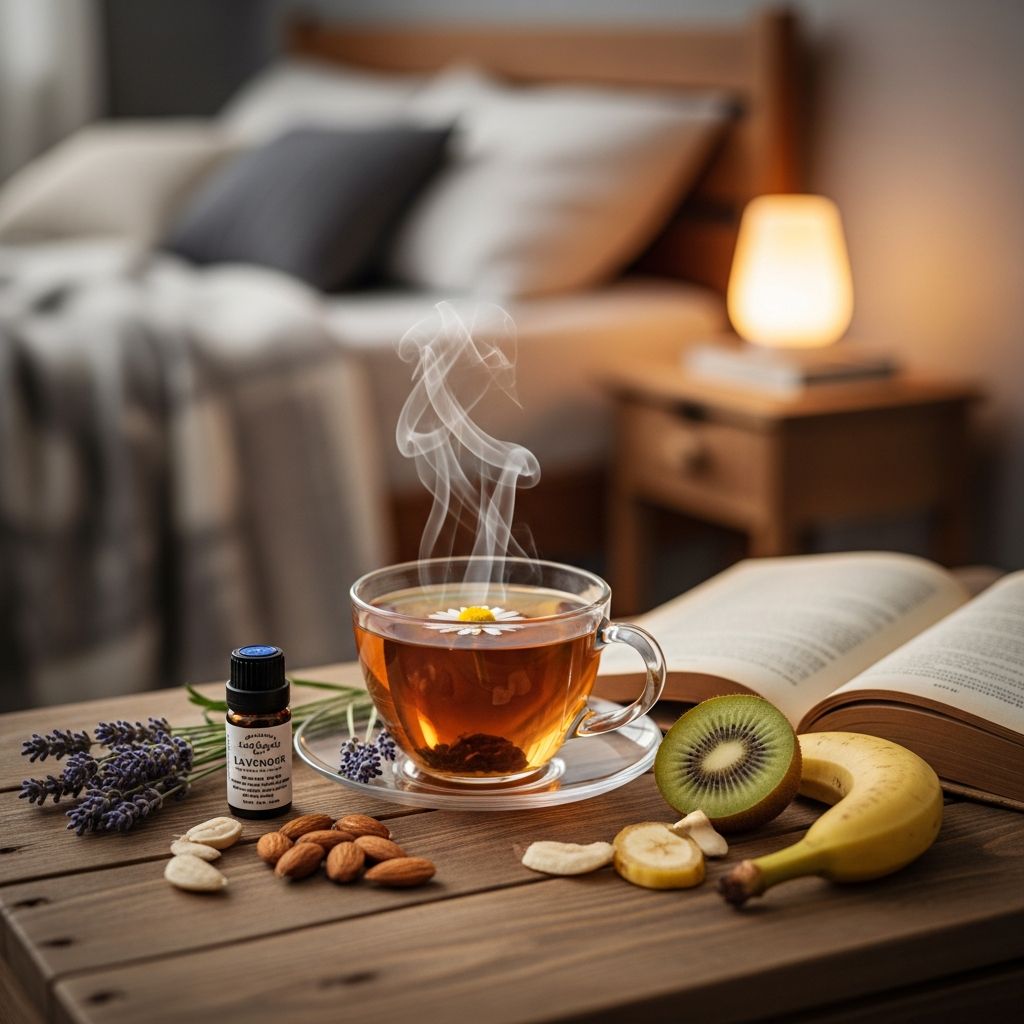
To use lavender for sleep improvement, consider running an essential oil diffuser in your bedroom before bedtime or adding a few drops of lavender essential oil to your pillowcase. Chamomile tea with a hint of lavender can also be a soothing bedtime ritual.
Chamomile
Chamomile, a daisy-like plant, has been used for centuries as a calming herbal remedy. Its sleep-promoting properties come from an antioxidant called apigenin, which works on specific brain cell receptors to help you relax and fall asleep. Chamomile is generally safe, though it can interact with certain medications, so consulting your healthcare provider is advisable if you take other drugs.
The most common way to use chamomile is as a soothing herbal tea sipped before bed. Alternatively, you can take 200-270 milligrams of chamomile extract twice daily for sleep support.
Passionflower
Passionflower is a climbing vine that has been used in traditional medicine, particularly by Native Americans, for its calming properties. The plant contains GABA, the brain chemical that regulates mood and sleep cycles. Research has shown that people who consumed passionflower tea reported getting a better night’s rest.
Passionflower appears safe to use in the short term and can be consumed as a tea approximately 30 minutes to an hour before bedtime.
Kava
Kava is a South Pacific native plant traditionally used to reduce anxiety, and research suggests it may also be useful for improving sleep, particularly insomnia caused by stress. The herb is believed to work by promoting relaxation and reducing racing thoughts that keep you awake.
However, it’s important to note that kava supplements have been linked to a risk of serious liver damage with long-term use. If you’re considering kava supplementation, consult your doctor first. Research suggests that supplements made from only the kava root, rather than the stem or leaves, may be safer options.
California Poppy
California poppy is a different species from the opium poppy and has been used in traditional medicine as a sedative. The herb helps raise levels of GABA, the relaxation-boosting chemical in the brain. While there is limited research on whether California poppy extracts are effective, it is likely safe for short-term use.
Supplements and Compounds for Sleep
5-HTP (5-Hydroxytryptophan)
5-HTP is a compound that your body naturally produces from foods. Your body uses 5-HTP to synthesize melatonin, an important hormone for sleep regulation. Some studies suggest that 5-HTP supplements derived from plant seeds may help increase total sleep time, though the evidence is not conclusive.
Experts typically recommend 100-300 milligrams of 5-HTP before bedtime. Potential side effects include nausea and headaches, so starting with a lower dose is advisable.
GABA (Gamma-Aminobutyric Acid)
GABA is a neurotransmitter that helps reduce anxiety and promote relaxation, both essential for sleep. Several natural remedies work by increasing GABA levels in the brain, making GABA supplementation another option for sleep improvement.
Magnesium
Magnesium is a mineral that plays a crucial role in muscle relaxation and nervous system function. Slight evidence exists to support the use of magnesium for insomnia, particularly in older adults. This mineral may help relax muscles and calm the mind, promoting better sleep quality.
Tart Cherry Juice
Tart cherries are a natural source of melatonin, the key sleep hormone. Early research shows that drinking tart cherry juice increases the amount of melatonin in your body and helps people sleep more soundly for longer periods. The more common Bing and other sweet cherry varieties do not have the same effect, so ensure you’re using tart cherries specifically.
Sip a cup of tart cherry juice about one to two hours before bedtime for optimal sleep benefits.
CBD Oil
Cannabidiol (CBD) is a compound found in marijuana and hemp plants that does not produce a high. Research suggests that CBD oil may help with sleep by reducing anxiety. One study found that people who took CBD felt less anxious and slept better within a month. Typical research-supported doses range from 25-175 milligrams per day, though experts are still determining optimal dosing.
Additional Natural Sleep Approaches
Aromatherapy
Aromatherapy, the use of scented oils from fresh herbs, shows promise as an effective treatment for insomnia. Literature reviews have found that aromatherapy treatments appear to promote sleep, making it vital to develop specific guidelines for efficient use of aromatherapy in improving sleep quality.
Essential oils like lavender, chamomile, and rose can be diffused in your bedroom or added to a warm bath before bedtime.
Relaxation Therapies
Relaxation techniques, including progressive muscle relaxation, meditation, and deep breathing exercises, may provide relief from sleep difficulties, though their effects can vary widely among individuals. These techniques help calm the mind and reduce physical tension that might prevent sleep onset.
Acupuncture and Acupressure
Traditional Chinese medicine practices such as acupuncture and acupressure have been explored for their potential benefits in enhancing sleep quality. These techniques may work by balancing the body’s energy flow and reducing stress.
Lifestyle Modifications for Better Sleep
In addition to natural remedies and supplements, several lifestyle changes can significantly improve sleep quality:
Maintain a Consistent Sleep Schedule: Going to bed and waking up at the same time daily helps regulate your body’s internal clock, making it easier to fall asleep and wake up naturally.
Create a Sleep-Friendly Environment: Keep your bedroom cool, dark, and quiet. Remove electronic devices that emit blue light, which can interfere with melatonin production.
Limit Caffeine and Alcohol: Avoid caffeine after early afternoon, as it can interfere with sleep. While alcohol might initially make you drowsy, it disrupts sleep quality.
Exercise Regularly: Physical activity during the day promotes better sleep at night, though avoid vigorous exercise close to bedtime.
Practice Stress Management: Stress is a major contributor to insomnia. Implement stress-reduction techniques such as yoga, meditation, or journaling.
Important Considerations and Precautions
While natural sleep aids offer a gentler alternative to prescription medications, it is crucial to remember that they are not without risks. The FDA does not check supplements for safety or quality, so knowing exactly what you’re taking is essential. Additionally, even natural sleep aids can cause side effects or interfere with how your medicines work.
Before starting any new sleep aid or supplement, especially if you have existing health conditions or take medications, consult with a healthcare professional. They can help determine which options are appropriate for your individual situation and ensure no harmful interactions occur.
Some people may experience side effects from natural remedies, ranging from mild headaches and stomach discomfort to more serious reactions. Starting with lower doses and gradually increasing as needed can help minimize potential adverse effects.
Comparison of Common Natural Sleep Aids
| Sleep Aid | Typical Dose | How It Works | Potential Side Effects |
|---|---|---|---|
| Melatonin | 0.5-5 mg | Regulates sleep-wake cycle | Headache, dizziness |
| Valerian Root | 300-600 mg | Increases GABA levels | Headache, stomach upset |
| Chamomile | 200-270 mg extract | Apigenin promotes relaxation | Allergic reactions (rare) |
| 5-HTP | 100-300 mg | Produces melatonin | Nausea, headaches |
| CBD Oil | 25-175 mg daily | Reduces anxiety | Drowsiness, nausea |
Frequently Asked Questions
Q: How long do natural sleep aids take to work?
A: The timeframe varies depending on the remedy. Melatonin typically works within 30 minutes to two hours, while herbal remedies like valerian may take several weeks of consistent use to show noticeable effects. Some people experience immediate benefits, while others may need to try different options.
Q: Are natural sleep aids safe for long-term use?
A: Most natural sleep aids are considered safe for short-term use, but long-term safety data is limited for many supplements. Some, like kava, have potential liver concerns with prolonged use. It’s best to discuss long-term supplementation with your healthcare provider.
Q: Can I combine multiple natural sleep aids?
A: While some combinations like valerian with hops have been studied, combining multiple supplements without professional guidance can increase the risk of side effects or interactions. Always consult your doctor before combining sleep aids.
Q: Will natural sleep aids make me groggy in the morning?
A: Some people may experience morning grogginess, particularly with melatonin or valerian. Starting with lower doses and adjusting timing can help minimize this effect. If grogginess persists, discuss alternative options with your healthcare provider.
Q: Can natural sleep aids interact with my medications?
A: Yes, many natural supplements can interact with medications. For example, chamomile can interact with certain medicines, and hops should not be taken with sleeping medications. Always inform your doctor about any supplements you plan to use.
Conclusion
Natural sleep aids and home remedies offer promising alternatives for those seeking to improve sleep quality without relying solely on prescription medications. From widely studied options like melatonin and valerian root to herbal remedies such as chamomile and lavender, numerous approaches can help you achieve better rest. Combined with lifestyle modifications such as maintaining a consistent sleep schedule, creating a conducive sleep environment, and managing stress, these natural solutions can significantly enhance your sleep experience.
Remember that while natural remedies are generally gentler than pharmaceuticals, they are not without risks or potential side effects. What works effectively for one person may not work the same way for another, and individual responses to these remedies vary considerably. Consulting with a healthcare professional before starting any new sleep aid is essential, particularly if you have existing health conditions or take medications that could potentially interact with supplements.
By exploring the various natural sleep aids and remedies discussed in this guide, you can find the combination that works best for your unique needs, leading to restful nights and more energized days ahead.
References
- Natural Treatments for Insomnia — EBSCO Information Services. 2024. https://www.ebsco.com/research-starters/complementary-and-alternative-medicine/natural-treatments-insomnia
- Natural Sleep Aids & Supplements — WebMD. 2024. https://www.webmd.com/sleep-disorders/ss/slideshow-natural-sleep-remedies
Similar Articles








Read full bio of medha deb