Natural vs. Reduced-Fat Peanut Butter: Which Is Best?
Discover why natural peanut butter outperforms reduced-fat spreads in nutrition and taste.
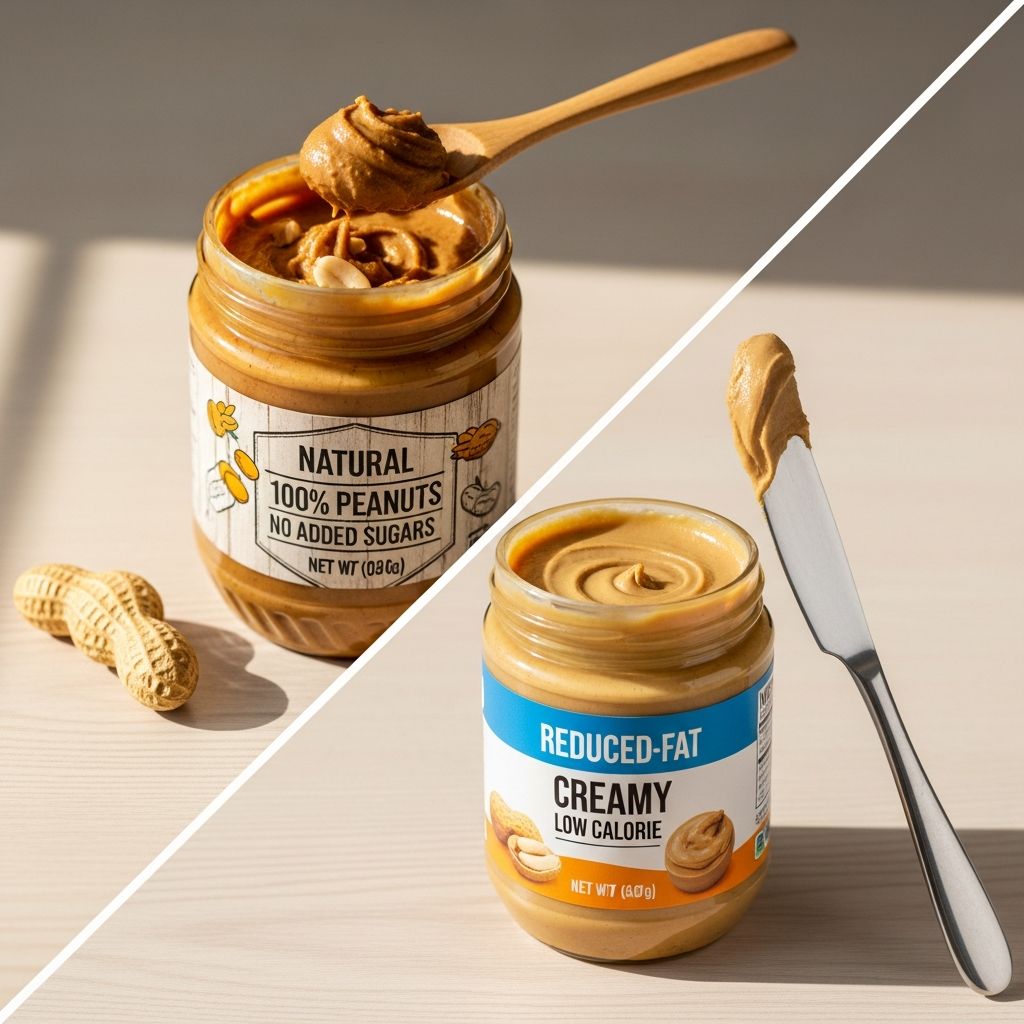
When standing in the grocery store aisle facing a shelf of peanut butter options, many consumers find themselves wondering which choice is truly better for their health. The debate between natural peanut butter and reduced-fat spreads has persisted for decades, stemming from outdated nutritional guidance that demonized all fats. However, modern nutritional science tells a different story. Natural peanut butter emerges as the clear winner when compared head-to-head with reduced-fat alternatives, despite common misconceptions about fat content and calorie counts.
Understanding the Difference: Natural vs. Reduced-Fat Peanut Butter
Before diving into the nutritional comparison, it’s important to understand what legally constitutes each product. According to FDA regulations, peanut butter must contain at least 90 percent peanuts, with other ingredients making up no more than 10 percent of the final product. Natural peanut butter typically contains just peanuts and salt, creating a simple, whole-food product. Reduced-fat peanut spreads, on the other hand, contain only about 60 percent peanuts. This significant reduction in peanut content means the product cannot legally be labeled as “peanut butter” but rather as a “spread” or “peanut-butter spread.”
The Fat and Calorie Myth
One of the primary selling points of reduced-fat peanut butter is the claim that it contains less fat and fewer calories. While technically true regarding fat content, the difference is far less dramatic than marketing suggests. A 2-tablespoon serving of reduced-fat peanut spread contains approximately 12 grams of fat compared to 16 grams in natural peanut butter—a difference of just 4 grams. More importantly, both products contain roughly the same number of calories per serving: approximately 200 calories each. This caloric equivalence exists because manufacturers replace the removed fat with other ingredients to maintain the product’s texture and palatability.
The type of fat matters significantly. The fat found in peanuts is primarily monounsaturated and polyunsaturated fat—the heart-healthy varieties that support cardiovascular function and overall wellness. These beneficial fats help reduce inflammation, support brain health, and improve cholesterol profiles. By choosing reduced-fat options, consumers sacrifice these nutritional benefits for a negligible calorie savings that never materializes.
Hidden Sugars and Additives
The most problematic aspect of reduced-fat peanut butter spreads is what manufacturers add to compensate for the removed fat. When fat is eliminated, the product loses flavor, texture, and satiety appeal. To address these issues, manufacturers add:
- Corn syrup solids
- Sugar and molasses
- Starchy fillers
- Hydrogenated vegetable oils
- Salt for flavor enhancement
These additions result in a dramatically different nutritional profile. Reduced-fat peanut spreads contain 4 grams of sugar per 2-tablespoon serving compared to just 1 gram in natural peanut butter. The total carbohydrate content is nearly two and a half times higher in reduced-fat versions: 15 grams versus 6 grams. Additionally, sodium content approximately doubles, with reduced-fat spreads containing 220 milligrams compared to 105 milligrams in natural versions.
For individuals monitoring sugar intake due to diabetes, metabolic syndrome, or other health concerns, this distinction becomes particularly important. The added sugars in reduced-fat spreads provide empty calories that spike blood glucose and contribute to insulin resistance without delivering any nutritional benefit.
Related Stories



Nutritional Comparison Table
| Nutrient (per 2 Tbsp) | Natural Peanut Butter | Reduced-Fat Spread |
|---|---|---|
| Calories | ~200 | ~200 |
| Total Fat | 16g | 12g |
| Sugar | 1g | 4g |
| Total Carbohydrates | 6g | 15g |
| Sodium | 105mg | 220mg |
| Protein | 7-8g | 7-8g |
The Flavor Factor
Beyond the nutritional considerations, flavor and taste satisfaction play crucial roles in food choice and consumption patterns. Natural peanut butter, which must contain at least 90 percent peanuts by law, delivers an authentic, robust peanut flavor that many consumers prefer. The reduced-fat spreads, containing only 60 percent peanuts, offer significantly diminished peanut taste, replaced by the sweetness of added sugars and the mouthfeel of starchy fillers and hydrogenated oils.
This flavor difference has practical implications. When food tastes satisfying and delicious, consumers feel more satisfied with smaller portions. Natural peanut butter’s intense peanut flavor and creamy texture provide greater satiety, potentially leading to reduced overall consumption. The cloying sweetness of reduced-fat spreads may actually encourage overconsumption as they fail to deliver the taste satisfaction people seek.
The Historical Context: 1990s Diet Culture
The rise of reduced-fat peanut butter products in the 1995 represents a particular moment in nutritional history when fat was broadly vilified as inherently unhealthy. This perspective ignored the crucial distinction between different types of fats and their varying effects on human health. The low-fat craze produced numerous products across the food industry—from SnackWell’s cookies to olestra-laden potato chips—most of which have fallen out of favor as nutritional science evolved.
Modern research has thoroughly debunked the notion that all dietary fat is harmful. Instead, evidence strongly supports the consumption of unsaturated fats while limiting saturated and trans fats. The fat in peanuts overwhelmingly consists of the beneficial unsaturated varieties, making natural peanut butter a genuinely healthy choice for most people.
Why Natural Peanut Butter Wins
When examined comprehensively, natural peanut butter emerges as the superior choice for several compelling reasons:
- Healthy fats: The monounsaturated and polyunsaturated fats in peanut butter support heart health, reduce inflammation, and enhance brain function without significant calorie penalty.
- Lower sugar: Natural peanut butter contains 75 percent less sugar than reduced-fat alternatives, making it the better choice for blood sugar management.
- Whole food: With just peanuts and salt, natural peanut butter is a genuine whole food without artificial ingredients or processed additives.
- Superior satiety: The combination of protein and healthy fats promotes feelings of fullness, potentially reducing overall calorie consumption through improved appetite regulation.
- Better flavor: The authentic peanut taste of natural versions provides greater satisfaction than the sweetened, diluted flavor of reduced-fat spreads.
- Lower sodium: Natural peanut butter contains approximately half the sodium of reduced-fat versions.
Making the Smart Choice at the Grocery Store
When selecting peanut butter, read the ingredient label carefully. The best natural peanut butter contains just two ingredients: peanuts and salt. Some versions may include a small amount of natural stabilizer to prevent oil separation, which is acceptable. Avoid products listing sugar, corn syrup, hydrogenated oils, or other additives.
While the price difference between natural and reduced-fat options may be minimal, the nutritional advantage of natural peanut butter is substantial. The slight premium investment translates directly into a more nutritious, satisfying product that supports better health outcomes.
Serving Size and Portion Control
Regardless of which peanut butter you choose, portion control remains important. The recommended serving size is 2 tablespoons, which provides approximately 7-8 grams of protein and beneficial fats that support sustained energy. Measuring portions ensures you gain the intended nutritional benefits without excessive calorie consumption. When consuming quality natural peanut butter, the enhanced satiety typically prevents overeating better than reduced-fat alternatives.
Special Considerations for Different Diets
Natural peanut butter fits well within various dietary approaches. For low-carb and ketogenic diets, natural peanut butter’s minimal carbohydrate content and emphasis on healthy fats make it ideal. For those following Mediterranean diet principles, the monounsaturated fat profile aligns perfectly with dietary recommendations. Even for calorie-conscious individuals, natural peanut butter’s satiety factor often supports weight management better than reduced-fat options despite equivalent calorie content.
Frequently Asked Questions
Q: Will eating natural peanut butter make me gain weight?
A: No. While natural peanut butter contains fat, the calorie content is nearly identical to reduced-fat versions, and the superior satiety from healthy fats and protein helps control appetite and overall consumption. Numerous studies support peanut butter’s role in weight management programs.
Q: Is the oil that separates on top of natural peanut butter a problem?
A: No. That natural oil is exactly what makes peanut butter nutritious. You can stir it back in or drain it if you prefer, but it’s a sign of minimal processing. Some natural brands add a small amount of stabilizer to prevent separation, which is perfectly acceptable.
Q: How much peanut butter can I safely eat per day?
A: The standard recommendation is one to two 2-tablespoon servings daily as part of a balanced diet. This provides approximately 14-16 grams of protein and beneficial fats without excessive calorie intake.
Q: Are there any people who should avoid natural peanut butter?
A: Those with peanut allergies must obviously avoid it. People with certain digestive conditions may need to limit portions. Those with high sodium restrictions should verify sodium content, though natural versions remain lower in sodium than reduced-fat alternatives.
Q: What’s the difference between “natural” and “organic” peanut butter?
A: Natural peanut butter contains minimal processing and few additives. Organic peanut butter is made from peanuts grown without synthetic pesticides or fertilizers. Both can be excellent choices; look for products with simple ingredient lists regardless of organic certification.
Q: Why does natural peanut butter cost more?
A: Natural peanut butter requires minimal processing and contains no cheap filler ingredients like corn syrup solids or starch. The higher price reflects better ingredients and more straightforward production methods, making it a worthwhile investment in nutrition.
References
- FDA Regulations on Peanut Butter Standards — U.S. Food and Drug Administration. https://www.fda.gov/
- Fat Content in Peanut Butter and Cardiovascular Health — Chicago Health Online. 2024. https://chicagohealthonline.com/eatingwell-which-type-of-peanut-butter-is-best/
- Monounsaturated and Polyunsaturated Fats in Nutritional Science — Sweet Spot Nutrition. 2024. https://sweetspotnutrition.ca/the-lowdown-on-peanut-butter/
- Peanut Butter Alternatives and Low-Fat Substitutes — Trail Runner Magazine. 2024. https://www.trailrunnermag.com/nutrition/daily-nutrition-nutrition/is-bettern-peanut-butter-really-better/
- Reduced Fat Peanut Butter: History and Ingredients — The Takeout. 2024. https://www.thetakeout.com/regular-peanut-butter-vs-reduced-fat-jif-difference-1850269699/
Similar Articles








Read full bio of medha deb