9 Natural Ways to Relieve Acid Reflux Without Medication
Discover effective natural remedies and lifestyle changes to manage acid reflux symptoms naturally.
Acid reflux, medically known as gastroesophageal reflux disease (GERD), affects millions of people worldwide. This uncomfortable condition occurs when stomach acid moves upward into the esophagus, causing a characteristic burning sensation in the chest and throat. While over-the-counter antacids and prescription medications are widely available, many people prefer exploring natural remedies and lifestyle modifications to manage their symptoms effectively. Research from Harvard University and other leading medical institutions demonstrates that strategic dietary and lifestyle changes can significantly reduce acid reflux symptoms and may even prevent nearly 40% of recurring GERD episodes.
Understanding Acid Reflux: The Basics
Before exploring natural remedies, it’s important to understand what causes acid reflux. The lower esophageal sphincter (LES), a muscular valve between your stomach and esophagus, normally prevents stomach acid from flowing backward. When this valve weakens or relaxes inappropriately, acid escapes into the esophagus, causing irritation and discomfort. Common triggers include overeating, consuming fatty or spicy foods, stress, obesity, smoking, and certain medications. By addressing these underlying factors, you can naturally reduce the frequency and severity of acid reflux episodes.
1. Maintain a Healthy Weight
One of the most effective natural strategies for managing acid reflux is maintaining a healthy body weight. Excess abdominal fat increases pressure on the stomach, pushing acid upward through a weakened lower esophageal sphincter. Research shows that even modest weight loss can significantly reduce GERD symptoms. A normal body mass index (BMI) between 18.5 and 25.0 is considered part of an effective antireflux lifestyle. Regular physical activity—at least 30 minutes of moderate-to-vigorous exercise daily—not only helps maintain healthy weight but also improves digestive function and reduces acid reflux risk.
2. Modify Your Diet: Eliminate Trigger Foods
Dietary modifications represent one of the most direct approaches to managing acid reflux naturally. Certain foods and beverages significantly increase stomach acid production or weaken the lower esophageal sphincter. Common trigger foods include spicy dishes, fatty or fried foods, chocolate, citrus fruits, tomatoes, onions, garlic, coffee, tea, carbonated beverages, and alcohol. Rather than viewing this as restrictive, focus on adopting a prudent, anti-inflammatory diet rich in whole grains, lean proteins, vegetables, and healthy fats. Keeping a food diary can help identify your personal triggers, as individual sensitivities vary considerably.
3. Chamomile Tea: A Soothing Digestive Aid
Chamomile has been used for centuries as a natural remedy for digestive discomfort. This gentle herb contains compounds that reduce inflammation in the esophagus and stomach lining, providing relief from acid reflux symptoms. Chamomile tea also promotes relaxation, which can reduce stress-related acid production. To prepare chamomile tea, steep one tablespoon of dried chamomile flowers in hot water for 5 to 10 minutes, then strain and sip slowly after meals. This simple remedy is both effective and pleasant to consume. However, individuals allergic to ragweed or related plant families should avoid chamomile, as it may trigger allergic reactions.
4. Ginger: The Powerful Digestive Hero
Related Stories



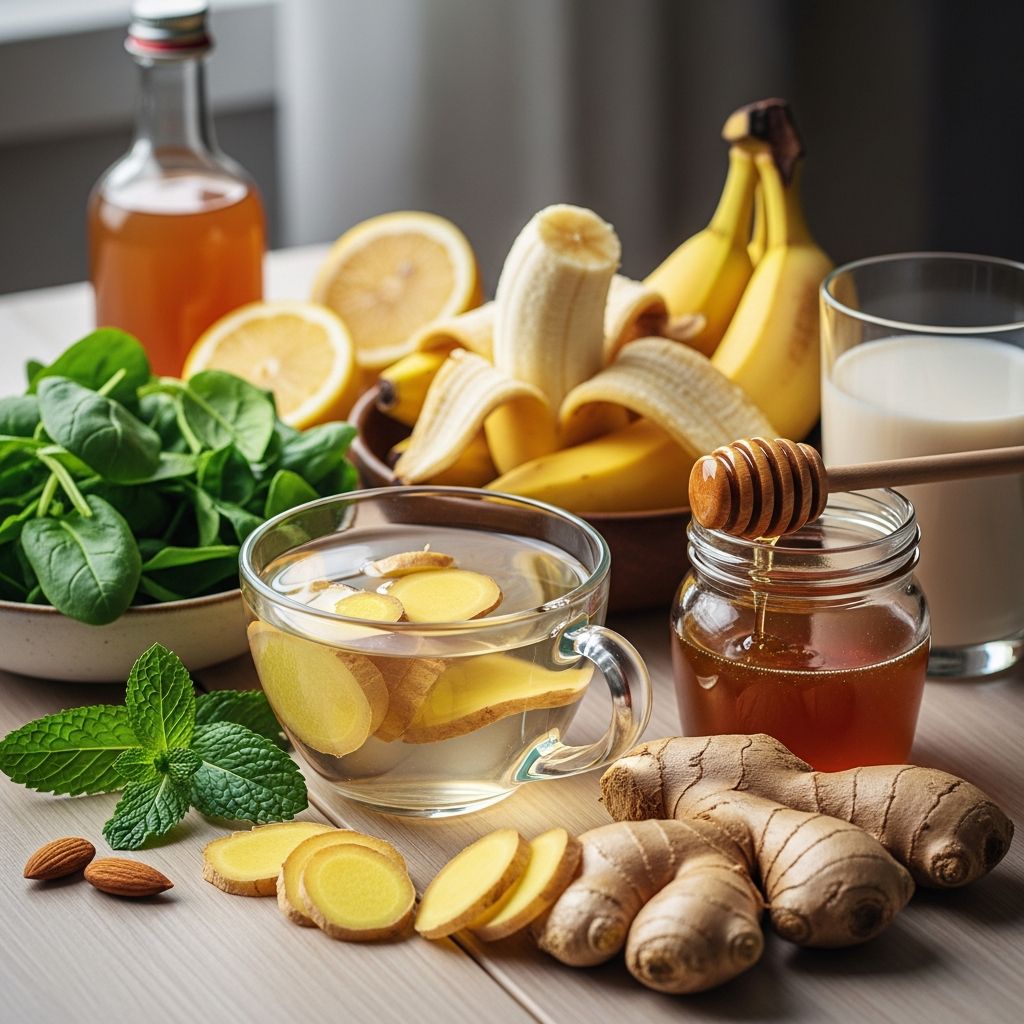
Ginger stands out as one of nature’s most potent anti-inflammatory remedies for digestive health. Its active compounds reduce inflammation throughout the digestive tract and help settle an upset stomach. Beyond acid reflux relief, ginger combats nausea and the bloated feeling often accompanying large meals. You can consume ginger in multiple ways: brew fresh ginger tea by boiling sliced ginger in water for 10 minutes, add grated ginger to your meals for both flavor and digestive benefits, or chew a small piece of fresh ginger after eating. These versatile consumption methods make ginger an easy addition to your daily routine.
5. Licorice Root: Nature’s Protective Barrier
Licorice root offers a unique mechanism for acid reflux relief by increasing mucus production in the esophagus, creating a protective barrier against stomach acid. This natural coating helps soothe irritation and prevents further damage. For maximum safety and efficacy, choose deglycyrrhizinated licorice (DGL), which removes compounds that could elevate blood pressure. DGL supplements are widely available in health food stores and come in tablet or extract form. Follow the recommended dosage on the package for optimal results. This natural remedy not only provides immediate relief but also supports long-term digestive health.
6. Eat Smaller, More Frequent Meals
Portion control plays a crucial role in managing acid reflux naturally. Large meals significantly increase stomach pressure and acid production, making reflux more likely. Instead of three large meals daily, try consuming five to six smaller meals spread throughout the day. This approach maintains steady blood sugar levels, provides consistent energy, and reduces the burden on your digestive system. Eat slowly and chew thoroughly, allowing your body adequate time to process food and trigger satiety signals. This simple practice transforms your relationship with food while naturally reducing acid reflux episodes.
7. Adjust Your Sleeping Position and Timing
Your body position significantly affects acid reflux, particularly at night. Gravity naturally helps keep stomach acid in your stomach, so remaining upright is beneficial. Avoid lying down for at least two to three hours after eating. When you do sleep, elevate your head and upper body by 6 to 8 inches using a wedge pillow or by raising the head of your bed. This incline prevents acid from flowing backward into your esophagus during sleep. These positional adjustments represent one of the easiest and most effective natural interventions for nighttime acid reflux.
8. Additional Herbal and Natural Remedies
Beyond the primary remedies, several other natural options provide acid reflux relief:
Fennel Seeds: These tiny seeds aid digestion and reduce gas production. Prepare a soothing fennel seed infusion or incorporate them into your cooking for subtle digestive support.
Papaya: This tropical fruit contains natural digestive enzymes that facilitate food breakdown and reduce stomach burden. Enjoy fresh papaya slices after meals for optimal benefit.
Marshmallow Root: This herb coats and soothes the entire digestive tract, alleviating discomfort from acid exposure. It’s available as a tea or supplement in health food stores.
Aloe Vera Juice: The gel from aloe vera plants has natural anti-inflammatory properties that soothe the esophagus. Consume small quantities of pure aloe vera juice to experience relief.
9. Lifestyle Modifications and Stress Management
Stress and anxiety directly influence acid production and digestive function. Implementing relaxation techniques such as deep breathing exercises, meditation, yoga, or progressive muscle relaxation can significantly reduce acid reflux frequency. Regular exercise provides both stress relief and digestive benefits. Additionally, limiting caffeine and alcohol consumption—no more than two cups of caffeinated beverages and minimal alcohol daily—prevents unnecessary acid stimulation. Never smoking is equally important, as smoking weakens the lower esophageal sphincter and increases acid reflux risk. These comprehensive lifestyle modifications work synergistically to provide natural, sustainable acid reflux relief.
Prevention Strategies for Long-Term Success
While natural remedies provide symptom relief, prevention remains the most effective long-term strategy. Research from Harvard and other institutions demonstrates that adhering to all five antireflux lifestyle factors—maintaining normal weight, never smoking, exercising daily, limiting caffeine and carbonated beverages, and following a prudent diet—can prevent approximately 37% of GERD symptoms. This evidence highlights the remarkable power of comprehensive lifestyle modification in managing acid reflux without medication.
Creating Your Personal Acid Reflux Management Plan
Successfully managing acid reflux naturally requires personalizing your approach. Start by identifying your specific triggers through careful observation and journaling. Gradually implement dietary changes, incorporating more anti-inflammatory foods while eliminating problematic ones. Begin one herbal remedy at a time, allowing several weeks to assess effectiveness before adding another. Combine these approaches with lifestyle modifications like weight management, regular exercise, and stress reduction. Most people experience significant improvement within two to four weeks of consistent implementation.
When to Seek Professional Medical Advice
While natural remedies prove effective for many people, severe or persistent acid reflux may require professional evaluation. Consult a healthcare provider if you experience frequent symptoms despite lifestyle modifications, difficulty swallowing, unexplained weight loss, or vomiting blood. A healthcare professional can rule out serious conditions and recommend appropriate treatment options tailored to your individual circumstances.
Frequently Asked Questions About Natural Acid Reflux Relief
Q: How long does it take for natural remedies to work?
A: Most people notice improvement within one to two weeks of consistent use. Some remedies like ginger work quickly, while others like lifestyle changes show benefits over several weeks. Consistency is key to long-term success.
Q: Can I combine multiple natural remedies?
A: Yes, combining approaches often yields better results. However, introduce new remedies gradually to identify any adverse reactions. Consult a healthcare provider before combining herbal supplements, especially if you take medications.
Q: Are natural remedies safe for everyone?
A: Most natural remedies are safe, but individual sensitivities exist. Chamomile may trigger allergic reactions in people sensitive to ragweed. Licorice can affect blood pressure in susceptible individuals. Always research specific remedies and consult healthcare providers if pregnant, nursing, or taking medications.
Q: Can weight loss really improve acid reflux?
A: Yes, even modest weight loss significantly reduces acid reflux symptoms. Excess abdominal weight increases stomach pressure, promoting acid reflux. Losing just 5-10% of body weight can provide noticeable relief.
Q: Is water helpful for acid reflux?
A: Plain water aids digestion and dilutes stomach acid. However, avoid drinking large quantities immediately before or with meals, as this can increase stomach volume and trigger reflux. Sip water throughout the day for optimal benefit.
Q: Can stress really cause acid reflux?
A: Absolutely. Stress triggers acid production and weakens digestive function. Implementing stress-reduction techniques like meditation, yoga, or deep breathing can measurably reduce acid reflux frequency and severity.
References
- Association of Diet and Lifestyle With the Risk of Gastroesophageal Reflux Disease — National Institutes of Health, Harvard T.H. Chan School of Public Health. 2020-06-22. https://www.ncbi.nlm.nih.gov/pmc/articles/PMC7783590/
- Acid Reflux Relief: Harvard-approved plants to fight heartburn — HOLA Magazine. 2025-01-03. https://www.hola.com/us/lifestyle/acid-reflux-relief-harvard-approved-plants/
- Clinical Evidence: Effects of Dietary and Lifestyle Modifications on GERD — American Gastroenterological Association. 2023. https://www.gastro.org/
Similar Articles








Read full bio of medha deb