Natural Constipation Relief: 3 Harvard-Approved Foods
Discover evidence-based natural remedies and dietary approaches to overcome constipation.
Natural Ways to Relieve Constipation
Constipation is one of the most common digestive complaints, affecting millions of people worldwide each year. While occasional constipation is a normal part of life, persistent issues can significantly impact your quality of life and overall well-being. Rather than immediately turning to pharmaceutical solutions, many health experts recommend exploring natural approaches that address the root causes of constipation through dietary modifications, lifestyle changes, and evidence-based home remedies. This comprehensive guide explores safe, effective, and scientifically-supported natural methods to restore regular bowel function and promote long-term digestive health.
Understanding Constipation: Causes and Contributing Factors
Constipation occurs when stool moves too slowly through the large intestine, resulting in hard, dry bowel movements that are difficult to pass. Understanding the underlying causes is essential for choosing the most appropriate natural remedy. The primary factors contributing to constipation include insufficient dietary fiber intake, inadequate hydration, sedentary lifestyle habits, and ignoring the body’s natural urge to have a bowel movement. Additionally, stress, certain medications, hormonal changes, and underlying medical conditions can exacerbate constipation symptoms. By identifying your specific triggers, you can implement targeted natural solutions that address your unique situation.
The Role of Dietary Fiber in Digestive Health
Dietary fiber stands as one of the most powerful natural tools for preventing and relieving constipation. Fiber adds bulk to stool and promotes regular bowel movements by absorbing water and facilitating the movement of waste through your digestive tract. The recommended daily fiber intake is 25 grams for women and 38 grams for men, yet most people consume only half this amount. Gradually increasing your fiber intake allows your digestive system to adapt without causing bloating or gas. Soluble fiber, found in oats, beans, and apples, dissolves in water and forms a gel-like substance that softens stool. Insoluble fiber, present in whole grains, vegetables, and wheat bran, adds bulk and stimulates bowel contractions, moving stool along the digestive tract more efficiently.
Harvard-Approved Superfoods for Natural Constipation Relief
Leading gastroenterologists and digestive health experts have identified specific foods with remarkable effectiveness in promoting bowel regularity and easing constipation symptoms naturally.
Kiwi: The Digestive Powerhouse
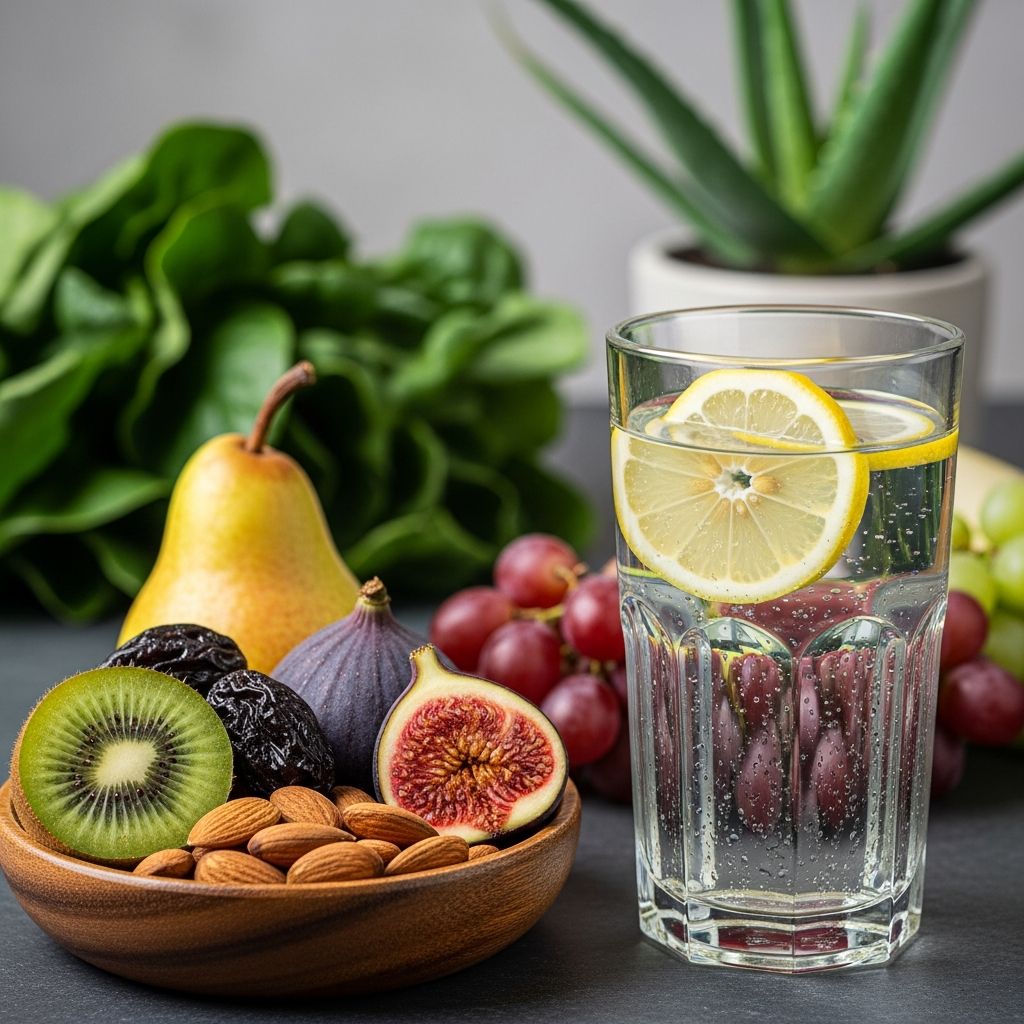
Kiwi fruit has emerged as one of the most effective natural remedies for constipation. Research published by the National Institutes of Health found that consuming two kiwis daily led to significant increases in bowel movements among individuals with chronic constipation. This remarkable fruit contains actinidin, a natural digestive enzyme that supports protein breakdown and enhances overall digestive function. Beyond actinidin, kiwi provides prebiotic compounds and polyphenols that nourish beneficial gut bacteria and improve intestinal health. The fruit’s high fiber content, combined with its water content and bioactive compounds, creates an optimal environment for regular bowel movements. Eating kiwi with its skin intact maximizes nutritional benefits by providing additional fiber and antioxidants. You can enjoy kiwi fresh as a snack, blended into smoothies, added to yogurt parfaits, or mixed into salads for convenient daily consumption.
Papaya: Tropical Digestive Support
Papaya offers exceptional digestive benefits through its unique enzyme profile and nutritional composition. This tropical fruit contains papain and chymopapain—natural enzymes that efficiently break down proteins and promote smooth, effortless digestion. Papaya’s high fiber and water content work synergistically to soften stool and facilitate regular bowel movements. The fruit’s natural enzymes reduce digestive strain and support the body’s own digestive processes without harsh interventions. Consuming ripe papaya slices during breakfast or lunch provides immediate digestive support. Alternatively, blend papaya with other fruits to create hydrating smoothies that combine multiple fiber sources and digestive enzymes for enhanced effectiveness. The combination of hydration and fiber intake both prove crucial for maintaining regular bowel function.
Related Stories



Prunes: Nature’s Mild Laxative
Prunes have long held a reputation as nature’s most reliable constipation remedy, and scientific research validates this traditional wisdom. NIH-backed studies confirm that prunes significantly improve stool consistency and bowel movement frequency due to their exceptional fiber content and presence of sorbitol—a natural sugar alcohol that draws water into the intestines. This dual mechanism—increased bulk from fiber and moisture from sorbitol—softens stool while encouraging its movement through the colon. Unlike chemical laxatives that may create dependency, prunes work gently with your body’s natural processes. Consume prunes directly as convenient snacks, or soak them overnight in water to create a gentler preparation. Regular consumption of even small quantities has demonstrated significant improvements in digestive comfort without requiring pharmaceutical interventions.
Essential Hydration for Optimal Bowel Function
Water consumption forms the foundation of effective constipation relief. Adequate hydration keeps stool soft and allows fiber to work effectively within your digestive system. When you consume fiber without sufficient water, it can paradoxically worsen constipation. Health experts recommend drinking at least eight to ten glasses of water daily, adjusting amounts based on climate, activity level, and individual needs. Begin your day with a glass of warm water, which stimulates bowel movements through gentle digestive stimulation. Herbal teas, particularly those containing ginger or peppermint, provide hydration while offering additional digestive benefits. Reducing caffeine and alcohol consumption prevents dehydration, as these substances can draw water from your digestive system and contribute to constipation.
Physical Activity and Movement
Regular physical activity plays a fundamental role in maintaining healthy bowel function. Exercise stimulates intestinal contractions and promotes the efficient movement of stool through your digestive tract. Sedentary lifestyles significantly contribute to chronic constipation, particularly in modern work environments. Incorporating at least 150 minutes of moderate-intensity aerobic activity weekly benefits digestive health alongside overall fitness. Walking, swimming, cycling, and yoga all provide effective movement options accessible to most individuals. Even brief walking breaks after meals stimulate digestive processes. For those with mobility limitations, gentle stretching and abdominal massage can encourage bowel movements. The key is consistency—establishing regular movement habits creates sustainable improvements in digestive regularity.
Lifestyle Modifications Supporting Digestive Health
Beyond dietary changes and exercise, specific lifestyle modifications create an environment conducive to regular bowel function. Responding promptly to nature’s call represents one of the most overlooked yet effective strategies—ignoring the urge to defecate trains your body to suppress these signals, eventually leading to chronic constipation. Establishing a consistent bathroom routine, ideally after meals when natural digestive stimulation occurs, reinforces healthy bowel habits. Stress management through meditation, deep breathing, or yoga reduces tension in the digestive tract, as stress directly impairs normal bowel function. Adequate sleep—seven to nine hours nightly—supports overall digestive health and hormone regulation. Limiting processed foods, excess sugar, and low-fiber options creates space for nutrient-dense whole foods that naturally support digestive function.
Gradual Dietary Integration for Lasting Results
When implementing natural constipation remedies, gradual dietary changes produce better results than sudden dramatic shifts. Adding fiber too quickly can cause bloating, gas, and cramping as your digestive system adapts. Begin by incorporating one new fiber-rich food weekly, allowing your system to adjust naturally. Combine fiber increases with proportional water intake to maximize effectiveness. Whole grains, legumes, fruits with edible skins, and vegetables should gradually replace refined carbohydrates and processed foods. This progressive approach allows beneficial gut bacteria to adapt and prevents temporary digestive discomfort that might discourage dietary adherence.
Key Dietary Recommendations Summary
| Food Category | Examples | Fiber Content | Preparation Tips |
|---|---|---|---|
| Fruits | Kiwi, Papaya, Prunes, Pears, Berries | High | Eat with skin when possible; consume fresh or dried |
| Vegetables | Broccoli, Brussels sprouts, Carrots, Sweet potato | High | Steam or roast; eat raw in salads |
| Whole Grains | Oats, Brown rice, Quinoa, Whole wheat bread | High | Replace refined grains gradually |
| Legumes | Lentils, Beans, Chickpeas, Peas | Very High | Soak overnight; introduce gradually |
| Beverages | Water, Herbal tea, Fresh juice | N/A | Drink 8-10 glasses daily; warm water aids digestion |
When to Seek Professional Medical Advice
While natural remedies effectively address most cases of constipation, certain situations warrant professional medical evaluation. If constipation persists beyond two weeks despite implementing these natural strategies, if you experience severe abdominal pain or blood in stool, or if constipation represents a significant change from your normal bowel habits, consult a healthcare provider. Chronic constipation sometimes signals underlying medical conditions requiring professional diagnosis. Additionally, certain medications can contribute to constipation—your healthcare provider can assess whether adjustments or interventions are necessary. However, for most individuals experiencing occasional or mild constipation, natural approaches offer safe, effective solutions without medication side effects.
Frequently Asked Questions
Q: How long does it take for natural constipation remedies to work?
A: Most individuals notice improvements within 24 to 72 hours of implementing dietary fiber increases and hydration. Kiwi fruit typically shows effects within one to three days, while long-term regularity develops over weeks as dietary patterns stabilize.
Q: Can I consume too much fiber?
A: Excessive fiber without adequate water can worsen constipation. Maintain a balanced ratio of fiber to water intake. Most people benefit from increasing fiber gradually to the recommended 25-38 grams daily.
Q: Are natural remedies effective for chronic constipation?
A: Natural approaches effectively address most chronic constipation cases. However, persistent constipation lasting weeks despite lifestyle modifications should be evaluated by healthcare professionals to rule out underlying conditions.
Q: Can children use these natural constipation remedies?
A: Yes, dietary approaches including kiwi, papaya, prunes, fiber-rich foods, and adequate hydration benefit children’s digestive health. However, consult pediatricians before making significant dietary changes for infants or children with existing medical conditions.
Q: Is warm water truly beneficial for constipation relief?
A: Yes, warm water stimulates bowel movements through gentle digestive stimulation and aids hydration. Drinking warm water first thing in the morning, particularly with lemon juice, activates your digestive system naturally.
Q: How do I maintain results after natural constipation relief?
A: Sustain improvements through consistent fiber intake, regular hydration, physical activity, and healthy bathroom habits. Permanent dietary and lifestyle modifications prevent constipation recurrence more effectively than temporary interventions.
References
- 3 Harvard doctor approved superfoods that naturally boost digestion — Economic Times. 2024-12-01. https://economictimes.com/magazines/panache/3-harvard-doctor-approved-superfoods-that-help-ease-constipation-and-improve-digestion/articleshow/124612075.cms
- Constipation — Mayo Clinic. Updated 2024. https://www.mayoclinic.org/diseases-conditions/constipation/symptoms-causes/syc-20354886
- Dietary Fiber: Essential for a Healthy Diet — National Institutes of Health. Updated 2024. https://nih.gov
Similar Articles








Read full bio of Sneha Tete