Natural Ways To Lower Blood Pressure: Comprehensive Guide
Discover proven lifestyle changes and natural strategies to manage hypertension without medication.

Natural Ways to Lower Blood Pressure: A Comprehensive Guide
High blood pressure, or hypertension, affects millions of people worldwide and is a significant risk factor for heart disease, stroke, and other serious health conditions. While medication plays an important role in managing severe hypertension, many individuals can effectively control their blood pressure through natural lifestyle modifications. These evidence-based strategies not only help lower blood pressure but also improve overall cardiovascular health and quality of life. This guide explores the most effective natural approaches to managing hypertension without relying solely on pharmaceutical interventions.
Understanding High Blood Pressure
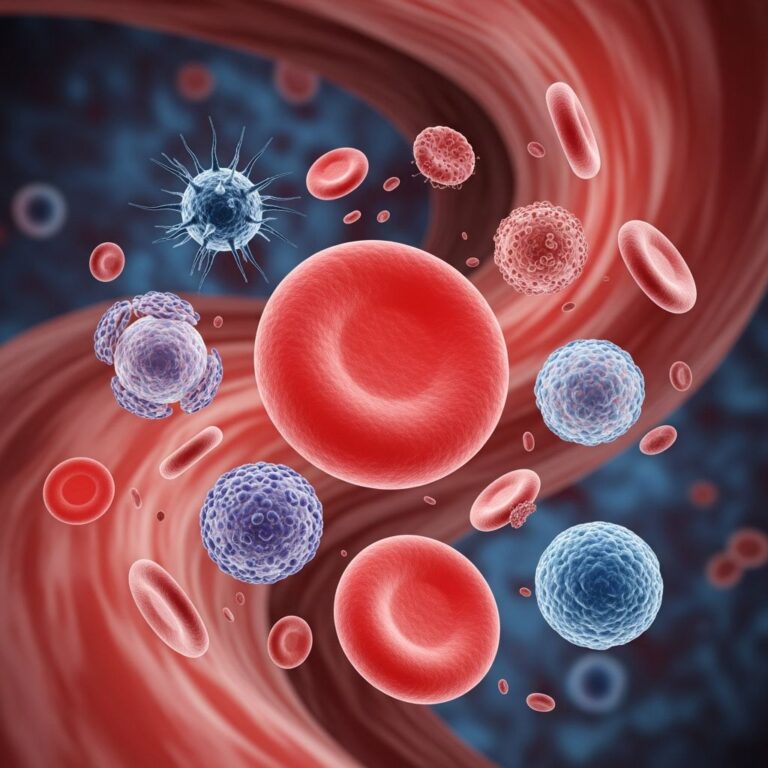
Blood pressure is the force of blood pushing against artery walls, measured in millimeters of mercury (mmHg). A normal blood pressure reading is less than 120/80 mmHg, while readings of 130/80 mmHg or higher indicate hypertension. Understanding your blood pressure numbers is the first step toward taking control of your health. Many people with high blood pressure experience no symptoms, making regular monitoring essential for early detection and prevention of serious complications.
The DASH Diet: Eating Your Way to Lower Blood Pressure
The Dietary Approaches to Stop Hypertension (DASH) diet is one of the most scientifically-supported dietary interventions for managing blood pressure. This eating plan emphasizes whole grains, fruits, vegetables, lean proteins, and low-fat dairy products while limiting sodium, saturated fats, and added sugars. Research demonstrates that following the DASH diet can lower systolic blood pressure by up to 11 mmHg, and when combined with sodium reduction, the effect can be even more dramatic.
The DASH diet works by reducing sodium intake and increasing potassium, magnesium, and calcium—all minerals that play crucial roles in regulating blood pressure. Focus on incorporating more leafy greens, berries, nuts, seeds, whole grains, and legumes into your meals. By making these dietary changes gradual and sustainable, you can develop healthier eating habits that support long-term blood pressure management.
Weight Loss and Blood Pressure Management
Excess body weight places additional strain on the cardiovascular system and significantly increases blood pressure. Research shows that losing even 5 to 10 pounds can lead to meaningful reductions in blood pressure readings. For individuals who are overweight or obese, weight loss is one of the most effective interventions for blood pressure control. Each kilogram of weight lost can reduce systolic blood pressure by approximately 1 mmHg.
Weight loss improves blood pressure through multiple mechanisms: it reduces the workload on the heart, improves insulin sensitivity, and decreases inflammation throughout the body. Combining dietary changes with regular physical activity creates a synergistic effect that maximizes blood pressure reduction and promotes sustainable weight management. Consult with a healthcare provider or registered dietitian to develop a personalized weight loss plan that works for your individual circumstances and health goals.
Physical Activity and Exercise
Regular physical activity is among the most powerful natural interventions for lowering blood pressure. Moderate aerobic exercise, such as brisk walking, jogging, swimming, or cycling, can reduce systolic blood pressure by 5 to 8 mmHg. The American Heart Association recommends at least 150 minutes of moderate-intensity aerobic activity per week for adults.
Related Stories



Exercise benefits blood pressure through several pathways: it strengthens the heart muscle, improves circulation, reduces arterial stiffness, and promotes weight loss. Additionally, physical activity helps manage stress and improve sleep quality—both factors that influence blood pressure regulation. Begin with activities you enjoy and gradually increase intensity and duration. Even modest amounts of daily movement, such as taking the stairs or parking farther away, contribute to overall cardiovascular health.
Stress Management and Mental Health
Chronic stress triggers the release of hormones like cortisol and adrenaline, which temporarily elevate blood pressure. Over time, repeated stress responses can lead to sustained high blood pressure. Managing stress through relaxation techniques is therefore an important component of natural blood pressure control. Proven stress reduction methods include meditation, deep breathing exercises, yoga, tai chi, and progressive muscle relaxation.
These practices activate the parasympathetic nervous system, counteracting the stress response and promoting cardiovascular relaxation. Even 10 to 15 minutes of daily meditation or breathing exercises can produce measurable improvements in blood pressure. Additionally, engaging in hobbies, spending time in nature, maintaining social connections, and seeking professional support when needed all contribute to stress reduction and better overall health outcomes.
Sleep Quality and Duration
Sleep is essential for cardiovascular health, and poor sleep quality or insufficient sleep duration is strongly linked to elevated blood pressure. Research indicates that getting 7 to 9 hours of quality sleep per night supports optimal blood pressure regulation. During sleep, the body undergoes important restoration processes, including blood pressure reduction and hormonal rebalancing.
To improve sleep quality, establish consistent sleep and wake times, create a dark and cool bedroom environment, limit screen time before bed, and avoid caffeine and large meals in the evening. Sleep disorders such as sleep apnea can contribute to hypertension and require medical evaluation. If you experience symptoms such as loud snoring, daytime sleepiness, or gasping during sleep, consult a healthcare provider for proper diagnosis and treatment.
Limiting Alcohol and Quitting Smoking
Alcohol and tobacco use both contribute to elevated blood pressure and increase cardiovascular disease risk. If you consume alcohol, limit intake to no more than 1 to 2 drinks per day for men and 1 drink per day for women. Excessive alcohol consumption directly raises blood pressure and can interfere with blood pressure medication effectiveness.
Smoking causes immediate and sustained increases in blood pressure by constricting blood vessels and reducing oxygen delivery to tissues. Quitting smoking is one of the most impactful health decisions you can make for your cardiovascular system. Within hours of quitting, blood pressure begins to normalize, and the benefits continue accumulating over weeks and months. Utilize smoking cessation programs, medications, counseling, or support groups to successfully quit. Your healthcare provider can recommend evidence-based approaches tailored to your needs.
Home Blood Pressure Monitoring
Regular home blood pressure monitoring helps you track your progress, identify patterns, and detect unusual fluctuations that warrant medical attention. Using a validated home blood pressure monitor with an appropriately-sized cuff ensures accurate readings. Record your blood pressure consistently at the same time each day, preferably in the morning before taking medication, and in the evening. Keep a log or use a digital tracking app to share data with your healthcare provider.
Home monitoring provides valuable information that can guide treatment decisions and help you understand how your body responds to lifestyle changes. It also promotes accountability and engagement in your health management. If you have difficulty using a home monitor or obtaining consistent readings, ask your healthcare provider or pharmacist for assistance in selecting an appropriate device and learning proper measurement technique.
Natural Supplements and Botanical Remedies
Several natural supplements have shown promise in reducing blood pressure, though evidence quality varies and more research is needed for many substances. Hibiscus tea, derived from the flower of the hibiscus plant, has demonstrated blood pressure-lowering effects in some studies, with reductions of up to 7 mmHg reported in certain populations. Other supplements under investigation include potassium, magnesium, coenzyme Q10, and garlic extract.
It is critically important to consult with your healthcare provider before starting any supplements, as they can interact with medications, cause side effects, or be ineffective for your particular situation. Some supplements may actually increase blood pressure or interfere with blood pressure medication. Your provider can help you evaluate the evidence for specific supplements and determine whether they are appropriate and safe for you.
Sodium Reduction Strategies
Excessive sodium intake is a major contributor to elevated blood pressure in many populations. The American Heart Association recommends limiting sodium to less than 2,300 mg per day, with an ideal limit of 1,500 mg per day for optimal blood pressure control. Since approximately 75 percent of dietary sodium comes from processed and restaurant foods rather than the salt shaker, focus on reducing consumption of packaged snacks, canned soups, deli meats, and fast food.
Reading food labels, cooking meals at home using fresh ingredients, and seasoning food with herbs and spices instead of salt are effective strategies for reducing sodium intake. When dining out, request that food be prepared without added salt and ask for sauce on the side. Over time, your taste preferences adapt to lower sodium levels, and you may find that highly salted foods taste unpleasantly salty.
Potassium and Electrolyte Balance
Adequate potassium intake helps counterbalance sodium’s effects on blood pressure and supports heart function. Foods rich in potassium include bananas, oranges, sweet potatoes, spinach, beans, and yogurt. A diet high in potassium-rich fruits and vegetables naturally reduces sodium intake and promotes blood pressure reduction. However, individuals with kidney disease or those taking certain medications must consult their healthcare provider before significantly increasing potassium intake.
Limiting Caffeine Intake
While the relationship between caffeine and long-term blood pressure elevation is complex, caffeine can cause temporary increases in blood pressure. Some individuals are more sensitive to caffeine’s effects than others. If you consume high amounts of coffee, tea, or energy drinks and have difficulty controlling your blood pressure, consider gradually reducing caffeine intake and monitoring the effects on your blood pressure readings. This experimentation can help you determine your personal caffeine sensitivity.
Social Connections and Mental Well-being
Strong social connections and supportive relationships contribute to better cardiovascular health and lower blood pressure. Loneliness and social isolation are associated with elevated blood pressure and increased cardiovascular disease risk. Maintaining meaningful relationships, participating in community activities, and engaging in social support groups create a sense of belonging and purpose that benefits overall health. If you experience depression or anxiety, seeking professional mental health support is an important component of comprehensive blood pressure management.
Consistency and Long-Term Adherence
The effectiveness of natural blood pressure management strategies depends on consistent, long-term adherence. Small, incremental changes that become permanent lifestyle habits are more sustainable than dramatic interventions that prove difficult to maintain. Start by selecting one or two changes that feel most manageable, then gradually add additional strategies as these become routine. Celebrate progress, identify potential obstacles in advance, and problem-solve with your healthcare provider or a health coach to overcome barriers to success.
When to Seek Medical Attention
While natural approaches are powerful and effective for many individuals, some people require medication for adequate blood pressure control. If your blood pressure remains elevated despite sustained lifestyle modifications, or if you experience symptoms such as chest pain, shortness of breath, severe headaches, or blurred vision, contact your healthcare provider immediately. Regular follow-up appointments allow your provider to assess your progress and adjust treatment as needed to ensure optimal cardiovascular protection.
Frequently Asked Questions
Q: How long does it take for natural methods to lower blood pressure?
A: Some changes, such as reducing sodium intake and increasing physical activity, can produce measurable blood pressure reductions within 2 to 4 weeks. However, more substantial and sustained improvements typically occur over 3 to 6 months of consistent lifestyle modification. Individual results vary based on starting blood pressure level, adherence to changes, and other health factors.
Q: Can natural methods alone cure high blood pressure?
A: For some individuals with mild hypertension, lifestyle modifications alone can bring blood pressure into the normal range. However, others require medication in addition to lifestyle changes. Your healthcare provider can help determine whether medication is necessary for your particular situation and monitor your response to treatment.
Q: Is the DASH diet difficult to follow?
A: The DASH diet emphasizes whole, minimally processed foods that many people already enjoy. While initial adjustment may require planning and learning new recipes, most people find the diet sustainable and delicious. Working with a registered dietitian can help you personalize the DASH diet to your food preferences and cultural background.
Q: Can I stop blood pressure medication if I lose weight and exercise?
A: Never stop blood pressure medication without consulting your healthcare provider, even if your numbers improve. Your provider may adjust your dosage based on your progress, or medication may be necessary to prevent complications. Lifestyle changes work best in combination with appropriate medical management.
Q: How often should I monitor my blood pressure at home?
A: If you have been diagnosed with hypertension, monitor your blood pressure at least twice weekly, or as recommended by your healthcare provider. Once your blood pressure is well-controlled, less frequent monitoring may be appropriate. Your provider can give you specific guidance based on your individual needs.
References
- Managing High Blood Pressure Without Medication: 8 Natural Strategies That Work — WFM NYC. 2024. https://wfmnyc.com/managing-high-blood-pressure-without-medication-8-natural-strategies-that-work/
- The DASH Diet for Hypertension — National Heart, Lung, and Blood Institute. U.S. Department of Health & Human Services. 2023. https://www.nhlbi.nih.gov/health-topics/dash-eating-plan
- Physical Activity and Blood Pressure — American Heart Association. 2023. https://www.heart.org/en/healthy-living/fitness/fitness-basics/aha-recs-for-physical-activity-in-adults
- Sleep and Cardiovascular Health — Johns Hopkins Medicine. 2024. https://www.hopkinsmedicine.org/health/wellness-and-prevention/sleep-and-cardiovascular-health
- Hibiscus Tea and Blood Pressure Reduction — National Center for Complementary and Integrative Health. National Institutes of Health. 2023. https://www.nccih.nih.gov/
- Understanding Blood Pressure Readings — Centers for Disease Control and Prevention. 2024. https://www.cdc.gov/bloodpressure/index.html
Similar Articles








Read full bio of medha deb