Natural Ways to Lower Blood Sugar Levels
Discover proven natural methods to manage and lower blood sugar effectively.
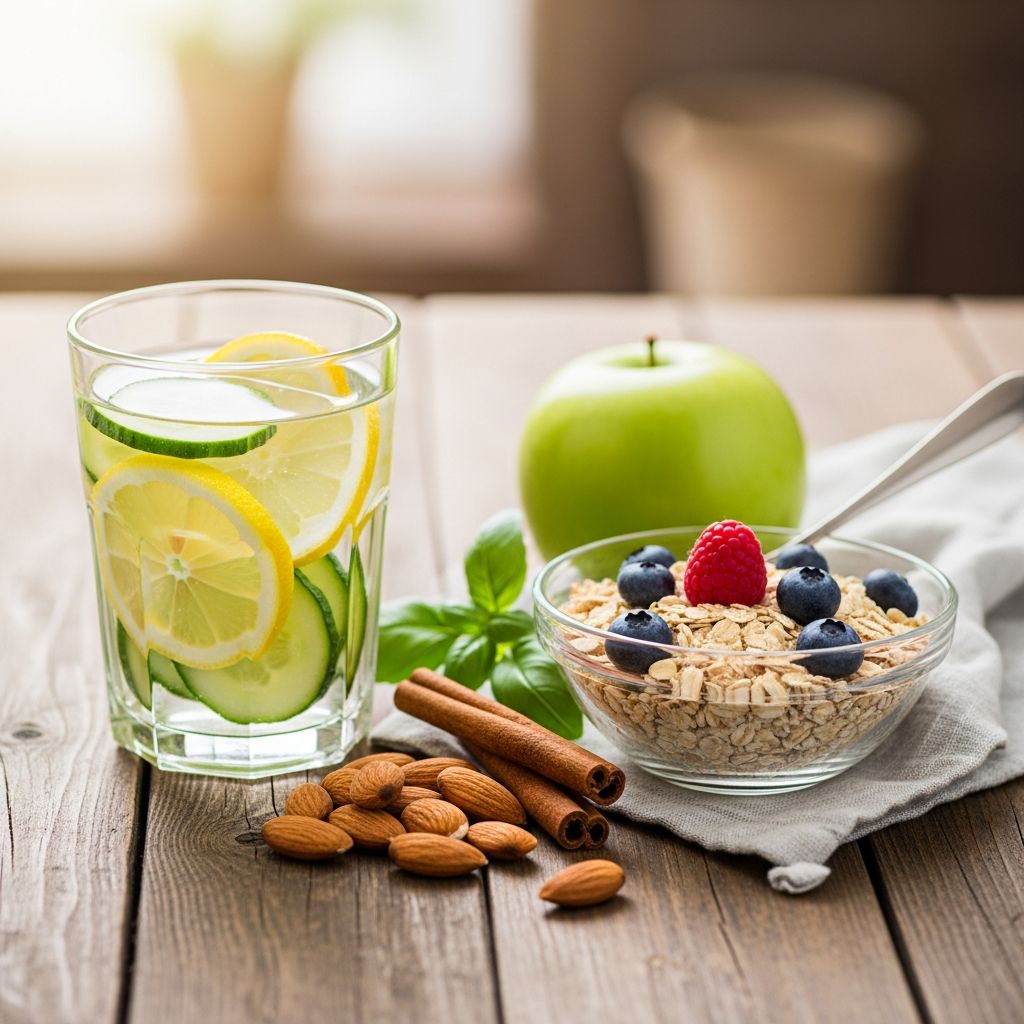
Maintaining healthy blood sugar levels is crucial for overall health and wellness. High blood sugar, also known as hyperglycemia, can lead to serious health complications including type 2 diabetes, heart disease, and kidney damage. While medication is sometimes necessary, many people can effectively manage their blood sugar levels through natural methods and lifestyle modifications. This comprehensive guide explores evidence-based strategies to help you naturally lower your blood sugar and improve your metabolic health.
Understanding Blood Sugar and Why It Matters
Blood sugar, or glucose, is the primary source of energy for your body’s cells. When you eat carbohydrates, your digestive system breaks them down into glucose, which enters your bloodstream. Your pancreas then releases insulin, a hormone that helps cells absorb glucose for energy or storage. When this system works properly, your blood sugar levels remain within a healthy range. However, when blood sugar becomes consistently elevated, it can damage blood vessels and nerves, increasing the risk of serious health complications.
Understanding how different foods, activities, and lifestyle factors affect your blood sugar is the first step toward managing it naturally. By making informed choices, you can optimize your glucose metabolism and reduce your risk of developing diabetes and related complications.
Dietary Changes to Lower Blood Sugar
Focus on Fiber-Rich Foods
Dietary fiber plays a crucial role in blood sugar management. Soluble fiber, found in foods like oats, beans, apples, and barley, slows down digestion and helps prevent rapid spikes in blood sugar levels. Insoluble fiber, found in whole grains, vegetables, and legumes, adds bulk to your diet and supports overall digestive health. Aim to consume at least 25-30 grams of fiber daily from whole food sources.
- Legumes such as lentils, chickpeas, and black beans
- Whole grain breads and cereals
- Vegetables like broccoli, spinach, and Brussels sprouts
- Fruits including berries, apples, and pears with skin
- Nuts and seeds like almonds and flaxseeds
Choose Low Glycemic Index Foods
The glycemic index (GI) measures how quickly foods raise blood sugar levels. Low GI foods are digested more slowly, resulting in a gradual rise in blood glucose rather than sharp spikes. Incorporating low GI foods into your diet can significantly improve blood sugar control and reduce your risk of type 2 diabetes.
Low glycemic index foods include sweet potatoes, steel-cut oats, quinoa, brown rice, and most non-starchy vegetables. Conversely, high GI foods like white bread, sugary cereals, and processed snacks cause rapid blood sugar spikes and should be limited or avoided.
Reduce Refined Carbohydrates and Added Sugars
Refined carbohydrates and added sugars are primary culprits in blood sugar elevation. These foods lack the fiber and nutrients found in whole foods, causing rapid glucose spikes. Common sources of refined carbohydrates include white bread, pastries, sugary beverages, and most processed foods. Reading nutrition labels and limiting added sugar intake to less than 25 grams per day for women and 36 grams for men can dramatically improve blood sugar control.
Include Protein and Healthy Fats
Protein and healthy fats slow gastric emptying and reduce the rate at which glucose enters your bloodstream. This helps stabilize blood sugar levels and provides sustained energy. Include lean proteins like chicken, fish, eggs, and plant-based options in every meal, along with healthy fats from sources like avocados, olive oil, nuts, and fatty fish rich in omega-3 fatty acids.
Related Stories



Exercise and Physical Activity
Regular physical activity is one of the most effective natural ways to lower blood sugar. Exercise increases insulin sensitivity, allowing your muscles to take up glucose more effectively, which lowers blood sugar levels. Both aerobic exercise and resistance training provide significant benefits for glucose control.
Aerobic Exercise
Aerobic activities like walking, jogging, swimming, and cycling improve cardiovascular health and enhance insulin sensitivity. The American Diabetes Association recommends at least 150 minutes of moderate-intensity aerobic activity per week, spread across at least three days. Even brisk walking for 30 minutes daily can improve blood sugar control within days of starting.
Resistance Training
Resistance training or strength training helps build muscle mass, which acts as a glucose sink. Muscles store glucose as glycogen and improve insulin sensitivity. Incorporating two to three sessions of resistance training weekly can significantly enhance blood sugar management. This can include weightlifting, bodyweight exercises, or resistance bands.
Physical Activity Timing
The timing of exercise also matters. Exercising shortly after meals, particularly carbohydrate-rich meals, can help prevent significant blood sugar spikes. Post-meal exercise of just 15 minutes can meaningfully reduce glucose levels throughout the day.
Weight Management and Metabolic Health
Excess body weight, particularly abdominal fat, is strongly associated with insulin resistance and elevated blood sugar levels. Losing just 5-10% of your body weight can significantly improve insulin sensitivity and blood sugar control. Weight loss also reduces inflammation and improves overall metabolic health, making it a cornerstone of natural blood sugar management.
A combination of dietary changes and regular exercise is the most effective approach to sustainable weight loss. Focus on building healthy habits rather than pursuing rapid weight loss, which is often unsustainable and can cause nutritional deficiencies.
Sleep Quality and Blood Sugar Control
Quality sleep is essential for blood sugar regulation. Poor sleep quality and insufficient sleep duration are associated with increased insulin resistance and elevated fasting blood sugar levels. During sleep, your body regulates hormones that control hunger and glucose metabolism. Most adults require 7-9 hours of quality sleep nightly for optimal health.
To improve sleep quality, maintain a consistent sleep schedule, create a dark and cool sleeping environment, limit screen time before bed, and avoid caffeine and large meals close to bedtime. These practices support better sleep and contribute to improved blood sugar control.
Stress Management and Cortisol
Chronic stress elevates cortisol and other stress hormones, which increase blood sugar levels and promote insulin resistance. Managing stress through relaxation techniques, meditation, yoga, and other mindfulness practices can help lower blood sugar naturally. Regular stress management improves emotional well-being while supporting metabolic health.
Effective stress management techniques include:
- Meditation and mindfulness practices
- Yoga and tai chi
- Deep breathing exercises
- Progressive muscle relaxation
- Spending time in nature
- Engaging in hobbies and recreational activities
Hydration and Water Intake
Proper hydration supports kidney function, which helps regulate blood sugar levels. Drinking adequate water helps dilute blood glucose and promotes glucose excretion through urine. Studies suggest that increased water consumption is associated with lower blood sugar levels. Aim to drink at least eight glasses of water daily, adjusting for activity level and climate.
Avoid sugary beverages like soda, fruit juice, and energy drinks, which cause rapid blood sugar spikes and contribute to weight gain. Instead, choose water, unsweetened tea, and black coffee as your primary beverages.
Natural Supplements and Herbs
Certain herbs and supplements have demonstrated blood sugar-lowering properties in scientific research. While these should not replace lifestyle modifications or prescribed medications, they may provide additional support when used appropriately and under professional guidance.
Common Blood Sugar-Supporting Supplements
- Cinnamon: Studies suggest cinnamon may improve insulin sensitivity and lower fasting blood sugar levels
- Chromium: This mineral plays a role in carbohydrate metabolism and may help improve glucose control
- Alpha-lipoic acid: An antioxidant that may enhance insulin sensitivity and reduce blood sugar levels
- Berberine: A plant alkaloid with effects comparable to some diabetes medications
- Bitter melon: A traditional remedy that may improve glucose tolerance
Always consult with a healthcare provider before starting any supplement regimen, as some supplements may interact with medications or have contraindications for certain health conditions.
Meal Timing and Frequency
How often you eat and the timing of your meals can influence blood sugar control. Eating smaller, more frequent meals with balanced macronutrients can help prevent blood sugar spikes and crashes. However, some people benefit from intermittent fasting or time-restricted eating, which reduces the eating window and may improve insulin sensitivity.
The key is finding an eating pattern that works for your lifestyle while consistently choosing nutrient-dense foods. Never skip meals, as this can lead to overeating later and blood sugar instability. Instead, plan balanced meals and snacks containing protein, fiber, and healthy fats.
Monitoring and Tracking Progress
Regular monitoring helps you understand how different foods and activities affect your blood sugar levels. While continuous glucose monitors provide real-time data, regular blood work including fasting glucose and hemoglobin A1C tests can track your progress over time. Many people benefit from keeping a food and activity journal to identify patterns and triggers affecting their blood sugar.
Frequently Asked Questions
Q: How quickly can natural methods lower blood sugar?
A: Some lifestyle changes, particularly exercise and dietary modifications, can improve blood sugar control within days to weeks. However, significant improvements typically take 4-8 weeks of consistent effort. The timeline varies based on individual factors including baseline glucose levels, adherence to changes, and overall health status.
Q: Can I replace diabetes medication with natural methods?
A: Never stop or reduce prescribed diabetes medications without medical supervision. While natural methods can significantly improve blood sugar control, some individuals require medication for safe glucose management. Work with your healthcare provider to develop an integrated approach that may eventually reduce medication needs.
Q: Are there foods I should completely avoid?
A: Rather than complete elimination, focus on limiting foods that cause rapid blood sugar spikes, including sugary drinks, white bread, pastries, and processed snacks. Moderation and portion control are often more sustainable than strict elimination.
Q: How much exercise is needed to lower blood sugar?
A: The American Diabetes Association recommends at least 150 minutes of moderate-intensity aerobic activity weekly, plus resistance training 2-3 times weekly. Even 15-20 minutes of activity after meals can significantly reduce blood sugar spikes.
Q: Can stress really affect blood sugar levels?
A: Yes, chronic stress elevates cortisol and other hormones that increase blood glucose and promote insulin resistance. Managing stress through meditation, yoga, and relaxation techniques can meaningfully improve blood sugar control.
Q: What is a normal blood sugar range?
A: Fasting blood sugar should ideally be below 100 mg/dL (5.6 mmol/L). Normal blood glucose ranges from 70-100 mg/dL fasting and less than 140 mg/dL two hours after eating. Consult your healthcare provider for your personal target range.
References
- Standards of Care in Diabetes — American Diabetes Association. 2024. https://doi.org/10.2337/dc24-S001
- Physical Activity and Type 2 Diabetes: A Systematic Review — Centers for Disease Control and Prevention. 2024. https://www.cdc.gov/diabetes/managing/manage-type-2.html
- Dietary Fiber and Glycemic Control — National Institutes of Health, National Center for Biotechnology Information. 2023. https://pubmed.ncbi.nlm.nih.gov
- Sleep Duration and Glucose Homeostasis: A Meta-Analysis — American Journal of Clinical Nutrition. 2023. https://academic.oup.com/ajcn
- Stress, Cortisol, and Glucose Metabolism — Endocrine Society. 2024. https://www.endocrine.org
Similar Articles








Read full bio of medha deb