Navel & Belly Button: Anatomy, Types & Care Guide
Complete guide to belly button anatomy, types, health conditions, and proper care practices.
Understanding Your Navel: What Is a Belly Button?
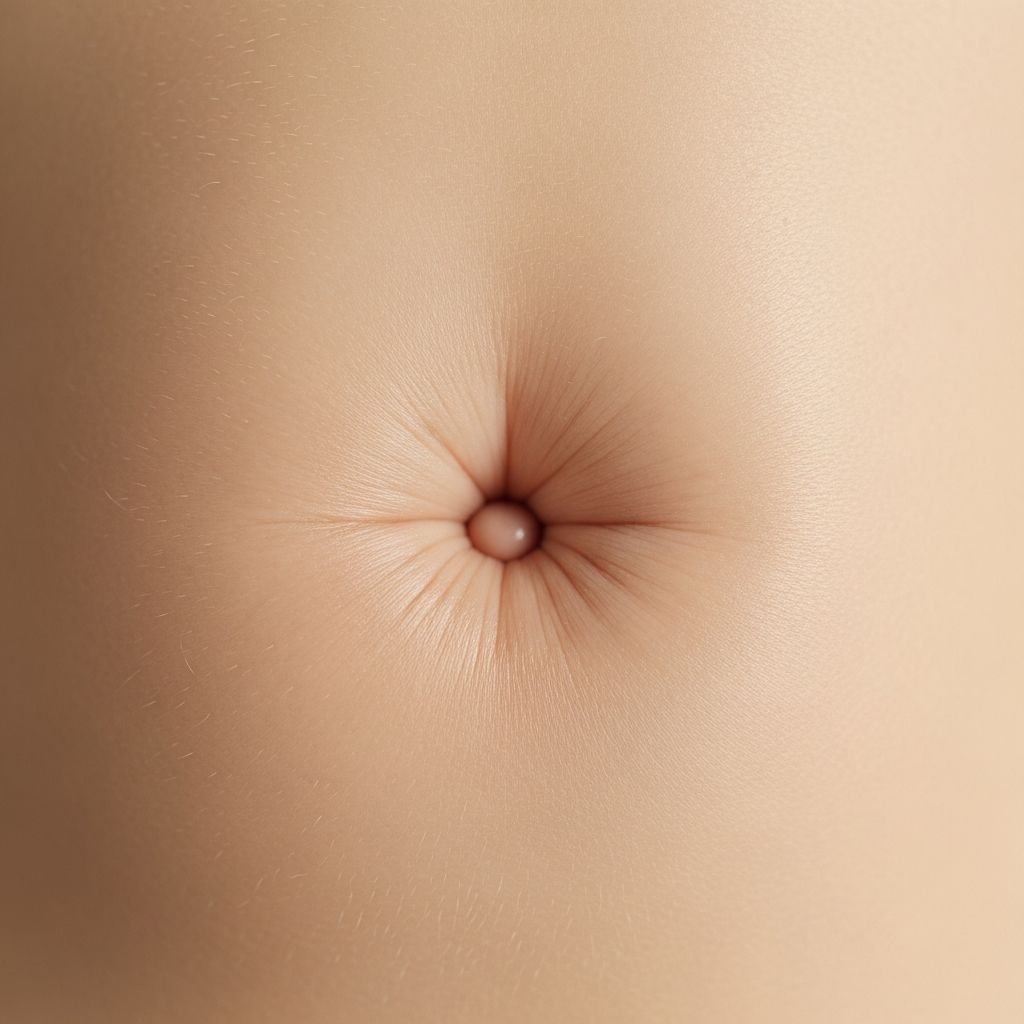
Your navel, commonly known as your belly button, is a small indentation or pushed-in scar area located on the front of your abdomen. This distinctive feature marks the attachment point where your umbilical cord was connected during fetal development. The umbilical cord served as a vital lifeline, connecting you to your mother’s placenta and providing essential nutrients and oxygen throughout your time in the womb.
After birth, a healthcare provider cuts the umbilical cord, leaving behind a short stump on your baby’s tummy. This stump naturally dries up and falls off within a few weeks, and once the opening heals and seals itself shut, the resulting indentation becomes your permanent navel. While your navel doesn’t perform any biological functions after birth, it remains an important part of your anatomy and appearance.
The Role and Significance of Your Navel
Although your navel stops serving a physiological purpose after the umbilical cord is cut and removed, it still plays several important roles in your life and health:
Aesthetic Importance
Research demonstrates that your feelings about your belly button can significantly impact how comfortable you feel with your overall appearance. The navel is a visible part of your body, and many people develop preferences or concerns about how theirs looks. This aesthetic aspect of the navel should not be underestimated, as body image and self-confidence are important components of overall well-being.
Anatomical Reference Point
Your navel serves as a crucial anatomical landmark for healthcare providers during diagnosis and treatment of various conditions. Medical professionals use the navel as the central reference point to divide your abdomen into quadrants. Everything above your navel is considered your upper abdomen, while everything below it is your lower abdomen. By adding an imaginary vertical line dividing your abdomen equally into left and right sides, your navel becomes the point where all four quadrants meet.
This quadrant system is invaluable for healthcare providers because many abdominal conditions affect only specific regions. For example, appendicitis typically affects your lower right abdominal quadrant, while spleen-related issues might present in the upper left quadrant. This systematic approach helps clinicians narrow down potential diagnoses and determine appropriate treatment strategies.
Navel Appearance and Classification
The appearance of navels varies dramatically from person to person, which is completely normal and natural. While your navel typically looks like an indentation with a surrounding circular rim, the exact shape, size, and appearance can differ significantly among individuals.
Informal Types: Innies and Outies
The most common informal classification system divides belly buttons into two basic categories based on how the skin folds and appears from the outside:
Innie: An innie belly button typically appears as a hollow indentation or depression in the skin. This is the most common type and creates a sunken appearance.
Related Stories



Outie: An outie belly button looks more like a ring-like opening with a button-like protrusion of skin visible inside or extending outward. This type is less common and often makes the belly button more prominent.
The SHAPE Classification System
Healthcare professionals use a more detailed classification system called SHAPE criteria to describe navels with greater precision. This standardized approach is particularly useful in cases where surgical repair or reconstruction of the navel is necessary. The SHAPE criteria provide doctors with a consistent vocabulary for documenting navel characteristics and discussing treatment options.
Common Navel-Related Conditions
Several conditions can directly affect your navel or cause symptoms in that area. Additionally, the appearance or sensation of your navel can sometimes provide important clues about internal abdominal conditions.
Direct Navel Conditions
Two common conditions that can affect your navel directly include issues related to infections, inflammation, or structural abnormalities. These may require specific treatment depending on the underlying cause and severity.
Conditions Affecting Navel Appearance
Various internal and external conditions can cause changes in how your navel looks or feels, including:
– Umbilical hernias causing tissue bulging
– Pregnancy-related changes to navel appearance
– Infections or inflammation in the navel area
– Skin conditions affecting the surrounding tissue
– Abdominal wall weakness or separation
– Intra-abdominal pressure changes
Why Your Belly Button Smells and What Causes It
Your belly button can trap various types of debris and substances that may produce unpleasant odors. Understanding what causes belly button smell is essential for maintaining proper hygiene and preventing infection.
Common factors that can make your belly button smell include:
– Accumulated lint, dust, and skin cells
– Bacterial growth in the warm, moist environment
– Fungal infections
– Poor hygiene and infrequent cleaning
– Sweat and moisture retention
– Dead skin buildup
– Soap residue and product accumulation
The navel’s warm, dark, and often moist environment creates an ideal habitat for bacteria and fungi to thrive. This natural tendency toward odor production makes regular cleaning essential for hygiene and comfort.
Navel Pain and Discomfort
Pain or discomfort around your belly button can arise from various causes, ranging from surface-level skin conditions to more serious internal issues.
Minor Causes of Navel Pain
Pain inside your belly button may indicate skin irritation from inadequate hygiene. If you notice discomfort, gentle cleaning during regular bathing for several days may help the skin heal naturally. After a new piercing or minor injury, mild pain or discomfort is normal and typically resolves with proper care and keeping the area clean and dry.
When to Seek Medical Attention
If navel pain continues or worsens, or if you develop additional symptoms alongside the discomfort, you should contact your primary care provider. Persistent pain may indicate infection, hernia, or other underlying conditions requiring professional evaluation and treatment.
The area around your belly button can hurt for many reasons, so professional assessment is important when pain is severe, persistent, or accompanied by other symptoms such as swelling, redness, discharge, or fever.
Navel Hygiene and Care Practices
Maintaining proper navel hygiene is important for everyone and helps prevent infection, odor, and discomfort. Regular care of your belly button should be part of your standard personal hygiene routine.
Basic Cleaning Guidelines
Gentle cleaning during regular bathing is the foundation of navel care. Use warm water and mild soap to clean around and inside your navel. Be gentle to avoid irritating the sensitive skin in this area. After cleaning, ensure the area is thoroughly dried, as moisture can encourage bacterial and fungal growth.
Important Considerations
Never apply medications or topical ointments to your navel without consulting a healthcare provider, particularly if you are pregnant or have existing skin conditions. If you experience persistent odor despite regular cleaning, this may indicate a need for medical evaluation.
Navel Changes During Pregnancy
Pregnancy can bring surprising changes to your body, and your belly button is no exception. As your growing fetus puts pressure on your abdomen, your belly button may transform from an innie to an outie, flatten, or stretch.
These changes are completely normal and temporary in most cases. However, it’s important to understand what to expect and when to seek medical advice. If your popped-out belly button becomes painful or you notice a bulging mass alongside your navel, you should contact your healthcare provider, as this could indicate an umbilical hernia.
Frequently Asked Questions About Your Navel
Q: Does my belly button serve any purpose after birth?
A: After your umbilical cord is cut and removed, your navel no longer serves a biological function. However, it remains important for anatomical reference in medical diagnosis and for aesthetic reasons related to body image and appearance.
Q: Why do some people have innies and others have outies?
A: The difference between innies and outies depends on how the skin folds during and after the healing process of the umbilical cord stump. There is no scientific way to predict which type a person will have, and both are completely normal variations in human anatomy.
Q: How can I prevent my belly button from smelling?
A: Regular gentle cleaning with warm water and mild soap during bathing is the most effective way to prevent navel odor. Ensure the area is thoroughly dried afterward to prevent moisture accumulation that encourages bacterial growth.
Q: Is it normal for my belly button to change during pregnancy?
A: Yes, it is completely normal for your belly button to flatten or pop out during pregnancy as the growing fetus puts pressure on your abdomen. These changes are typically temporary and usually reverse after delivery.
Q: When should I be concerned about navel pain?
A: Mild discomfort after piercing or minor injury is normal. However, if pain persists, worsens, or is accompanied by other symptoms like swelling, redness, or discharge, you should contact your healthcare provider to rule out infection or other conditions.
Q: Can my belly button indicate internal abdominal problems?
A: Yes, changes in your navel’s appearance or sensation can sometimes provide clues about conditions affecting your abdomen. Healthcare providers use your navel as an anatomical reference point to help diagnose and treat various abdominal conditions affecting specific quadrants.
When to See a Healthcare Provider
You should consult with a primary care provider if you experience:
– Persistent or worsening navel pain
– Signs of infection such as redness, warmth, swelling, or discharge
– Unusual bulging or lumps near your navel
– Foul odor that doesn’t improve with regular cleaning
– Skin irritation or rashes around the navel area
– Concerns about navel appearance or piercing complications
Conclusion
Your navel is a permanent reminder of your connection to your mother before birth. While it no longer performs biological functions after the umbilical cord is removed, your belly button remains an important part of your anatomy, appearance, and overall health. Understanding your navel’s structure, recognizing normal variations in appearance, maintaining proper hygiene, and knowing when to seek medical advice are all essential aspects of taking care of this unique feature. By paying attention to your navel and addressing any concerns promptly with a healthcare provider, you can ensure this distinctive part of your body remains healthy and trouble-free throughout your life.
References
- Navel: Belly Button Anatomy & Types — Cleveland Clinic. 2025-06-25. https://my.clevelandclinic.org/health/body/navel-belly-button
- Umbilical Cord Location, Care & Appearance — Cleveland Clinic. 2024-10-04. https://my.clevelandclinic.org/health/body/umbilical-cord
- Umbilical Hernia: Symptoms, What It Is, Treatment & Surgery — Cleveland Clinic. 2024-11-18. https://my.clevelandclinic.org/health/diseases/umbilical-hernia
- Belly Button Changes During Pregnancy — Cleveland Clinic. 2025. https://health.clevelandclinic.org/why-do-some-womens-belly-buttons-pop-out-during-pregnancy
Similar Articles








Read full bio of Sneha Tete