Navigating Extreme Weather with Parkinson’s
Essential strategies for people with Parkinson's to stay safe, manage symptoms, and thrive during heatwaves, cold snaps, storms, and power failures.
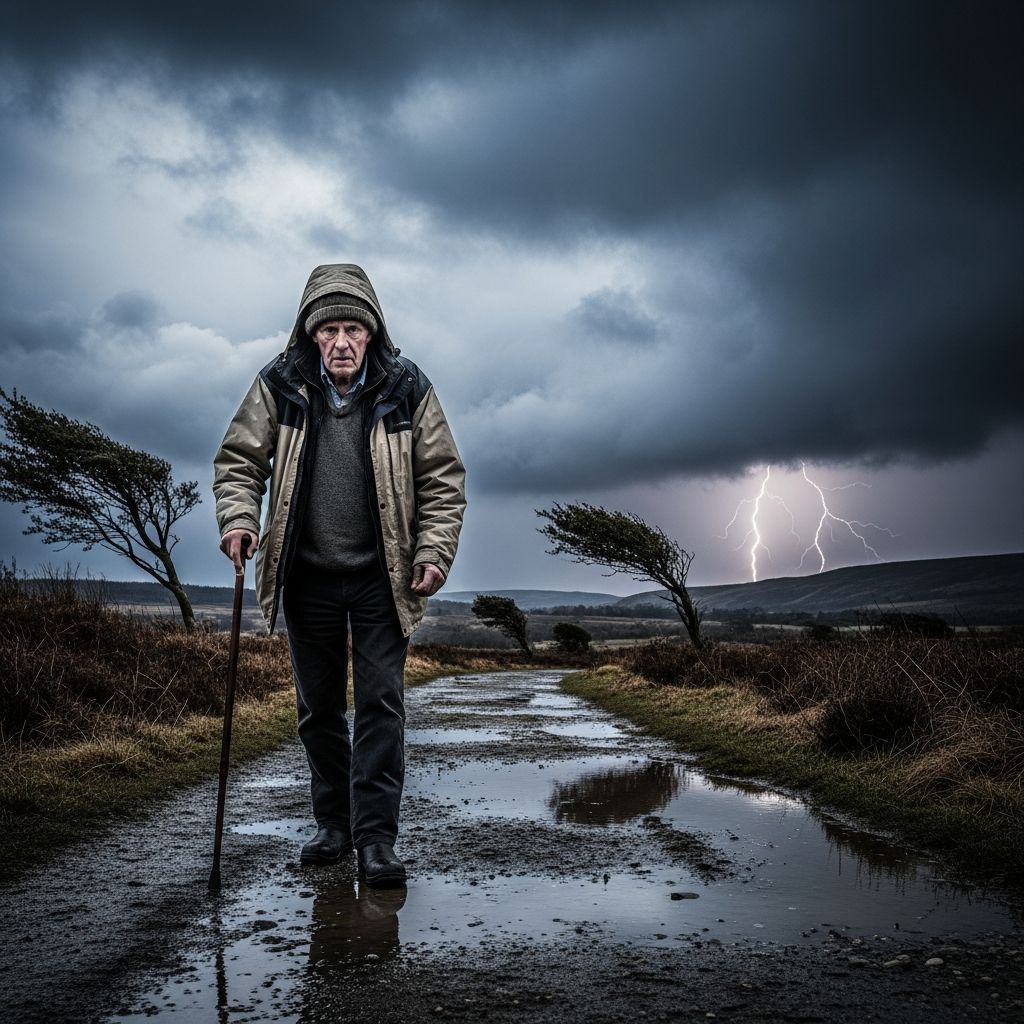
Living with Parkinson’s disease (PD) presents unique challenges during extreme weather events, where temperature shifts, humidity, and storms can intensify motor and non-motor symptoms. Proactive planning helps mitigate risks like heat intolerance, hypothermia, falls on ice, and medication disruptions from power outages.
Why Extreme Weather Poses Greater Risks for Parkinson’s Patients
People with PD often experience impaired thermoregulation, making them more vulnerable to heat and cold. Research shows over half of PD patients report reduced work efficiency in heat, with nearly half noting impacts on household tasks and social activities. Heat exacerbates fatigue, balance issues, and non-motor symptoms, while cold can stiffen muscles and heighten fall risks. Climate change amplifies these threats through more frequent heatwaves and intense storms.
Dehydration from heat or inadequate fluid intake in cold worsens lightheadedness and gait instability, common PD concerns. Power failures during storms disrupt devices like deep brain stimulators (DBS) or pumps, demanding backup strategies.
Combating Heatwaves and High Temperatures
Heat sensitivity affects many with PD, worsening symptoms and daily function. Studies confirm increased morbidity during heatwaves.
- Optimize Hydration: Aim for more than standard daily intake—up to 13+ cups if active or in heat. Monitor urine color for dehydration signs.
- Cooling Techniques: Use fans, air conditioning, cool baths, or damp cloths on neck and wrists. Loose, light-colored cotton clothing aids breathability.
- Timing Activities: Schedule exercise or outings for early morning or evening. Seek shade and take frequent breaks outdoors.
- Indoor Retreats: Stay in cooled public spots like malls or libraries if home AC fails.
A survey found heat impacts balance and gait, raising fall risks—predictive of incidents. Adjust medications or therapy under doctor guidance during prolonged heat.
Strategies for Thriving in Cold Weather
Cold constricts blood vessels, aggravating PD rigidity and tremors. Slippery conditions elevate fall dangers due to balance impairments.
| Challenge | Recommendation |
|---|---|
| Muscle Stiffness | Wear layers; use hot drinks and light indoor exercise to generate warmth. |
| Ice and Snow | Opt for flat-soled, rubber-grip shoes; inspect walking aids. |
| Hypothermia Risk | Limit outdoor time; heat key living areas. |
| Daylight Safety | Exit during warmer daylight hours with company. |
Regular movement prevents stiffness—try seated exercises if mobility-limited. Hot beverages and layered wool or fleece retain body heat effectively.
Power Outage and Storm Readiness
Storms like hurricanes or blizzards often cause outages, critical for PD patients reliant on cooled environments or powered devices.
- Stock Essentials: 5 gallons water per person/day for 3-5 days; non-perishables, flashlight, batteries.
- Medication Buffer: Extra 7-14 days supply, dosage list, provider contacts. Medical alert card details PD needs.
- Device Backups: Fully charge DBS or pumps; have manual meds ready.
- Communication Plan: Designate out-of-area contact; keep phone charged with portable charger.
Overheating post-AC loss risks heatstroke—stay hydrated, recognize dizziness or confusion early.
Evacuation and Shelter Protocols
Know local routes and special-needs shelters accommodating mobility aids and meds.
- Go-Bag Contents: Meds, devices, documents, hygiene items, snacks, ID, cash.
- Mobility Prep: Cane, walker, or wheelchair in easy access.
- Family Drills: Practice routes; inform neighbors or relatives of plans.
Related Stories



Evacuate early if ordered—PD symptoms can delay response times.
Mental Wellness Amid Weather Stress
Anxiety from storms worsens tremors and rigidity. Practice deep breathing, meditation, or mindfulness daily. Connect with support groups for shared coping tips. Positive routines like journaling build resilience.
Seasonal Adjustments for Year-Round Protection
- Spring/Fall Transitions: Layer for variable temps; monitor barometric changes triggering symptoms.
- Humidity Management: Use dehumidifiers; breathable fabrics prevent sweat buildup.
- Exercise Adaptations: Water aerobics for heat; indoor yoga for cold.
Track personal weather-symptom patterns in a journal to anticipate flares.
Building a Comprehensive Emergency Kit
Customize kits for PD:
- Medications and logs
- Hydration and electrolyte packets
- Cooling towels, instant cold packs
- Heating pads (battery-powered)
- Mobility aids, extra batteries
- Whistle, blanket, dust mask
- First-aid with PD-specific items like gloves for hygiene
Collaborating with Healthcare Providers
Discuss weather plans in visits. Request heat/cold action protocols, med stockpiles. Some clinics offer telehealth for storm check-ins.
FAQs
What are early signs of heat intolerance in PD?
Increased fatigue, dizziness, worsened tremors, excessive sweating or none at all. Act by cooling and hydrating immediately.
How much water is enough during heatwaves?
Exceed 9-13 cups/day; more if sweating heavily or on diuretics.
Can cold weather trigger PD falls?
Yes, via stiffness and ice—use anti-slip gear and slow pacing.
What if power fails during a storm?
Use manual med options; manual fans; community shelters.
Does humidity affect PD more than dry heat?
Yes, it hinders sweat evaporation, raising core temps.
Long-Term Resilience Building
Join PD weather preparedness workshops. Advocate for climate-resilient policies protecting vulnerable groups. Home modifications like backup generators or insulated spaces enhance safety.
(Word count: 1678)
References
- Prepare for Extreme Weather with Parkinson’s Disease — Parkinson’s Programs. 2025-06-06. https://www.parkinsonsprograms.org/how-to-prepare-for-extreme-weather-with-parkinsons-disease
- Evidence of heat sensitivity in people with Parkinson’s disease — PMC (Int J Biometeorol). 2024. https://pmc.ncbi.nlm.nih.gov/articles/PMC11108869/
- Parkinson’s Disease & Body Temperature Regulation — American Parkinson Disease Association. N/A. https://www.apdaparkinson.org/article/temperature-dysregulation-and-parkinsons/
- Managing Your Parkinson’s Symptoms This Winter — Shake It Up Australia Foundation. N/A. https://shakeitup.org.au/managing-parkinsons-symptoms-winter/
- Hot Weather and Parkinson’s Disease: Six Tips for Beating the Heat — Michael J. Fox Foundation. N/A. https://www.michaeljfox.org/news/hot-weather-and-parkinsons-disease-six-tips-beating-heat
Similar Articles








Read full bio of medha deb